How to Accurately Find Your Property Lines?
When I first bought my home, I assumed I knew exactly where my property ended and my neighbor’s began. Turns out, I was wrong. Many homeowners, even seasoned ones, have no clear idea of their property lines until they need them—usually when planning a fence, a shed, or even planting a big tree. That’s when the small uncertainties can snowball into serious disputes or costly mistakes.
Knowing your property boundaries isn’t just a legal formality—it’s about protecting your investment and keeping your relationships with neighbors intact. I’ve seen cases where a misplaced fence caused months of tension and even legal headaches. On the flip side, having a clear understanding of your boundaries gives you confidence to plan improvements, expand your garden, or just enjoy your space without second-guessing.
In this guide, I’ll walk you through the practical ways to locate your property lines, the documents you need, and the tricks I’ve picked up over the years to make the process smooth. By the end, you’ll know exactly where your property begins and ends—and how to make decisions that are safe, legal, and stress-free.
Property Boundaries Explained: Legal and Practical Perspectives
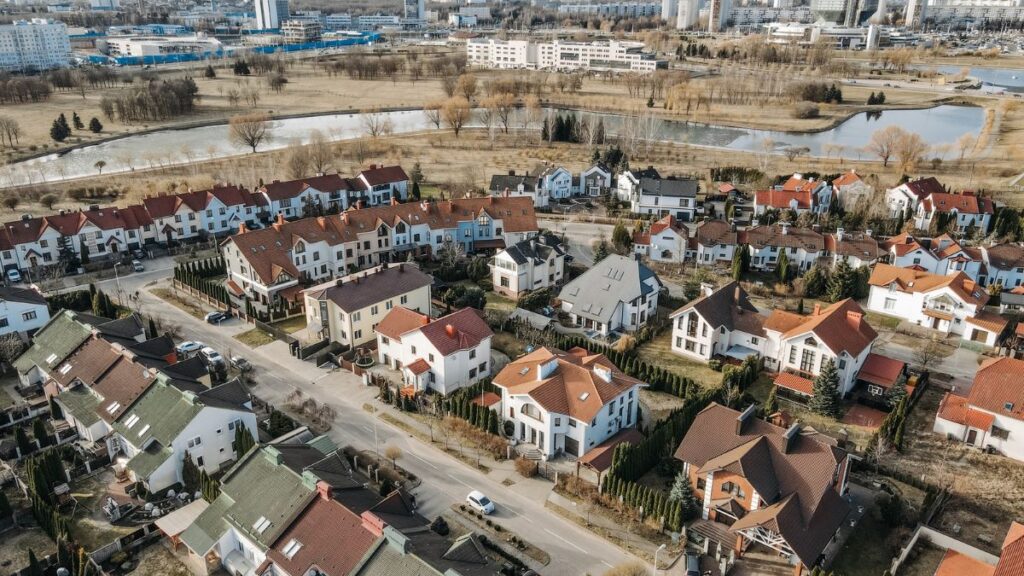
When I first started looking into my property lines, I realized there’s more to it than just fences or markers in the yard. A property boundary is a legal definition of where your land ends and your neighbor’s begins. Knowing this can save you from disputes, fines, or even having to tear down something you built.
There are a few ways boundaries are officially recorded: your deed, a survey, or municipal/land records. For example, the deed often contains a written description referencing landmarks, angles, and distances, while a survey maps your property with precise measurements. Zillow notes that using these official documents is crucial if you want certainty about your boundaries, especially before making any improvements to your property.
Boundaries aren’t always obvious on the ground. Sometimes a fence sits a few inches or even feet beyond the legal line. Other times, a tree or driveway marks a property corner—but not always accurately. Recognizing the difference between legal and practical boundaries is the first step in protecting your property and planning confidently.
Start Smart: Collecting Essential Documents and Tools
Before you step foot outside, I learned it’s worth gathering the right documents and tools. Trying to measure or mark boundaries without a plan can quickly get confusing—or worse, dangerous.
Here’s what I usually start with:
- Deed and title descriptions: These are the legal backbone of your property lines. I always pull out my latest deed to understand the official language and any references to landmarks.
- Plat maps and subdivision plans: These show a visual layout of your lot and neighboring lots. I’ve found them invaluable when the deed descriptions are too technical.
- Digital tools and apps: I use Google Earth or GIS portals to get a preliminary visual sense of my property. For those who prefer apps, tools like LandGlide can provide a starting point, though I always cross-check with official documents.
Having these in hand gives you a “map in your pocket” before you actually measure anything. It’s like knowing the road before you drive—it makes the journey smoother and safer.
DIY Methods to Locate Property Lines
Once your paperwork is ready, it’s time to step outside. I like to start with practical, hands-on methods before considering a professional survey.
- Using satellite maps and online platforms: Google Maps or other GIS portals give you a bird’s-eye view. I zoom in, check house shapes, and look for any visible lines or fences. It’s fast and often surprisingly accurate.
- Identifying existing physical markers: Survey pins, stakes, old fence lines, or even tree lines can give clues. If markers are buried, a metal detector helps. Always remember safety first: before digging near unknown markers or utilities, check your local “call before you dig” services.
- Measuring distances with basic tools: Tape measures, stakes, and a compass help you confirm lengths and angles. I usually plot a rough outline on the ground before marking anything permanently.
- Cross-checking landmarks with deeds or plat maps: Comparing what you see in your yard with official maps ensures you’re accurate. It’s amazing how often a fence or tree doesn’t match the legal description.
- Handling discrepancies: If measurements don’t line up, don’t guess. Pause and consider checking older documents or calling a professional. A wrong assumption can be costly.
Doing this yourself gives confidence and helps you understand your property in ways no document alone can.
When to Hire a Professional Surveyor?

I’ll be honest—DIY can get you far, but there are times when hiring a professional surveyor is worth every penny.
- Signs you need one: unclear markers, old or missing deeds, planned construction (like a fence, pool, or shed), or potential disputes with neighbors.
- The survey process: Surveyors mark corners, measure boundaries with GPS or CAD tools, and create a certified map. Watching them work once taught me so much about how precise this process needs to be.
- Cost considerations: Fees vary based on property size, complexity, and region. I always recommend getting multiple quotes and checking licensing and insurance.
- Choosing the right surveyor: Ask for referrals, ensure they carry professional liability insurance, and confirm they’re willing to walk the boundaries with you afterward. It saves misunderstandings later.
Hiring a surveyor may seem expensive, but the cost of a dispute or a misplaced structure can be far higher. I view it as insurance for peace of mind.
Checking Property Records and Deeds
Official records are your safety net. Even if you’ve walked your yard and checked pins, I always go back to the government records and deeds to confirm.
- Accessing online records: Many county or municipal websites let you search by address, parcel number, or owner name. This can include deeds, permits, or surveys.
- Understanding your property deed: Deeds can be technical, referencing old landmarks or legal descriptions. I usually trace references back if the current deed is vague.
- Reviewing historical deeds: Sometimes older deeds are the only ones with identifiable boundary points. Cross-referencing them ensures your measurements are aligned with legal records.
Doing this step ensures you’re not relying solely on memory, neighbors’ fences, or approximate maps. It’s the kind of diligence that prevents headaches down the road.
Preventing and Resolving Neighbor Disputes
I’ve learned the hard way that knowing your boundaries isn’t just about measurements—it’s about relationships. Even a small fence or tree can become a major point of conflict if it crosses the line.
- Common disputes: Fences, sheds, driveways, or even trees planted too close to a boundary often trigger disagreements.
- Effective communication: I always talk to my neighbors before starting any project near the boundary. A simple conversation can prevent months of tension. Sharing your survey or rough measurements helps keep things transparent.
- Legal remedies and agreements: If informal discussions fail, written boundary agreements or mediation can save both time and money compared to jumping straight to court. Keeping documentation of all agreements protects everyone involved.
Being proactive here can save stress and even legal costs. Think of it as investing in both your property and your peace of mind.
Sometimes quick tips and updates on neighborhood-friendly home projects are easier to get on messaging platforms. I often refer to a dedicated group where practical DIY tips and alerts are shared—you can check it out for bite-sized guidance.
International Considerations: Special Notes for Non-US Homeowners

Most guides focus on the U.S., but if you’re elsewhere—there are some key differences I’ve had to navigate.
- Local property record systems: Unlike the U.S., municipal or state land records may be harder to access online. Visiting local offices or contacting a revenue department is often necessary.
- Surveying challenges: Rural or older properties may lack clear surveys or markers. I once had to rely on a mix of old plats, oral histories, and local authority guidance.
- Verifying old surveys: Especially in heritage or subdivided lots, old surveys might not match current physical markers. Double-checking historical documents is critical before building or fencing.
Understanding the local system prevents mistakes that could lead to encroachment disputes or legal complications.
If you’re dealing with tricky neighbors, these 5 smart ways to handle difficult neighbors and keep your home stress-free can give you actionable strategies.
Step-by-Step Homeowner Checklist
After researching, measuring, and verifying, I like to summarize my process in a simple checklist. It keeps everything organized and reduces mistakes.
Here’s the checklist I follow:
- Gather deeds, titles, and plat maps.
- Review historical documents if needed.
- Identify physical markers in the yard.
- Measure distances and angles with basic tools.
- Compare observations with digital maps or apps.
- Hire a surveyor if boundaries are unclear or for construction projects.
- Discuss plans with neighbors before building.
- Record and save all documents for future reference.
It’s short, but following this order keeps me confident that nothing is overlooked.
Before building fences or planning shared yard projects, check out our 6 budget-friendly fence ideas to transform your backyard for inspiration.
Costs, Risks, and Key Precautions
Knowing your property boundaries isn’t just about accuracy—it’s about avoiding financial and legal headaches. I’ve learned that even a small misstep can be costly.
- Encroachment consequences: Building a fence, shed, or pool on your neighbor’s land can lead to fines, legal disputes, or even court-ordered removal. I’ve seen cases where the cost of correcting an encroachment exceeded the original project by thousands.
- Hidden costs: Hiring a surveyor, replacing misplaced fencing, or adjusting landscaping can add up quickly. Planning ahead and verifying boundaries can save both money and stress.
- Precautions I take: I always double-check survey markers, consult deeds, and, when in doubt, hire a licensed professional. Keeping copies of all surveys and agreements is my safety net.
The key takeaway here is that upfront diligence prevents long-term problems. A little effort today can save a lot of money and frustration tomorrow.
If you share a fence with a neighbor, it’s worth reading 7 things you must know before painting a shared fence with your neighbor to avoid conflicts and save time.
Final Takeaways: Empowering Homeowners
After going through the steps myself, I can say with confidence that knowing your boundaries changes how you interact with your property. You stop second-guessing where things go, you plan improvements with clarity, and you avoid unnecessary disputes.
- Map out your boundaries before starting any project.
- Use a combination of deeds, plat maps, physical markers, and digital tools.
- Communicate with neighbors proactively.
- Don’t hesitate to hire a surveyor when needed.
By taking these steps, you gain control, peace of mind, and the ability to make confident decisions on your property. Think of it as an investment in your home and your relationships.
What’s the first project you’d plan once you know your boundaries with certainty? I’d love to hear how others tackle this!
For more tips on backyard planning, fence ideas, and neighborhood-friendly home improvements, explore our Real Estate & Homeownership section for practical advice and inspiration.
Disclaimer: I always make it clear: this guide is informational. Property laws vary by state, city, and country. While I’ve shared practical steps and real-life insights, nothing here replaces advice from a licensed surveyor, local authority, or legal professional. Always consult experts before making any structural or boundary-related decisions.