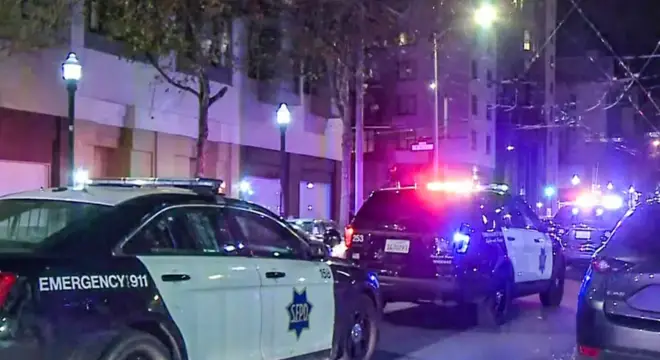
Fire Damages Minnesota Home, Officials Assess Loss
When I read the initial details from the Duluth Fire Department, one thing stood out right away — this fire moved fast, and it happened when most people were asleep. Late Friday night, at 11:36 p.m., crews were dispatched to the 4200 block of Gladstone Street in Duluth’s Lakeside neighborhood after reports of a house fire.
By the time firefighters arrived, the situation was already serious. Flames were visible on all four sides of a single-family home with an attached garage, a sign that the fire had gained strength before help could reach the scene. Lakeside crews were first in, with additional units responding from downtown headquarters, UMD, and Woodland to bring the fire under control.
If you live in a quiet residential area like Lakeside, this kind of incident hits close to home. It’s the reminder no one likes, but everyone needs — fires don’t announce themselves, and late-night hours make them even more dangerous.
Does your household have a clear plan for what you’d do if something like this woke you up in the middle of the night?
Firefighters Arrive to Find Heavy Fire Conditions
When crews reached the home, the fire was already well advanced. According to an official update shared by the Duluth Fire Department on Facebook, firefighters encountered heavy fire on all four sides of the house, including the attached garage.
That detail matters more than it sounds — fire on multiple sides usually means the blaze had time to grow before anyone could stop it.
In simple terms, this wasn’t a small kitchen flare-up or a contained garage fire. The flames had wrapped around the structure, creating dangerous conditions from the very first moments of the response.
For you as a homeowner, this highlights how quickly a fire can escalate — especially late at night, when detection can be delayed by just a few minutes.
Multiple Fire Crews Rush In to Control the Blaze
Containing a fire of this scale took more than one team. As reported by the Duluth News Tribune, crews from the Lakeside station were quickly joined by firefighters from downtown headquarters, UMD, and Woodland.
That kind of multi-unit response is usually reserved for serious residential fires with high risk of spread or collapse.
This coordinated effort helped prevent the fire from extending to nearby homes, something that’s always a concern in established neighborhoods like Lakeside. If you’ve ever wondered why you see so many fire trucks at one scene, this is why — structure fires demand manpower, speed, and backup.
Large-scale fires often require a multi-unit response, just like the Seattle 3-alarm house fire where firefighters coordinated across multiple stations to bring the blaze under control.
All Residents Escape Safely Before Firefighters Arrive
Despite the intensity of the fire, there was one critical piece of good news. All four people living in the home were able to get out safely before firefighters arrived, and no injuries were reported. That detail shouldn’t be glossed over.
In many fatal house fires, residents are trapped or overcome by smoke before help arrives. Here, evacuation happened in time — a reminder of how important early awareness and quick decision-making can be.
If you’re reading this, it’s worth asking yourself: Would everyone in my home know how to get out that fast in the dark?
Pets are especially vulnerable during house fires, as seen in the Washington house fire where unfortunately five animals lost their lives despite rescue efforts.
Firefighters Rescue Two Cats from the Basement
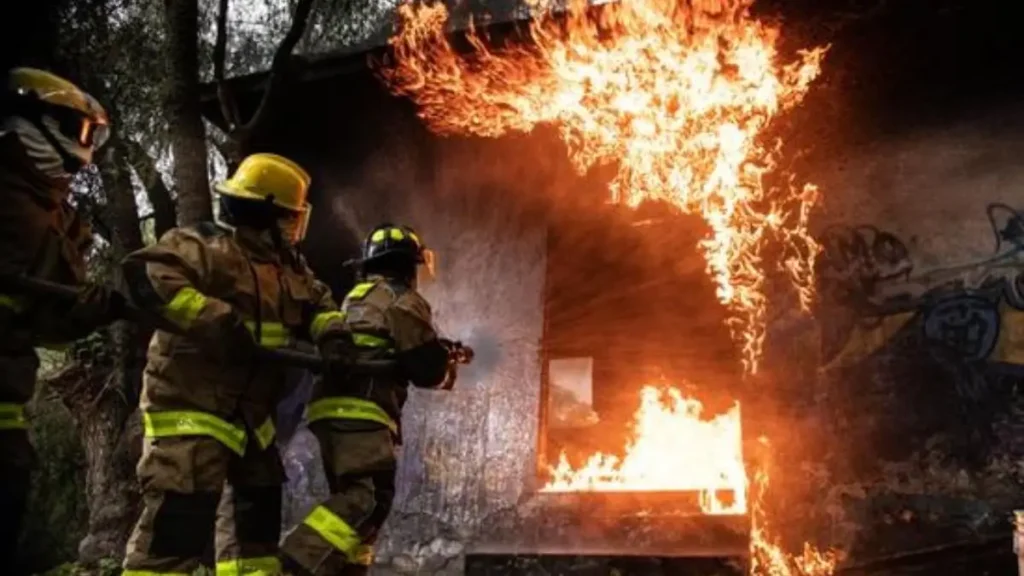
The rescue didn’t stop with the residents. Firefighters also had to locate and save two cats trapped in the basement, pulling them out alive amid the smoke and chaos.
Anyone who has pets knows how easily animals can hide during emergencies — and how dangerous that can be for them.
These moments rarely make headlines, but they matter. They show the added risks responders face and the emotional stakes inside a burning home.
For pet owners, it’s a quiet reminder to think about how pets might be reached or guided out during an emergency.
Roof Collapse Leaves Home with Severe Damage
As crews worked to knock down the fire, the structure itself began to fail. Officials confirmed a roof collapse, along with significant fire and water damage throughout the home. While no dollar estimate has been released, a collapse usually means the house is not immediately livable.
Fire doesn’t just destroy what it burns. Water used to put it out can soak walls, floors, and electrical systems, creating long-term damage that takes months to repair. If you’ve ever walked through a fire-damaged home, you know — the recovery is rarely quick or simple.
Have you ever thought about how prepared your home is — not just to prevent a fire, but to recover from one if it happens?
For quick updates and safety alerts straight to your phone, many homeowners are using channels like WhatsApp to get real-time fire and emergency news.
Fire Leaves Four Residents Displaced
Even though everyone made it out safely, the fire changed daily life instantly. All four residents are now displaced, with their home too damaged to live in after the roof collapse and heavy fire and water damage.
That’s the part many news reports move past quickly, but it’s often the hardest reality for families to deal with.
When a home becomes unlivable, the disruption goes far beyond repairs. Clothing, documents, school routines, work schedules — everything is suddenly on pause. If you’ve never been through a house fire, it’s hard to imagine how fast “normal” disappears.
Displacement after a fire can be devastating — similar to the tragic Georgia mobile home fire that left two children dead and families scrambling for temporary housing.
Fire Marshal Investigating What Caused the Blaze
Right now, the focus has shifted from suppression to answers. The Duluth Fire Marshal’s Office is investigating what caused the fire, and no official cause has been released yet. That’s standard in incidents like this, especially when structural damage and collapse are involved.
It can take time to determine where a fire started and why — particularly when so much of the structure has been destroyed.
While speculation spreads quickly online, investigators rely on physical evidence, burn patterns, and scene analysis. For homeowners, this stage matters because it often affects insurance claims and next steps.
What This Fire Reveals About Late-Night Home Safety?
Late-night fires are especially dangerous for one simple reason: people are asleep. Reaction time is slower, visibility is worse, and confusion sets in fast.
This incident is a reminder that working smoke alarms and a basic escape plan can make the difference between getting out and getting trapped.
If you live in a single-family home — especially an older one — it’s worth checking alarms, clearing exit paths, and talking through a plan with everyone in the house. You don’t need fear to stay safe. You need preparation.
Officials to Share Updates as Investigation Continues
Authorities say more information will be released if new details become available.
For now, the Duluth Fire Department and local news outlets remain the best sources for verified updates related to this fire and the ongoing investigation.
Stories like this often fade from headlines, but their lessons shouldn’t. If this happened on your street, would you be ready? What’s one small safety step you could take this week to protect your home or family?
If you want to read more real-life home fire stories and safety updates, check out our Home Incidents section for the latest coverage.
Disclaimer: The information in this article is based on official updates from the Duluth Fire Department and the Duluth Fire Marshal’s Office at the time of reporting. Details may change as the investigation continues. This article is for informational purposes and not a substitute for professional advice or emergency guidance.