Detroit Lakes Home Destroyed in House Fire
When I read incidents like this, the first thing I think about is how normal the day probably felt—until it wasn’t.
On Sunday, Jan. 25, a quiet afternoon in rural Detroit Lakes turned into an emergency within minutes. Around 1:27 p.m., first responders were alerted about a house fire in Otter Tail County. By the time help was on the way, the situation had already escalated fast.
If you live in or around Detroit Lakes, you know how spread out rural homes are. That distance matters. Fires here don’t always get immediate eyes on them, and when they do, damage is often already severe. This incident is a clear reminder of that reality.
What stands out early is the timing—midday, not overnight. Fires aren’t just a late-night risk. They can happen when you think everything is under control, when you’ve stepped out briefly, or when the house seems quiet.
As a homeowner, you and I both know how quickly “I’ll be back in a bit” can turn into something much bigger. That’s why understanding when and how these fires start matters just as much as knowing where they happen.
If this had happened near your home, would anyone have noticed in time?
Dispatch Alert Leads First Responders to County Highway 20
When I checked the official details, one thing was clear—this wasn’t a delayed response issue. According to the Detroit Lakes Tribune, dispatchers alerted first responders at 1:27 p.m. about a house fire at 27460 County Highway 20, just outside Detroit Lakes.
That address matters. If you live nearby, you know this stretch isn’t packed with homes side by side. In rural areas like this, even a short delay between ignition and discovery can change everything.
What you and I often forget is that emergencies don’t announce themselves loudly at first. A call to dispatch usually means the fire is already visible, already serious. By the time help is requested, the clock is already ticking.
Detroit Lakes Home Fully Engulfed When Deputies Arrived
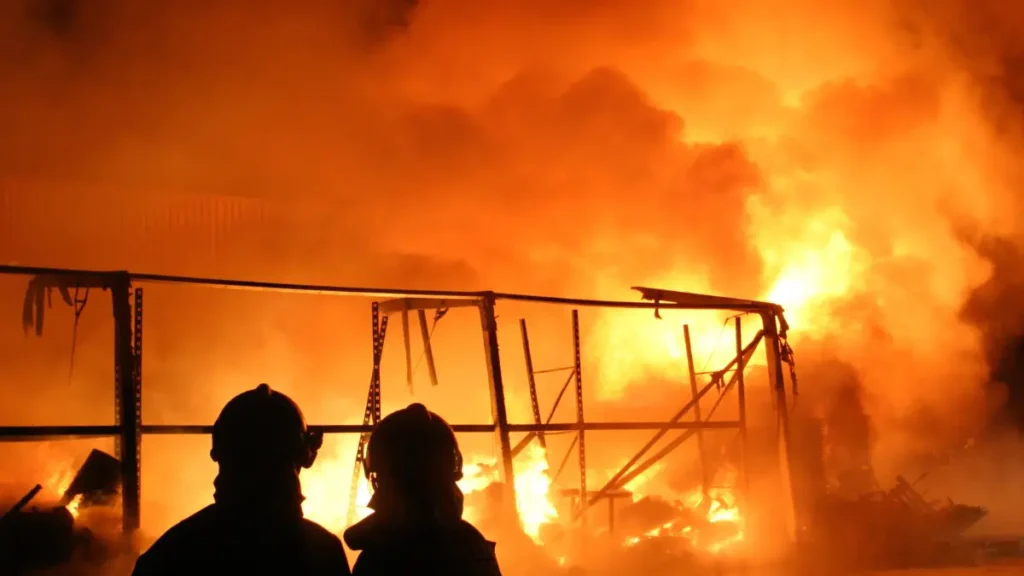
By the time deputies reached the property, there was no confusion about the scale of the fire. Valley News Live reported that the home was fully engulfed in flames on arrival.
That detail tells you a lot. Fires don’t fully consume a structure in a few seconds. This suggests the blaze had been building rapidly before anyone could intervene.
If you’re a homeowner, this is the part that should make you pause. Once flames reach this stage, saving the structure becomes almost impossible. Firefighters shift focus from rescue to containment—and that’s a hard line to cross.
Fires that are detected early often tell a different story, such as a row house fire in Washington that was extinguished early morning before major damage occurred.
Homeowner Identified; Everyone Made It Out Safely
The home belongs to Jodi Grevious, 55, according to the sheriff’s office. The most important detail here isn’t the name—it’s the fact that all occupants were already out of the house when deputies arrived.
I don’t need to tell you how rare and relieving that is. Too many fire stories don’t end this way.
This is where quick judgment matters. Leaving early, even when you’re unsure how bad the situation is, can be the difference between a loss and a tragedy. Property can be replaced. People can’t.
Not every fire ends without injuries—in a recent incident where one person was injured during a mobile home fire in Erin, emergency responders faced a very different outcome.
Kitchen Area Mentioned as Starting Point of the Fire
Investigators shared another critical detail through the news release. The man who called in the fire said he had left his mother’s home about 20 minutes earlier with his girlfriend.
When he returned, the house was filled with smoke. Flames were visible in the kitchen area.
This isn’t speculation—it’s eyewitness information. And if you’ve ever walked back into a smoke-filled home, you know how fast panic sets in. Kitchens are one of the most common places where fires begin, often during routine, everyday moments.
Ask yourself honestly: if you stepped out briefly today, would you know what you left running?
Fire Spreads Rapidly; Detroit Lakes Home Declared Total Loss

Once the fire took hold, it moved fast. Officials stated that the flames spread quickly, and the home appeared to be a total loss.
That phrase sounds official, but the meaning is personal. It means everything inside—memories, documents, routines—gone in a short window of time.
In rural Detroit Lakes, this is the harsh truth you and I have to accept: when fires grow unchecked for even a short period, there’s often no second chance for the structure.
If you were in that position, do you know what you’d grab first—or would you get out without looking back?
Incidents like this often develop quickly. Many local fire updates and safety alerts surface first through community-based message feeds before they reach wider news.
Cause of Detroit Lakes House Fire Remains Under Investigation
Right now, there’s no confirmed cause—and that matters more than it sounds.
Officials have stated that the fire’s origin has not yet been determined and remains under investigation. That means no early assumptions, no quick answers, and no closure for the homeowner just yet.
If you’ve ever gone through insurance claims or fire inspections, you know this phase can take time. Investigators need to rule things out carefully. For you and me as readers, this uncertainty is also a reminder: fires don’t always come with obvious warning signs or clear mistakes.
Sometimes, the reason only becomes clear after everything is already gone.
In some cases, investigations follow far more tragic outcomes, including a Gibsonburg house fire where one person died and the cause was investigated.
Multiple Fire Departments Respond to Control the Blaze
Firefighters from Pelican Rapids and Vergas responded to the scene and worked to extinguish the fire.
This kind of multi-department response is common in rural areas—and necessary. No single department can always handle a fast-moving fire alone, especially when homes are spread out and water access can be limited.
If you live outside city limits, this is worth thinking about. Response depends not just on speed, but on coordination. The fact that crews were able to contain the fire and prevent further spread likely saved nearby properties.
It’s easy to overlook this until you need it.
What This Fire Signals for Rural Detroit Lakes Homeowners?
This incident isn’t just a one-day headline. It quietly highlights how exposed rural homes can be.
Distance from neighbors. Fewer immediate witnesses. Longer response routes. All of that gives fires more time to grow before help arrives.
You don’t need to panic—but you do need to prepare. Smoke alarms, quick exits, and knowing when to leave without hesitation aren’t “extra precautions” in places like this. They’re basic survival decisions.
If this fire had happened closer to you, would you have noticed in time—or would you have found out too late?
For ongoing coverage of house fires, safety updates, and verified local reports, you can also follow us on X and Facebook.
Disclaimer: This report is based on information released by local authorities at the time of publication. The cause of the fire remains under investigation, and details may change as officials share updates. Readers are advised to follow official sources for the latest confirmed information.