12 People Displaced After Freeport Home Fire
When I first looked into what happened in Freeport on Saturday, the one thing that stood out to me was how quickly this fire turned into a life-changing moment for multiple families. At least twelve people — eight adults and four kids — had to leave everything behind in minutes. The fire started around 4:30 p.m. on Woodbine Drive West, and within moments, nine different departments and about 75 firefighters were rushing in to stop it from spreading.
The good news? No one was hurt. That’s rare in a fire this size. Crews managed to control the flames in roughly an hour and a half, and the Red Cross stepped in right away to help the displaced families with shelter and essentials.
If you’ve ever seen a house fire up close, you know how fast things can change. One second you’re in your living room, and the next, smoke is taking over the whole house. That’s why details like a multi-department response actually matter — it tells you how serious the situation was and how close this could’ve come to turning into something worse.
Before we go deeper, I want you to think about this: If a fire broke out in your home right now, would you and your family be prepared?
Timeline of the Fire — How Everything Unfolded
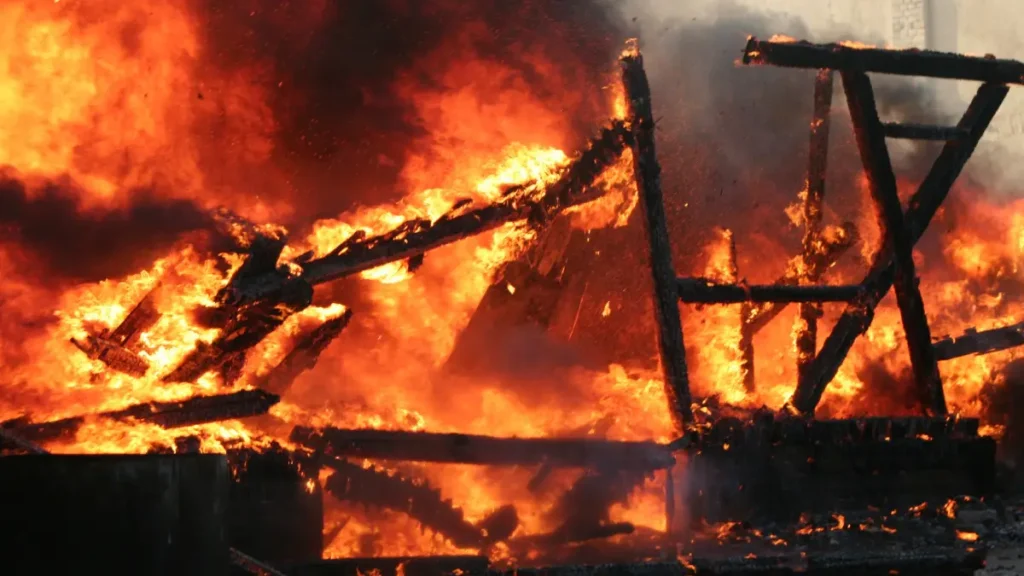
When I went through the initial reports from News12, the first thing I noticed was how fast this fire escalated. It started around 4:30 p.m. at 36 Woodbine Drive West, and by the time neighbors realized something was wrong, flames were already pushing through parts of the home. If you’ve ever seen how quickly a house fire grows, you know it doesn’t wait for anyone.
What struck me most was the size of the response: nine departments, roughly 75 firefighters. That’s not your average single-truck call. It tells you the crews on scene knew the fire had the potential to spread fast through nearby homes — and they weren’t taking chances.
They eventually brought it under control in about 90 minutes, which honestly is impressive considering the size of the response. Every minute counts in a fire like this, and those 90 minutes likely prevented more families from losing their homes.
The Families Who Lost Their Home in Minutes
The part that always hits the hardest is what happens to the people inside. Eight adults and four children were forced out as the fire grew, and that’s the kind of moment that changes everything in a single afternoon. Imagine going about your normal weekend and suddenly realizing you can’t go back inside your own home.
Thankfully, no one was injured — and that’s the one piece of relief in all of this. The Red Cross stepped in immediately, helping the families with temporary shelter, clothes, food, and emotional support. When people lose everything at once, even small forms of help can feel huge.
And if you’re wondering, “How do people even start rebuilding after something like this?” — the truth is, it begins with exactly these first steps.
It reminded me of another heartbreaking incident where a 31-year-old woman died in a California house fire — a moment that showed how quickly a home can turn from safe to deadly.
Cause of the Fire — What Officials Know Right Now
Anytime I read about a fire like this, the first question that comes to mind is why it happened. According to officials, the Fire Marshal hasn’t confirmed a cause yet, and the investigation is still active. And honestly, that’s normal. Determining a fire’s origin isn’t guesswork — investigators look at burn patterns, electrical points, structural damage, and even household items that might have accelerated the spread.
Since we don’t have the confirmed cause yet, I want to give you the context most news outlets skip:
In homes across Long Island, the most common fire triggers tend to be:
- Faulty wiring
- Overloaded outlets
- Space heaters
- Unattended cooking
- Dryer vents clogged with lint
I’m mentioning this because people usually underestimate how small issues turn into major fires. And you shouldn’t have to wait for an official report to think about your own home’s safety.
A few months ago, a similar situation unfolded in Harrison where a home was completely destroyed while investigators worked to determine what sparked the blaze.
How the Community Reacted — Support, Concern, and Questions
If you’ve lived on Long Island long enough, you know how quickly word spreads when something serious happens. Within minutes of the News12 report going live, people began responding on local Facebook groups, neighborhood forums, and community threads. Most were relieved no one was hurt, but many were asking how they could help the displaced families.
There were people offering clothes, toys for the kids, and even temporary space. And I think that’s one of the things that makes community coverage important — the story doesn’t end with the fire; it continues with how people show up for each other.
I saw comments like:
- “If anyone knows the family, please share what they need.”
- “Thank God everyone got out safely.”
- “I live nearby — the smoke was heavy. We’re praying for the families.”
These reactions aren’t just noise. They show the emotional pulse of the community after a big incident — something the basic news reports never capture.
Why So Many Firefighters? Understanding the Massive Response
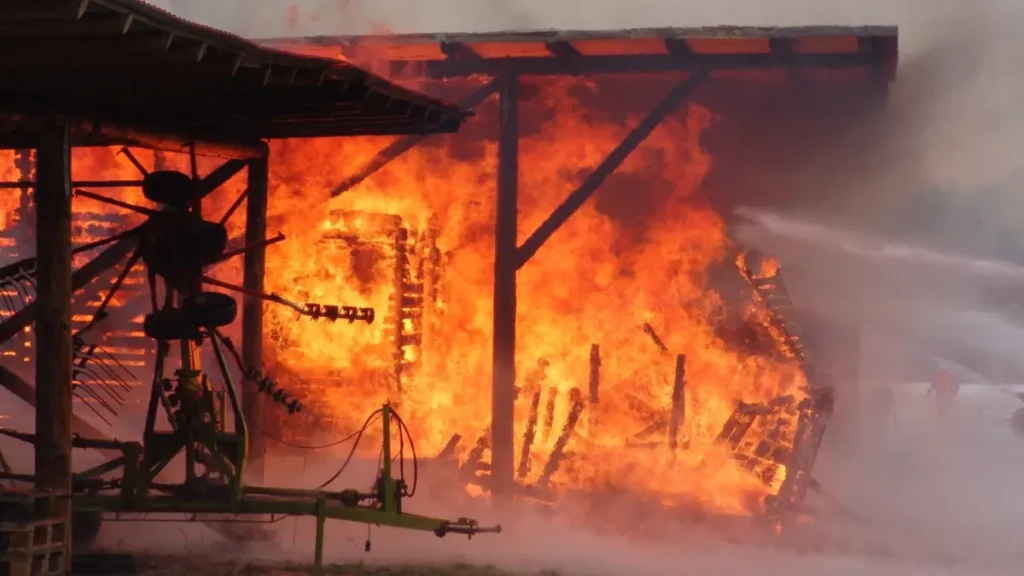
A lot of people see a huge number of fire trucks and think, “Was it really that big?”
Yes — and here’s why.
Freeport and surrounding Nassau County towns follow a mutual-aid system. When a fire has even the slightest chance of spreading, multiple departments are called instantly. Houses here are built close together, and older wiring in some neighborhoods increases risk.
So when you hear “75 firefighters and nine departments,” it’s not an exaggeration — it’s a safety strategy.
The more hands on scene:
- The faster the fire is contained
- The less chance it spreads to nearby homes
- The safer it is for search teams
- The quicker families can be accounted for
If anything, this response tells me the system worked exactly the way it’s supposed to.
By the way, if you like staying updated on local safety alerts and community incidents, there’s a WhatsApp channel many people follow for quick updates. It’s been helpful for staying informed when something serious happens nearby.
Safety Takeaways — What You Can Learn From This Fire
Whenever I hear about a house fire like the one in Freeport, I can’t help but think about how unprepared most of us really are. We assume it won’t happen to us… until it does. And I don’t say that to scare you — I say it because the families on Woodbine Drive probably felt the exact same way just hours before they lost their home.
Here are a few things this fire reminds me of, and maybe they’ll get you thinking too:
• Check your smoke alarms. If they’re not working, you won’t know there’s a fire until it’s too late. Most people forget to test them even once a year.
• Look at your outlets and wiring. Older homes in Nassau County often have overloaded circuits. If you see flickering lights or smell something odd, that’s a warning sign.
• Be careful with heaters and appliances. Winter always brings a spike in house fires because people plug in space heaters or leave appliances running unattended.
• Have an escape plan. It sounds basic, but most households don’t have one. You don’t want to be figuring out exits in the middle of smoke.
I’m telling you this because someone reading this right now will remember it at the right time — and it could save their home or their life.
Recent Fire Incidents on Long Island — Why This Isn’t an Isolated Case
When I started comparing the Freeport fire to other recent incidents across Long Island, a pattern stood out. This wasn’t a one-off. Over the past few weeks, there have been several house fires in Nassau and Suffolk — some with injuries, some thankfully without.
You’ll notice a few things:
- Many fires start in older homes
- Electrical issues and heating equipment are common triggers
- Multiple departments are usually called because houses sit close together
- Winter months always bring an increase in fire calls
What that tells me — and what it should tell you — is that the risk isn’t limited to one neighborhood. Fires like this Freeport one can happen anywhere across Long Island, especially during colder months.
I’m not listing these to create fear, but to give you context. When you see a big response like this one, it’s not because the fire was uniquely dangerous — it’s because firefighters have seen how fast a “small fire” can turn into a tragedy if they don’t move fast.
Just recently, a fire in Marion claimed the lives of a 4-year-old child and a 72-year-old woman, showing how unpredictable and devastating these incidents can be.
This context also gives your mind a simple shift: If it’s happening often in your area, you should be more mindful at home.
What Happens Next — Investigation, Recovery, and Community Support
Now that the fire is out and the families are safe, the next phase begins — and it’s never easy. The investigators will go through the property piece by piece, trying to understand what sparked the fire. Sometimes these answers come fast; sometimes they take weeks.
For the families, this is the hardest stretch. They’ll be sorting out temporary housing, replacing essentials, dealing with insurance, and trying to keep daily life stable — especially with kids involved. That’s why the Red Cross and local volunteers make such a huge difference right now.
If you live in or near Freeport, you might be wondering, “How can I help?” And honestly, even the smallest gesture matters. Donating clothes, toys, or household items… offering storage space… or simply checking if someone needs a hot meal — it all counts.
As updates come in from the Fire Marshal, the picture will get clearer. Until then, the focus stays on helping the families rebuild their routines and their sense of normal.
And before we wrap up this section, let me ask you something: When you hear about fires like this, does it make you think about your own home’s safety? Or does it still feel distant until it hits closer to home?
If you found this breakdown useful, you can follow our updates on X and Facebook — I share real-time incident alerts, safety notes, and local reports there.
Disclaimer: The information in this article is based on official reports available at the time of writing. Details may change as investigators release new updates. Readers should follow guidance from local authorities for the most accurate and current information.