Maryland Family Displaced After House Fire
When I first read the MCFRS update about the fire on Beallsville Road, the part that hit me the hardest wasn’t the flames or the historic farmhouse burning — it was the simple line: “a family is without a home.” You never expect something like this to happen on a quiet Sunday evening, but that’s exactly how fast life can flip.
According to fire officials, the call came in around 4:15 p.m. Smoke was already pouring out of the 1897 two-story farmhouse by the time crews arrived. Nearly 60 firefighters had to respond — which tells you the fire wasn’t small or slow. Older homes burn differently. They burn faster, hotter, and in ways you don’t always see coming.
The family managed to get out safely. The homeowner even tried to fight the fire themselves before crews arrived, which earned them a minor injury and a big scare. But once the flames reached the first-floor office and pushed into the floor above, the house couldn’t be saved. MCFRS later called the damage “extensive,” and footage showed the back of the home practically gutted.
Right now, investigators believe the fire was accidental. That’s often how these things start — one small moment, one spark, one heat source you barely notice. But the impact stays with you. A home built in 1897, full of history and memories, is now unlivable. And a family is figuring out their next steps.
If you were in their place, what would be the first thing you’d worry about — the loss, the safety, or the uncertainty of where to go next?
How the Fire Unfolded — From the First Call to the Final Knockdown
When I checked the official MCFRS Facebook update, the timeline stood out immediately. The first 911 calls started around 4:15 p.m., and by the time firefighters pulled up to the property, smoke was already pushing out of the farmhouse. That usually means the fire had a head start before anyone noticed it.
Close to 60 firefighters were sent in. That’s not a routine number — that’s the kind of response you see when crews know the structure is old, the fire is spreading fast, or both. And here, all signs pointed to a race against time.
Crews found flames inside the first-floor office, and by then, heat had already climbed into the second floor. Vertical spread is common in older homes because there are hidden cavities behind walls and floors that act like fire highways.
Firefighters knocked it down from the outside. You don’t do that unless the interior is too compromised or too dangerous to enter. And in a house from 1897, floors and beams give way fast.
If you’ve ever wondered how quickly a “small fire” becomes a full-blown emergency, this one is a perfect example. Minutes matter — and in older homes, even seconds matter.
The Damage to the 1897 Farmhouse — Why the Structure Stood No Chance
DC News Now reports that words alone don’t capture: the entire back side of the house was torn open. You could see the scale of destruction, and it was clear the fire hit the core structure hard.
When you hear that a house was built in 1897, you probably imagine charm, character, old wood, handmade beams — and you’re right. But those same features turn into fuel in a fire. Dry timber from the 1800s burns quicker than most people expect. There’s no fire-resistant drywall. No modern insulation. No fire-blocking features.
That’s why the damage was labeled “extensive.” And honestly, looking at the images, that might even be an understatement.
Older wiring, older materials, and decades of repairs make these homes unpredictable during fires. Firefighters know that. That’s why the response was so large and so urgent.
If you live in an older home yourself, this kind of incident forces you to rethink what “historic charm” really means when a fire starts inside it.
We’ve seen similar large-scale destruction before, like the North Fort Myers fire where several pets were tragically lost and the home was heavily damaged.
The Human Side — A Family’s Escape and What It Really Costs
What sticks with me most is imagining the moment the homeowner tried to fight the fire alone. MCFRS confirmed they ended up with minor injuries. And honestly, that detail says a lot about how people react when their home is on the line — you don’t think, you just try to save what you can.
Every person inside the house made it out safely. No major injuries. On paper, that sounds like a relief. But when you walk out of a burning home with nothing but the clothes on your back, the emotional hit is huge.
A home isn’t just rooms and walls, especially one that’s been standing since the 1800s. It carries memories, family photos, things you can’t replace no matter how much insurance pays. And now, that family has to figure out shelter, essentials, and next steps — all in the middle of shock.
If you imagine yourself stepping out into the yard, watching the home you grew up in or worked on or loved burn from the inside out… it’s not something you just bounce back from.
A similar moment played out in California when firefighters rescued a woman and her dog from a fast-moving home fire — a reminder of how quickly situations turn.
What We Know About the Cause — and What Investigators Will Look For
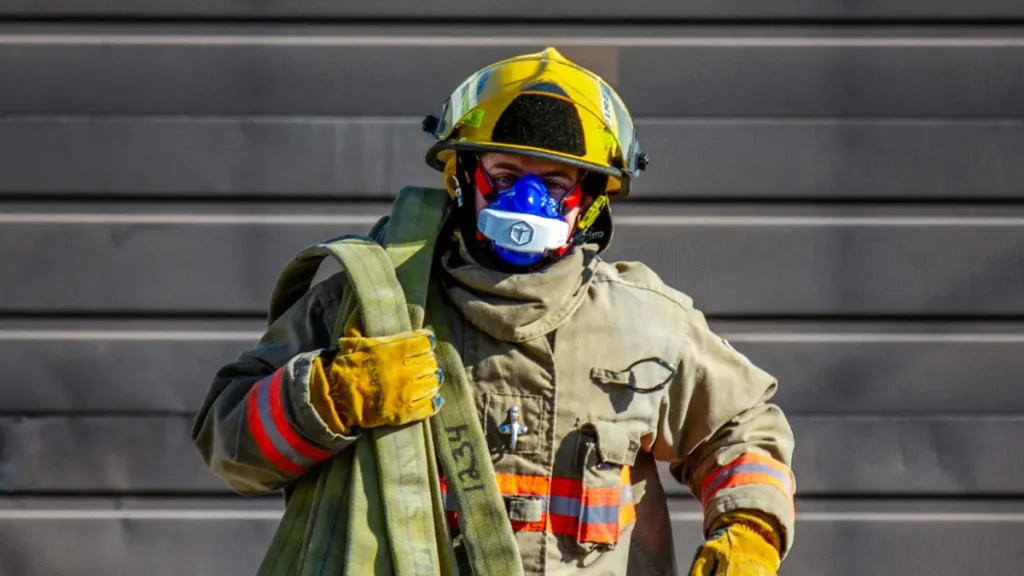
Fire officials say the cause is believed to be accidental. That usually means one of three things:
an electrical failure, a heat source left running, or something in the room that ignited without warning.
Because the fire started in a first-floor office, investigators will go through anything electrical — outlets, cords, power strips, chargers, lamps, space heaters. Offices tend to have overloaded sockets, tangled wires, and older power setups. It doesn’t take much for something small to spark.
Investigators will also check burn patterns, where the fire burned hottest, and whether the fire traveled along wiring or structural voids. If you’ve ever seen investigators work, you know they piece the story together like detectives.
For now, “accidental” is a reminder that not every fire starts with something dramatic. Most begin in the everyday corners of our homes — the places we don’t think twice about.
Just recently, in Middleton, every resident managed to escape a house fire safely as well — a case authorities highlighted for the same reason.
How Common Maryland House Fires Actually Are — And Why This Incident Isn’t Rare
Once you look at Maryland’s fire data, this incident feels less like an isolated tragedy and more like part of a bigger pattern. Maryland reports hundreds of residential fires every year, and many of them start in older homes where outdated electrical systems and aging materials increase the risk.
According to federal fire data, Maryland sees multiple injuries and deaths each year, with residential structures making up a major share of serious fire incidents. Montgomery County, especially its rural and historic areas, has a history of fast-spreading fires because homes are older and farther apart.
National trends match this too — cooking, heating equipment, and electrical issues lead the charts. None of these causes sound dramatic. They sound normal. And that’s the real problem.
When you read about a farmhouse from 1897 burning because a small fire got out of control, it’s easy to think, “that’s rare.” But the truth is, fires like these happen far more often than people realize.
And most families never think about it until the night everything changes.
Why Older Homes Like This 1897 Farmhouse Face Higher Fire Risk?
Whenever I see a fire in a home built in the 1800s, I already know the odds were stacked against it. These structures weren’t built for modern electrical loads, modern appliances, or modern fire behavior. They’re beautiful, but they come with risks most homeowners never think about.
Old wiring is one of the biggest problems. Even if you update parts of it, there are always lines inside walls, ceilings, and hidden beams that haven’t been touched in decades. One small fault is enough to ignite dry wood that has been aging for more than a century.
And that dry wood? It burns fast. Faster than most modern materials. In fact, older timber, after 100+ years of drying, can light up like kindling. Add in the lack of fire-blocks and hidden gaps in the structure, and a fire can climb through the house before anyone realizes what’s happening.
Sprinklers are another big difference. New homes in Maryland usually require them. Historic homes like this one do not. So once flames get a head start, there’s nothing inside the house to slow them down.
If you live in an older home, I’m not telling you to fear it. But you should respect how easily fire can spread inside it. A home from the 1800s needs more attention, more inspections, and more precautions than people assume.
Community Response — Fire Officials, Social Posts, and How People React
What I appreciate about Montgomery County is how quickly fire officials get information out. The MCFRS updates on incidents like this don’t just inform people — they remind the whole community how unpredictable home fires can be.
Whenever I read the reactions under these posts, there’s always a mix of shock, sympathy, and that uneasy feeling of “this could happen to anyone.” And honestly, that’s true. Fires like these aren’t caused by carelessness most of the time — they’re caused by everyday life.
Communities usually rally around families after incidents like this. Neighbors offer temporary support, friends step in, and local groups help with clothes, essentials, and housing options. It’s one of the few good things that comes out of a tragedy like this — people show up for each other.
But the bigger response is internal. Every time a fire like this hits social media or local news, homeowners take a second look at their own homes. They check alarms, check outlets, rethink old habits. It’s sad that it takes someone else’s loss to spark awareness, but sometimes that’s how change starts.
Safety Lessons Every Maryland Homeowner Should Take Seriously
If there’s one thing this incident teaches, it’s that fires don’t wait for the “right” moment. They start in the rooms we use every day — offices, kitchens, basements — without warning.
And I’ve seen the same pattern too many times:
People try to fight the fire themselves. They lose seconds. The fire wins.
If you remember just one thing from this section: your life and your family come first, not the house. Call 911 and get out. Everything else comes later.
Older homes especially need regular electrical checks. Even if everything “looks fine,” wiring behind the walls could be decades old. Most electricians will tell you that office rooms, basements, and kitchens are the biggest problem spots because of overloaded outlets and old circuits.
Smoke alarms sound basic, but they save more lives than any other device. Put them in every sleeping area, hallway, and level of your home. And test them monthly — not yearly, monthly.
If you can, consider installing sprinklers or at least having fire extinguishers placed strategically. People think sprinklers are a big renovation job, but there are retrofit options now that don’t require tearing apart walls.
These aren’t big changes. They’re small habits that save lives when you least expect it.
If you prefer getting quick safety alerts and verified local fire updates, there’s also a WhatsApp update channel many homeowners follow to stay informed in real time.
What This Fire Reminds All of Us?
Every fire tells a story. This one tells you how fast life can shift from normal to devastating in just a few minutes. A family walked away with minor injuries — but they walked away without a home. And when a house stands for more than a century, losing it feels like losing a piece of history.
But fires like this also remind you that preparedness isn’t optional. It’s the one thing you can control before anything goes wrong. You don’t need fear — you need awareness. You need simple habits that keep your home safe, especially if you live in an older structure.
If you’re reading this right now, ask yourself one honest question: When was the last time you checked your smoke alarms, wiring, or escape plan?
Most people don’t think about it until it’s too late.
Final Thoughts — And a Simple Reminder for You
When I look at what happened in this Montgomery County farmhouse, I don’t just see a news story. I see a reminder that home fires aren’t dramatic movie moments — they’re quiet, fast, and usually start in the middle of an ordinary day.
This family did a lot right. They got out. They called for help. They didn’t hide the incident; they let investigators figure out what went wrong so others could learn from it. Not everyone gets that chance.
My takeaway is simple: you don’t need to overhaul your life to stay safer — you just need to stay aware. Check alarms. Watch for overloaded outlets. Don’t ignore old wiring. And if something feels “off,” call a professional instead of hoping it goes away on its own.
Your home doesn’t need to be perfect. It just needs to be prepared.
So before you close this article, let me ask you one thing — What’s one fire-safety task you’ve been putting off that you can take care of today?
If you want to read more real-life fire incidents and safety-focused stories, you can explore our Home Incidents section for detailed updates.
Disclaimer: This article is based on publicly available information from official sources and news reports. Details may change as authorities release updated findings. Readers should not rely on this content for emergency guidance or legal advice.