Safe and Legal Steps to Prevent a Neighbor’s Security Camera From Peering Into Your Property
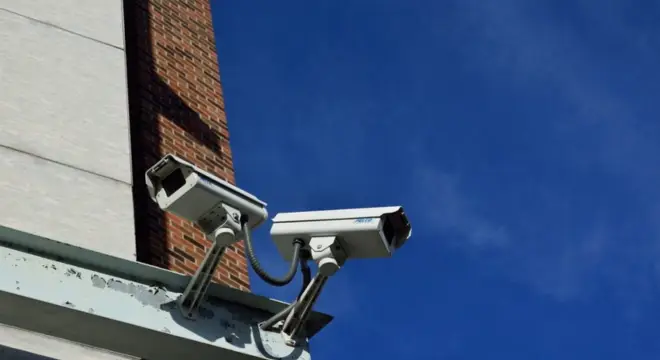
I’ve had neighbors ask me about this countless times, and honestly, it’s a question that trips up a lot of homeowners. When you think about blocking a camera, it’s tempting to grab whatever tool you can—laser pointer, spray paint, or even an LED flashlight. But here’s the reality: that camera is someone else’s personal property. Interfering with it can quickly move from a “privacy fix” into a legal problem.
You see, most forms of direct interference—like blinding cameras with lights, cutting wires, or hacking into them—are considered illegal. You could face criminal charges, civil lawsuits, or both. Even if your intention is simply to protect your privacy, the law doesn’t always see it that way. That’s why understanding your local regulations is crucial before you try anything.
So what does this mean for you? It means you need a careful, legal-first approach. Talk to a legal professional if necessary, know what your rights are, and focus on strategies that protect your privacy without crossing any boundaries. In my experience, the best solutions are often preventive and non-confrontational—they let you reclaim your space without creating new problems.
Have you ever noticed how much easier it is to deal with a camera problem when you know the rules first? That awareness alone can save a lot of stress down the line.
First Step — Understand Your Situation
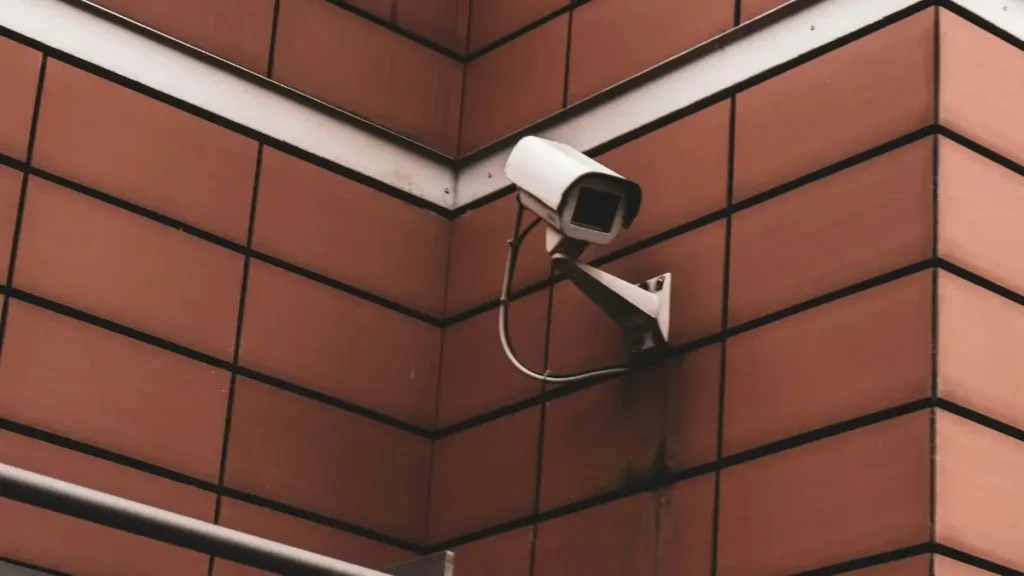
Before you jump into blocking anything, you need to step back and understand exactly what you’re dealing with. I always tell homeowners: ask yourself why the camera is bothering you. Is it truly invading your private space, or is it just pointed in a general direction? Many times, the problem isn’t the camera itself—it’s the owner watching, intentionally or not.
Start by observing the camera. Is it real, or could it be a dummy? Many homeowners install fake cameras just to deter intruders. Look for telltale signs like IR lights at night or visible wiring. You’d be surprised how often a “threatening” camera is actually harmless.
Also, check whether the camera is on at all. Some neighbors turn cameras off during the day or only record certain areas. If it’s not actively monitoring your property, you might not need to do anything.
Another tip: review your own property setup. Where are windows, doors, or sensitive areas relative to the camera? Mapping this out gives you a clearer picture of potential exposure. For tech-specific guidance, Reolink explains how to use privacy masking to blur out sensitive areas in your own cameras, which can also help you understand how cameras perceive spaces.
Understanding your situation first saves you time, stress, and potential legal trouble. You’ll know whether action is really necessary—or if simple observation is enough.
Identify Camera Blind Spots
Not all cameras see everything. In fact, most have blind spots you can leverage without touching a thing. I’ve noticed that homeowners often assume a camera covers a full 180 or 360 degrees, but many fixed cameras cover only a narrow angle.
Spend a few days watching the camera’s movements. Note if it pans or tilts (PTZ functions) and where it doesn’t reach. Even small blind zones near your windows or backyard corners can be a safe haven.
The advantage here is huge: if you discover your private areas fall into these blind spots, you can breathe easier. No wires, no laser pointers, no confrontation—just smart observation.
Knowing blind spots isn’t just about avoidance; it’s about control. You’ll be able to plan any further steps with precision, focusing only on areas that truly need protection.
Talk to the Neighbor
Honestly, I’ve found this is the most overlooked step. You’d be surprised how often a simple conversation solves 80% of camera conflicts. Many neighbors are completely unaware that their camera is pointing into your private space.
Approach them politely. Explain how the camera makes you feel, and ask if they can reposition it or adjust the angle. Sometimes just opening up a dialogue removes tension and prevents escalation.
I always suggest keeping the tone friendly but firm. Remember: this isn’t about confrontation—it’s about reclaiming your privacy without creating enemies. Even if the neighbor disagrees, having the conversation documented can help if you need to escalate later.
Seek Mediation
If talking doesn’t work, mediation can be your best friend. Community justice programs or neighborhood mediation centers exist precisely for disputes like this.
A trained mediator can help both sides understand the problem and reach a solution without conflict. In many cases, a short mediation session leads to repositioning the camera or establishing a clear privacy agreement.
Mediation works especially well when a neighbor is stubborn or the relationship is tense. You stay within legal bounds, avoid risky DIY hacks, and often resolve the issue faster than legal action would allow.
Physical Barriers — Trees, Fences, Curtains, and Screens
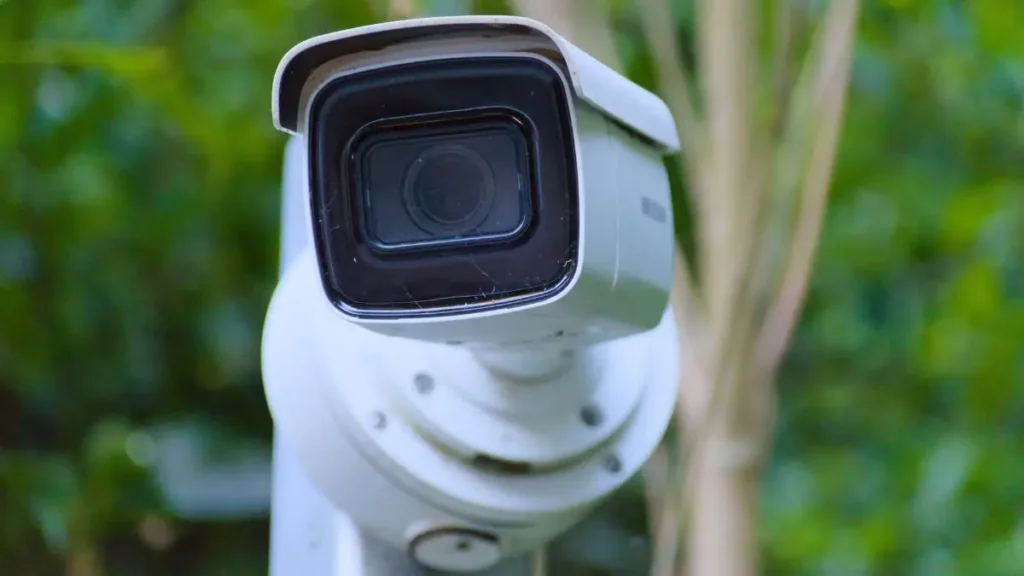
When legal and conversational options aren’t enough, physical barriers are a simple, safe, and highly effective approach. I’ve helped homeowners plant tall shrubs, bamboo screens, and trellises that block unwanted camera angles. Curtains or window shades inside your home also work wonders without touching anything outside.
Even inexpensive measures like yard sails, cloth flags on posts, or decorative panels can obstruct a camera’s view. The beauty of physical barriers is that they are legal, safe, and permanent—no one gets upset, and no laws are broken.
Planting trees or installing a fence isn’t just about hiding from cameras—it also adds aesthetic value, privacy, and peace of mind. And remember, sometimes the easiest solution is doing nothing if the camera isn’t really capturing anything sensitive.
Use Objects to Confuse Cameras
Sometimes, the simplest solutions are the smartest. Many modern cameras have motion detection, which means they only record when something moves. You can use this to your advantage without breaking the law.
I’ve seen homeowners place moving objects like flags, windmills, or even garden ornaments in areas visible to the camera. When the camera records only these harmless movements, the owner often loses interest in monitoring that space.
The key here is subtlety. You’re not damaging the camera—you’re redirecting its attention. It’s a legal, safe way to protect your privacy while sending a clear message that your property shouldn’t be surveilled unnecessarily.
Do Your Research Online and Know Your Rights
Knowledge is power, and it’s one of the best tools in your privacy toolkit. Look up forums, read articles, and check out local privacy laws. Understanding what your neighbor can legally do and what constitutes an invasion of privacy gives you leverage.
For example, if a camera is capturing your backyard or windows in ways prohibited by local law, you’ll know exactly what steps to take. You can approach your neighbor with facts instead of feelings—and that often leads to better results.
I always recommend bookmarking reliable sources and keeping notes. It’s amazing how much peace of mind you gain just by knowing your legal boundaries and options.
If you want quick tips and real-life privacy hacks delivered straight to your phone, there’s a handy WhatsApp channel sharing practical updates for homeowners. It’s easy to follow and keeps you informed.
Install Your Own Cameras Legally
If your neighbor is intentionally intrusive, sometimes the best response is defensive. Installing your own cameras legally on your property can protect your home and keep you informed about what’s happening.
I suggest placing cameras high up—like attic vents or high poles—so you capture the space around your property without invading your neighbor’s privacy. PTZ cameras are great because you can monitor only what you need.
This approach achieves two things: you regain control over your space, and you send a clear signal that your property is private, without breaking any laws. It’s a proactive solution that’s both practical and respectful.
When thinking about adding your own cameras, it’s worth reading whether doorbell cameras are really worth it for home security—this can help you decide what’s best for your home setup.
Consult a Lawyer or Police When Necessary
Sometimes, even all the polite conversations, mediation, and smart setups aren’t enough. If a camera crosses the line into voyeurism, harassment, or clear invasion of privacy, it’s time to bring in professionals.
I always tell homeowners: documenting the issue first makes your case stronger. Take photos, note times, and keep track of interactions. Then consult a lawyer who understands local privacy laws, or reach out to local authorities.
This isn’t about escalation for the sake of conflict—it’s about protecting your home, your privacy, and your peace of mind. Knowing when and how to involve legal professionals can prevent small problems from turning into huge headaches.
Long-Term Privacy Planning and Future-Proofing
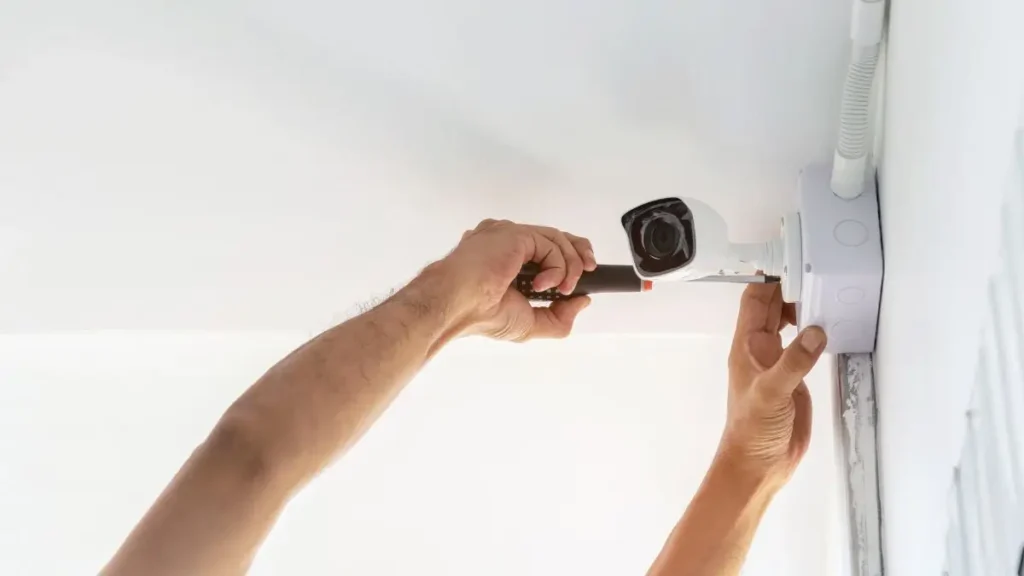
Once you’ve addressed immediate concerns, it’s worth thinking ahead. I always tell homeowners that privacy is an ongoing process, not a one-time fix.
Start by designing your property with privacy in mind. Window placement, fences, and landscaping can all create natural barriers that protect your home from unwanted surveillance. Tall shrubs, trellises, and bamboo screens don’t just block cameras—they also enhance your outdoor space.
It’s also smart to anticipate future camera technology. AI-powered cameras, wide-angle lenses, and automated motion tracking are becoming common. Planning with these advancements in mind—like placing privacy screens strategically—keeps your home protected even as technology evolves.
Long-term planning isn’t just practical—it’s empowering. You’re taking control of your privacy in a way that’s safe, legal, and sustainable.
Planning your home’s long-term privacy? Consider the best spots for security cameras to ensure you have coverage where it matters most, while keeping your private spaces secure.
Ethical and Social Considerations
Here’s something I always emphasize: your relationship with your neighbors matters. Protecting your privacy doesn’t have to come at the cost of conflict.
Approach the situation with empathy. Sometimes neighbors aren’t aware of how intrusive their cameras feel. A polite conversation or mediation can prevent misunderstandings and maintain good relations.
Documenting your actions is also important. Keep notes of conversations, observed issues, and any preventive measures you take. This not only protects you legally but also shows your neighbor that you’re handling the situation responsibly.
Remember, privacy isn’t just about technology—it’s about trust, boundaries, and respect. A calm, thoughtful approach goes a long way.
Summary and Action Plan
Let’s bring it all together. If you’re dealing with a neighbor’s camera:
- Understand your situation — Identify what the camera sees, whether it’s real, and your legal boundaries.
- Observe blind spots — Use them to your advantage.
- Talk first — A polite conversation often resolves most issues.
- Seek mediation — If dialogue fails, involve community mediators.
- Use physical barriers — Trees, fences, curtains, and screens work wonders.
- Confuse cameras legally — Moving objects, subtle distractions.
- Research your rights — Know what’s legal in your area.
- Install your own cameras — Protect your property while staying within the law.
- Consult a lawyer or police — For serious invasions or harassment.
- Plan long-term — Design, landscaping, and tech foresight.
- Maintain ethical approach — Respect neighbors, document everything, stay calm.
By following these steps, you’re protecting your privacy, staying legal, and keeping peace with your neighbors.
Here’s a question for you: Have you ever noticed a camera that made you uncomfortable? How did you handle it, and what worked best for your privacy? I’d love to hear your experiences in the comments or discussion below.
Want more tips on home security and privacy? Check out our guides on our Home Security section.
Disclaimer: This article is for informational purposes only and does not constitute legal advice. Laws regarding security cameras and privacy may vary by location. Always consult a qualified legal professional before taking any action.