How Often Homeowners Should Refresh Exterior Paint for Best Protection
When you look at your home from the street, you can usually tell when the paint isn’t holding up anymore. Maybe the color looks a little dull. Maybe the trim has a few cracks. Or maybe you’re wondering if it’s time for a fresh coat because it’s simply been a few years. I’ve met hundreds of homeowners who ask the same question: “How often should I repaint my house exterior?” And the honest answer is never a simple number.
Exterior paint doesn’t age on a timer. It ages based on what your house is made of, how well the last paint job was done, the weather around you, and how much care the surface gets over the years. Some homes look tired in four years. Others stay sharp for more than a decade. So instead of giving you a generic “5 to 10 years” rule like most websites do, I want to show you what actually affects paint life, what signs you should look for, and how you can avoid repainting too early—or too late.
By the time you finish this guide, you’ll have a clear sense of what’s happening on your own walls, not someone else’s. And you’ll be able to make a confident, informed call about whether your home needs a refresh or just a bit of maintenance.
What’s the last thing you noticed about your exterior paint—fading, peeling, or nothing at all?
Typical Lifespan of Exterior Paint
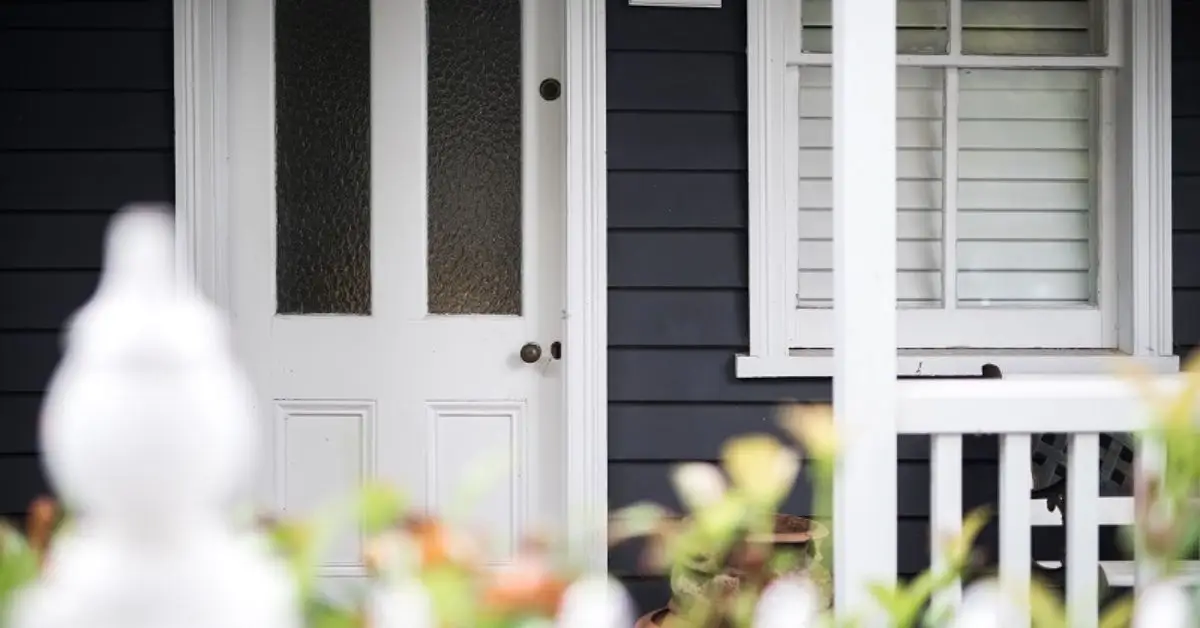
When people ask me how often they should repaint, I usually start with the range you’ll hear from most professionals: about five to ten years. It’s a wide range, I know, but it exists for a reason. Some homes live under strong sun, some under humidity, some get washed by storms every season. Your paint ages with your environment.
When the previous paint job was done well—proper prep, good primer, quality exterior paint—you can often push closer to the seven-to-ten-year mark. Homes in mild or balanced climates naturally sit on the longer end too.
But here’s the part many homeowners miss: this guideline isn’t a guarantee. It’s a starting point. Once you understand what your home is made of, the real picture becomes a lot clearer.
Variation by Siding or Exterior Material
Let me be blunt: your siding material matters more than the calendar. I’ve seen neighboring houses painted in the same year age completely differently just because one had wood siding and the other had fiber cement. If you want a realistic repaint schedule, here’s how different surfaces behave:
- Wood Siding: Wood breathes, expands, and contracts, which stresses the paint. That’s why you often see repainting needed in 3–7 years. Homes with strong sun exposure or moisture-heavy surroundings tend to hit the lower end.
- Stucco: A bit more stable than wood, but still prone to hairline cracks and moisture issues. Most stucco exteriors fall in the 5–10 year window. A well-sealed surface holds up longer.
- Fiber Cement (Cement Board) Siding: This is one of the toughest materials you can have. It doesn’t shift much with temperature changes, so paint stays intact longer—usually 10–15 years before you need a fresh coat.
- Painted Brick or Masonry: When prepped and primed correctly, brick can hold paint surprisingly well. You’ll often see lifespans of 15–20 years, especially if the climate isn’t too extreme.
- Vinyl or Aluminum Siding: These don’t degrade as fast as wood, but they fade over time. Most homes land in the 5–10 year range, though a good prep job can stretch that slightly.
What I want you to take away is simple: material first, timeline second. Once you know what surface you’re dealing with, figuring out your repaint schedule stops being a guess—and becomes more of a plan.
If you had to place your home in one of these categories, which one fits best?
What Influences How Long Paint Actually Lasts — Variables to Watch
Surface Preparation and Paint Job Quality
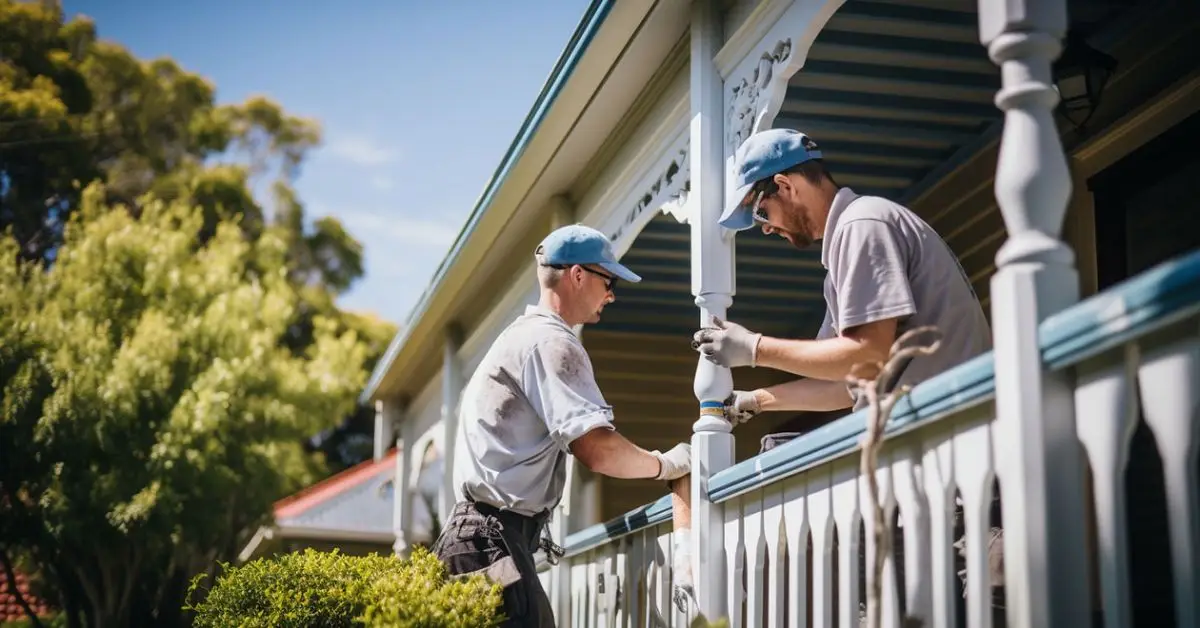
I’ve seen exterior paint fail early more times than I can count, and it almost always comes back to one thing: prep. When the surface isn’t cleaned, scraped, primed, or sealed the right way, the paint never bonds properly. And that’s when you start seeing peeling in three to four years, no matter how good the paint brand is.
If you want a clear expert explanation, here’s a solid one from Paint Heroes.
Climate, Weather, and Environmental Exposure
Your climate works on your paint every single day. Strong sun, humidity, heavy rain, coastal air, and freeze–thaw cycles all speed up wear and tear. Homes in milder regions naturally stretch closer to the upper end of the lifespan range, while homes in harsh climates fade much sooner.
Even the color you choose makes a difference. Dark shades absorb heat, fade quicker, and show aging earlier. Light colors reflect more sunlight and stay stable longer.
For a simple overview of general repaint expectations, you can check Homes & Gardens.
Maintenance and Periodic Care
Exterior paint isn’t something you can forget about for a decade. Quick yearly checks, washing off dirt, and caulking small cracks can extend the life of your paint by years. Most major paint failures begin as tiny issues — things you can fix in minutes if you catch them early.
Good maintenance protects the paint and the home underneath it. If you want simple ways to protect your paint between major projects, I also put together a guide on how to clean scuff marks without damaging the finish, which helps your paint last longer.
When to Actually Repaint — Signs It’s Time, Not Just a Calendar
Visual and Structural Cues — What to Look For
Your home usually tells you it needs a new coat long before the damage becomes obvious. If you watch for these early cues, you can repaint at the right time instead of waiting for a calendar reminder.
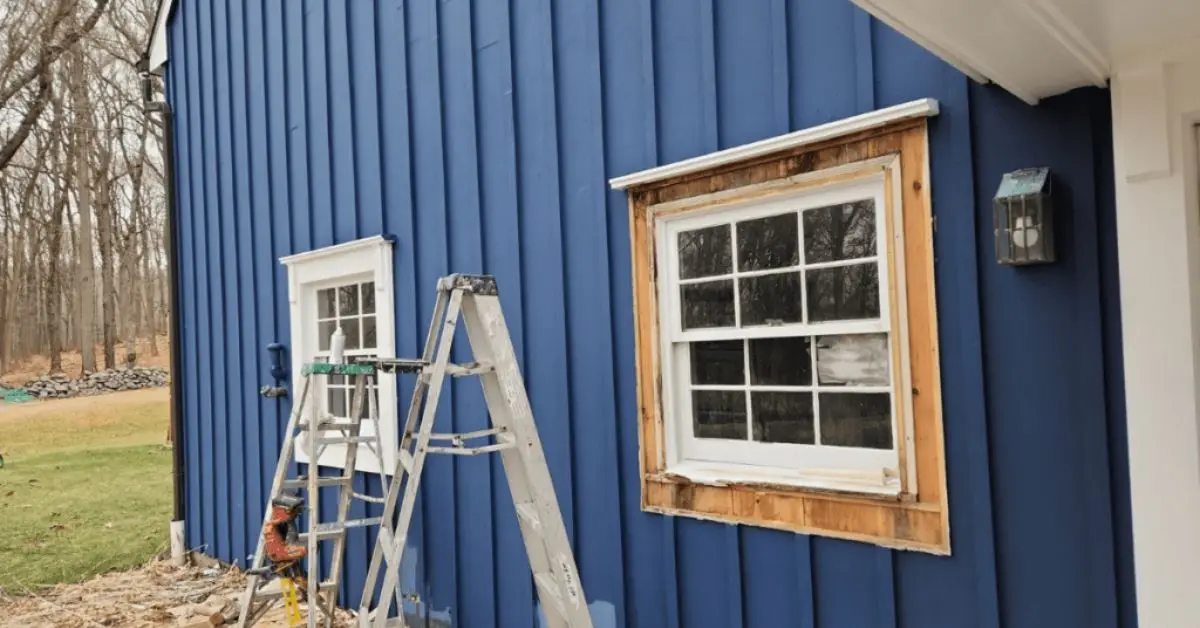
- Peeling, bubbling, cracking, or flaking paint: These are clear signs the paint film has stopped protecting the surface and moisture has started creeping in.
- Fading or uneven color: When the shaded sides begin to fade too, it’s a strong indicator the protective layer is wearing out.
- Cracked caulk around doors, windows, or trim: Once caulk breaks down, water gets a direct path into the siding, which often signals it’s time to repaint and reseal.
- Mold, mildew, or moisture stains: If these keep returning after cleaning, the surface coating is no longer resisting humidity or rain.
This matters because repainting shouldn’t be based on a fixed year count. Your home’s condition tells the real story.
Why Delaying Repainting Can Backfire
When you wait too long, the damage doesn’t stop at the paint layer. Moisture starts affecting the siding underneath — wood can swell or rot, stucco can crack, and even masonry absorbs more water than it should. These repairs cost far more than a routine paint job.
Delaying also affects the look of your home. A fading or worn exterior pulls down curb appeal and can make the whole property feel neglected.
Repainting on time keeps the structure protected and the home looking cared for. If you’re thinking about refreshing both the exterior and the inside of your home, you might also like my breakdown of paint colors that can unintentionally make small rooms feel tighter—and what to use instead.
Special Considerations for High-Stress Climates and Unique Environments
Certain regions push exterior paint far harder than others. If you live in one of these climates, your repaint timeline will naturally be shorter.
- Hot, sunny, or humid climates: UV damage and constant moisture accelerate fading, mildew, and surface breakdown. Wood may last 3–5 years, stucco about 5–7 years.
- Monsoon or heavy-rain regions: These areas test every weakness in paint. If the coating isn’t moisture-resistant or properly sealed, it ages quickly.
- Coastal zones with salt air: Salt is tough on paint and tends to wear coatings down faster, so coastal homes often need more frequent repainting.
- Extreme winter or freeze–thaw cycles: Repeated expansion and contraction stress the paint film and lead to early cracking.
- Mixed-material homes: Different surfaces age at different speeds. Wood may need attention long before brick or masonry.
When you choose products suited to your environment — strong primers, climate-specific exterior paints, and breathable coatings for stucco or masonry — the difference in longevity is noticeable. And if you want a quick example of how climate affects repaint timing, MJK Loss explains it well in their guide on exterior paint cycles.
Practical Strategy — How to Build Your Own Repaint Plan
Step 1: Assess Your Home’s Exterior Material and Previous Paint Quality
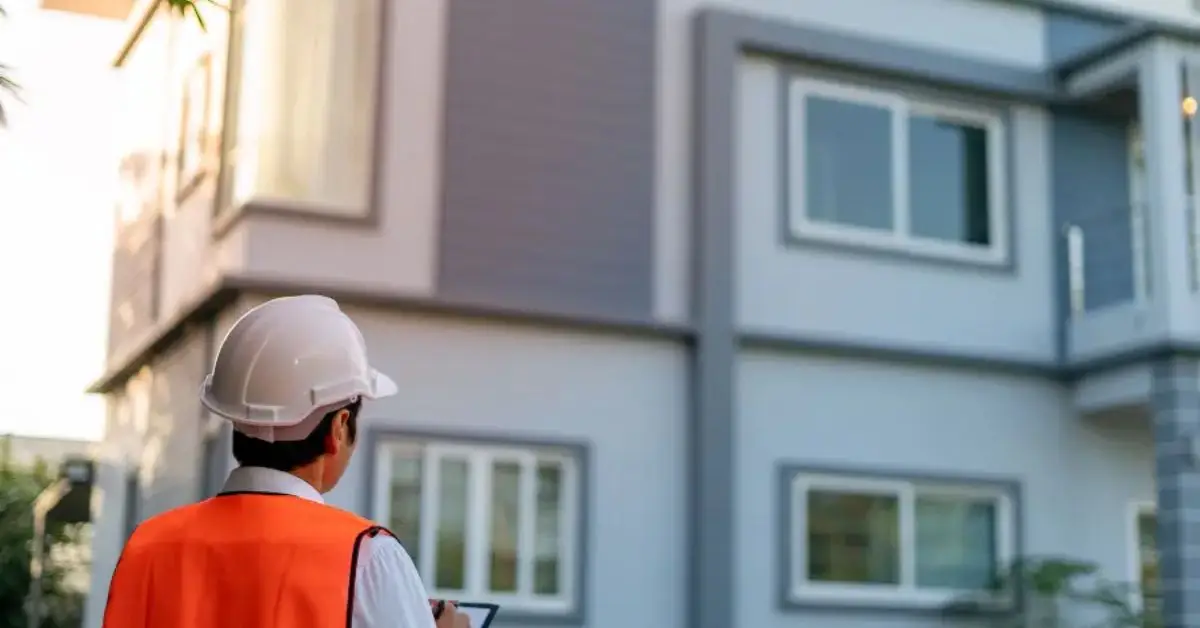
Start by identifying your siding material and gathering any details about the last paint job. Note the year it was painted, whether the preparation was thorough, and if you know the type or brand of paint used. This baseline helps you estimate how long the coating is likely to last.
While you’re checking your exterior, you might also notice a few indoor surfaces you’ve been overlooking—here’s a quick list of hidden spots around your home that often need a fresh coat.
Step 2: Watch for Warning Signs Instead of Following a Calendar
A strict schedule can mislead you. Instead, use real conditions to guide your decision. Look for peeling, fading, mildew, cracked caulk, or chalky surfaces. These visual cues are far more accurate than waiting for a preset number of years.
Step 3: Maintain Regularly with Cleaning and Small Repairs
Routine care makes a big difference. Light washing, touching up chipped areas, and maintaining caulk around trim can extend the life of your exterior paint and delay a full repaint.
Step 4: Repaint Surface by Surface If You Have Mixed Materials
Homes with wood, brick, stucco, or masonry may not age at the same pace. This means you don’t always need to repaint the entire exterior. Focusing on the most vulnerable surfaces first can be cost-effective.
Step 5: Choose Quality Exterior Paint and Proper Prep for Your Climate
Good paint, solid primer, and correct application matter more than people realize. Climate-appropriate products—especially in harsh or humid regions—add years to your paint’s lifespan.
Quick Checklist — When to Plan for a Fresh Coat (Your Home’s “Paint Health” Scorecard)
Use this simple scorecard to evaluate your exterior:
- Exterior material identified and last paint date noted
- Proper prep and primer used last time
- Any peeling, flaking, or cracking present
- Color fading, discoloration, or chalking visible
- Moisture, mildew, or water stains detected
- Cracked or failing caulk around windows, doors, or trim
- Surface exposed to strong sun, heavy rain, or humidity
- Exterior cleaned or pressure-washed recently
If you check more than two or three boxes, it might be time for repainting or at least a professional inspection. This checklist turns guesswork into a clear evaluation method.
Final Thoughts — Balancing Protection, Cost, and Curb Appeal
Repainting isn’t just about improving how your home looks. It’s part of protecting the structure, preventing moisture damage, reducing long-term repair costs, and maintaining property value. A condition-based approach is more reliable than following a set schedule, ensuring your home stays strong, efficient, and appealing year after year.
If you found this helpful, share your questions or your home’s paint concerns in the comments. And for more practical home care advice, visit Build Like New for guides that help you maintain your home the smart way.
Disclaimer: The information in this guide is for general educational purposes and should not be taken as professional advice. Exterior paint lifespan varies based on materials, climate, and maintenance. Consult a qualified painting professional for recommendations specific to your home.