How to Prepare Your Property for Storm Surge Damage?
I still remember reading about the Galveston hurricane of 1900, and it honestly shook me. A powerful storm barreled through the Gulf Coast, and the city was completely unprepared. No satellites, no radar, not even accurate forecasts—just people watching huge waves crash toward them, unsure what to do.
By the time the storm hit, a wall of water 8 to 15 feet high had swept through the city, destroying homes and taking thousands of lives.
It’s hard not to feel the weight of that tragedy, but what struck me most is this: the real danger in hurricanes isn’t always the wind—it’s the storm surge, that unstoppable wall of water that can wipe out everything in its path. And that’s exactly what we need to understand if we want to keep our property safe.
Assessing Your Risk Before the Storm

Before you can protect your property, you need to know what you’re up against. I always start by checking if my home is in a storm-surge zone. Coastal flood maps, elevation charts, and historical surge data are your best friends here.
Even small differences in elevation can mean the difference between a soaked basement and a dry one.
Next, I pay attention to local alerts and warnings. NOAA, local weather advisories, and evacuation zones give you a real-time picture of what’s coming. You’ll sleep better knowing you can act early, not at the last minute.
Takeaway: Knowing your risk helps you prioritize steps, from sandbags to insurance, before the water even rises.
Structural Measures to Protect Your Property
Once you know your risk, it’s time to harden your home. I focus first on the foundation. Sandbags around the base and near vents can slow water entry. Flood panels for openings, like aluminum or glass vent covers, add an extra layer of protection.
Basements are tricky—they’re meant to take some water. Elevate the furnace, water heater, and electrical panels. Seal walls with waterproof compounds. Install backflow valves to stop toilets and sinks from turning into indoor geysers.
Windows and doors matter too. Closing and bracing them can prevent water from sneaking in. I always double-check basement windows before a storm.
Takeaway: These simple structural steps don’t make your home invincible, but they can drastically reduce damage.
Inside Your Home: Preparedness Steps
Inside the house, I make sure critical items are safe. Important documents, photos, and property inventories go into waterproof or digital storage. It saves countless headaches if water breaches your defenses.
Emergency supplies are non-negotiable. Flashlights, batteries, radios, fuel for your car, and a change of clothes are essentials. I also make sure I know how to turn off electricity and water if needed.
I often get real-time tips and updates on how homeowners are handling emergencies through a WhatsApp alert channel—having a way to quickly receive alerts can make a huge difference when every minute counts.
Takeaway: Protecting your stuff and staying safe inside is as important as defending the exterior of your home.
Insurance & Financial Protection
Storm surge flooding isn’t usually covered under standard homeowners insurance. I learned the hard way that flood insurance is essential if you’re in a vulnerable zone. It’s not cheap, but it’s far less costly than rebuilding from scratch.
Keep your inventory updated. Photos, videos, receipts—these make insurance claims faster and smoother.
Once the storm passes, knowing how to quickly and safely clean up your home can save you time and prevent further damage—you can check our guide on 10 essential steps every homeowner must take to clean up after a disaster for practical tips.
Takeaway: Money can’t save lives, but it can save your home from total loss. Don’t leave it to chance.
Personal & Community Actions During a Storm
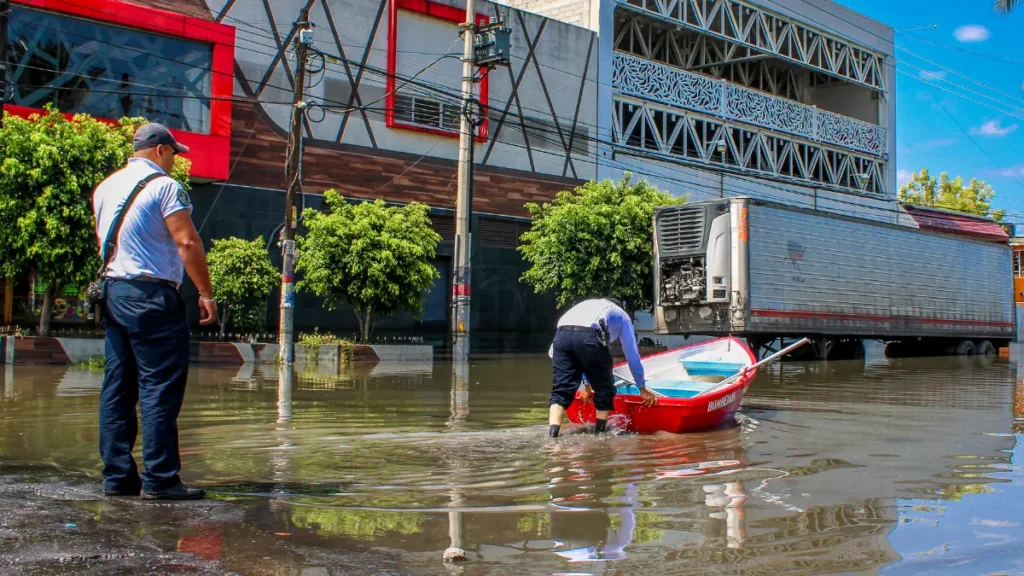
When a storm is approaching, my priority is simple: safety first. I evacuate if advised, keep my family informed, and make sure vehicles are fueled.
Last-minute prep includes securing outdoor furniture and checking that doors and windows are closed and braced. These small actions feel almost ceremonial, but they make a real difference when the surge arrives.
Takeaway: You can’t control the storm, but you can control how prepared you are—both for yourself and your community.
Environmental Context & Long-Term Strategies
Over time, I’ve realized that protecting your home isn’t just about sandbags and shutters—it’s also about the bigger picture.
How Stuff Works says that wetlands and barrier islands act like nature’s sponge, absorbing storm surge before it reaches us. Sadly, places like Louisiana have lost over a million acres of wetlands, which made Katrina far worse.
Communities can also prepare together. Sharing evacuation plans, participating in drills, or forming neighborhood response teams makes a huge difference. I’ve seen firsthand how organized communities recover faster after floods.
Strengthening your home against wind and water damage can go hand-in-hand—some of the same upgrades that help tornado-proof your home can also improve your resilience against storm surges, as outlined in 7 must-do upgrades.
Takeaway: Combining individual prep with environmental and community awareness multiplies your protection.
Myth-Busting & Common Mistakes
Let’s clear the air. Many people think sandbags alone will save a house, or that they can wait until the last minute. I’ve learned these assumptions are dangerous. Storm surges move fast, and even small missteps can cost thousands in damage.
Experts consistently recommend layered protection: structural prep, inside-home safeguards, insurance, and knowing when to evacuate. Following this approach, rather than relying on a single measure, dramatically increases your chances of weathering the storm.
After a storm, electrical issues can be a hidden danger—avoiding common mistakes highlighted in 8 power outage tips is crucial for keeping your home safe.
Takeaway: Don’t fall for myths—your strategy should be realistic, comprehensive, and proactive.
Ready-to-Use Storm Surge Property Safety Checklist
Here’s the list I follow every time a storm threatens:
- Sandbags around foundation and vents
- Flood panels for openings
- Elevate furnace, water heater, electrical panels
- Seal basement walls and install backflow valves
- Close and brace windows and doors
- Waterproof important documents and store them digitally
- Stock emergency kit (flashlights, batteries, radios, clothes, fuel)
- Know how to turn off utilities
- Keep family informed and know evacuation routes
- Buy flood insurance and keep property inventory updated
Takeaway: This checklist turns preparation into action. If you have these covered, you’re not just hoping for the best—you’re actively reducing risk.
I’d love to know: what’s the first step you’d take to protect your property from a storm surge? Share your plans or tips—you never know who might benefit from your experience.
For more tips on keeping your home safe during storms and disasters, follow us on X and join our Facebook community where we share updates, guides, and real-life homeowner stories.
Disclaimer: This guide is for informational purposes only and does not replace official advice. Always follow local authorities’ evacuation orders and emergency instructions. The author is not responsible for any damage or loss from storm events.