Brick Paver Cleaning Guide: Bring Your Outdoor Space Back to Life
If you’ve ever walked across a patio or driveway and noticed the bricks looking dull, patchy, or a little grimy, you’re not alone. I’ve seen even the most beautiful brick pavers start to lose their charm if they’re left to the elements. Dirt, mud, leaves, and even tiny weeds sneaking between the joints can make a space feel neglected—no matter how well you designed it.
When I first started caring for my own brick patio, I realized it wasn’t just about keeping it clean for appearances. A little regular attention goes a long way in preventing cracks, uneven surfaces, and stubborn stains that become nightmares down the line.
The good news? With the right approach, cleaning and maintaining your brick pavers can actually be satisfying—and kind of addictive once you see those crisp lines and natural color come back to life.
In this guide, I’ll walk you through everything I’ve learned about keeping brick pavers looking their best. Think of it as a practical, no-nonsense roadmap—so you can enjoy your outdoor spaces without the stress or guesswork.
Why Brick Pavers Need Regular Maintenance?

When you install brick pavers, they look amazing at first — crisp lines, rich color, a surface you’re proud to show off. But I learned early on that outdoor elements never stop working against you. Rain splashes dirt up from the ground, wind blows dust and organic debris into every tiny groove, and foot traffic presses it all in deeper over time.
Frequent sweeping really does help — Better Homes & Gardens points out that simple, regular sweeping is one of the best ways to keep brick pavers looking good before you even break out a cleaner.
What most people don’t immediately grasp is how weeds, moss, and algae sneak into the joints. Those green bits seem harmless at first, but they trap moisture and can destabilize the pavers if ignored. And then there’s sand loss between joints — rain and pressure washing can carry joint sand away, making bricks shift or settle unevenly.
So it’s not just about appearance. Regular care keeps your surface safe, prevents uneven walking areas, slows down deeper staining, and reduces the need for expensive repairs later.
Just like you might forget the gross spots hidden in your home, dirt and grime sneak into the tiny crevices of your brick pavers without you noticing.
Preparing to Clean Your Brick Pavers
Before you grab any cleaner or tool, you’ve got to prepare. I always start by knowing exactly what I’m working with. Brick pavers can be clay or concrete, and that affects what cleaners are safe. Painted or sealed surfaces need totally different products than unpainted clay — so don’t skip this step.
Next, check the weather. You don’t want the cleaning solution to evaporate too fast in hot sun or freeze into residue in cold conditions — that just makes spots and streaks worse.
Clear the area completely. Move furniture, planters, and anything that might block access. If weeds or moss are growing, pull them out before you wash. That way you expose all surfaces evenly and avoid trapping organic matter under debris.
If any bricks are loose or cracked, fix them now. Pressure washing or scrubbing without sorting out damage first just makes the problem worse.
I use a few simple strategies to make cleaning manageable without feeling overwhelmed — similar to the 10-minute method I shared for cleaning your whole home, you can tackle your patio section by section.
Tools and Materials You’ll Need
Here’s where you set yourself up for success — having the right gear makes this a whole lot easier.
Basic tools:
- A good broom and a stiff‑bristle scrub brush — not a wire brush, which can scratch your bricks.
- A garden hose with decent pressure — most of the cleaning power comes from good rinsing.
- Gloves — because elbow grease gets real.
- A handheld sprayer, bucket, and sponge for applying cleaners in controlled patches.
Optional but useful:
- A low‑pressure washer — I only use this on newer, solidly installed pavers. Old mortar and old bricks don’t take kindly to high pressures.
- Tarps to protect nearby plants or objects from overspray.
Cleaning solutions:
Start mild — warm water and a bit of dish soap tackle most everyday dirt. For mildew or mold in shady areas, a vinegar and water mix works. Tough stains like grease might warrant a brick‑safe commercial cleaner. Always test in a hidden corner first.
If you want quick cleaning hacks delivered straight to your phone while you work on your patio, I often share step-by-step tips and simple tricks on my WhatsApp updates — you can check them out for ideas as you clean.
Step‑by‑Step Cleaning Process
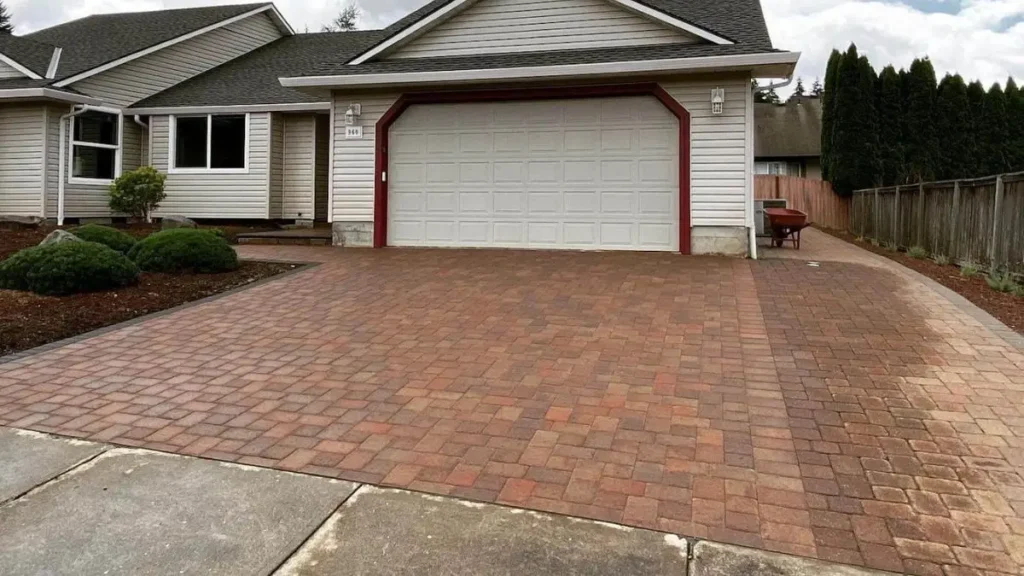
Once you’re set up and prepped, it’s time to clean — but in a way that doesn’t damage your pavers.
First, wet the whole area with plain water. This stops the brick from absorbing your cleaner too deeply and helps break down grime on the surface.
Then apply your chosen cleaning solution in small sections. Work in manageable chunks so the cleaner doesn’t dry before you scrub it. Let it sit for a few minutes when possible — patience pays off here.
Now grab that stiff brush and start scrubbing. Focus on one small area at a time. If you’re dealing with stains, use a little extra elbow grease, but don’t scrub so hard you remove sand from the joint lines.
If you’re going to use a pressure washer, choose low pressure (gentler than 400 psi) and a wide‑fan nozzle. Keep the wand about a foot away from the surface and never spray directly into the joints — that blast can pull out sand and mortar, leaving gaps.
And if the first pass doesn’t get it perfect? That’s normal. Tough mildew or organic grime often needs a repeat run.
Rinsing, Drying, and Final Touches
After you’ve scrubbed all you can, it’s rinse time.
Use your garden hose to wash away all the soap, cleaner, and loosened dirt. Take your time — leftover detergent spots are one of the biggest reasons patios end up looking streaky. If you see water pooling, sweep it off gently; standing water encourages algae and mildew to come right back.
Let the pavers fully dry before you do any post‑clean work. This is important because sand or sealing products don’t settle properly on damp surfaces.
While not everyone talks about this, refilling the joints with sand after cleaning makes a huge difference. Sweep sand into the gaps, then lightly mist so it settles and locks everything in place. This step stabilizes the pavers and helps prevent future weed growth and shifting.
Post‑Cleaning Maintenance — Keep Your Pavers Looking Great
Once your brick pavers are clean and dry, the job isn’t completely done. I’ve found that taking a few extra steps now saves hours of frustration later.
First, refill the joints with sand if you have sanded pavers. Sweep it into the gaps and lightly mist with water to settle it. This stabilizes the bricks, keeps weeds at bay, and prevents shifting.
Next, inspect the area for any minor damage that cleaning may have revealed — loose bricks, small cracks, or gaps in mortar. Fix these immediately to avoid bigger repairs later.
Finally, consider sealing your pavers if you want to preserve their color and reduce staining. Choose a brick-safe, eco-friendly sealant, and follow the manufacturer’s instructions carefully. A little preventative care now keeps your patio, driveway, or path looking crisp for months.
If you want to protect nearby plants or surfaces while you clean, simple covers work wonders — much like how plastic window wrap protects your windows during home projects.
Common Mistakes to Avoid
Even experienced DIYers can slip up when cleaning brick pavers. I’ve made a few mistakes myself — and trust me, they’re easy to avoid.
- Overusing harsh chemicals: Acids and bleach can damage bricks or sand-filled joints if used too aggressively. Start with mild cleaners and only move to stronger solutions if necessary.
- Pressure washing incorrectly: High pressure or directing the nozzle at joints can wash out sand or mortar, leaving bricks loose. Keep the pressure low, the nozzle wide, and the wand at least 12 inches away.
- Ignoring joints and sand: Cleaning looks great, but failing to refill joints afterward undermines stability. Loose sand leads to shifting bricks and weed growth.
Quick Troubleshooting
Sometimes even a careful cleaning doesn’t solve every problem. Here’s how I handle common issues:
- Persistent moss or algae: Multiple gentle treatments may be necessary. Vinegar or a brick-safe commercial product works best. Avoid scrubbing so hard that you remove the sand.
- Discoloration after cleaning: Test cleaning solutions on a hidden area first to avoid unwanted streaks. If it happens, mild scrubbing and rinsing usually balances the color.
- Sand keeps washing out: Check the slope and water flow around your pavers. Refill joints properly and mist lightly to help sand settle.
Wrap-Up and Your Brick Paver Checklist
Cleaning and maintaining brick pavers might seem like a chore at first, but once you get the hang of it, it’s actually satisfying to see your outdoor space looking crisp and cared for. From prepping the area, choosing the right cleaner, scrubbing carefully, to refilling the joints — every step matters in keeping your pavers durable and beautiful.
I always tell friends: a little attention now saves a lot of headaches later. And it doesn’t have to be complicated — just set aside a bit of time, follow the process, and enjoy the results.
Here’s a quick mental checklist before you tackle your next cleaning session:
- Sweep and remove debris regularly
- Identify brick type and select safe cleaning solutions
- Scrub gently and rinse thoroughly
- Refill joints with sand and fix any minor damage
- Consider sealing for long-term protection
Now I’d love to hear from you: what’s the toughest stain or mess you’ve faced on your brick pavers? Drop a comment or share your tip — chances are, someone else reading this will thank you for it!
For more hands-on home improvement and cleaning tips, join me over on X or in our friendly Facebook community — we share practical advice, step-by-step guides, and fun hacks every week.