How to Safeguard Your Property from Bushfires: A Homeowner’s Guide
When I first looked at my own property, I thought, “Sure, a fire won’t reach here—it’s just a few trees away.” But then I learned something that changed everything: most homes don’t burn from flames—they burn from embers. Tiny sparks can travel over a mile on windy days, landing on your roof, in your gutters, or even on wooden decks. That’s how quickly a small bushfire can turn into a home disaster.
You see, wildfires are unpredictable. One moment, the fire is far away; the next, it’s right at your fence. I realized I couldn’t rely on luck or hope. Knowing how fires spread and what areas of my home were most vulnerable was the first step to protecting it. Roofs, vents, and even the type of plants around your house matter more than you might think.
Here’s a reality check I want you to take seriously: government data from wildfire authorities like NIFC shows that 70–80% of home losses in wildfires start with ember ignition. That’s not abstract—it’s your roof, your siding, your garden. Ignoring this fact is a risk you simply can’t afford.
For me, understanding risk wasn’t about fear; it was about actionable insight. You need to see your home through the fire’s eyes. Where could embers land? Which areas would catch first? Once you identify these hotspots, every preventive step you take becomes far more effective.
Think about it: if I had ignored this, I would have just trimmed a bush here or moved a log there, thinking I was “protected.” Instead, I now focus on zones of risk, structural vulnerabilities, and the surrounding landscape. That’s what really keeps a home safe.
Before we move on, ask yourself: Have I walked around my home, imagining how a wildfire could reach it? Take a moment to really look—it’s the first step in turning fear into preparation.
What Is Defensible Space & Why It Is Critical
When I first heard the term defensible space, I thought it sounded technical and complicated. But the more I learned, the more I realized it’s simply the area around your home that you actively manage to slow down or stop a fire. If you don’t take this seriously, no amount of luck will protect your house when embers start flying.
Think of it as giving your home a protective bubble—a distance-based fire buffer that authorities swear by. I started mapping my own property into zones, and it completely changed how I approached my landscaping and maintenance. Here’s how you can do it too:
Zone 1 (0–5 ft from your home)
- Use hard surfaces like stone, concrete, or gravel right next to your walls and roofline.
- Keep this area completely clear of flammable plants, mulch, or firewood.
- Make sure gutters and eaves are cleaned regularly—embers love to settle there.
Zone 2 (5–30 ft)
- Plant low-growing, fire-resistant shrubs. I chose native, drought-tolerant options because they also need less watering.
- Space plants apart to reduce fire spread—think of it as creating little firebreaks naturally.
- Trim trees so branches don’t hang over the house or touch each other.
Zone 3 (30–100 ft)
- Focus on fuel reduction—thin out dense tree clusters and remove dead wood.
- Create natural fire breaks with gravel paths, stone walls, or short grass areas.
- Avoid planting highly flammable species in this zone.
By dividing my yard into zones, I realized that small changes in each area make a huge difference when fire is approaching. For practical guidance, I often refer to the NIFC defensible space resources—they provide excellent visuals and distance guidelines that helped me plan my yard effectively.
Home Hardening: Making Your House Ember‑Resistant
Fire Safe Marin
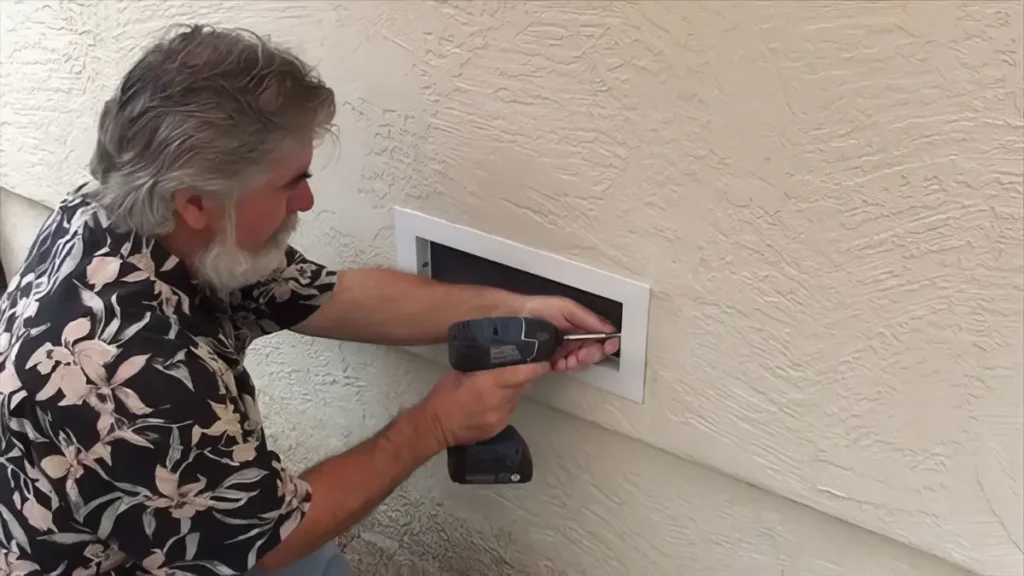
After securing the outside, I learned that the house itself must be prepared for embers. Homes don’t usually catch fire from flames sweeping through the yard; it’s those tiny, flying sparks that can ignite roofing, vents, or siding. Making your home ember-resistant was a game-changer for me.
Here’s how I approached it, and how you can too:
- Roof protection:
- I installed non-combustible tiles and Class A shingles. They withstand direct ember contact much better than asphalt or wood.
- Vents & eaves:
- I added metal mesh screens (1/8” mesh) over all vents. This simple step keeps embers out without blocking airflow.
- Walls & siding:
- Choose fire-resistant materials like stucco, brick, or fiber cement. I replaced any flammable siding sections, which gave me real peace of mind.
- Windows & doors:
- I installed tempered glass and made sure frames were well-sealed. Embers can ignite curtains or furnishings inside through small cracks otherwise.
- Maintenance checklist (repeat every 6–12 months):
- Clean gutters and remove debris from roofs.
- Check vents for blockages.
- Trim trees and shrubs that are too close to the home.
When I implemented these changes, I felt like I finally had control over what I could protect, even if a fire approached. It’s not about eliminating risk entirely—it’s about reducing it enough that your home stands a chance.
For added protection, you might want to consider installing some fire safety equipment in key areas of your home—these small additions can make a big difference during a wildfire.
Yard & Landscape Preventive Actions
When I first looked around my yard, I realized how much fuel it gave to a potential fire. Trees, shrubs, dry leaves—basically everything was just waiting to catch an ember. That’s when I learned that managing your landscape is just as important as hardening your house.
Here’s what I did, and what you can start with today:
- Remove dead vegetation & trim branches: I personally cleared out fallen leaves, dead shrubs, and low-hanging branches. It’s tedious, but it dramatically slows fire spread.
- Keep grass mowed & hydrated: Short, green grass won’t ignite as easily as tall, dry patches. I make it a habit to mow and water the lawn regularly, especially in high-risk months.
- Replace mulch with gravel or stone firebreaks: Mulch can be surprisingly flammable. I swapped it for gravel paths around the home. Not only does it look clean, but it also acts as a barrier to embers.
- Proper storage rules: Wood piles, propane tanks, and garden furniture can all become hazards. I moved my firewood at least 30 feet from the house and made sure propane tanks were upright and away from vegetation.
As per YellowPages, creating defensible space around your property is one of the best strategies to reduce fire risk. They suggest using gravel, trimming trees, and removing dead plants as key preventative actions that can make all the difference when a fire approaches.
Seasonal Bushfire Checklist (Plan for Spring, Summer, Autumn & Winter)
I learned the hard way that bushfire risk changes with the seasons, and most guides just lump it all together. But if you want to stay ahead, you need a season-by-season plan. Here’s what I follow:
- Fall/Winter:
- Remove dead trees, branches, and leaf debris.
- Clear gutters and check for cracks where embers could enter.
- Spring:
- Prepare your defensible space. Trim shrubs, mow the lawn, and space plants properly.
- Inspect fences and gates for potential fire hazards.
- Summer:
- Maintain hydration for plants and grass. Dry vegetation is a wildfire magnet.
- Monitor local fire alerts daily and stay aware of wind conditions.
- Winter/Spring prep:
- Begin a rotation of clearing areas where fuel tends to accumulate—especially around sheds, decks, and storage spaces.
For me, breaking it down by season turns preparation from a vague idea into actionable tasks. You’ll feel less overwhelmed, and your home is far more protected when the fire season actually hits.
I also like to keep a handy checklist for each season—I share similar updates and tips on a dedicated WhatsApp channel that helps me track all the tasks for bushfire safety.
Emergency Planning + Community Safety
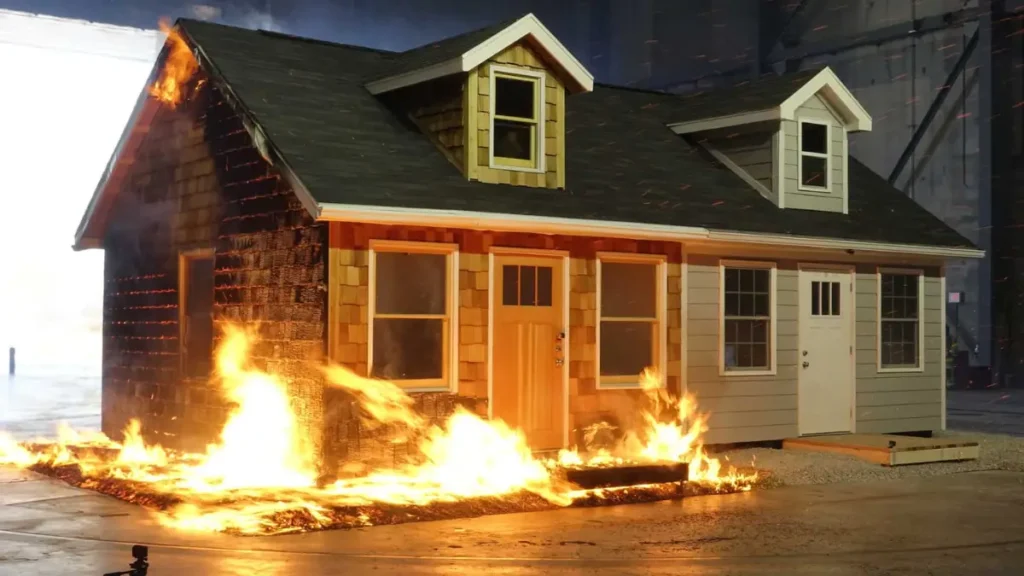
Even after hardening my home and managing the yard, I realized that prevention alone isn’t enough. Fires can move fast, and sometimes the best protection is a solid plan for when things get serious.
Here’s how I structured my emergency planning—and how you can do the same:
- Evacuation routes & meeting points: I mapped at least two ways out of my neighborhood and chose a safe meeting point for my family. Knowing exactly where to go reduces panic if a fire comes suddenly.
- Firefighting access: I made sure my driveway is clearly visible and free of obstacles. According to the National Interagency Fire Center, emergency responders need clear access to homes, and even small obstructions can delay critical help.
- Family emergency kit checklist: I prepared a kit with water, food, flashlights, batteries, medications, and copies of important documents. You’ll thank yourself later when everything you need is already in one place.
- Local community plans & Firewise programs: I joined our neighborhood Firewise program. Working with neighbors to reduce fuels and plan for evacuation multiplies the protection for everyone.
Taking these steps gave me confidence that if a fire approached, we wouldn’t just be reacting blindly—we’d have a clear action plan that could save lives and property.
Keeping your yard safe goes beyond trimming branches and removing mulch—you can also check out these 8 fire safety tips every homeowner must know to enhance your outdoor precautions.
Insurance & Legal Requirements for Bushfire Zones
After securing the yard and planning for emergencies, I realized there’s another critical factor: insurance coverage and legal obligations. Many homeowners don’t know that insurers may require defensible space or other fire mitigation measures to maintain coverage.
Here’s what you need to understand:
- How insurers assess bushfire risk: Insurers look at your property’s location, the materials used in your home, and how well you manage vegetation. I had to provide photos and a checklist to confirm my defensible space was properly maintained.
- What you must do to keep coverage: Keeping trees trimmed, maintaining gutters, and removing combustible debris are not just good habits—they can be policy requirements. Ignoring them could mean claims are denied in the event of a fire.
- Real-life lessons from homeowners: On Reddit, one user shared: “We thought a few small shrubs wouldn’t matter, but after a nearby wildfire, the insurance adjuster noted that our defensible space wasn’t sufficient. We had to fix it before we could get full coverage again.” These stories show that even small oversights can have big consequences.
Understanding your insurance obligations and staying on top of legal requirements is just as important as the physical steps you take on your property. I learned that preparation isn’t complete without compliance—it’s all connected.
Common Mistakes to Avoid
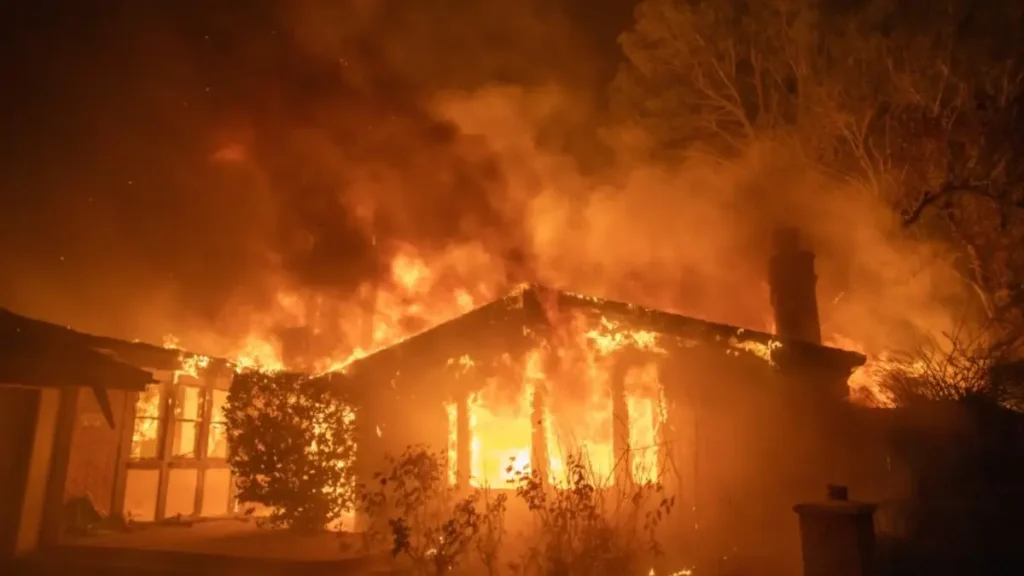
Even after all my research and planning, I noticed that many homeowners make simple mistakes that drastically reduce their protection. Avoiding these traps can save you time, money, and stress.
Here’s what I learned:
- Using mulch that increases fire risk: Some decorative mulches burn easily. I swapped flammable mulch for gravel or stone, which acts as a natural firebreak.
- Only trimming trees without removing ladder fuels: I see this mistake often—trimming low branches helps, but if dead shrubs, stacked wood, or tall grass remain, fire can climb straight to the canopy.
- Ignoring roof debris: Roofs and gutters collect leaves, needles, and small twigs. I cleaned mine regularly because embers can ignite even tiny debris.
Have you noticed any of these mistakes around your own home, or tried different fire prevention strategies? I’d love to hear your experience in the comments below.
Bushfire Prevention Tools & Products — What Works
When I started preparing, I realized that having the right tools and products makes a huge difference. You don’t need everything, but choosing the right items gives you a real advantage:
- Screens for vents and eaves: Keep embers out and protect your roof.
- Fire breaks or gravel paths: Slow the fire’s approach and give firefighters a clear path.
- Sprinkler systems or hoses: Useful for creating wet zones around your home.
- Gutters with guards: Prevent debris accumulation, reducing ember ignition risk.
These aren’t just “nice-to-haves”; they are practical, preventive measures that actually make a home more survivable in a bushfire.
Certain fire safety systems, like sprinklers or gutter guards, are particularly effective; for more details on practical setups, see our guide on fire safety systems.
Summary of Key Actions Before Fire Season Hits
When I sit down and review all the work, I like having a short, actionable checklist. It creates urgency and helps me make sure nothing is overlooked:
- Map defensible zones around your home (0–5 ft, 5–30 ft, 30–100 ft)
- Harden your house: roof, vents, walls, doors, windows
- Clear yard fuel: dead plants, low branches, flammable mulch
- Maintain emergency kits and evacuation routes
- Check sprinkler systems and gutters
- Review insurance requirements and community programs
- Avoid common mistakes: ladder fuels, roof debris, flammable landscaping
I follow this list every year before fire season. It keeps me confident and ensures my home is as prepared as possible.
If you want more practical tips, updates, and step-by-step guides on protecting your home from fire, you can follow me on X and join our Facebook community to stay informed.
Disclaimer: This guide is for informational purposes only and does not replace professional fire safety advice. Always follow local regulations and consult certified authorities for specific bushfire protection measures. Individual results may vary depending on property conditions and fire risk.