Simple Ways to Protect Patio Furniture During Winter
Winter is coming, and if you’re like me, you’ve spent countless hours picking the perfect outdoor furniture—only to watch it slowly suffer when the cold hits. I’ve learned the hard way that a good cover isn’t just a piece of fabric tossed over your patio set; it’s your furniture’s first line of defense against snow, frost, and damp air.
In this guide, I want to show you how to protect your outdoor pieces properly, choose the right materials, and avoid the mistakes that can quietly ruin years of investment. By the end, you’ll know exactly how to cover your furniture so it comes back looking as good as the day you bought it.
Why Winter Protection for Outdoor Furniture is Crucial
If you’ve ever left your patio furniture out during a harsh winter, you know the damage it can do. I’ve seen wood crack, metal rust, and cushions grow that stubborn mildew that just won’t go away. Covering your outdoor furniture isn’t just a nice-to-have—it’s the difference between keeping your investment intact and having to replace it next spring.
Think about it: a single outdoor set can cost anywhere from $500 to $2,000. Compare that to investing in a quality cover that costs under $100, and the math is clear. It’s a small step that protects your wallet and your weekend comfort.
Here’s what proper winter protection can prevent:
- Rust and corrosion on metal frames from snow and ice.
- Mold and mildew on cushions and wicker when moisture gets trapped.
- Fading caused by UV exposure, even in the winter months.
- Warping or cracking in wood and composite furniture from cold and damp conditions.
Just like I protect my outdoor furniture from moisture and UV damage, taking proactive steps to prevent deck rot, warping, and UV damage can save you a lot of time and money.
For an expert guide on fabrics and designs that actually work, you can check out National Patio Covers’ material guide—it’s a reliable resource that breaks down the pros and cons of different cover types.
Common Mistakes People Make When Covering Furniture
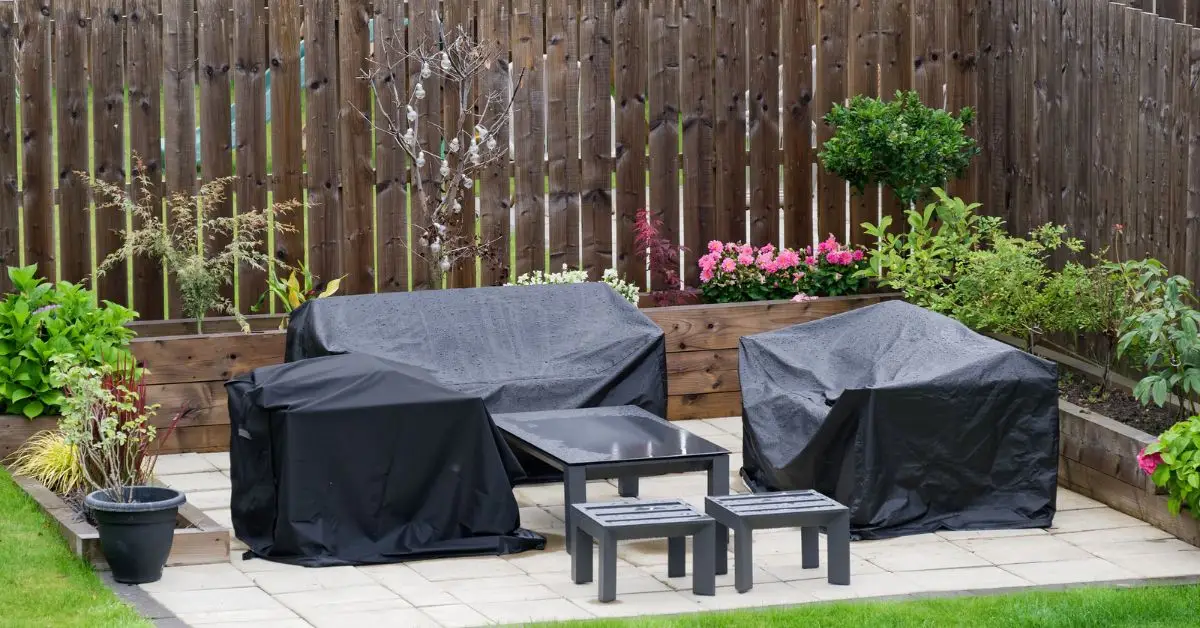
I’ve made my share of mistakes when covering furniture, and trust me—you don’t want to repeat them. The good news is that once you know what to avoid, you can extend the life of your furniture dramatically.
Here are some pitfalls I see most often:
- Using cheap, non-breathable covers: Vinyl or thin polypropylene may seem waterproof, but they trap moisture underneath, causing mildew and rust.
- Covering wet furniture: If you place a cover over damp cushions or surfaces, it’s a recipe for mold. Always dry everything first.
- Loose or oversized covers: A baggy cover may look convenient, but it collects snow, rain, and wind underneath, doing more harm than good.
- Ignoring local climate and furniture material: What works for a dry, mild winter might fail completely in a snowy, coastal, or windy area.
One outdoor furniture expert even notes, “A poor choice in covers leads to slow, almost invisible damage that ruins furniture before you realize it.” When covering your furniture, avoiding common mistakes—like leaving it damp or using the wrong material—works the same way as avoiding staining mistakes on your deck to ensure lasting results. It’s a reminder that careful selection isn’t optional—it’s essential.
To help you avoid these mistakes, Better Homes & Gardens has practical tips on how to fit your cover properly and select breathable materials. I like this guide because it walks you through common mistakes and how to fix them, step by step.
Choosing the Right Cover Material
When it comes to protecting your outdoor furniture, not all covers are created equal. I’ve spent years testing different fabrics, and I’ve learned that the right material can make a huge difference in how your furniture survives the cold season. You want a cover that’s waterproof but breathable, durable but flexible, and suited to your local climate.
Here’s what I recommend based on real-world experience:
- Sunbrella (solution-dyed acrylic)
- Extremely fade-resistant, even under winter sunlight or reflected UV.
- Breathable, which prevents moisture from getting trapped and causing mildew.
- Ideal for heavy snow and harsh winters.
- A premium option, but your furniture will thank you for years.
- Marinex (600D polyester)
- Waterproof and UV-resistant, protecting both from rain and sun.
- Offers a good balance between durability and cost, making it my go-to for most climates.
- Works well in moderate to wet areas, including light snow zones.
- Portofino or Seasons (woven polyester)
- High-quality woven material that’s soft, lightweight, and durable.
- Best suited for mild winter regions or covered patios.
- Affordable alternative if your winter conditions aren’t extreme.
Here’s a quick comparison table to help you decide:
| Material | Durability | Breathability | Cost | Best For |
|---|---|---|---|---|
| Sunbrella | Excellent | High | $$$ | Heavy snow, harsh winters |
| Marinex | Good | Medium | $$ | Wet or moderate climates |
| Portofino/Seasons | Moderate | Medium | $ | Mild winters, covered patios |
For more expert insights on which materials truly protect furniture in winter, check out National Patio Covers’ guide to cover materials. They break down fabrics by climate, durability, and usability, which is exactly the practical guidance you need before buying a cover.
Cover Features That Make a Difference
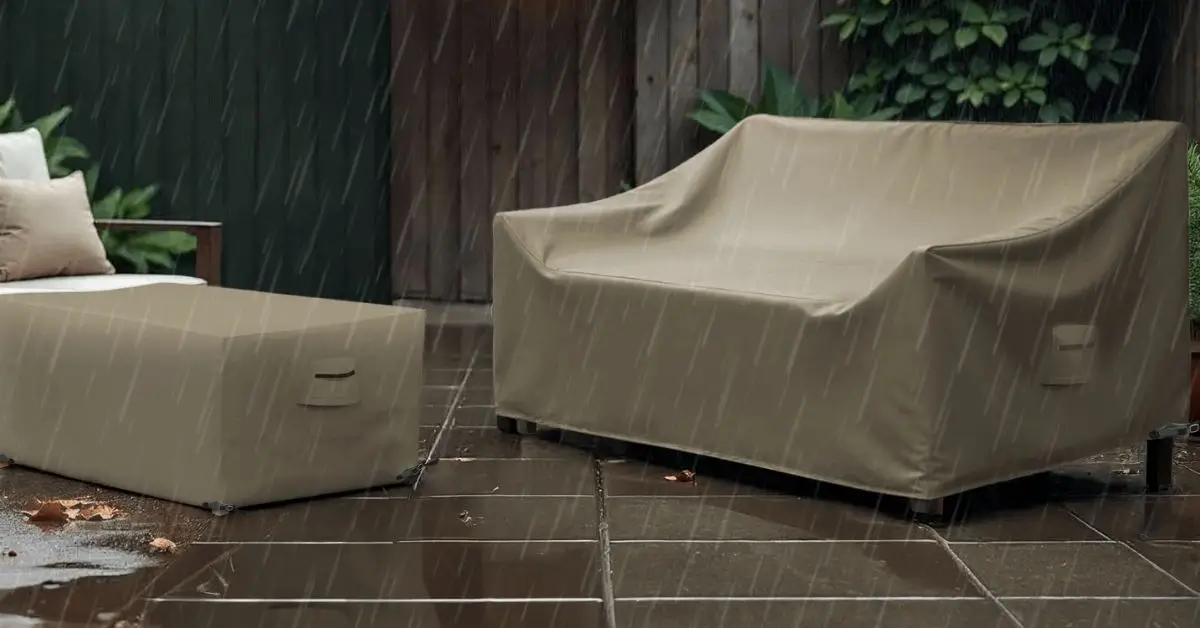
Even the best material won’t save your furniture if the cover itself isn’t designed well. I’ve seen countless high-quality fabrics fail simply because the cover didn’t fit right or lacked the right features. Here’s what you should look for:
- Tailored fit vs. loose covers: A snug fit prevents snow, rain, and wind from getting underneath. Loose covers flap in wind and can scratch your furniture.
- Strong seams & marine-grade thread: Cheap stitching tears easily, letting water seep in. Reinforced seams make a big difference in longevity.
- Secure fastenings: Straps, buckles, and elastic hems keep the cover in place, even during high winds.
- Built-in vents: Ventilation prevents trapped moisture, reducing mold and mildew.
- Ease of handling: Lightweight but sturdy covers are easier to put on and remove.
If you’re a visual learner, I recommend sketching or labeling your furniture and imagining how the cover will fit over each piece. Even a simple diagram helps you avoid gaps that trap snow and water.
Step-by-Step Guide to Covering Outdoor Furniture Safely
I like keeping this process simple. Here’s how I cover my furniture every winter:
- Clean and dry furniture thoroughly – Remove dirt, leaves, and moisture. Never cover wet cushions.
- Fold or store cushions separately – If possible, keep them indoors to prevent moisture buildup.
- Start with the largest pieces – Usually your table or sectional base.
- Secure the cover properly – Buckle straps, tie drawcords, and make sure it fits snugly. Just as securing your deck stairs properly ensures safety and durability, fastening your furniture covers with straps and buckles protects them against harsh winds and keeps everything intact.
- Check for gaps – Snow and rain love to sneak in through openings.
- Remove snow accumulation regularly – Don’t let it sit on top of the cover for weeks.
- Air-dry covers before storing – Prevents mold and extends life for next season.
Climate-Based Cover Recommendations
Where you live matters just as much as what material you buy. I always ask myself, “What kind of winter am I actually dealing with?”
- Cold, snowy areas: Go with Sunbrella and make sure straps are reinforced to handle snow weight.
- Wet coastal regions: Choose breathable fabrics to prevent mildew and condensation.
- Mild winters: Marinex covers provide sufficient protection without breaking the bank.
- Covered patios: Portofino or Seasons covers are lightweight, easy to use, and suitable for low-risk areas.
- High-wind zones: Snug fit and reinforced fasteners are critical to prevent covers from flying off.
Matching your cover to your climate is a simple step that prevents a lot of unnecessary damage.
Maintenance Tips to Extend Cover Life
Even the best cover needs some attention. I’ve learned a few simple habits that keep mine in top shape year after year:
- Clean covers occasionally – A quick wipe or hose-down removes dirt and debris.
- Check seams and fasteners mid-season – Repair minor tears before they get worse.
- Store covers dry and folded properly in the off-season – Avoid cramped storage that causes wrinkles or mildew.
- Rotate or adjust covers – Helps prevent uneven wear from sun exposure or snow accumulation.
These small maintenance steps might take 10 minutes a month but can add years of life to both your furniture and your covers.
Cost vs. Value Analysis
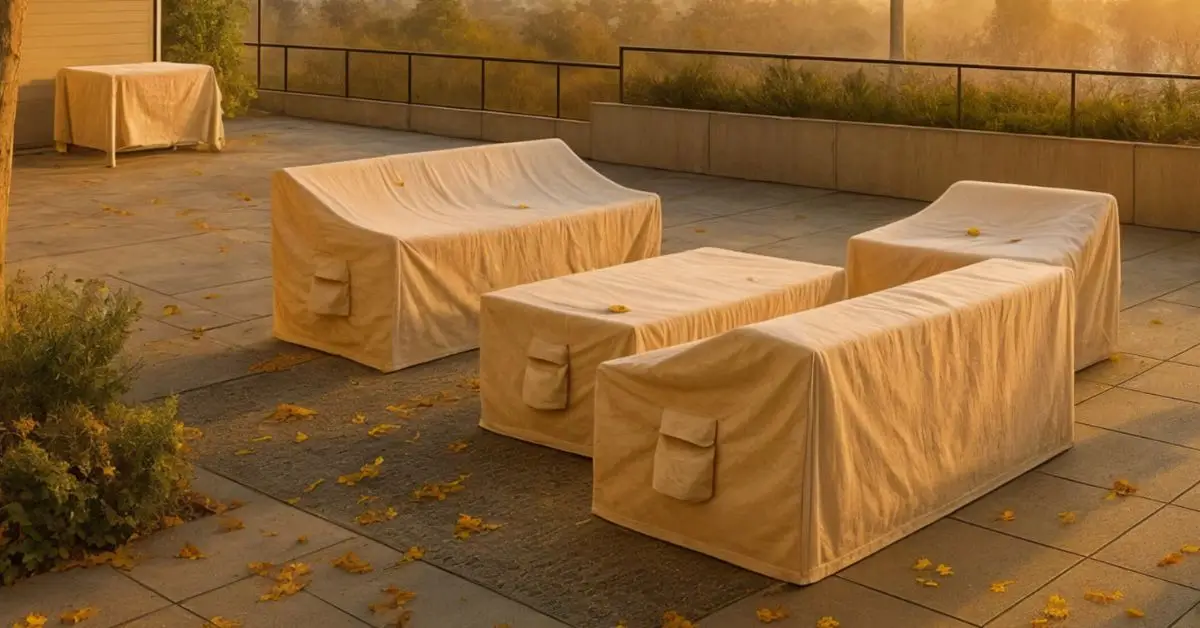
Here’s where I get a little financial. I know it’s tempting to grab a $20 cover and call it a day—but in my experience, cheap covers often do more harm than good.
- Cheap covers: May save money upfront but risk trapped moisture, rips, and wind damage. You could end up replacing cushions or furniture worth hundreds.
- Quality covers: A $100–$150 investment in Sunbrella or Marinex covers protects thousands of dollars in furniture and lasts multiple seasons.
I like to think of it as insurance: a little upfront cost saves big headaches later. You’re not just buying a cover—you’re protecting your outdoor investment.
Conclusion
Winterizing your outdoor furniture doesn’t have to be complicated or expensive. With the right materials, proper fit, and a few simple habits, you can protect your furniture from snow, ice, and moisture—and save yourself a lot of stress come spring.
I’d love to hear from you: what’s your go-to method for covering furniture in the winter? Share your tips or questions in the comments below—I read every single one. And if you want more practical, step-by-step guides for keeping your home and outdoor spaces in top shape, check out Build Like New for more expert advice.
Remember, a little preparation now keeps your furniture looking great for years to come. So go ahead—cover it right, protect your investment, and enjoy peace of mind all winter long.
Disclaimer: While using quality covers greatly reduces damage, no cover can make furniture completely indestructible. Always follow the manufacturer’s instructions and keep your furniture clean and dry. Proper care and regular maintenance are still essential to ensure your outdoor pieces last for years.