Inside Martha Stewart’s Stunning $30M Homes and Properties
Few figures in American lifestyle and media have fascinated me as much as Martha Stewart. I’ve spent years following her career, and what strikes me isn’t just her culinary skill or design sense—it’s how she has turned every aspect of her life into a carefully curated brand.
From a modest upbringing in New Jersey to building an empire worth hundreds of millions, Martha didn’t just rise; she meticulously shaped her path, turning homemaking into a high art.
But here’s the thing you might not know: her real estate tells a story just as compelling as her cookbooks or television shows. Each home she’s owned—whether a sprawling country farm, a historic Maine retreat, or a Manhattan pied-à-terre—reveals a different chapter of her life, her tastes, and even her investment mindset.
And while many articles show you pretty pictures, they rarely dive into the why behind her choices: why she bought a particular estate, how she transformed it, and what it reflects about her lifestyle.
As someone who admires both her design eye and her business acumen, I wanted to peel back the layers and look at Martha Stewart’s property portfolio not just as a collection of luxurious homes, but as a reflection of a lifetime of taste, strategy, and personal evolution.
In the sections that follow, I’ll walk you through her most notable properties, share insights you won’t find in typical listicles, and show how each space tells a piece of her story.
Martha Stewart’s Real Estate Philosophy
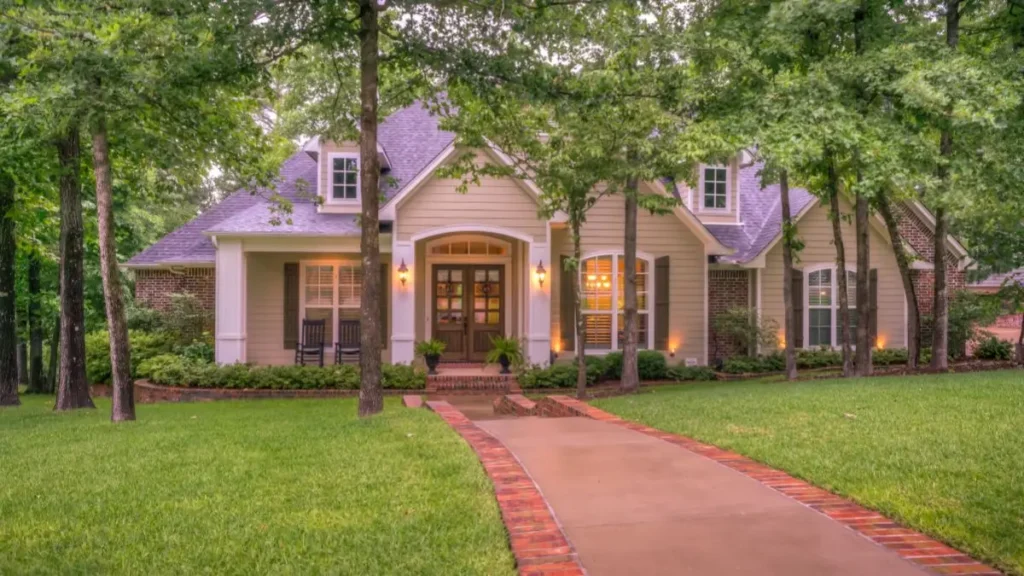
When I look at Martha Stewart’s homes, I don’t just see luxury—I see intention. Every property she owns seems carefully chosen to reflect her personality, her brand, and even her approach to life.
According to Robb Report, her portfolio spans city pied-à-terres, sprawling country farms, and coastal Maine retreats, a mix that mirrors both her taste and her strategy.
What strikes me is how each home serves a purpose beyond aesthetics. Her country estates are not just for show—they’re working farms with gardens, animals, and space for entertaining.
Her city apartments, on the other hand, provide convenience, culture, and a foothold in Manhattan’s storied neighborhoods. It’s clear that for Martha, real estate is as much about lifestyle as it is about investment.
Cantitoe Corners / Bedford Farm, Katonah, New York
Cantitoe Corners, also known as Bedford Farm, is Martha’s flagship estate, and it’s a property I could spend hours imagining. She started assembling the 153-acre property in 2000, purchasing multiple parcels until it became a single sprawling estate.
Inside, there’s a 1784 farmhouse, a 1929 Colonial winter house, an 1897 cottage, and two residences built in 1969. Outside, there are equestrian facilities, riding trails, meadows, woodlands, gardens, and even a greenhouse and pool.
Martha has also made it a home for animals—horses, peacocks, and donkeys—making it as much a working farm as a retreat.
I love thinking about how this estate doubles as a social hub. Over the years, it has hosted seasonal parties, gatherings, and celebrations, all reflecting Martha’s signature blend of elegance and practicality.
Skylands, Seal Harbor, Maine
Then there’s Skylands, Martha’s legendary summer retreat near Acadia National Park. Built in 1925 for auto executive Edsel Ford, it’s a 12-bedroom estate with seven-and-a-half baths, perched on a dramatic coastal property overlooking Frenchman Bay.
She purchased it in 1997 and has since added modern touches, like an infinity pool, without disrupting the historic character.
Formal gardens, stone terraces, walking paths, and even tennis courts complement the rugged Maine scenery. Inside, sun-drenched rooms feature period-appropriate antiques, fine textiles, and elegant finishes.
Skylands is more than just a vacation home—it’s a place where history, luxury, and Martha’s personal style converge.
New York City — The Belnord Apartment

In April 2024, Martha and her daughter Alexis bought a six-bedroom, six-and-a-half-bath apartment at the Belnord on Manhattan’s Upper West Side for $12.3 million. The building, designed by Robert A.M. Stern, is a prewar landmark with soaring ceilings and expansive windows.
Inside, the apartment blends classic grandeur with modern convenience—heated floors, oak and lacquer kitchens, and access to amenities like a Pilates studio and fitness center. Fans of Only Murders in the Building might recognize the property as the setting for the Hulu show.
I find it fascinating how this city apartment complements her country and coastal estates—offering a foothold in the city while still reflecting her timeless aesthetic.
Former & Sold Properties
Martha’s portfolio also includes notable former properties. Her Lily Pond Lane estate in East Hampton, bought in 1991 for $1.7 million, sold in 2021 for $16.5 million.
Similarly, her Turkey Hill home in Westport, Connecticut, was purchased decades ago and sold for $6.7 million in 2007.
These sales tell a story of patience and smart investment. Watching how she upgrades, renovates, and eventually sells properties offers valuable insight into long-term real estate strategy.
Her long-game approach to buying and selling actually reminds me of how Bethenny Frankel built her property footprint—if you’re curious, I broke that down in detail in my piece on Bethenny Frankel’s $13M Real Estate Portfolio.
Portfolio Value & Investment Insights
When I look at the numbers behind Martha Stewart’s properties, it’s clear there’s more than just glamour at play. Her holdings—Cantitoe Corners, Skylands, The Belnord, and past homes like Lily Pond Lane and Turkey Hill—combine to a portfolio valued at roughly $30 million or more.
What fascinates me is the long-term growth. Take Lily Pond Lane: bought for $1.7 million in 1991, sold for $16.5 million in 2021. Turkey Hill? Bought decades ago for a fraction of its later sale price. It’s not luck—it’s a strategy of patience, smart upgrades, and timing the market.
I’ve learned from looking at her portfolio that real estate, when aligned with lifestyle and long-term planning, can be both beautiful and financially rewarding. Every home she touches gains value, not just monetarily but in the story it tells about her life and brand.
I often share quick real-estate insights and market updates on a WhatsApp broadcast I follow, and the patterns I see there line up with Martha’s long-term strategy—patience, timing, and knowing the right moment to renovate.
Lifestyle & Brand Reflected in Properties
What really grabs me is how Martha’s real estate mirrors her personality and brand. Cantitoe Corners reflects her love of country life, farming, and hosting. Skylands shows her appreciation for history and coastal beauty. The Belnord blends classic New York elegance with modern functionality.
This isn’t just about showing off wealth—it’s about living intentionally. Each space supports a different part of her life: work, play, family, entertaining, and creativity. Her properties are extensions of her identity, which is why her portfolio feels cohesive rather than random.
If you think about it, there’s a lesson here: when your environment reflects your values and lifestyle, every investment feels purposeful. That’s something you can apply, even if your scale is smaller.
Key Takeaways & Reflection
Looking at Martha Stewart’s real estate journey, a few things stand out to me:
- Patience pays off: Long-term investments, like Lily Pond Lane or Turkey Hill, demonstrate value growth over decades.
- Diversification works: Farms, historic retreats, and city apartments all serve different lifestyle and financial purposes.
- Brand alignment matters: Her homes aren’t just assets—they reinforce her personal and professional identity.
- Smart timing counts: Knowing when to buy, renovate, or sell is as important as location or size.
I can’t help but wonder—if you were curating your own “portfolio” of spaces, how would your lifestyle choices and values guide your decisions? Martha’s example shows that real estate isn’t just about money or prestige—it’s about creating a life that feels authentic and rewarding.
If you enjoy deep dives into celebrity real estate strategies, you can explore more stories like this in our Celebrity Home Security section.
Disclaimer: The information in this article is based on publicly available records, reporting, and historical sales data. Property values and ownership details may change over time. Readers should verify facts independently before making any financial or real-estate decisions.