New Year Home Reset Checklist: 7 Must-Do Tasks in January
Every January, I notice the same thing—my home starts the year a little louder than I want it to be. Extra stuff left over from the holidays. Drawers that don’t close right. Spaces that should feel calm but somehow don’t. If you’ve felt that too, you’re not behind. You’re normal.
That’s why a January home reset matters. Not the dramatic, everything-must-go kind. I’m talking about a simple, realistic reset that helps your home support your life instead of adding stress to it. When your space feels lighter, your days usually do too.
Most January home reset checklists online repeat the same advice: declutter, clean, organize. That’s fine—but what’s often missing is why certain resets actually work and where your effort makes the biggest difference. I’ve learned that a few smart moves in January can save you months of frustration later in the year.
This checklist is built for real homes and real schedules. It focuses on high-impact areas, quick wins, and habits that stick beyond the first week of the year. You don’t need a perfect house. You just need a home that feels easier to live in.
Before we jump into the checklist, let me ask you this: which part of your home is quietly stressing you out right now—the clutter, the routines, or the feeling that things are just a little out of control?
Why a January Reset Can Change Your Whole Year
I’ve seen this year after year—January hits differently. The calendar flips, the holidays are done, and suddenly there’s mental space to breathe. That’s not random. January naturally creates a pause, and that pause gives you a rare chance to reset your home and your head.
Even Better Homes & Gardens points out that January is when people feel most motivated to organize and simplify because the chaos of the holidays has passed and routines are ready to be rebuilt. That combination is powerful. When you reset your home during this window, you’re not just cleaning—you’re setting the tone for how the rest of your year feels.
This isn’t about perfection. It’s about control. When your space feels intentional, you move through your days with less friction and fewer decisions draining your energy.
Post-holiday momentum and mindset
Right after the holidays, your home tells a story. Extra decor. Overflowing storage. Closets that worked in December but don’t make sense anymore. Instead of ignoring that mess, January gives you momentum to deal with it while the contrast is fresh.
Here’s why this timing works so well:
- You can clearly see what was “temporary” clutter versus what truly belongs
- Your brain is already in reset mode thanks to the new year
- Small wins feel bigger because everything still feels new
When you act on this momentum, your home starts feeling lighter fast—and that feeling pushes you to keep going.
Reset = less stress, better routines all year

I’ve learned that most home stress doesn’t come from dirt. It comes from friction—looking for things, managing too much stuff, or repeating the same daily annoyances. A January reset reduces that friction early, before bad habits settle in.
A smart reset helps you:
- Cut down daily decision fatigue
- Build routines that support your goals instead of fighting them
- Make productivity goals easier to stick to because your environment isn’t working against you
When your home is aligned with how you actually live, everything else feels more doable.
January Home Reset Checklist (7 Core Tasks)
This is where we get practical. I’m not giving you a long, exhausting list. These seven tasks are chosen because they give the biggest return for the effort you put in. You can tackle them over a weekend—or spread them across the month.
1) Declutter & Purge Seasonal Overflow
The fastest way to feel progress is to remove what no longer belongs. January is perfect for this because holiday clutter hasn’t blended into the background yet.
Focus on:
- Holiday decor that didn’t get used
- Gift packaging, boxes, and extras
- Seasonal items sitting in main living areas
This step matters because visual clutter quietly raises stress. Clearing it gives you an immediate sense of relief and control. If you’re not sure where to start, focusing on the most clutter-prone areas helps the fastest—these six hot spots in your home you should declutter in January tend to cause the most daily stress without you even realizing it.
2) Reset High-Impact Zones (Kitchen, Pantry & Entryway)
These areas affect your day more than you realize. If they’re chaotic, everything feels harder.
Start with:
- Clearing expired or unused pantry items
- Resetting kitchen counters to essentials only
- Making the entryway functional, not decorative
When these spaces work smoothly, your mornings and evenings improve without extra effort.
3) Closet & Wardrobe Refresh
If getting dressed feels harder than it should, your closet needs a reset—not more clothes.
What I recommend:
- Remove anything you didn’t wear last season
- Group clothes by function, not just type
- Set aside a simple rotation for winter basics
This saves time every single day and reduces mental clutter before your day even starts.
4) Home Systems Check (Filters, Safety, Maintenance)
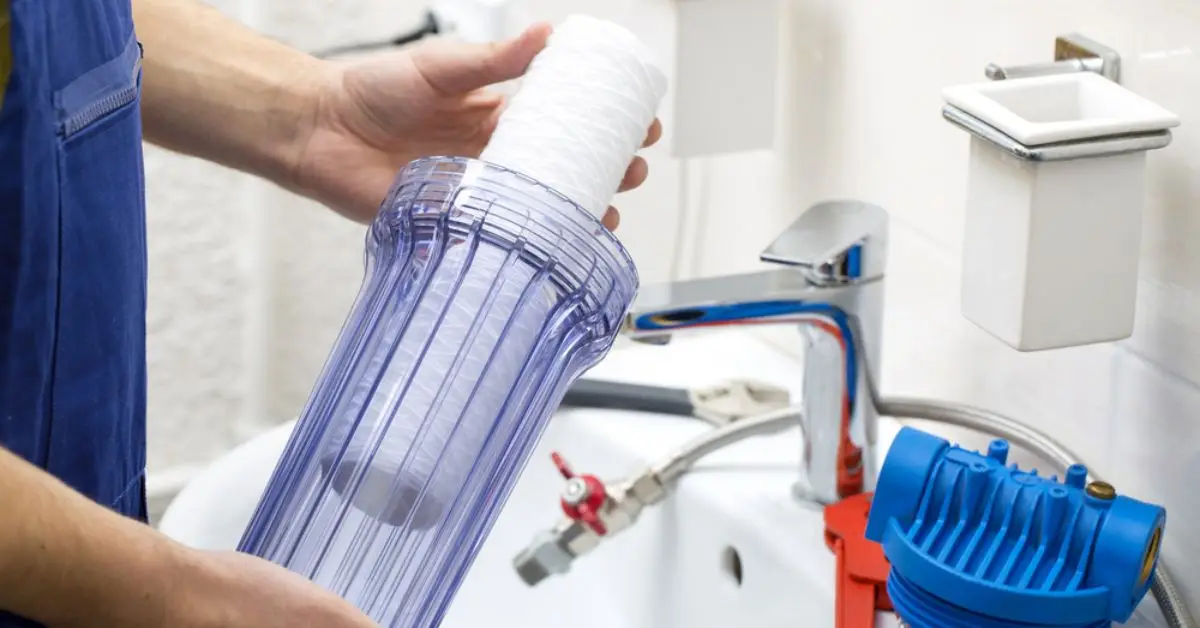
This is the least glamorous step—and one of the most important. Skipping it often leads to bigger problems later.
Quick checks to do:
- Replace air and water filters
- Test smoke and carbon monoxide detectors
- Schedule basic maintenance reminders
This is proactive care. You’re preventing stress instead of reacting to it.
5) Digital & Paper Declutter
Your home isn’t just physical. Digital clutter adds just as much noise.
Spend time on:
- Deleting old files and downloads
- Unsubscribing from emails you never read
- Organizing important documents in one place
When digital and paper clutter is under control, your mind feels clearer too.
6) Create a Simple Reset Routine
A reset that doesn’t last isn’t a reset—it’s a temporary cleanup. The goal here is sustainability.
Build a routine that includes:
- One daily 5-minute tidy habit
- One weekly reset task
- One monthly check-in
This keeps your home from slowly sliding back into chaos.
7) Reset Comfort & Atmosphere
This step is often skipped, but it’s what makes your home feel good—not just functional.
Small changes that matter:
- Adjust lighting to feel warmer and calmer
- Refresh scent with simple options like candles or diffusers
- Rearrange furniture for better flow
These tweaks don’t cost much, but they change how your home feels emotionally.
If you had to pick just one area from this list—the one causing the most daily stress—what would you reset first?
Quick Wins: Easy January Reset Tasks You Can Do Today
I know how this feels—January motivation is there, but time and energy are not. When you’re already stretched thin, a long checklist can make you shut down instead of start. That’s why quick wins matter. Small actions done fast can change how your home feels today, not someday.
These resets aren’t about doing more. They’re about choosing tasks that give visible relief with almost no effort.
10-Minute Reset Ideas (High Return)
If you only have ten minutes, use them intentionally. I’ve found that short bursts work best when you focus on what your eyes land on first.
Try one of these:
- Reset a single shelf instead of an entire room
- Clear and wipe the dining table so it’s usable again
- Clean light switches, door handles, and remote controls
- Toss expired items from one drawer or cabinet
Each of these creates an instant visual shift. And once you see progress, you’re more likely to keep going.
“Micro Reset” Zones That Change the Whole Room
Some spaces quietly cause stress even though we rarely talk about them. When these are messy, the room never feels finished—no matter how much you clean.
Focus on:
- Junk drawers that catch everything
- Shoe bins overflowing with mismatched pairs
- Under-sink areas filled with half-used products
You don’t need to organize them perfectly. Just remove what doesn’t belong and group what stays. One overlooked micro-reset that makes a big difference is the bedroom—especially your nightstand, and you’ll be surprised how freeing it feels once you declutter your nightstand and remove things you won’t miss at all. That alone makes your home feel more under control.
Pro Organizer Tips You Won’t Find in Most Checklists
Most January reset advice jumps straight to purging. In real life, that’s where people get stuck. What actually works is a slower, smarter approach—one that fits how you live, not how a perfect home looks online.
Professional organizers featured in Homes & Gardens often stress that the best resets start with awareness, not action. That shift alone can change everything.
Start With a Home Life Scan, Not a Radical Purge

Before you throw anything out, step back. I always ask myself a few simple questions:
- Where do I feel the most daily friction?
- What space causes repeated frustration?
- What do I use every single day?
This keeps you from wasting energy on low-impact areas and helps you focus where it actually matters.
Create “Rotation” Zones for Uncertain Items
Decision fatigue is real. Instead of forcing yourself to decide everything at once, give yourself breathing room.
Set up:
- A small bin or shelf for “not sure yet” items
- A time limit (30–60 days) before revisiting it
Most people realize they don’t miss those items at all—and the decision becomes easy later.
Use Monthly Mini-Resets to Avoid Burnout
A January reset shouldn’t exhaust you for the rest of the year. The goal is maintenance, not perfection.
What works long term:
- One small reset focus per month
- No more than 30 minutes at a time
- Adjusting systems as life changes
When you treat your home like something that evolves with you, it stops feeling like a never-ending project.
If you’re being honest with yourself right now—would quick wins help you start, or do you need a smarter system to stop resetting the same spaces over and over?
Real Home Reset Rituals Shared by People Like You
One reason most January resets fail isn’t lack of effort—it’s lack of relatability. Perfect checklists don’t always reflect real homes, real schedules, or real energy levels. That’s why I always look at what everyday people actually do when they reset their homes.
When you see others facing the same mess, doubts, and time limits, it feels less overwhelming—and more doable.
Declutter Approaches People Swear By
Across Reddit home and declutter communities, one theme comes up again and again: there is no one “right” way to reset your home. People succeed when they choose a method that fits their lifestyle, not trends.
Common approaches people say actually work:
- Visualizing how they want the space to feel, not just look
- Decluttering based on function, not categories
- Letting go of guilt around unused items
Many reddit users share that once they stopped forcing themselves into strict rules, decluttering became easier and less emotional.
Practical Reset Actions That Make a Real Difference
Beyond mindset, people also talk about small but impactful actions they repeat every January—things that don’t show up on most Pinterest-style lists.
Some real-life reset habits include:
- Rotating or flipping the mattress for better sleep
- Cleaning vents and baseboards that collect dust all year
- Doing a full digital reset: photos, downloads, email
These tasks aren’t glamorous, but they improve comfort, health, and daily ease in ways you feel long after January ends.
January Home Reset Checklist
I’ve learned that motivation fades, but systems help. That’s why a printable checklist works so well—it removes the mental load of remembering what to do next.
This checklist isn’t meant to pressure you. It’s meant to guide you.
Daily Mini-Task Tracker
Some days you’ll have energy. Some days you won’t. A mini-task tracker keeps progress realistic.
It focuses on:
- 5–10 minute daily actions
- Simple wins instead of perfection
- Consistency over intensity
Even checking off one small task keeps momentum alive.
How to Maintain Your Reset Through February and Beyond
A January reset isn’t meant to be a one-month sprint. The real win is keeping your home manageable long after motivation fades.
What helps most is shifting from “reset mode” to “maintenance mode.”
Weekly Home Tidy Habits That Actually Stick
You don’t need daily deep cleans. You need repeatable habits.
I recommend:
- One weekly reset of high-traffic areas
- A fixed day for laundry or paperwork
- Returning items to their “home” each night
These habits prevent buildup, so you’re not starting from zero again. If clutter keeps creeping back in, the issue usually isn’t cleaning—it’s habits, and building a few simple routines can stop clutter at your door before it takes over your home again.
Simple Seasonal Refresh Guide
Your home changes with the seasons—and that’s okay.
A light refresh every few months might include:
- Swapping seasonal items
- Rechecking storage zones
- Adjusting routines as schedules shift
When you expect change, maintenance feels natural instead of exhausting.
Final Thoughts: Build a Home That Feels Easier to Live In
A January home reset isn’t about doing everything at once. It’s about making your space work for you—your routines, your energy, your life.
Start small. Stay flexible. And remember, progress counts even when it’s quiet.
If you’re building habits, systems, and spaces that actually last, that’s exactly what we focus on at Build Like New—practical resets that make homes feel calmer, not complicated.
Now I’d love to hear from you: Which part of your home needs a reset the most right now—and what’s stopping you from starting today? Drop your thoughts in the comments and explore more practical home ideas on Build Like New.
Disclaimer: This article is for general informational purposes only and reflects personal experience and publicly shared insights. Every home, routine, and situation is different, so adapt the suggestions in a way that works best for you and your lifestyle.