Las Vegas Housing Market Soars as Investors Cash Out, Buyers Compete
I’ve been following the Las Vegas housing market closely for years, and I have to say—what we’re seeing right now is something special. Home prices in November 2025 hit a record high, and the buzz among buyers is louder than ever. If you’ve been thinking about making a move, you’re probably feeling that mix of excitement and frustration: excitement because Vegas offers so much opportunity, and frustration because competition is fierce.
Walking through neighborhoods, talking to local agents, and even chatting with buyers, the sentiment is clear—people are drawn here for more than just homes. It’s the lifestyle, the growing economy, and yes, the thrill of being in a city that’s constantly evolving. But while prices are climbing, there’s also hope—inventory is rising, giving serious buyers choices they haven’t had in years.
If you’re curious how this environment might affect your buying or selling decisions, stick with me. We’ll break down the numbers, explore the trends, and I’ll share what this really means for anyone looking to dive into Las Vegas real estate.
So tell me—have you been watching the Las Vegas market, or thinking about making your move soon? I’d love to hear your thoughts.
November 2025 Market Snapshot — Prices, Inventory & Sales
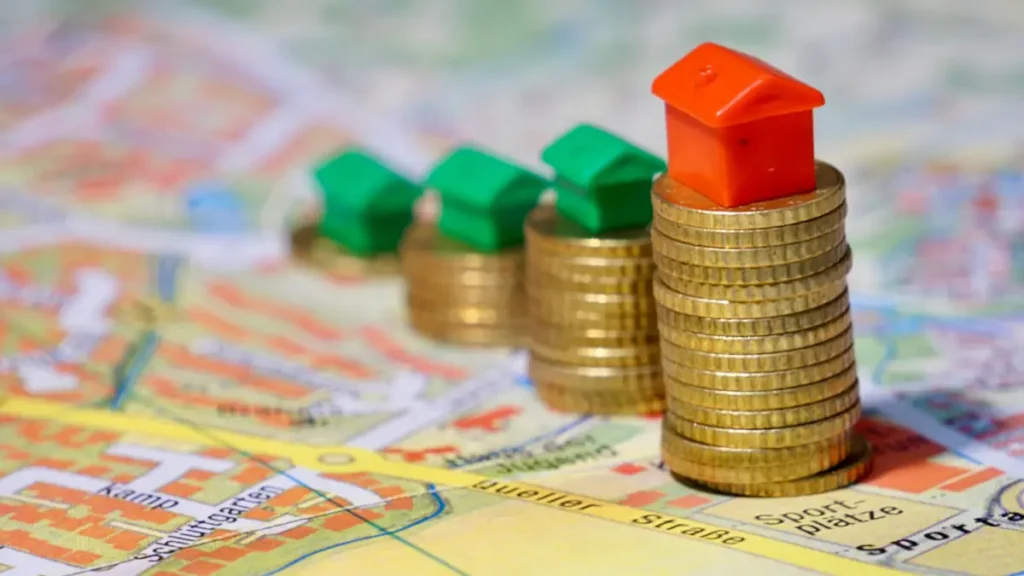
When I looked at the latest data from Realtor, I noticed something striking: the median list price for existing single-family homes “sold” in Southern Nevada hit $488,995 in November 2025, up from $474,370 in October. That’s a 1.9% jump in just one month.
What really stood out to me wasn’t just the price itself—it was the story behind it. Inventory is rising too. Las Vegas saw a 33% year-over-year increase in homes for sale. That’s a massive jump, and it means buyers now have more choices than they did during the super-tight summer months.
Sales are still moving fast, though. Homes in desirable neighborhoods are flying off the market, and agents tell me that families, relocating professionals, and investors are all competing for the same listings. You can feel the energy in the market—it’s like everyone’s waiting for the next big opportunity.
With inventory rising sharply, buyers are gaining more negotiating power on sale prices, similar to trends we saw earlier.
Factors Driving the Las Vegas Housing Boom
You might wonder why Las Vegas is suddenly so hot. Honestly, it’s not just one thing—it’s a mix of population growth, economic opportunity, and lifestyle appeal.
Clark County now has over 2.4 million residents, and the city draws roughly 43 million visitors each year. That constant influx of people isn’t just tourists—it’s potential buyers, movers, and investors. When you combine that with a business-friendly environment (hello, no state income tax!) and an economy that keeps expanding, you start to see why homes are in such high demand.
Investors are also playing a huge role. Cash buyers and flippers are snapping up properties, which keeps prices rising even as inventory grows. I’ve spoken with a few agents who say that even when the market feels “normalizing,” the competition is very real, especially for homes in prime neighborhoods.
Life Changes & Seller Motivation
One thing people often overlook is the human side of the market. Sellers aren’t just chasing profits—they’re responding to life changes.
Some families are looking for more space as kids grow. Empty nesters are downsizing. Career moves and relocations are bringing people closer to family or into cities with better opportunities. Then there’s the weather factor—Las Vegas summers can push some residents to seek milder climates.
Investors are cashing out too, especially after years of strong appreciation. So the supply you see isn’t random; it’s a combination of life events and financial strategies. Understanding this helps buyers know what’s driving listings and how to approach offers strategically.
International Appeal & Tourism Impact

Vegas isn’t just a local market—it’s international. Events like the 2025 Formula 1 Heineken Grand Prix draw crowds from across the world. Celebrity residencies, from Jennifer Lopez to Mariah Carey, put the city on the map as more than just a gambling destination.
Tourism has a direct effect on housing too. A strong tourism economy supports jobs, wages, and new residents.
With a GDP of $178.4 billion in Fall 2025, Las Vegas has the foundation to maintain sustained housing demand. For buyers, that means investing in a city with resilience, not just hype.
While other cities, like Boston, are facing steep property tax hikes, Las Vegas remains attractive with lower taxes and a business-friendly environment.
Mega Projects Shaping Future Real Estate
If you think the market is just about current homes, think again. Las Vegas is building for the future—and it’s exciting.
- A’s Stadium (opening 2028, $2B): 33,000-capacity stadium with under-seat cooling. Neighborhoods around it will likely see rising property value.
- Hard Rock/Mirage redevelopment (2027): Luxury resorts and entertainment hubs will impact surrounding residential demand.
- Four Seasons Residences (MacDonald Highlands, 2027): 171 luxury units in a $1.3B project.
- Brightline West High-Speed Train (2028): Connects Southern California to Las Vegas in 2 hours. Infrastructure like this makes commuting and investing in Vegas even more appealing.
Every project tells a story: the city is expanding its economic and lifestyle offerings, which in turn affects housing demand. If you’re thinking about buying now, these developments are key to consider.
If you want real-time updates on new listings and market changes in Vegas, there’s a handy way to get alerts straight to your phone via a messaging service.
Why Buyers Should Consider Las Vegas Now?
Here’s the takeaway I keep sharing with friends and clients: Las Vegas isn’t just another hot market—it’s a long-term opportunity.
Homes are still more affordable than costly coastal markets, incomes are rising, and supply is naturally constrained in desirable areas.
If you’re looking to buy, you want to think strategically—timing, neighborhoods, and investment potential. Waiting too long could mean missing out on growth, but buying blindly could lead to overpaying. Understanding both current conditions and future developments is the key.
Improving affordability in 2026 could open doors for first-time home buyers to finally enter the market, making strategic timing even more crucial.
Key Takeaways & Practical Insights
After diving deep into the numbers, trends, and future projects, here’s what I want you to take away if you’re thinking about Las Vegas real estate.
First, prices are high—but the rising inventory gives you more options than last year. You’re not just competing blindly; you can make informed choices. Second, demand is strong and multifaceted—families, investors, and even international buyers are all active. That means timing and strategy matter more than ever.
Third, the city is growing—not just in population, but in economy and infrastructure. New stadiums, luxury residences, and the Brightline West high-speed train will shape neighborhoods and long-term value. If you’re patient and strategic, you can position yourself ahead of these developments.
Finally, Las Vegas remains relatively affordable compared to coastal markets. That’s a huge advantage if you’re considering relocation, investment, or even a second home. You want to balance the excitement of the boom with smart planning and realistic expectations.
For more detailed listings, market trends, and home buying tips, explore our Real Estate & Homeownership section to stay ahead in the Las Vegas market.
Disclaimer: The information in this article is for general informational purposes only and reflects market trends as of November 2025. It is not financial, legal, or investment advice. Always consult a licensed professional before making real estate decisions.