15 Smart Home Tasks That Protect Your House While You’re on Vacation
I’ve seen this happen more times than I can count.
You lock the door, reach the airport, and then it hits you — Did I unplug the iron? Is there food rotting in the fridge? What if a pipe leaks while I’m gone? That low-level panic can ruin the first day of any vacation.
Most “before you leave” lists online feel rushed. They throw random tasks at you without explaining what actually matters, what’s outdated, and what people regret skipping after they come back home. I’ve gone through those articles closely, and they miss one key thing: real-life consequences.
When you leave your home unattended, even small oversights can turn into expensive problems — spoiled food, mold, water damage, break-ins, or just a messy, stressful return. I don’t want that for you. And honestly, you don’t need a 50-step checklist either.
That’s why I put together these 15 practical home tasks — not copied, not fluffed up — but based on what homeowners, security experts, and real travelers actually say works. These are the things I personally double-check before leaving, whether it’s a weekend trip or a long vacation.
If you do these right, you leave your house protected — and your mind clear.
Before we start, let me ask you something: When was the last time you came back from a trip and wished you had prepared your home better?
Why Preparing Your Home Before Vacation Is Non-Negotiable
I’ve learned this the hard way: packing your bags is easy, but leaving your home unprepared can quietly ruin your trip.
Most people rush straight to a checklist without understanding why these steps actually matter.
Home and lifestyle experts consistently point out that basic prep before leaving isn’t about being extra careful — it’s about avoiding problems that only show up when no one’s home. In fact, Good Housekeeping highlights that clearing perishables and managing waste before a trip is one of the simplest ways to prevent odors, bacteria, and post-vacation stress.
When you prepare your home properly, you’re really doing three things:
- Protecting your space from avoidable damage
- Making sure you don’t return to a mess
- Giving yourself mental peace while you’re away
I don’t want you thinking about your house while you’re supposed to be relaxing. That’s why we start with the kitchen — because most “I wish I had done this” moments begin there.
Kitchen Tasks You Should Never Skip

If your home could complain after a vacation, the kitchen would speak first. Food, moisture, and trash don’t wait politely while you’re gone.
1. Remove All Perishable Food from the Refrigerator
This is the first thing I check, every single time.
Even if you’re gone for just a few days, perishables can spoil faster than expected once the house is closed up. And once that smell sets in, it doesn’t disappear quickly.
Before you leave, make sure you:
- Throw out leftovers, dairy, cut fruits, and cooked food
- Check items pushed to the back of the fridge
- Wipe shelves if anything looks even slightly questionable
This isn’t about perfection — it’s about avoiding bacteria, odors, and pests that greet you when you return.
2. Take Out Trash and Recycling Completely
This is where people tell themselves, “It’s fine, I’ll be back soon.” Most of the time, it’s not.
Even a small amount of trash can:
- Start smelling in a sealed house
- Attract ants, flies, or roaches
- Make your home feel instantly unpleasant when you walk in
Before you leave:
- Empty all trash cans, including bathrooms and bedrooms
- Take recycling out too — food residue still smells
- Don’t leave bags sitting indoors “just in case”
Think of this as quiet pest prevention, not just cleaning.
3. Run the Dishwasher and Leave the Door Slightly Open
This one gets skipped a lot, and people regret it later.
Dirty dishes plus trapped moisture can lead to a musty, moldy smell — especially if your home stays closed for days.
What I recommend:
- Run the dishwasher, even if it’s not full
- Once it finishes, crack the door open slightly
- Let moisture escape before you walk out
It’s a small step, but it makes a noticeable difference when you come back.
Reduce Risk and Save Money While You’re Away
This is the part most people think they’ve handled — and that’s exactly why things go wrong.
Utilities and appliances don’t need much attention while you’re home. But when you’re gone, even a small oversight can turn into a safety issue or a surprise bill. I always remind myself: if something can overheat, leak, or keep running quietly, it deserves a second look.
4. Unplug Non-Essential Electronics
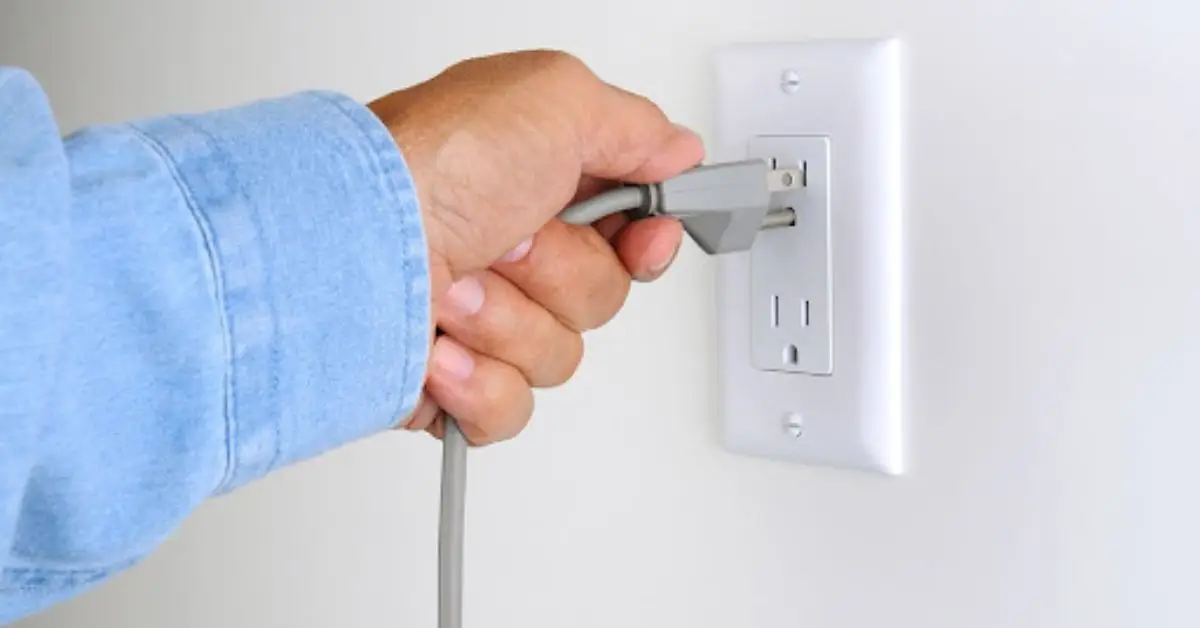
I used to ignore this step until I understood what actually happens when devices stay plugged in.
Even when they’re “off,” many electronics still draw power. That’s called phantom energy use. More importantly, faulty chargers, old power strips, or overheated devices can become fire risks when no one’s around to notice.
Before you leave, I suggest you:
- Unplug TVs, gaming consoles, coffee makers, and chargers
- Disconnect anything that doesn’t need to run 24/7
- Leave essentials like refrigerators plugged in, obviously
This isn’t about being paranoid. It’s about removing unnecessary risk while saving a bit on energy at the same time.
5. Adjust the Thermostat or Set Vacation Mode
This is one step readers actively look for — and for good reason. It directly saves money.
I don’t turn my system off completely, but I do adjust it so it’s not working harder than needed. Setting your thermostat back while you’re away can reduce unnecessary energy use without damaging your system. The U.S. Department of Energy recommends adjusting temperature settings during extended absences to avoid wasting power.
A simple approach:
- Raise the temperature in summer, lower it in winter
- Use “vacation mode” if your thermostat has one
- Avoid extreme settings that could cause humidity or freezing issues
You want balance — not comfort, not extremes.
6. Turn Off or Inspect the Main Water Supply
This is one of the most expensive mistakes people make.
A small leak under a sink or behind a washing machine can run for days when you’re not home. By the time you return, the damage is already done.
What I do before longer trips:
- Shut off the main water valve if possible
- At least check under sinks, toilets, and appliances
- Make sure hoses and valves don’t look worn
This one step can save you thousands and a lot of stress.
Make Your Home Look Occupied and Secure
Security isn’t just about locks. It’s about signals.
When a house looks empty, it becomes a target. When it looks lived-in, most trouble passes it by. Everything in this section is about sending the right message — even when you’re miles away.
If home security is a bigger concern for you, I’ve shared more practical advice in this guide on home security tips for vacation, especially for protecting your house while you’re away.
7. Lock All Doors, Windows, and the Garage
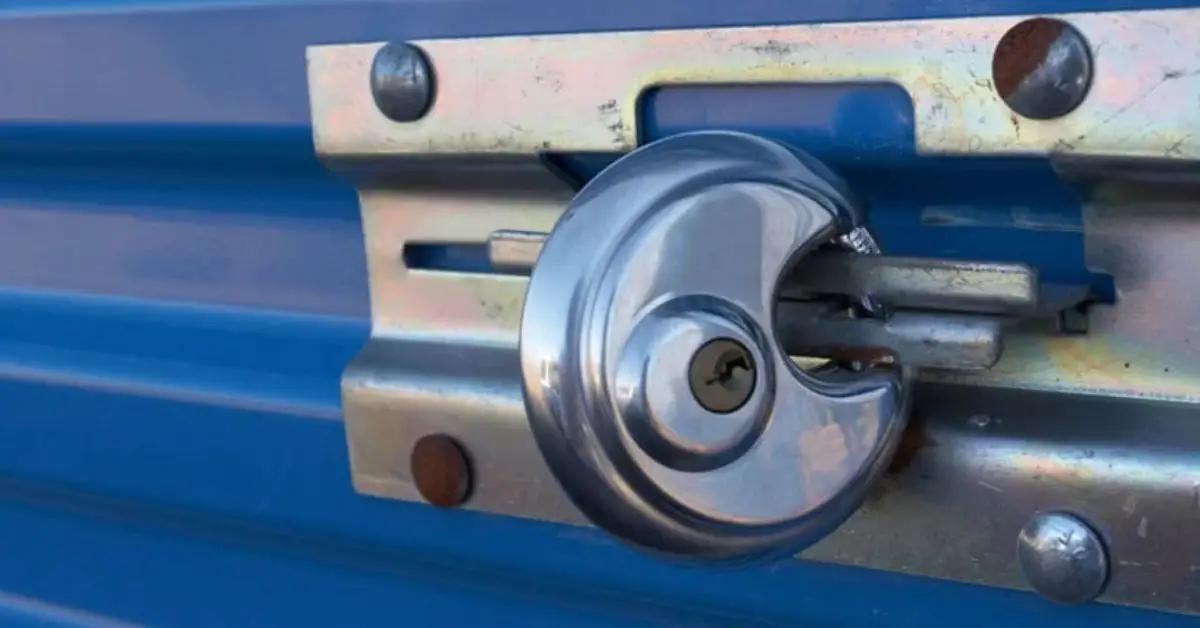
This sounds obvious, but I still do a slow, deliberate check every time.
I don’t rush it. I physically touch:
- Front and back doors
- Ground-level windows
- Garage doors and interior garage entry
This isn’t busywork. It’s about certainty. Once I’ve checked, I don’t second-guess myself later.
8. Set Light Timers or Smart Lighting
A dark house every night is a clear sign no one’s home.
I use timers or smart bulbs to create simple patterns — nothing fancy, just enough to show activity.
A few smart moves:
- Turn lights on in the evening, off at night
- Avoid running lights all day
- Use different rooms on different days if possible
This small detail makes a big difference in how your home appears from the outside.
9. Avoid Posting Travel Plans on Social Media
This is one of the most overlooked risks, especially now.
I get it — sharing trips is fun. But posting before or during your vacation tells the world your house is empty. That information doesn’t just reach friends. If you want to take prevention a step further, these expert-backed ways to keep trespassers and burglars out of your home explain small habits that make a real difference.
What I recommend:
- Post photos after you’re back
- Avoid countdowns or location tags in real time
- Keep your absence private
It’s a simple habit shift that adds an extra layer of security without costing you anything.
Manage What Happens Around Your Home While You’re Gone
You can lock everything and unplug every device, but if the outside world clearly shows no one’s home, that’s still a risk. Mail, packages, and silence all send signals — and I always make sure those signals don’t work against me.
10. Pause Mail, Newspaper, and Package Deliveries
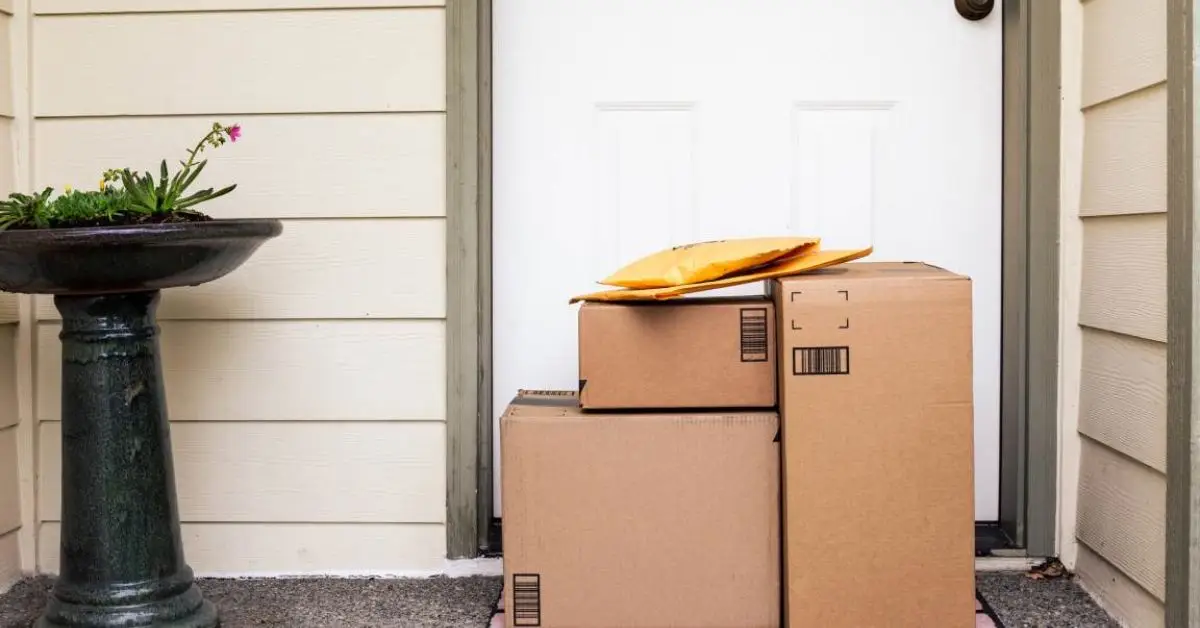
Overflowing mail is one of the biggest giveaways that a house is empty. It’s visible, predictable, and easy to spot.
Before any trip longer than a couple of days, I place a mail hold. It takes minutes, but it removes a very obvious sign of absence. The United States Postal Service allows you to temporarily stop mail delivery and resume it automatically when you’re back.
Here’s what I recommend you do:
- Put your mail on hold if you’ll be gone more than 3–4 days
- Pause newspaper delivery if you still get one
- Avoid ordering packages close to your departure date
This isn’t just about clutter. It’s about not advertising that no one’s home.
11. Ask a Trusted Neighbor or Friend to Check In
Technology helps, but it doesn’t replace human presence.
I always let at least one trusted person know I’ll be away. Not to babysit the house — just to keep an eye on things a few times.
When you ask someone to check in, be specific:
- Pick up any unexpected packages or flyers
- Make sure nothing looks damaged or out of place
- Text you if they notice anything unusual
Protect What Matters Most
This is the part people assume won’t matter — until it does.
I don’t expect something bad to happen, but I prepare as if I won’t be there to react. That mindset alone changes how carefully I handle valuables and information before leaving.
12. Secure Valuables and Important Documents
I don’t leave important items lying around, even in a locked house.
Before I go, I make sure:
- Jewelry, passports, and documents are stored out of sight
- Expensive items aren’t visible through windows
- Anything truly important is locked or secured
This step matters not just for theft, but also for insurance claims. I’ve also covered 5 things smart homeowners always store before leaving for vacation that people often overlook, but regret later if something goes wrong. If something does go wrong, how and where items were stored can make a difference.
13. Prepare Emergency Contact and Access Information
This is one of the biggest gaps in most vacation checklists.
If someone needs to act on your behalf — a neighbor, a sitter, or even emergency services — they shouldn’t have to guess.
I always leave:
- My contact number and travel details
- A backup contact if I’m unreachable
- Clear instructions for emergencies (water shutoff, breaker, alarm)
It’s not about expecting trouble. It’s about making sure small issues don’t turn into big ones because no one knew what to do.
Last 10 Minutes Before You Leave
This is the part I never rush — even if I’m running late.
Those final minutes decide whether you enjoy your trip or spend the first day replaying worries in your head. A quick, intentional walkthrough gives you closure. Once it’s done, you’re done.
14. Do a Room-by-Room Final Walkthrough

I don’t inspect. I confirm.
I walk through my home slowly, one room at a time, just to make sure everything looks the way it should. This simple habit has saved me from turning the car around more than once.
Here’s what I mentally check:
- Lights off, windows closed, appliances quiet
- No running water, no strange smells
- Counters clear, floors safe, doors shut
It takes less than 10 minutes, but it does something important — it calms your brain. You stop guessing and start trusting that you handled things properly.
This really is a 10-minute habit that saves hours of worry.
15. Lock the Door and Take a Photo Before Leaving
This sounds small, but it works.
After locking the door, I take a quick photo of it on my phone. That’s it. No drama.
Why I do this:
- If doubt creeps in later, I don’t spiral
- I have visual proof instead of memory fog
- I stop reopening the same mental loop
Frequent travelers talk about this trick all the time, especially in travel communities. It’s not about security — it’s about peace of mind. And once you try it, you’ll understand why people swear by it.
Adjust These Tasks Based on Your Home and Trip Type
One thing I want to be clear about — not every home or trip is the same.
If you live in an apartment, some steps (like yard care or water shutoff) may not apply. If you’re leaving for one night, you’ll do less than someone gone for two weeks. And seasons matter — winter and summer bring very different risks.
Use this checklist as a framework, not a rulebook.
Adjust based on:
- Apartment vs single-family home
- Short weekend trip vs long vacation
- Weather, season, and local conditions
That flexibility is what makes this list realistic — and trustworthy.
I’d love to hear from you.
Which step do you always forget until it’s too late — or which one saved you from a real problem before?
Drop your experience in the comments. Your insight might help someone else avoid a costly mistake.
And if you want more practical, no-fluff home guidance like this, explore more resources on Build Like New — everything there is written to help you protect, maintain, and feel confident about your home.
Disclaimer: These tips are meant for general guidance only. Every home, trip length, and season is different, so adjust the steps based on your situation. Always follow manufacturer instructions, building rules, and local safety guidelines when preparing your home before travel.