Real Estate Agent Killed in Minnesota After Being Lured to Fake Viewing
When I first read about what happened to Monique Baugh, I couldn’t believe it. A Minnesota real estate agent, someone who met clients every day and trusted strangers to show them homes, was lured into a trap—by a fake home showing no less—and ended up murdered. It’s the kind of story that makes you double-check every appointment and rethink how much you trust the world around you.
You need to know the chilling details. In June 2021, Lyndon Wiggins and his partner Elsa Segura orchestrated this scheme. They invited Monique to a property under the guise of a legitimate showing.
But the moment she arrived, two men abducted her, placing her in the back of a U-Haul trailer. Later, the same group tried to kill her boyfriend, who fortunately survived. Monique, tragically, didn’t make it.
What makes this case even more disturbing is the level of planning. This wasn’t a crime of impulse—it was calculated, executed step by step, and it exposes how vulnerable even experienced professionals can be when trust is manipulated.
As someone who follows these cases closely, I can’t help but think about the warning signs and the lessons we all need to take from this tragedy.
Timeline of the Crime
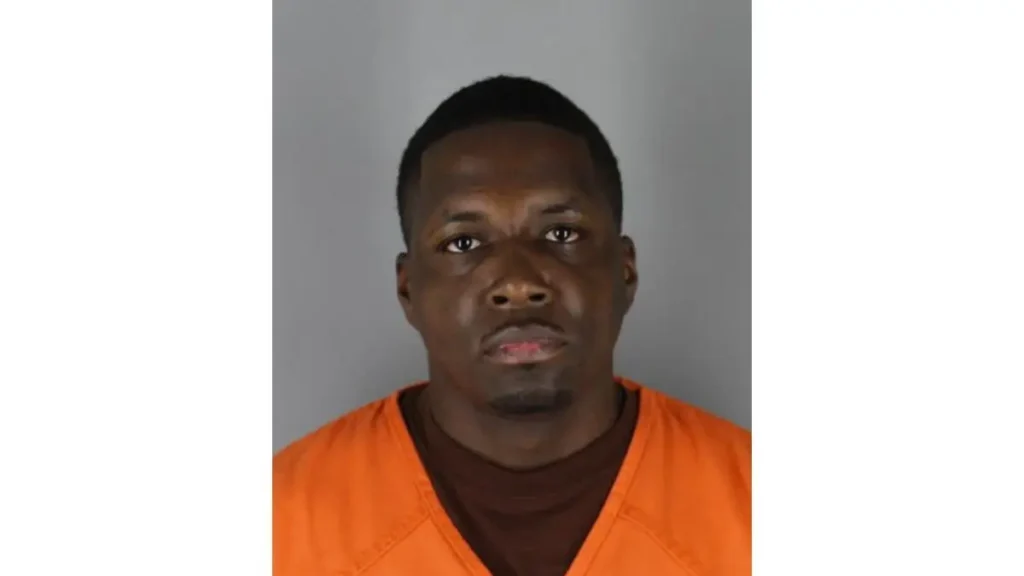
If you think crime only happens in movies, this case will shake that belief. According to CBS Minnesota, in June 2021, Lyndon Wiggins and Elsa Segura meticulously planned a fake home showing to lure Monique Baugh. From the moment she stepped into the house, the scheme unfolded. Two men abducted her and placed her in a U-Haul trailer.
The ordeal didn’t end there. The men drove the vehicle to Baugh’s boyfriend’s residence. A masked gunman entered and shot him. Luckily, he survived, though he had no idea who the attacker was at first. Monique, tragically, had already been shot three times and later died in the hospital.
This timeline shows the chilling level of premeditation. Every step was calculated—from the fake showing to the attack on her boyfriend. For anyone in real estate or frequently meeting strangers, it’s a stark reminder to never take safety for granted.
Similar calculated home-invasion schemes have shaken other communities, like the case in California where two suspects were taken into custody after a home burglary.
Legal Proceedings
The courtroom drama in this case was intense. Wiggins was originally convicted in July 2022 and sentenced to life in prison. But the Minnesota Supreme Court overturned the decision because the judge gave the jury incorrect legal instructions. Fast forward to his retrial, and Wiggins was found guilty of aiding and abetting first-degree premeditated murder, attempted murder, and kidnapping.
Elsa Segura’s path was similar but slightly different. Her original conviction was overturned, and she eventually pled guilty to kidnapping in 2024, receiving a 20-year sentence. Two other men, Cedric Berry and Berry Davis, were also convicted and sentenced to life without parole.
These legal twists show how complex high-profile criminal cases can get. As a reader, it’s a reminder that justice isn’t always immediate, but the system can eventually hold perpetrators accountable.
Cases like these remind us of the long legal battles in high-profile home invasion crimes, similar to the 2021 Michigan home invasion murder where the accused faced decades in prison.
Victim Profile and Community Impact
Monique Baugh wasn’t just a real estate agent—she was a trusted professional, a colleague, and part of her community.
Her sudden death left a mark not just on her family but also on the neighborhood and clients who knew her.
Social media posts and local tributes poured in, reflecting grief and disbelief. Neighbors remembered her as friendly and professional, someone always ready to help.
Sharing these human stories isn’t just about emotion—it shows readers that victims have real lives, making the tragedy more tangible.
Criminal Profiles and Motives

Understanding why Wiggins and Segura committed this crime requires looking at their backgrounds. Both had histories of criminal behavior, and their relationship seemed to reinforce reckless, manipulative decisions.
Experts suggest that crimes like this involve a high degree of planning and psychological manipulation.
It’s not just about opportunity—it’s about a mindset willing to hurt others to achieve a goal. Including these insights helps readers make sense of the incomprehensible, and it adds credibility to the story.
Broader Implications for Real Estate Safety
If you work in real estate, this story is a wake-up call. The National Association of Realtors emphasizes safety protocols, and this case highlights why.
Always verify clients, share your schedule with colleagues, and consider GPS tracking or alert apps.
Technology can’t prevent every threat, but awareness and preparation can make a real difference. Real estate agents, and anyone meeting strangers regularly, need to build safety into their routines. This section isn’t just informative—it’s practical guidance born from tragedy.
Even in Florida, there have been multiple home invasion cases, like the recent shooting incident involving five suspects, highlighting why safety measures are essential for anyone entering unfamiliar properties.
Key Takeaways & Actionable Advice
Reading about Monique’s story leaves you thinking: “Could this happen to me or someone I know?” That’s exactly why I want to share practical lessons.
- Always verify clients: Don’t rely solely on phone calls or emails. Use multiple methods to confirm identities.
- Share your schedule: Let a colleague, friend, or family member know where you’re going and who you’re meeting.
- Use technology: GPS apps, alert systems, and check-in reminders can save lives.
- Trust instincts: If something feels off, pause and reassess before proceeding.
Tragedies like this are heartbreaking, but they also teach us lessons that can prevent future harm. As you reflect on Monique’s story, ask yourself: Am I taking the right steps to protect myself and those around me?
I’d love to hear your thoughts—what safety practices do you follow, and how can communities better support professionals in high-risk situations? Drop a comment or share your story.
Disclaimer: This article is for informational purposes only and is based on publicly available sources. It does not constitute legal, professional, or safety advice. Readers should exercise their own judgment and consult experts when necessary.