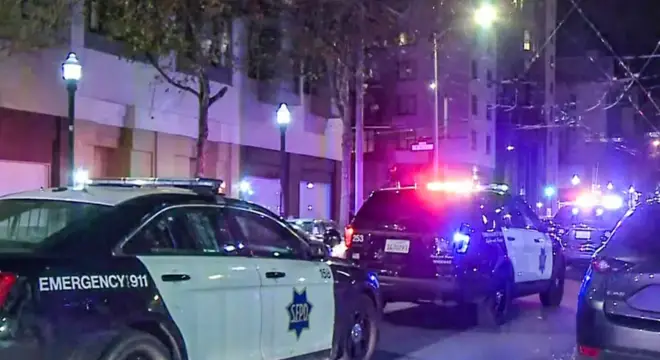
Man Killed in Mashpee Mobile Home Fire, Officials Investigating
I woke up today reading about the Mashpee mobile home fire, and I’ll be honest — it hit harder than most routine news alerts. A man who lived in that home for nearly 40 years… gone within minutes. And when you look closely at what happened inside that small trailer on Nathan Ellis Highway, you start to feel how fragile these situations really are.
A fire breaking out at 3 a.m. is every homeowner’s worst nightmare. You’re asleep, disoriented, and completely unaware of how fast smoke fills a room. And in this case, firefighters said something that always makes my stomach drop: they didn’t hear any smoke alarms going off. When you hear that, you instantly know the odds were stacked against him.
What makes this even heavier is the human side of it. Wayne Santos wasn’t just “a victim.” He was a 59-year-old man who had been living in that same home for decades. Disabled. Alone. And according to neighbors, dealing with heartbreak after heartbreak in the months before the fire. When someone loses a pet, then a child, then ends up isolated… it changes the way you read a headline like this.
For me, stories like this aren’t just about reporting what happened. They’re reminders — a nudge to look around our own lives and ask, “If something happened at 3 a.m., would I even know? Would the people around me be safe?”
Before we move deeper into the details — from the neighbors pounding on his door, to the propane tanks scattered around the yard, to the e-bike that may have sparked the fire — I want you to think about one thing:
When was the last time you checked your smoke alarm?
The Fire Breaks Out Before Dawn
When I looked at the early reports, one detail stood out immediately — the call came in just after 3 a.m. That’s the kind of timing where even a small fire can turn deadly because nobody’s awake to see, smell, or hear anything in time.
According to an official update shared on Facebook by the Mashpee Fire Department, crews reached the home on Nathan Ellis Highway within minutes. They were met with thick smoke already rolling out of the windows and flames pushing through parts of the structure. At that hour, a response is fast — but a fire is faster.
And if you’ve ever seen how quickly a mobile home burns, you know you don’t get many chances. Fire moves differently in those tight, compact spaces. One bad minute can change everything.
Victim Identified as 59-Year-Old Wayne Santos
The moment I read the name, I paused. According to WCVB’s report, the victim was Wayne Santos, 59 years old. His sister confirmed it. She said he’d lived in that mobile home for about 40 years and was disabled — which likely made escaping even harder that night.
It’s painful to imagine someone asleep, unaware, and unable to react fast enough. His sister shared that he had faced a lot of emotional weight in recent months — the loss of his dog, his daughter’s illness and passing. When you hear things like that, you don’t just picture a news story… you picture a person who carried more than most people knew.
And I kept thinking: when someone is living alone, especially after that kind of loss, these dangers grow quietly around them. One missed alarm, one spark, one late-night moment — and there’s no one there to shout their name.
Neighbors Describe the Terrifying Moments
The neighbors’ accounts are what pull you right into the reality of that night. One neighbor, Aden Reese, said he heard a strange pounding — not the kind of noise you brush off. You know that feeling when something sounds wrong, but you can’t place it yet? He looked outside and saw the glow of fire, and that’s when everything clicked.
He saw other neighbors banging on Wayne’s door, trying to wake him. I can’t imagine the panic they must have felt — seeing smoke, seeing flames, knowing someone is trapped inside, and feeling completely powerless.
Another neighbor, James Coddington, said something that stuck with me: “He’s gonna be missed. He will be missed. A great guy.” That’s the kind of grief that doesn’t come from casual acquaintance — it comes from years of small interactions, shared routines, waves across the yard.
Moments like these remind you that in small communities, a fire doesn’t just take a life. It shakes everyone around it.
Firefighters Faced Dangerous, Tight Conditions Inside the Home
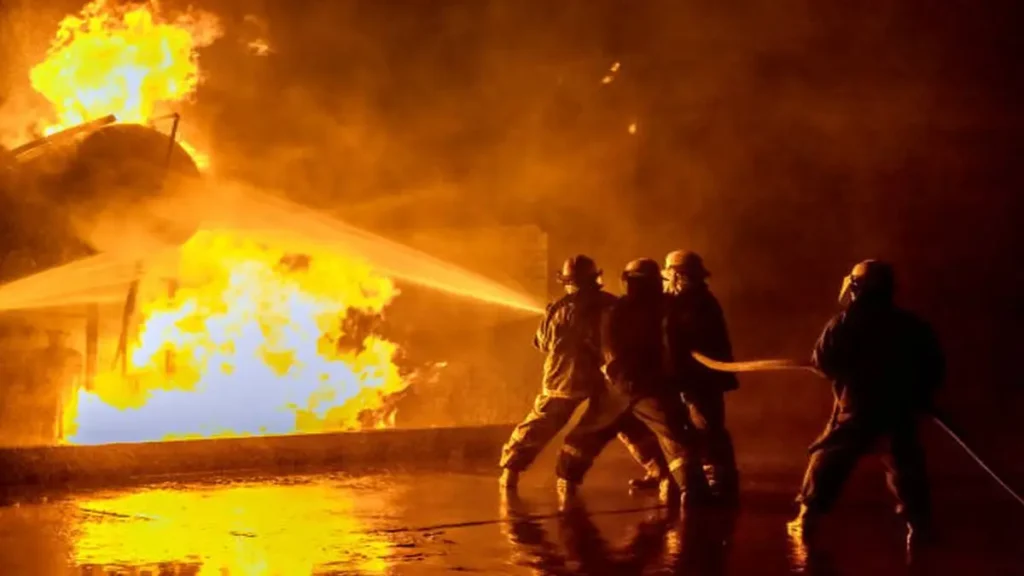
One detail that keeps coming up — and honestly, it’s one of the hardest to read — is that firefighters didn’t hear any smoke alarms going off when they got there. You and I both know what that means. Without that first warning, the fire already had a head start.
Inside, conditions were rough. The home was cluttered, which made it difficult for firefighters to move through the rooms. In a mobile home, that extra clutter can turn a rescue into a maze, especially with limited visibility.
Crews eventually had to cut into an exterior wall just to reach the bedroom. That’s not standard — that’s desperation mixed with urgency. When they got inside, they found Wayne, but by then, it was already too late.
Reading that made my chest tighten. You know the firefighters did everything humanly possible… but sometimes the fire simply wins the race.
Incidents like this remind me how quickly things can change during an emergency. I’ve been following real-time community alerts through a WhatsApp update channel that shares fast, verified incident reports — it’s been surprisingly helpful for staying aware of local emergencies.
Possible Fire Sources: E-Bike and Propane Tanks
This part is important, not for speculation, but for awareness.
Wayne’s sister said he used an e-bike, and neighbors mentioned the possibility that it may have contributed to the fire. We can’t say that with certainty yet — investigators will determine the official cause — but lithium battery fires are fast and violent. If that’s what happened here, even a few minutes could have made the difference.
But what truly scared me was the detail neighbors shared afterward: 30 to 40 propane tanks around and inside the property. Full ones.
One neighbor said it bluntly — firefighters prevented a catastrophe. If even one of those tanks had ignited, this wouldn’t have been a single-home fire. It would’ve been an explosion felt across the neighborhood.
It’s a reminder you and I should take seriously: sometimes the danger isn’t just the fire. It’s what the fire finds.
The Fire Isn’t Considered Suspicious, but the Cause Isn’t Clear Yet
One thing investigators made clear early on is that this fire isn’t considered suspicious. And honestly, when you look at the details — the e-bike, the propane tanks, the clutter, the late hour — it already paints a picture of how quickly things could go wrong without foul play.
But “not suspicious” doesn’t mean simple.
The exact cause is still under investigation, and I think that matters. Fires like this teach us patterns. They show us the weak spots we ignore in our own homes — old wiring, untested alarms, batteries charging overnight, things piled too close together.
And there’s another sobering detail: This isn’t an isolated case. It’s actually the fifth fatal residential fire since Oct. 1 in the region.
When you see numbers like that, it stops being a single tragedy and starts becoming a pattern we all need to pay attention to.
We’ve seen similar heartbreaking patterns in other states too — like the recent New York State home fire where a man lost his life during an early-morning blaze, which raised its own set of safety questions.
Safety Lessons You and I Shouldn’t Ignore
Whenever I read a story like this, I try to take something away from it. Not in a preachy way — just in a practical “what would I do if this happened at 3 a.m.?” way.
- Check your smoke alarms: If there’s one habit worth repeating, it’s this. Test them. Replace batteries. Don’t assume they’ll work.
- Be careful with e-bike batteries:Charge them on a stable surface. Don’t leave them plugged in overnight. Keep them away from sleeping areas.
- Don’t store propane tanks near living spaces: A yard full of tanks sounds harmless until a fire gets within inches of them. One spark can multiply fast.
- Clear exits matter more than we think: If someone needed to reach your bedroom tonight, could they? If you needed to leave quickly, would anything slow you down?
These aren’t dramatic questions — they’re the quiet ones that save lives.
It’s a reminder of how quickly things escalate — just recently, a Delaware County house fire left a child and a woman injured, even though firefighters reached the scene quickly.
A Community Grieves a Man They Truly Knew
What stays with me the most is how people talked about Wayne. Not as “a victim,” but as a neighbor they cared about.
They described him as generous, friendly, someone who’d been through more loss than anyone should. When you picture a man living alone after losing his dog and then his daughter… suddenly, the silence of that home feels heavier.
You can tell the community felt a responsibility toward him — that unspoken bond small towns share. And that’s why this fire doesn’t feel like just another emergency call. It feels like a failure life handed him when he was already carrying too much.
Neighbors didn’t just lose someone who lived nearby. They lost someone they watched struggle, survive, and stay kind despite everything.
It reminded me of another difficult incident — a Virginia house fire where one person was injured and a family lost their cat, showing again how deeply these events affect the people left behind.
Final Thoughts
When I step back from everything in this story — the timing, the silence, the rescue attempt, the heartbreak around Wayne’s life — it leaves me with a simple truth: most tragedies don’t come from dramatic moments. They come from small risks we ignore, habits we postpone, alarms we assume are working.
And I don’t say that to create fear. I say it because stories like this remind me how fragile a home can be at 3 a.m., and how much power you and I actually have to prevent the next loss.
If there’s anything to take away from Wayne’s story, it’s this: A few minutes of checking your alarms, clearing an exit, or unplugging a battery isn’t a chore — it’s a quiet act of care for the people who’d miss you.
Now I’m curious — what’s one safety change you’re planning to make after reading this?
If you follow local fire incidents or want to stay updated on safety stories and community reports, feel free to browse more updates on our website — we break down every case with care and clarity.
Disclaimer: This article is based on publicly available reports and statements from officials and community members. Details may change as the investigation continues. Nothing here should be taken as legal or official fire-safety guidance.