4 Simple Natural Fixes to Stop Ants During Winter Cold Snaps
Every winter, I notice the same thing happening in homes—temperatures drop, heaters turn on, and ants suddenly appear out of nowhere. Kitchen counters, sink edges, bathroom corners. If this is happening in your home, it’s not random. Ants don’t go away in cold weather. They move indoors because your home feels warm, safe, and full of food and moisture.
What many people don’t realize is that winter ants behave differently than summer ants. They’re slower, more focused, and heavily dependent on scent trails and hidden entry points. That’s why spraying random solutions or trying quick fixes often doesn’t work this time of year. The problem isn’t just the ants you see—it’s why they’re choosing your home right now.
I’ve worked with enough winter infestations to know this: if you interrupt their trails, remove the attractors, and block their access naturally, ants stop coming back. You don’t need harsh chemicals, especially indoors during colder months. You need methods that work with seasonal behavior, not against it.
In this guide, I’m sharing four natural ways to keep ants out of your home during cold weather—practical, safe methods that focus on prevention and control, not temporary relief. These are the same strategies I recommend when people want results without turning their living space into a chemical zone.
Before we get into it, tell me—where are ants showing up the most in your home right now?
Understanding Winter Ant Behavior and Why They Enter Homes
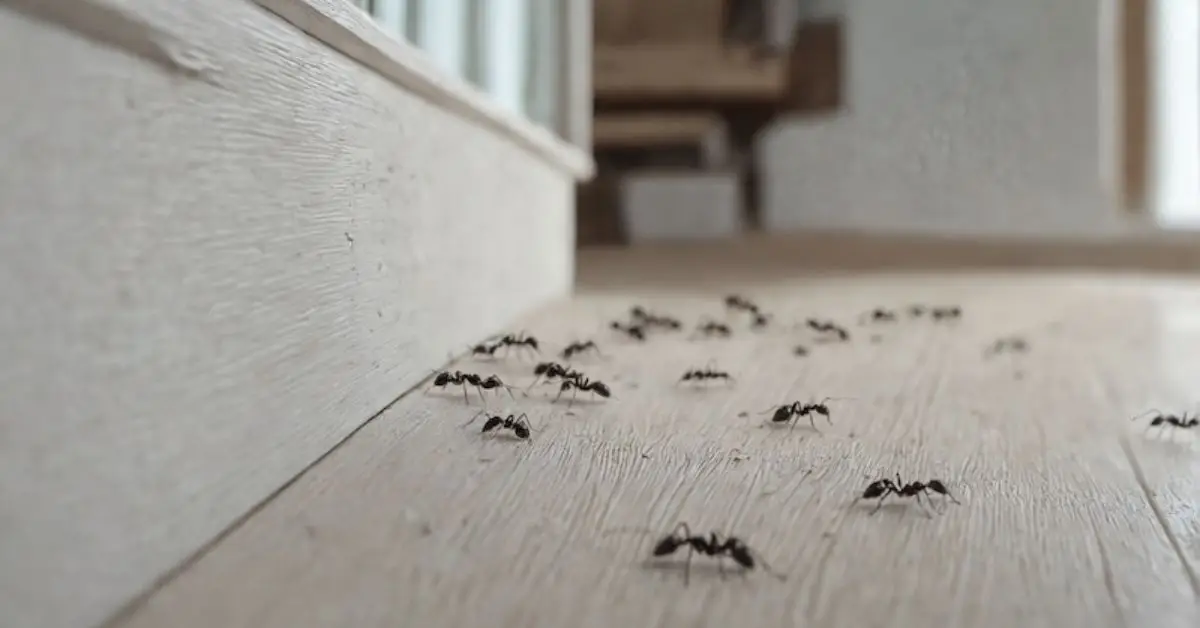
When it gets cold outside, ants don’t die or disappear. I see this misunderstanding all the time. What really happens is survival mode. Ants start searching for places that offer warmth, moisture, and easy food—and your home checks all three boxes. A lot of the time, the issue isn’t just the weather—it’s small daily habits inside the house that quietly invite ants in, especially in kitchens where food signals are strongest, as explained in 8 ways you’re accidentally attracting ants in your kitchen.
In winter, ant colonies slow down but stay active enough to scout safer environments. Indoor spaces become ideal shelters. That’s why ants can suddenly show up in colder months even if your home stayed ant-free all summer. Once you understand this shift, the solutions stop feeling random and start feeling logical.
How Cold Weather Triggers Ant Foraging Inside
Here’s what’s going on behind the scenes:
- Cold temperatures force ants to conserve energy
- Moisture from sinks, pipes, and bathrooms becomes more attractive
- Even small food crumbs turn into valuable resources
I’ve noticed winter ants move in tighter, more focused trails. They rely heavily on scent paths to avoid wasting energy. That’s why simply killing visible ants doesn’t work long-term. If you disrupt how they navigate, the problem slows down fast.
This also explains why prevention works better in winter than any other season.
Common Winter Entry Points You’re Probably Missing
Ants don’t magically appear. They enter through predictable weak spots, often ones you don’t notice day to day:
- Hairline cracks along baseboards and walls
- Gaps under doors and around window frames
- Pipe openings under sinks or behind appliances
- Foundation edges where cold air leaks in
Sealing these areas does more than block ants. It removes the warmth and moisture signals that guide them inside. Once those cues disappear, ants lose interest in your space.
Natural Method 1 — Vinegar and Citrus Barrier Spray
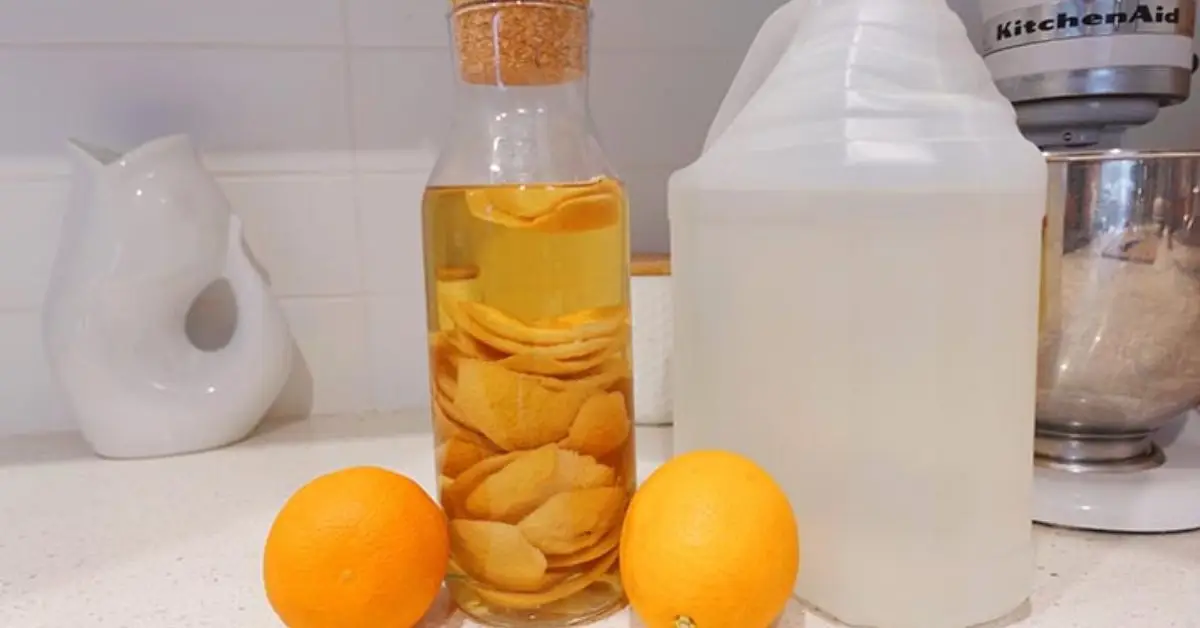
This is one of the most reliable natural methods I recommend because it targets ants where they’re weakest—their scent trails. Ants don’t navigate visually like we do. They follow chemical paths laid down by other ants. Vinegar breaks those trails instantly.
Here’s how you can make it at home:
- Mix equal parts white vinegar and water in a spray bottle
- Add fresh lemon juice or citrus peels for extra repelling power
- Shake well before each use
Apply the spray in these areas:
- Door frames and window sills
- Along baseboards where ants tend to travel
- Near sinks, drains, and pantry edges
Citrus works because ants naturally avoid strong acidic smells. Home care experts at Martha Stewart also recommend vinegar and citrus as an effective natural way to keep ants out during colder months.
One thing I always remind people—this isn’t a one-time fix. Use it daily for a few days, especially in winter, until the trails disappear completely.
Where have you noticed ants moving the most—along walls, near food, or around water sources?
Natural Method 2 — Essential Oils and Strong Scents Repellent
If you ask me for one natural method that works quietly but consistently, this is it. Ants rely heavily on smell to communicate, find food, and move as a group. Strong scents mess with that system. When their signals break, they stop moving with purpose—and eventually stop showing up.
I recommend these oils because they’re effective without being harsh:
- Peppermint oil
- Tea tree oil
- Eucalyptus oil
- Cinnamon or clove oil
Here’s how you can use them at home:
- Add 10–15 drops of any one oil to a spray bottle filled with water
- Shake before every use
- Spray around door frames, window edges, baseboards, and sink areas
- Soak cotton balls in oil and place them near visible ant paths or entry points
What makes this method work is confusion. Ants can’t follow their scent trails once strong odors overpower them. Health researchers and pest professionals have noted that oils like peppermint and cinnamon disrupt ant behavior rather than just killing them, which is why they’re often suggested as natural deterrents by Healthline.
If you’re dealing with winter ants, I usually suggest starting with oils because they’re easy to control and safe for regular indoor use.
Natural Method 3 — Physical Barriers and Safe Powders
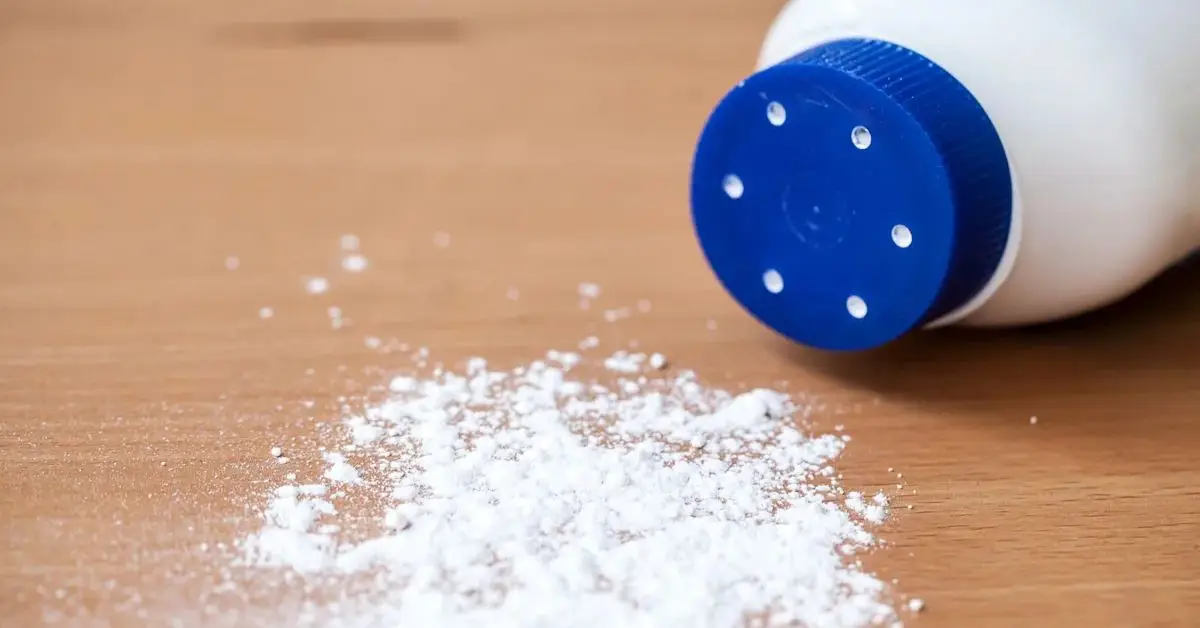
Not everyone wants to spray their home daily—and I get that. This method is for you if you prefer something more set-and-forget. Physical barriers work by blocking movement or damaging ants naturally when they cross certain areas.
Here are the most practical options I’ve seen work well in winter:
Food-Grade Diatomaceous Earth (DE)
- Sprinkle lightly along exterior foundations, cracks, and entry points
- Use food-grade only, not pool-grade
- It works by drying ants out when they crawl over it
This is especially useful in dry winter conditions when ants are already stressed.
Baking Soda and Sugar Mix
- Mix equal parts baking soda and sugar
- Place small amounts near ant trails
- Sugar attracts ants; baking soda interferes with their digestion
This method works best when ant activity is light and localized.
Ground Cinnamon or Pepper Lines
- Draw thin lines near doorways, windows, or cracks
- Ants avoid crossing strong-smell barriers
- Reapply after cleaning or moisture exposure
What I like about these options is that they don’t rely on killing ants instantly. They focus on making your home harder to move through. That’s exactly what you want in winter, when ants are already operating with limited energy.
If you had to choose right now—would you rather spray entry points or place barriers and let them work in the background?
Natural Method 4 — Home Hygiene and Prevention Tactics
If I’m being honest, this is the part most people skip—and that’s exactly why ants keep coming back. Natural sprays and barriers help, but without prevention, you’re only slowing the problem, not stopping it. In winter especially, ants remember safe locations. If your home keeps offering comfort, they’ll return.
This method is about removing the reasons ants choose your space in the first place.
Daily Cleaning Routines
You don’t need to deep-clean your house every day. What matters is consistency in a few key areas:
- Wipe kitchen counters after cooking or eating
- Sweep floors where crumbs collect, especially near walls
- Clean pet feeding areas once meals are done
Even small food traces matter in winter. Ants are working harder to survive, so what feels minor to you feels valuable to them.
Moisture Control
In colder months, moisture becomes even more attractive than food. I always suggest checking these spots first:
- Leaky pipes under sinks
- Damp bathroom corners
- Condensation near windows
- Water trays under appliances
Fixing drips and reducing humidity removes one of the strongest signals ants follow indoors. Pest experts often point out that winter ants are drawn indoors less by food and more by moisture, as explained by professionals at Specter Services.
Seal Entry Points
This step doesn’t feel exciting, but it’s powerful.
- Caulk small cracks along walls and baseboards
- Add weatherstripping under doors and windows
- Seal gaps around pipes and utility lines
Natural repellents work best when ants can’t easily re-enter. These same prevention habits don’t just help with ants—when done right, they also reduce flies and mosquitoes indoors, which I’ve broken down step by step in 10 easy ways to stop ants, flies, and mosquitoes from invading your home. Sealing turns short-term control into long-term prevention.
Bonus Tips 
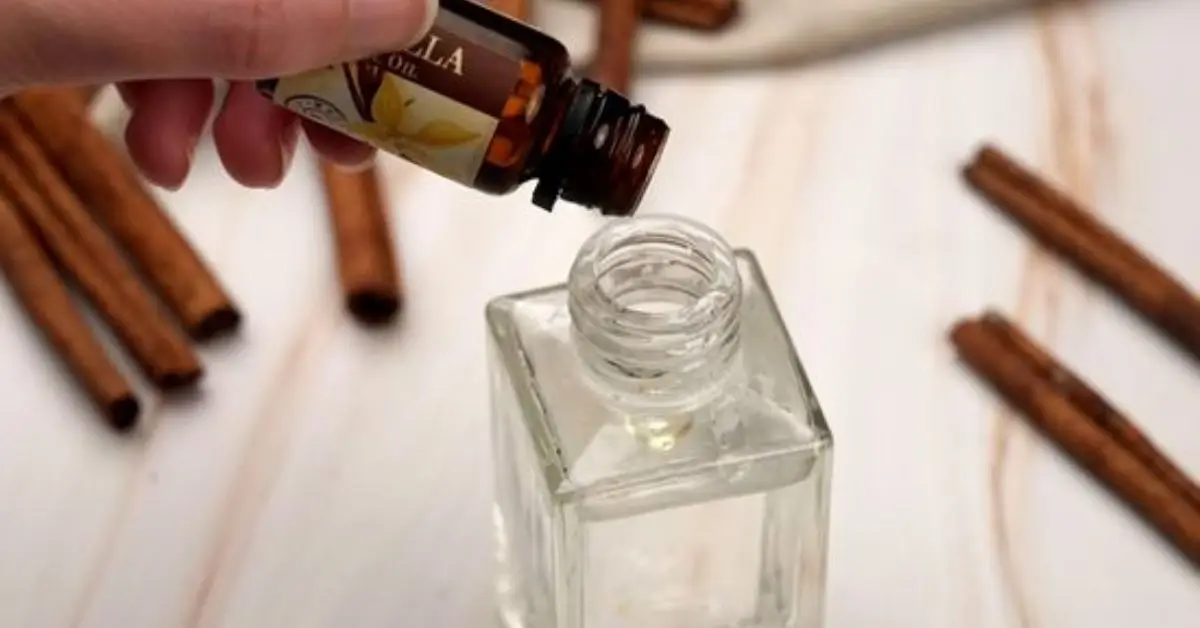
Image Credit: wikiHowI always pay attention to what real homeowners share—not just experts. Some of the most practical ideas come from people dealing with ants in everyday situations.
Here are a few that come up often:
- Mixing vinegar with cinnamon oil to create a stronger scent barrier
- Drawing chalk lines temporarily to disrupt ant trails before sealing entry points
What I like about these tips is that they’re low-risk and easy to test. They won’t replace the main methods, but they can support them when ant activity is stubborn. Some homeowners also look for longer-term, natural deterrents that work quietly in the background, like certain plants that discourage pests from coming close to the house, similar to scent barriers used indoors—examples are shared in rats will avoid your home completely if you plant these 3 common plants.
Which prevention step feels hardest for you right now—cleaning, moisture control, or sealing entry points?
When Natural Methods Aren’t Enough
I always believe in being honest about limits. Natural methods work well in most winter situations—but not all. Sometimes, ants are already too established, and no amount of spraying or sealing will fully solve the problem on its own.
Here are signs I look for when natural control may not be enough anymore:
- You still see clear ant trails even after several days of consistent treatment
- Ants keep reappearing from the same wall, crack, or corner
- You hear faint rustling sounds inside walls or see ants coming from electrical outlets
At this stage, frustration usually kicks in—and that’s normal. Severe infestations behave differently because the nest may already be inside the structure. Home care experts often point out that natural methods are most effective before colonies settle deep indoors, which is why setting realistic expectations matters. This doesn’t mean natural methods failed. It usually means timing matters—and prevention should start earlier next season.
Final Note
If you take one thing away from this guide, let it be this: ants don’t invade homes randomly in winter. They follow warmth, moisture, and easy access. When you remove those three things consistently, natural methods work far better than people expect.
To recap, you now know how to:
- Break scent trails using vinegar, citrus, and essential oils
- Block movement with safe powders and physical barriers
- Remove food and moisture signals through daily habits
- Seal entry points so ants can’t come back
Consistency is what turns these from “tips” into real solutions.
If you’ve dealt with winter ants before, what worked for you—and what didn’t? Drop your experience in the comments. It genuinely helps other readers make better choices.
And if you want more practical, no-fluff home improvement and prevention guides, explore more resources on Build Like New—that’s where I share what actually works in real homes, not just in theory.
Disclaimer: The information shared in this article is for general home-care and educational purposes only. Results may vary depending on the type of ants, home conditions, and severity of infestation. Always use natural products responsibly, keep them away from children and pets, and consult a licensed pest professional if ant activity persists or worsens.