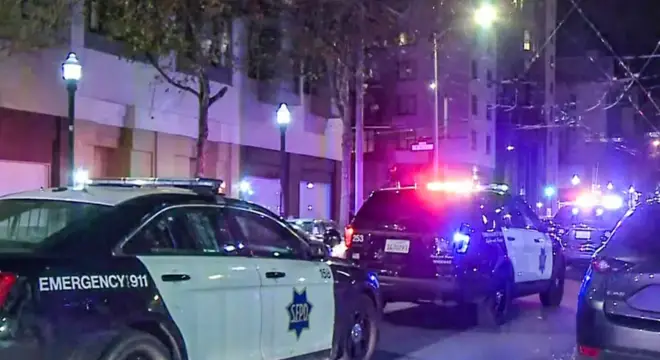
New Orleans House Fire Displaces 2 Residents
I want to start with the facts, because if you’re here, you’re probably trying to understand what exactly happened — not read fluff.
Monday evening, around 6:27 p.m., a fire broke out at a two-story home in New Orleans’ Central City neighborhood, on the 2200 block of Baronne Street near Philip Street. This wasn’t a small, contained incident. Fire crews from the New Orleans Fire Department arrived to find heavy fire conditions already taking hold of the structure.
As firefighters worked to control the flames, it became clear that one alarm wouldn’t be enough. More than 30 minutes later, a second alarm was called, bringing in additional crews and equipment. If you’ve ever watched a fire response up close, you know this step is taken only when conditions worsen or the fire refuses to cooperate.
It took nearly an hour and a half for crews to fully extinguish the fire. That detail matters. Fires that burn this long usually leave serious damage behind, even if they don’t cause injuries.
The good news — and this is important — is that no one was inside the home at the time. According to officials, two occupants had already exited safely, and no injuries were reported. Still, both residents were displaced, meaning they couldn’t return to their home that night.
When you look at the photos shared by NOFD later, you can see why. The back of the home was heavily charred, a clear sign of how intense the fire became before crews gained control.
If you live in or around Central City, this kind of incident hits close to home. Older houses, tight spacing, and fast-moving fire can turn a normal evening into a long night in minutes.
Now I want to hear from you: Have you ever witnessed a house fire in your neighborhood, or do you feel prepared if something like this happens near your home?
Fire Escalates — Why a Second Alarm Was Called
When I looked closely at similar fire reports in New Orleans, one thing stood out: a second alarm is never routine. It usually means the fire is either spreading fast or becoming harder to control.
In this case, that’s exactly what happened.
According to WWLTV, the first alarm went out at 6:27 p.m., but as crews worked the scene, the situation didn’t ease up. More than 30 minutes later, a second alarm was requested, signaling that firefighters needed extra manpower and equipment to stop the fire from getting worse.
From your side as a reader, this detail matters because it tells you how serious the conditions were. Fires that escalate like this can threaten nearby homes, especially in neighborhoods where houses sit close together.
By the time the flames were fully under control, crews had been on scene for nearly an hour and a half. That’s a long fight — and it explains why the damage was significant, even though no one was hurt.
Two Residents Displaced — Safe, But Unable to Return Home
This is where the story stops being just about fire trucks and alarms — and starts being about people.
Officials confirmed that two occupants were living in the home, and both managed to get out safely before firefighters arrived. No injuries were reported, which is always the first thing I look for in incidents like this.
But safety doesn’t mean life goes back to normal.
Because of the damage, both residents were displaced. That means no bed to sleep in that night, no quick return to grab essentials, and a sudden need to figure out what comes next. If you’ve ever been displaced after an emergency, you know how overwhelming that moment can feel.
This is a detail many quick news updates gloss over, but for the people involved, displacement is often the hardest part.
Visible Damage — What the Fire Left Behind
Later, the New Orleans Fire Department shared photos from the scene, and they told the story better than words alone could.
The images show the rear of the two-story home heavily charred, with clear signs of intense heat and fire damage. Even without seeing the inside, it’s obvious the structure took a serious hit.
For you as a reader, this explains why the home wasn’t immediately livable. Fires don’t have to collapse a building to make it unsafe. Smoke, heat, and structural damage can make returning dangerous long after the flames are out.
This kind of visual evidence adds context that many SERP articles skip — and it helps you understand the real impact beyond the headline.
Fires like this aren’t uncommon in New Orleans, similar to how a row house fire in Washington was extinguished early this year without injuries, but still caused significant property damage.
How Firefighters Handled the Blaze?
Here’s what we know directly from the New Orleans Fire Department’s official Facebook press release.
Firefighters arrived to find heavy fire conditions at the two-story home in the 2200 block of Baronne Street. As conditions intensified, crews struck a second alarm to bring in additional resources and prevent the fire from spreading further.
According to NOFD, both occupants had already exited safely, and no injuries were reported during the operation. Firefighters stayed on scene until the fire was fully controlled and extinguished.
This official confirmation matters. In breaking incidents, rumors spread fast — but information from NOFD helps separate facts from speculation and builds trust in what you’re reading.
Cause Still Unknown — What Happens Next
Right now, one key question remains unanswered: what caused the fire?
Officials have confirmed that the cause is under investigation. That’s standard in structure fires, especially when damage is severe. Investigators will look at multiple factors, including electrical systems, possible accidental causes, and the fire’s point of origin.
If you’re expecting quick answers, this part can feel frustrating — but it’s also important. Jumping to conclusions before an investigation is complete often leads to misinformation.
As more details are confirmed by authorities, updates are expected. Until then, everything beyond official statements remains speculation.
Let me ask you something: Do you feel confident that your own home is prepared for a fire emergency — or is this the kind of story that makes you pause and think about safety a little differently?
Why Central City Fires Raise Bigger Concerns?
If you live in or near Central City, you already know this isn’t just “another house fire.”
Many homes in this part of New Orleans are older, closely spaced, and built with materials that allow fire to spread fast. When one house catches fire, nearby structures are often at risk — especially during evening hours when people are returning home.
That’s why incidents like this matter beyond one address. A single fire can turn into a block-level emergency if conditions line up the wrong way. For you as a resident or homeowner, this is a reminder that location and structure type play a real role in fire risk.
If you want quick updates on local incidents like this, there’s a WhatsApp alert channel that shares timely fire and safety news from New Orleans neighborhoods.
What Officials Have Confirmed So Far?
To cut through noise and assumptions, here’s what has been officially confirmed.
The New Orleans Fire Department stated that crews responded to a two-alarm fire at a two-story home on the 2200 block of Baronne Street. Firefighters encountered heavy fire, called a second alarm for support, and successfully controlled the blaze.
Two occupants exited safely before crews arrived. No injuries were reported.
The cause of the fire remains under investigation.
Older structures in dense neighborhoods often face similar risks, as seen when one person died in a Gibsonburg house fire, highlighting the importance of prevention and awareness.
A Simple Safety Takeaway for Homeowners
I don’t believe in fear-based advice, but I do believe in learning from real situations.
This fire shows how fast things can escalate — even when no one is home. Early evacuation, working smoke alarms, and clear exits make a real difference. The two residents here got out safely, and that likely prevented a far worse outcome.
If you’re reading this and thinking, “I should probably check my smoke detectors,” that’s not overthinking. That’s being prepared.
Checking smoke alarms and planning exits can save lives — as with a mobile home fire in Erin where one person was injured — preparation really matters.
What to Expect Next — And Why Updates Matter
Right now, the investigation is ongoing. That means no official cause, no final damage assessment, and no timeline for when the residents might return.
As more details are released, updates will come from official sources — not rumors or social media guesses. Until then, the focus stays on confirmed facts and safety.
Before you scroll away, let me ask you something honestly: Do you know how you’d get out of your home if a fire started tonight — and does everyone you live with know it too?
For ongoing updates and more local stories like this, follow us on X and join our Facebook group to stay connected with your community.
Disclaimer: This report is based on information released by the New Orleans Fire Department and local media at the time of publication. Details may change as investigators continue their work. Readers are advised to rely on official updates for the most accurate and confirmed information.