New York State Home Engulfed in Flames, Fire Causes Major Damage
I still remember reading about the Batavia home fire and feeling a shiver run down my spine. A house tucked away on Pike Road went up in flames while the homeowners were out of town. Imagine coming home to that news—the place you call safe, engulfed in smoke and fire.
The fire spread quickly, climbing from the first floor to the second, and then into the attic. Firefighters rushed to the scene, facing not just the flames but the challenges of a long, snow-covered driveway that made getting equipment to the house far from easy.
One brave firefighter was injured while battling the blaze, though thankfully, the injury was minor and treated on site.
Reading through the details, I couldn’t help but think about how vulnerable any home can be, even when we take precautions. Distance from the road, icy driveways, and multi-level layouts can turn a normal fire into a dangerous situation in minutes.
It’s a stark reminder: fire safety isn’t just about smoke detectors or extinguishers—it’s also about planning for the unexpected and understanding the unique risks your home faces.
Timeline and Challenges of the Fire
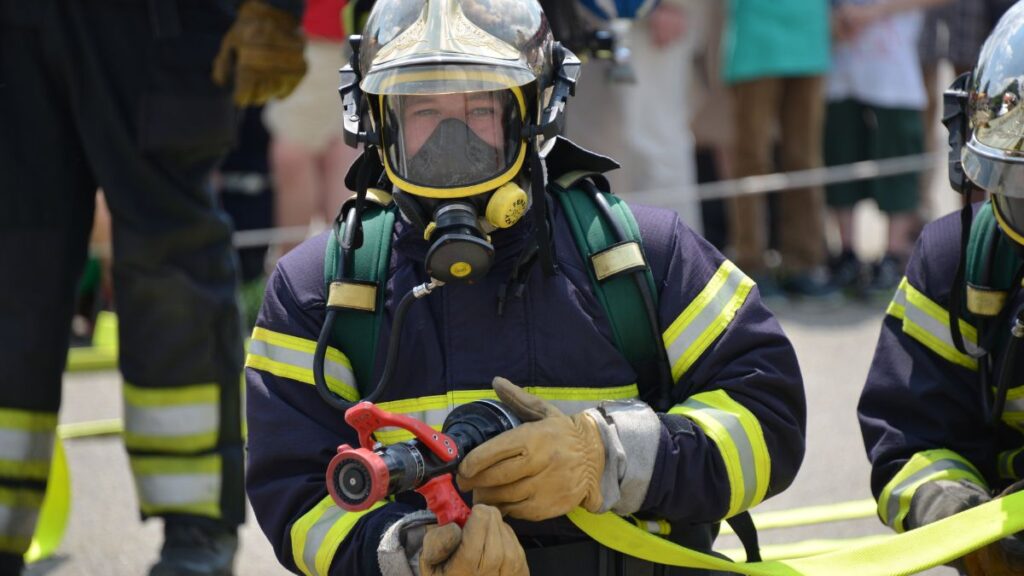
When I first read the WGRZ report, I could picture the chaos at the Batavia home on Pike Road. The fire started Tuesday night and quickly spread from the first floor to the second and then into the attic. Firefighters had to battle not just the flames but also a difficult driveway—about 1,000 feet from the road, icy and snow-covered.
One firefighter was injured during the fight but was treated on-site and didn’t need to go to the hospital. The scene was challenging, and yet, the team managed to get everyone and all the necessary equipment up the driveway, adjusting tactics on the fly.
Reading about this, it hit me how much location and access can influence fire response. It’s not just the fire itself; it’s how quickly help can reach you.
For anyone living in remote or hard-to-access homes, this is a wake-up call to consider emergency access in your fire safety planning.
In another incident, the West Phoenix fire left seven residents without a home, showing how quickly flames can disrupt lives.
Common Causes of Home Fires in New York
I’ve studied hundreds of fire reports, and one thing is clear: most residential fires are preventable. Cooking accidents lead the list, especially unattended stoves or grease fires.
Heating equipment like space heaters or old furnaces are next, particularly in cold months. Electrical malfunctions—overloaded outlets, frayed cords, faulty wiring—also pose a real threat.
And don’t forget the smaller risks: candles, dryers, and smoking materials can start serious fires in seconds. Understanding these common causes helps you spot the weak points in your own home before it’s too late.
Risk Factors That Make Fires Worse
Here’s something many people overlook: not all homes are equally vulnerable. Older homes with outdated wiring, multi-level layouts, and attics can allow fire to spread faster.
Add in winter conditions like snow and ice or remote access, and you’ve got a situation where even the best firefighters face delays.
This Batavia fire illustrates exactly that. When I read about the snow-covered, long driveway, I realized it’s not just about having smoke detectors—it’s about assessing your home’s unique risk factors and planning accordingly.
Similar to how a Rhode Island mobile home fire tragically turned deadly, even small oversights in safety measures can escalate quickly.
Practical Lessons for Homeowners
What can you take away from this? First, make sure your home has functioning smoke detectors on every level and near sleeping areas.
Second, keep fire extinguishers accessible, and know how to use them. Third, plan escape routes and ensure driveways or access points are clear—especially in winter.
I always tell friends and family that fire safety isn’t just a checklist—it’s a mindset. Think about where a fire could start, how it could spread, and what could slow down help.
Those small precautions can make all the difference.
You can also get quick updates and tips about recent home fires and safety alerts via WhatsApp—just check the latest posts for real-time info.
Community Awareness and Bigger Picture
Fires don’t just affect one household—they ripple through communities. Emergency responders, neighbors, and local services all feel the impact.
That’s why community awareness is so important. Encourage local discussions on fire safety, check on elderly or vulnerable neighbors, and advocate for proper building codes and preventive measures in your area.
When I consider the Batavia incident, I see it as a lesson not just for homeowners but for the entire community: preparation and awareness save lives.
Cases like the Russell Springs home fire remind us why having accessible fire extinguishers and clear escape routes is critical.
Investigation & Next Steps
Reading about the Batavia fire, one question keeps coming up: what actually caused it? As of now, investigators are still working to determine the exact origin. It could be anything—from cooking mishaps to electrical faults—but until the official report is released, all we can do is stay cautious and learn from the event.
For you as a homeowner, this is a chance to take proactive steps. Check your wiring, make sure smoke detectors are functioning, and confirm that your escape routes are clear. If you live in a house that’s hard to access or has a long driveway, think about how emergency responders would reach you. Could snow, ice, or blocked paths slow them down? Planning ahead can save precious minutes—and lives.
Finally, I want to leave you with a question: if a fire broke out in your home tonight, how prepared would you be? Take a moment to walk through your house mentally, spot potential hazards, and make a plan. The Batavia fire reminds us that disasters can happen when we least expect them—but preparation gives you a fighting chance.
For more stories on home safety and fire prevention, explore our Home Incidents section.
Disclaimer: The information in this article is based on publicly available reports and sources. It is intended for general informational purposes only and should not replace professional advice or official guidance. Always follow local authorities’ instructions and safety recommendations.