Man Killed in New York State Home Fire; Officials Investigating Origin
I want to start by laying out the facts as clearly as possible, because when a story involves a life lost inside a home, people deserve straight information without noise.
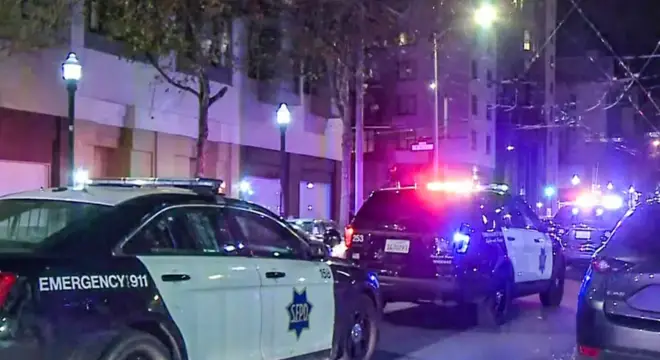
On Wednesday afternoon, just after 3:06 p.m., firefighters and police were called to a single-story ranch home on the 100 block of Mason Drive in Camillus. When crews pulled up, the house was already pushing out heavy smoke — the kind that tells you the fire had a head start before anyone realized what was happening.
Inside the living room, they found the homeowner, a man in his 60s. He was the only one home at the time, and despite how quickly first responders moved, he didn’t survive.
Right now, investigators haven’t pinpointed what started the fire. And honestly, that’s common in the early hours of a case like this — especially when smoke damage makes the room almost unreadable at first glance. What matters is that the team is still digging, and they’ll release answers when the evidence is solid.
What Authorities Are Saying?
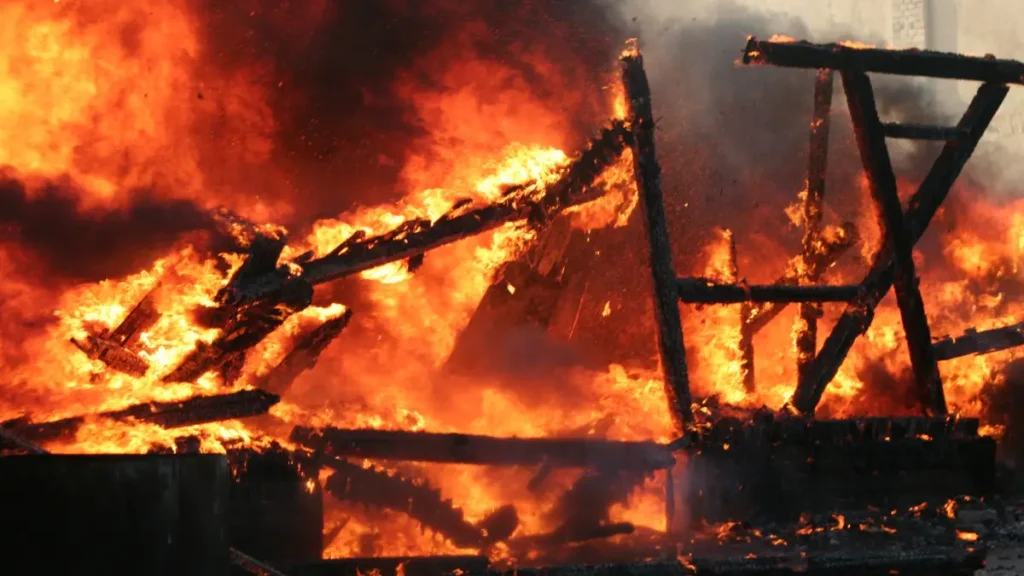
When I went through the detailed report from CNYCentral, one thing was clear: responders reached the home fast, but the scene they walked into was already overwhelming. According to CNYCentral’s coverage, crews arrived shortly after 3 p.m. and found heavy smoke pouring out of the single-story ranch home on Mason Drive. They confirmed that the man who lived there — someone in his 60s — was discovered dead inside the living room.
The CNYCentral report also included confirmation from Camillus Police Chief Mike Schreyer, who made it clear that the homeowner was the only person inside at the time of the fire. There were no signs of additional victims, no injuries to neighbors, and no immediate indicators pointing to an exact cause.
Right now, officials have labeled the cause “undetermined,” which usually means investigators didn’t find anything obvious at first glance — no clear electrical burn-out, no appliance failure that stood out, no visible ignition point. That can happen when smoke and heat destroy early clues, or when the fire’s movement makes the original spark harder to trace.
What authorities are emphasizing is that the investigation is active. They’re not ruling out any possibilities yet. In cases like this, the scene has to be studied slowly and methodically, piece by piece, before anyone can speak with certainty.
It reminded me of a recent Tallahassee home fire where crews stopped the spread just in time — a very different outcome, but it shows how much timing decides everything.
What Other Local Reporting Shows?
The LocalSYR report lines up with the broad facts, but they added one small detail that helps build a clearer picture of the moments before the fire was discovered. According to LocalSYR’s coverage, the victim was found alone inside the home, which directly supports what police said from the start.
LocalSYR didn’t speculate or stretch the story — they kept to the essentials: a man was found dead, the fire was inside a single-story home, and investigators were still working through the scene to figure out what triggered it. Their reporting reinforces that this wasn’t a situation with multiple people, suspicious activity, or a rushed conclusion.
Sometimes, when two local outlets run the same story, the gaps between them highlight what investigators are keeping tight. In this case, both outlets stuck to the basics, which tells me police are being cautious with details until they’re absolutely sure about the cause.
Why Determining the Cause Takes Time?
Whenever someone dies in a home fire, the first question people ask is “How did it start?” I’ve seen this in dozens of cases, and I can tell you — answering that isn’t as simple as looking at a burned wall or a melted device.
Most fires erase their own evidence. Smoke coats everything. Heat distorts metal. Furniture collapses in ways that don’t always match the original fire pattern. Even the room layout can shift from the pressure changes inside the house. By the time investigators enter, the space rarely looks like the place where the fire began.
In a living room, especially one inside a ranch-style home, there are multiple ignition possibilities: old wiring inside the walls, an overloaded outlet behind a couch, a heater running in the corner, a cigarette left burning, even a spark from an older TV. The challenge is that all of these things burn differently — and once they’re gone, they don’t leave behind easy fingerprints.
Investigators also have to consider the victim’s position. Where he was found can hint at whether he tried to escape, whether smoke overtook him quickly, or whether the fire spread silently before it became visible. Toxicology, appliance testing, room-by-room reconstruction — all of this takes days, sometimes weeks.
So when officials say “undetermined for now,” it isn’t a vague answer. It’s usually a sign that they’re being responsible and not jumping to conclusions.
I usually keep an eye on real-time safety alerts and fire updates shared through community-focused WhatsApp channels, because they often report early signs and follow-ups that official sources release later.
Factors That Commonly Trigger Fires in Homes Like This
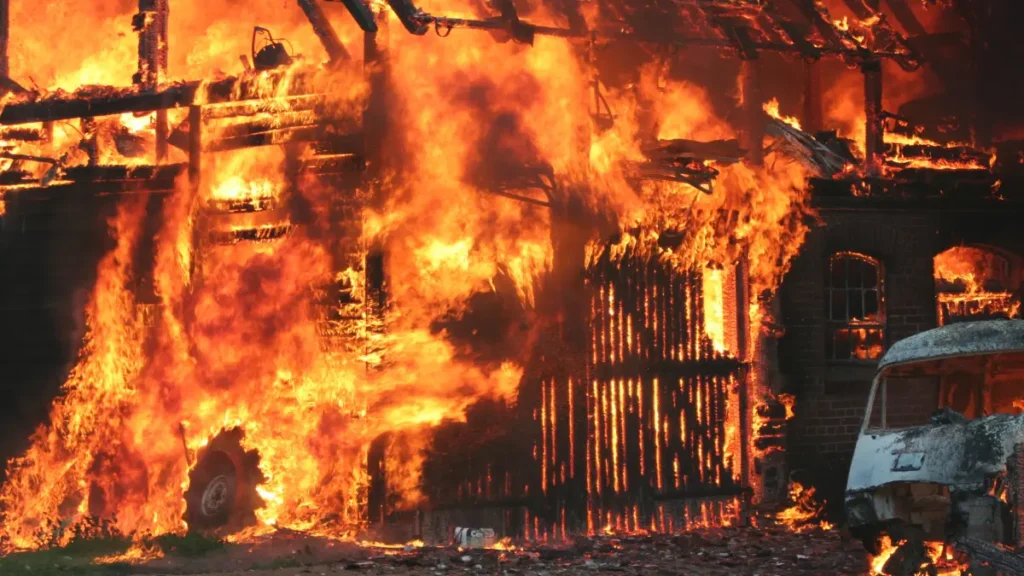
A November fire inside a single-story ranch home sets up a very specific risk profile. These homes often have older electrical systems, long living rooms with a lot of furniture packed close together, and heating sources that get heavy use this time of year.
Around mid-November, people usually have space heaters running, older furnaces kicking on more often, and sometimes extension cords powering multiple devices. If even one of those things fails — or is handled carelessly — a fire can spread before anyone outside hears or sees a thing.
Living rooms, in particular, are a dangerous place for a fire to start because they’re loaded with combustible materials: couches, throws, curtains, wooden tables, older electronics, and charging devices.
A spark or overheating device can turn that room into a fast-moving fire zone within minutes. And since this homeowner was alone, even a few minutes of delay before smoke becomes visible to neighbors can make the difference between life and death.
The Emotional and Community Impact
When a house fire ends with someone losing their life, the shock doesn’t stop at the front porch. A neighborhood like the one on Mason Drive feels it deeply. People who knew the man — even from a distance — are suddenly thinking about their own homes, their own routines, and how quickly a normal afternoon can turn into something irreversible.
Neighbors will likely replay that day in their minds: Did they see smoke earlier? Did they hear anything? Could anyone have helped sooner? These questions sit heavy for days, sometimes weeks.
Events like this also spark quiet conversations: checking whether a smoke alarm still works, thinking about whether a furnace got serviced this year, or wondering if the wiring in an older home is safe. Families talk differently, too — they think about escape routes, about whether someone checks on elderly relatives often enough, about whether anyone would know if something went wrong inside their house.
A fire like this changes the emotional temperature of a block. It makes risk feel closer, more personal, and much more real.
Communities often feel this kind of loss deeply — just like we saw in a heartbreaking North Philadelphia fire that claimed three lives, leaving an entire neighborhood shaken.
What New York Homeowners Should Learn From This?
Whenever I read about a fire like this, especially one that happens inside a quiet home on a regular weekday afternoon, I can’t help thinking about how many people assume “it won’t happen to me.” Most of us don’t notice small risks in our own homes until something terrible happens to someone else.
If you live in New York — or honestly anywhere with a similar climate and older-style housing — this is the moment to pause and take a hard look at your own setup. Fires in November are incredibly common because people start using heaters, electric blankets, furnace systems, holiday lights, and other devices that quietly strain old wiring.
And living rooms are one of the rooms where fires turn deadly the fastest because smoke builds low and thick, and people often don’t realize it until they’re already overwhelmed.
Start with the basics. Make sure your smoke alarms aren’t just installed — they’re powered, tested, and placed in the right spots. A lot of families have alarms sitting high on a wall that haven’t beeped in years, and they assume silence means “working.” It usually doesn’t. Replace the batteries. Test them.
Look at your heating setup. If you’re using a space heater, it should be on a flat, open surface with a good amount of space around it — not sitting in front of curtains, blankets, or furniture. If your furnace hasn’t been serviced in years, call someone. A quick check-up costs much less than a fire.
Pay attention to the wiring you rely on every single day. If you have extension cords running under carpets, behind couches, or powering multiple things at once, that’s a silent risk most people ignore. And if your home is older than you are, the wiring behind the walls might not be built for how much electricity modern life demands. An electrician can tell you in ten minutes if something looks unsafe.
You don’t need to turn into a fire-safety expert. You just need to step back, look at your home as if you’re seeing it for the first time, and ask yourself: If something sparked right now, would I notice? Would I smell it? Would anyone else know I needed help?
That’s the lesson stories like this teach us — not fear, but awareness. And once you have that awareness, you start making small changes that genuinely protect you and the people you live with.
Even recently, a Raleigh home fire involving an elderly resident underscored how quickly things turn dangerous when someone is alone inside their home.
What Happens Next in the Investigation?
At this stage, investigators will keep working through the scene in slow, deliberate steps. When a fire results in a fatality, nothing moves fast — and that’s a good thing. Every piece of debris, every burned object, every pattern on the walls might hold a clue.
They’ll examine electrical systems, look for wiring damage, test appliances that were found near the burn area, and study how the fire moved through the living room. If the homeowner had any medical conditions or medications, toxicology reports will help determine whether smoke, heat, or another factor caused his death.
These reports usually take days or even weeks to come back, but they’re essential for understanding the full picture.
Investigators will also talk to neighbors, family members, and anyone who might know what the homeowner was doing earlier that day. Sometimes a simple detail — a new heater he bought, a light that flickered the night before, a smell someone noticed — can change the direction of the case.
Once all this is done, they’ll release a final report. Some investigations end with a clear cause — a heater, wiring, a candle, a cigarette. Others stay listed as “undetermined” forever because the evidence was too damaged to give a solid answer. It’s frustrating, but it’s part of the reality of fire forensics.
For now, the community will wait. The family will wait. And everyone who lives nearby will quietly check their own homes, maybe more carefully than they ever have before.
If you want to stay ahead of risks and read more real home-fire cases, you can check out similar safety reports and breakdowns on our website Build Like New— they’ll help you understand what actually happens inside these incidents.
Disclaimer: This article is based on information available from officials and local news sources at the time of writing. Details may change as the investigation develops. Readers should not treat this content as legal or safety advice; always consult local authorities or professionals for guidance.