Homeowners in North Carolina Beat HOA in Foreclosure Case
I remember reading about Jeffrey and Levi Baldwin, and honestly, it shook me. Here they were, living in their Charlotte home for years, only to be blindsided by a $100 parking fine from their HOA that spiraled into a legal nightmare. Their story isn’t just news—it’s a cautionary tale for anyone who owns a home in North Carolina under an HOA.
You see, what started as a minor dispute over what the HOA called a “commercial vehicle” parked in their driveway escalated quickly. Fines added up, payments were rejected, and before they knew it, they faced thousands in legal fees and the very real threat of losing their home to foreclosure.
I want you to understand why this matters: this isn’t just about one family. It’s about the way some HOAs operate and the loopholes in the system that can put anyone’s home at risk.
The Baldwins fought back, and after years of legal wrangling, they finally won—but their story raises questions about fairness, accountability, and what you should know if your HOA ever crosses the line.
The Baldwin Family Story
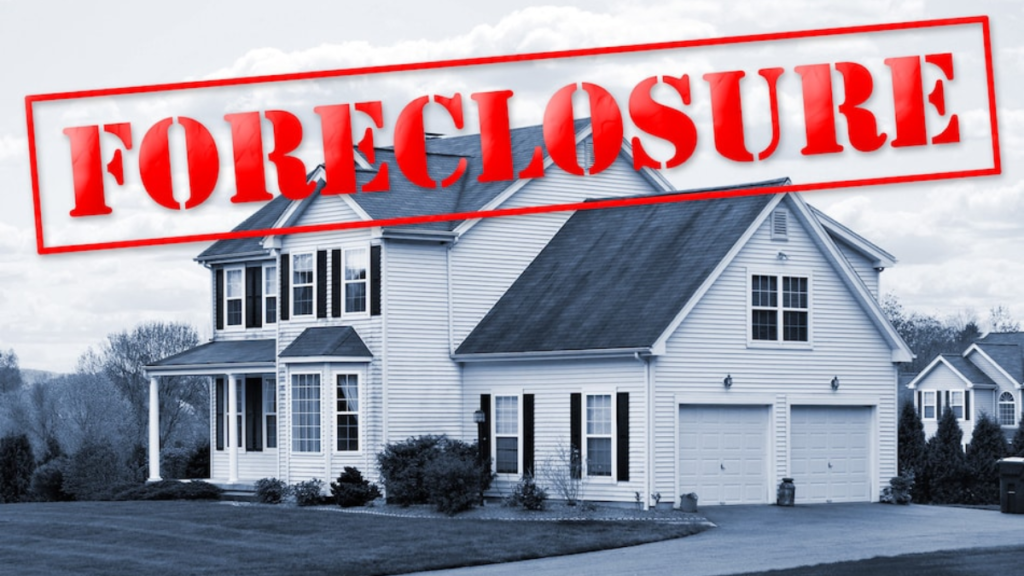
Jeffrey and Levi Baldwin have been living in their Charlotte, NC home for years without major issues—until 2022, when a $100 fine from their HOA changed everything. Realtor.com reports that the fine was for parking what the HOA deemed a “commercial vehicle” in their driveway, even though Jeffrey had parked the same vehicle there since 2007 without any problems.
Most people might have grumbled and just paid it. But the Baldwins weren’t willing to let a minor dispute dictate the fate of their home. As Levi told Realtor.com, “Most people would just grumble about it and pay it, but we aren’t most people.”
The situation escalated quickly. Alleged unpaid fines grew into a $1,337 lien. Even their good-faith payment for the 2024 assessment was rejected, and the HOA shifted its claim to unpaid dues for 2024 and 2025. Legal fees piled up—more than $10,000—and their home faced real foreclosure risk.
Finally, the long battle ended when the HOA withdrew its foreclosure petition. As Jeffrey said, “The only reason I have a home to go to is because of my attorney Jim White’s hard work.” Their victory was hard-earned, but it also highlights the emotional and financial toll these disputes can take—and why homeowners need to understand their rights.
Practical takeaway: If your HOA challenges you, don’t ignore it. Document everything, seek legal counsel early, and don’t assume a small fine can’t spiral out of control.
How NC HOAs Can Threaten Foreclosure?
You might think, “A small fine? How could that lead to losing a home?” But in North Carolina, some HOAs have the legal power to place liens and pursue foreclosure for unpaid dues or fines—even relatively minor ones.
Here’s how it works: the HOA can issue a fine, then place a lien on your property if it goes unpaid. If left unchecked, the HOA can escalate to foreclosure. The Baldwin case is a perfect example—what started as $100 escalated into thousands in legal fees and the threat of losing their home.
It’s not just the amount—it’s the process. HOA boards control notices, hearings, and legal documentation. Often, homeowners find out the real stakes only after liens are recorded and the clock starts ticking. Attorney Chad Cummings explains it well: “The power imbalance comes from procedure, not truth. The HOA board controls the notice pipeline, the hearing calendar, the violation record, and the board’s lawyer.”
Practical takeaway: Understanding your HOA’s authority—and the exact procedures they must follow—is crucial. Don’t wait until a lien appears to act.
Legislative Attempts & Reform Efforts
You might think the system is unfair—and you’re right. North Carolina lawmakers have tried to level the playing field. Senate Bill 378, introduced in 2025, aimed to cap fines, require notice and hearings, ban HOAs from profiting off fines, and prevent foreclosure based solely on unpaid fines.
Even more promising, the bill passed unanimously in the Senate. But politics got in the way. The legislation was rewritten by GOP chairs into unrelated law, and the reforms never reached homeowners. House Bill 444 and HB 542 also attempted changes but ultimately died in committee or missed key deadlines.
Chuck Williams, founder of Citizens for HOA Reform, says it bluntly: “The General Assembly will keep punting on HOA reform until voters make it clear that’s not acceptable anymore.”
Practical takeaway: Knowing the legislative landscape is important. Reforms may come, but until they do, you must rely on your own vigilance and legal knowledge.
HOAs — Pros and Cons

I get it—HOAs aren’t all bad. They maintain property values, enforce community standards, and manage shared amenities. For many first-time buyers, they’re a helpful bridge between renting and full homeownership responsibility.
But here’s the catch: critics argue that HOAs often overreach. Fines can appear unexpectedly, rules are sometimes enforced inconsistently, and accountability is limited. Combine that with the power to place liens, and suddenly a small mistake can threaten your home. The Baldwins’ story shows exactly how this imbalance can play out.
Just like we saw cities topping housing market rankings across the US, including places like Wisconsin which recently led national housing reports, HOAs can influence property values and community stability in subtle ways.
Practical takeaway: Don’t assume all HOAs are safe. Research HOA history, read CC&Rs carefully, and pay attention to past enforcement patterns before buying a home.
Power Imbalance and Escalation
Here’s where it gets personal. Even a $50 fine—like a slightly overgrown lawn—can turn into a recorded lien and a foreclosure filing if fees, interest, and attorney costs pile up faster than you can respond.
Chad Cummings puts it plainly: “Coercion and fear tactics used by HOA boards present a David-and-Goliath story that discourages homeowners from going to court to vindicate their rights.” He advises avoiding associations with patterns of aggressive enforcement, heavy lien usage, and frequent litigation threats.
The Baldwins didn’t just win because they were lucky—they fought back with strategy, legal counsel, and persistence. But many homeowners aren’t equipped or informed enough to do the same.
Regulation can make a real difference too; for example, Florida recently introduced condo laws aimed at market stability—showing how legal frameworks can protect homeowners and maintain property values.
Practical takeaway: Watch for red flags: excessive fines, opaque rules, or frequent legal threats. Early action and documentation can save you months of stress—and thousands of dollars.
Tools and Resources for Homeowners
If you’re reading this, you probably want to know: what can I do if my HOA starts making my life miserable? I get it—I’ve seen too many homeowners feel powerless in situations just like the Baldwins’.
First, document everything. Every notice, every email, every fine—keep it in one folder. You want a timeline in case the HOA tries to claim you didn’t respond or weren’t aware.
Second, hire an attorney early if the stakes are high. In the Baldwin case, their lawyer, Jim White, made all the difference. Legal counsel isn’t just a formality—it can protect your home and save you thousands in the long run.
Third, understand your HOA’s governing documents. The CC&Rs (Covenants, Conditions, and Restrictions) are your Bible in these cases. Know what fines they can impose, notice requirements, and your rights to a hearing or mediation.
Finally, engage your community. There’s strength in numbers. If neighbors are facing similar issues, organize, share documentation, and hold the HOA accountable together. Collective pressure can prevent abuses before they escalate.
And if you’re exploring your homeownership options or financing strategies, understanding common myths about loans—like those highlighted in this guide on USDA home loans—can save you unexpected headaches.
Practical takeaway: Don’t wait until it’s too late. Being proactive—documenting, understanding your rights, and seeking help—can save your home and your peace of mind.
Key Takeaways
Let’s bring it all together. The Baldwins’ story shows that HOAs have significant power, but that power isn’t absolute. Minor fines can escalate, processes can be biased, and the system often favors the HOA—but fighting back works if you’re informed and strategic.
Here’s what I want you to remember:
- Know your rights: Read the CC&Rs and state HOA laws carefully.
- Document everything: Emails, notices, and payment records are your best defense.
- Act early: Legal counsel and proactive steps can save you thousands and protect your home.
- Watch for red flags: Aggressive fines, opaque rules, or frequent litigation threats.
- Engage your community: Neighbors can provide support and accountability.
And one last thing—I want you to think about this: If you were in the Baldwins’ shoes, what would you do differently to protect your home?
Share your thoughts or experiences in the comments, or check your HOA’s rules today. A little knowledge now could prevent a nightmare later.
For more insights on homeownership, legal tips, and market updates, you can follow me on X and join the community on Facebook—we share daily tips that homeowners find useful.
Disclaimer: This article is for informational purposes only and does not constitute legal advice. Always consult a qualified attorney for guidance on HOA disputes or foreclosure matters. The author is not responsible for actions taken based on this content.