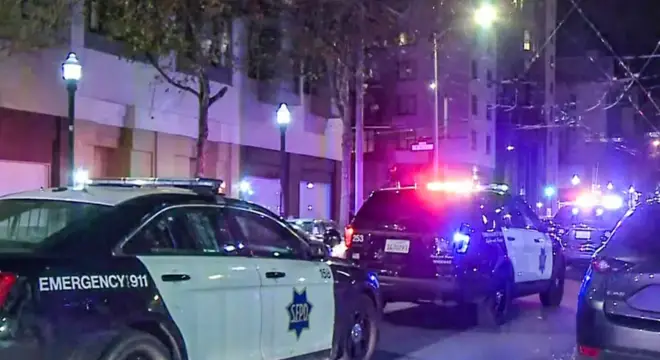
Devastating House Fire in North Fort Myers Leaves One Injured, Pets Lost
When I first read about the fire on Santa Cruz Street, I stopped for a moment. You don’t expect a quiet family home to turn into a scene of heartbreak in minutes. But that’s exactly what happened in North Fort Myers — a blaze that hospitalized one person and took the lives of more than a dozen animals the family had spent years rescuing and caring for.
Fire crews say two people were inside when the home went up in flames. One of them, the wife, was rushed to the hospital after suffering burns while trying to reach the animals trapped in thick black smoke. And inside that home were their cats, dogs, and birds — many of them rescues who had been given a second chance at life.
What stayed with me most was something Trenton Chockley, the homeowner, said. “My service dog was like my child.” He wasn’t trying to be dramatic. Anyone who’s ever loved an animal understands that sentence instantly.
By the time he reached the house, he says he arrived before fire crews — and was told he couldn’t go inside. His service dog, Knytmare, died in his arms. Their dream home, as he called it, was reduced to charred walls, broken windows, and memories covered in smoke.
This is more than a report about a house fire. It’s a reminder of how fast life can turn, and why fire safety — especially when you have pets — isn’t something you think about after something happens.
Before we go deeper, I want you to keep one thing in mind: when fire officials say “smoke is what kills,” they’re not exaggerating. What happened inside that home is the kind of tragedy most people never think about until it’s too late.
Let’s break down what actually caused this fire, how the family tried to save their animals, and what every pet owner (including you and me) needs to learn from this.
What Actually Happened Inside the North Fort Myers Home?
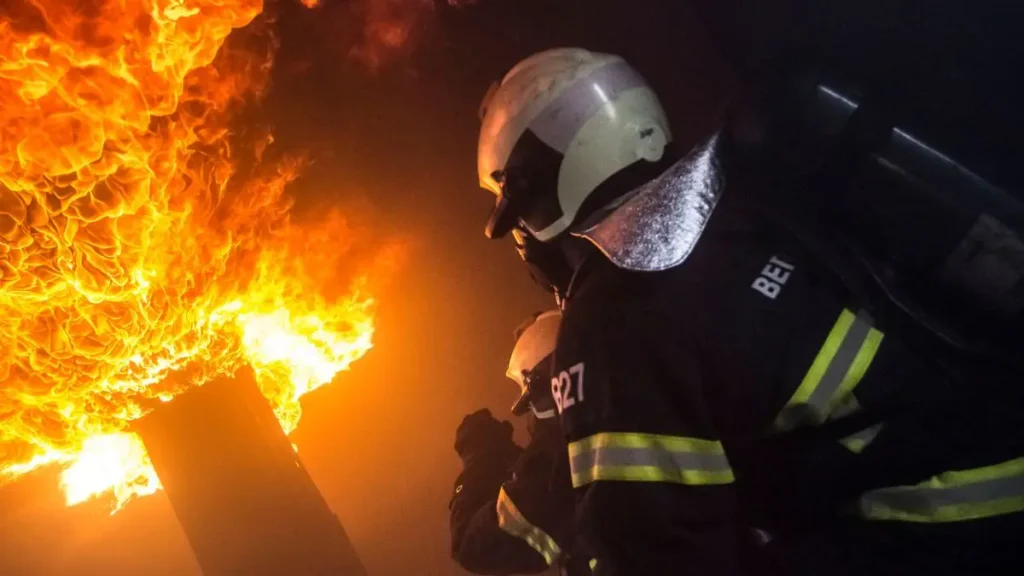
When I went through the details again — including the report from Gulf Coast News Now — the part that stayed with me wasn’t just the fire itself. It was how fast everything collapsed inside that home on Santa Cruz Street.
The fire district said there were at least two people in the house. One of them had to be rushed to the hospital after trying to get through the smoke to save the animals. The family believes the fire started near their living room area, and the way the smoke spread made it almost impossible for anyone to see or breathe long enough to rescue the pets.
I noticed a small but important detail in the GulfCoastNewsNow coverage: the family says 12 cats died, while officials counted 14. In situations like this, numbers rarely represent the chaos — but they tell you how quickly the fire overwhelmed everything.
And for the Chockley family, that chaos didn’t just destroy their home. It shattered a safe space they’d built for the animals they rescued and trained.
Fast-spreading flames and smoke can overwhelm even prepared households, as seen in a recent Colorado mobile home explosion that sent crews racing to save lives.
The Family’s Loss and the Emotional Punch Behind This Fire
As I read through everything, one line kept echoing in my head — when Trenton said his service dog was “like my child.”
You could feel the weight behind it. This wasn’t someone talking about a pet. This was someone talking about a companion who carried them through panic, anxiety, and everyday life.
That dog, Knytmare, died in Trenton’s arms.
His wife burned her hand trying to reach a room that was already filled with black smoke. She apologized over the phone for not being able to save the animals. Imagine that — apologizing while you’re in a hospital bed.
These aren’t the kind of losses you repair with insurance. You don’t replace memories, routines, or the way a service dog grounds your nervous system.
And when a family that rescues animals loses nearly everything, it hits even harder. They weren’t just caretakers — they dedicated their daily life to the animals that depended on them.
The Fire Department’s Response and the Tension Around It
Now, this part stood out because most news outlets skip it: Trenton said he arrived before the fire crew and wanted to run in for his dog — but officials warned him he’d be arrested if he stepped closer.
I get why that happens. Firefighters can’t risk another life when the structure is collapsing. But when you put yourself in Trenton’s position, that tension is real. Your family is inside. Your service dog is inside. And you’re being told to stop.
This is the grim part of every fire tragedy — the clash between instinct and protocol.
You want to save what’s yours. They want to save you.
Meanwhile, the house was burning fast. The fire district later explained that smoke is what kills first, not the flames. Two closed doors inside the home slowed the spread just enough to save a few belongings — but not enough to save most of the pets.
And when the fire was out, what remained were charred walls, shattered windows, and an attic ripped open by heat. The family’s surviving animals huddled on the street, shaken.
Situations like this aren’t isolated — similar tensions happened in a Sanford house fire where residents had to wait for firefighters to act, highlighting how unpredictable emergencies can be.
Why Smoke Is the Real Enemy?
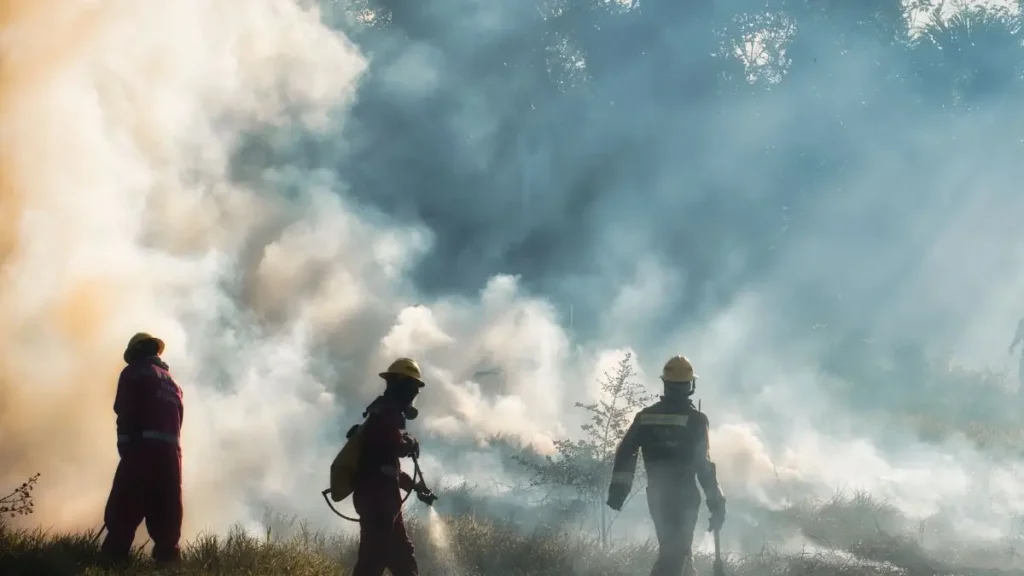
The more I read the statements from the fire district, the clearer this part became: smoke is what destroys everything long before the flames reach it.
Christi Fulton from the North Fort Myers Fire Control District explained it simply — Smoke spreads faster than fire. Smoke kills faster than fire.
If you’ve never been inside a smoke-filled room, it’s hard to imagine how quickly your senses shut down. Your visibility drops to zero. Your lungs burn. You lose direction. That’s exactly what happened to Trenton’s wife when she tried to reach the bedrooms.
One detail worth paying attention to: Two closed interior doors saved parts of the home.
That’s a reminder you don’t hear often — and something you and I can use. A simple closed door slows smoke, buys time, and increases the chance of survival for anyone inside, including pets.
This is the kind of fire lesson that shows up only when tragedy puts it in front of us.
Tragically, pets are often the first to succumb, as also happened in an Indy house fire caused by a space heater, reinforcing how crucial it is to plan for every member of your household — two-legged or four-legged.
What Happens Next for the Family and Their Animals?
Right now, the Chockleys are in that strange space between survival and rebuilding. Trenton mentioned he planned to stay with his kids for the night, and that the Red Cross and a few local organizations would start helping them find their footing again.
Every surviving animal was taken to a vet, which tells you something important about this family: even after losing so much, their first instinct was still care.
There will be an official investigation, but early statements already point to an electrical fault. And while investigators work, the real recovery — emotional, financial, and personal — is just starting for the Chockleys.
When a family that rescues animals loses almost all of them in one night, the aftermath isn’t just paperwork and cleanup. It’s relearning how to move through the day without the animals that shaped their home.
Why Pets Don’t Survive House Fires?
I’ve covered dozens of fire stories over the years, but one thing still hits hard every single time: pets rarely stand a chance once smoke fills a home. And if you’re a pet parent, this is something you need to understand clearly.
Most animals don’t run away from smoke. They hide. Cats crawl under beds. Birds get disoriented instantly. Dogs may freeze, panic, or stay stuck trying to find their owners.
And in the North Fort Myers fire, the same pattern played out. Smoke filled the rooms so fast that even adults couldn’t see more than a few inches ahead. That’s why the family kept saying they couldn’t reach many of the animals in time.
If you take one thing from this section, let it be this: smoke kills pets long before flames do.
It’s a brutal fact… and it’s the reason fire safety has to be different when you live with animals.
The Safety Lessons No One Talks About
When you look past the tragedy, there are a few hard but important lessons here — things most news reports never bother mentioning.
1. Closed doors save lives
Fire officials said two closed doors inside the home slowed the smoke enough to save belongings… and possibly some animals. I can tell you from experience: a closed door is the cheapest fire protection you’ll ever get.
2. Electrical faults don’t warn you
Most people wait for flickering lights or a burning smell. But real-life electrical fires often start quietly — just like this one. Regular inspections matter way more than we think.
3. Pet safety plans should be real, not theoretical
If you have pets, you need a working smoke alarm, a visible exit route, and carriers or leashes kept in one spot. Not “somewhere in the house.” One spot. Reachable within seconds.
These are the tiny decisions that decide who gets out and who doesn’t.
For real-time updates and tips about fire safety and pet protection, there’s a handy channel sharing quick alerts — you might find it really useful.
What You Should Do If You Ever Face a Similar Emergency?
I hope you never go through something like this — but if you ever do, here’s what genuinely helps in the first hours:
• Get every surviving animal checked immediately. Even mild smoke inhalation can turn serious within hours.
• Don’t re-enter the house, no matter what’s inside. I know it sounds heartless, but every firefighter will tell you the same.
• Contact fire rescue, Red Cross, or your local relief network. They handle the logistics — shelter, supplies, medications — so you can focus on your family.
• Document everything you remember. Insurance, investigators, and support agencies rely on this.
• Let yourself feel the grief. Losing pets hurts in a way most people don’t understand unless they’ve lived it.
And if this story teaches us one thing, it’s that preparation isn’t paranoia — it’s protection.
For more stories about fire safety, pet rescue, and real-life experiences, visit our Home Incidents section to stay informed and prepared.
Disclaimer: The information in this article is based on the latest reports from trusted sources and official statements. Details may change as the story develops. This content is intended for informational purposes only and not as professional advice.