North Philadelphia House Fire: 3 Lives Lost, Cause Under Investigation
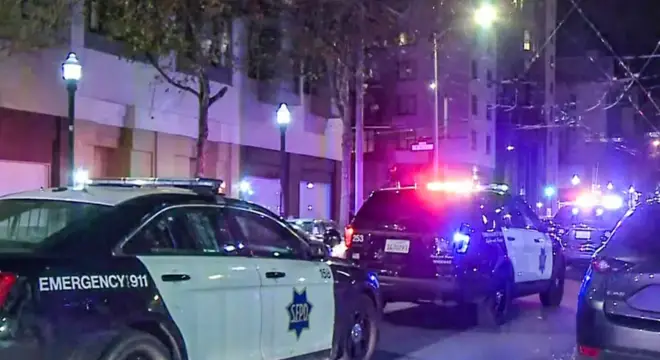
I still can’t stop thinking about how quickly tragedy can strike. Early Tuesday morning, a house fire in North Philadelphia claimed the lives of three people — a 46-year-old woman and two young children, just 6 and 5 years old. The fire broke out around 1 a.m. on the 3400 block of Hope Street, and by the time firefighters arrived, the home was filled with heavy smoke. Despite their rapid response, all three were pronounced dead at nearby hospitals.
When I read that the children were siblings staying with their relative, it hit me how fragile life can be in a matter of minutes. Their mother was at work, and a second cousin was caring for them — ordinary lives caught in an extraordinary tragedy. It’s the kind of news that leaves you asking, “Could this have been prevented?” and, more importantly, “What can I do to make sure my home isn’t next?”
In this article, I want to walk you through what happened, why it matters, and what steps you can take to protect your family. Because while we can’t undo the past, we can learn from it — and maybe prevent another family from facing the same heartbreak.
Timeline of the Fire
When I look at the timeline, it’s chilling how fast everything happened. CBS reports that around 1 a.m. on Tuesday, a fire broke out at a home on the 3400 block of Hope Street in North Philadelphia. Firefighters arrived in about four minutes after the first call, but by then, the house was already filled with heavy smoke.
Crews quickly went into search and rescue mode. Two engines and two ladders were deployed, and they found three occupants on the second floor.
Despite their fast response, the victims — 46-year-old Nidre Annette Ayala, 6-year-old Kataleya Garcia, and 5-year-old Sebastian Rodriguez-DeJesus — were taken to area hospitals and pronounced dead.
Thinking about it like this makes you realize just how unpredictable fire can be. In less than half an hour, a home can be devastated, lives lost, and a community shaken. For anyone reading this, it’s a stark reminder to check your own smoke alarms and have a plan — minutes matter.
Victims and Family Context
These were not just names in a news article — they were real people with families and routines. The children were siblings staying with Ayala, their second cousin, while their mother was at work.
Hearing about how ordinary life was interrupted so violently hits hard. Their great-grandfather spoke about the family, emphasizing the shock and grief everyone is feeling.
As a reader, you can’t help but feel a sense of connection and sorrow for neighbors and relatives alike. It reminds me — and maybe you too — that fire safety isn’t just statistics; it’s about protecting the people we love.
Fire Conditions and Challenges
The firefighters faced a tough situation. Heavy smoke was reported on both the first and second floors, making search and rescue extremely difficult. In homes like these — older row houses common in North Philadelphia — fires can spread faster than you might expect.
One of the most important details: there were no working smoke alarms in the home, and none went off. This is a preventable factor in most residential fires, and it’s heartbreaking to see it play a role here. Fire Commissioner Jeffrey Thompson stressed that if you don’t have smoke alarms, calling 311 can get one installed for free.
For anyone reading this, take it seriously. Smoke alarms are cheap, easy to maintain, and they save lives. I would check yours right after finishing this article.
It reminded me of another incident in Raleigh, where an 82-year-old resident lost their life after smoke conditions made escape impossible
Safety Lessons and Preventive Measures
Now, let’s talk about what you can actually do. First, check your smoke alarms. Replace batteries if needed, or install one if your home doesn’t have it. It sounds basic, but it’s the number-one factor in preventing deaths from house fires.
Next, review your escape plan. Know two ways out of each room, especially bedrooms. If you live in an older home, like many in North Philadelphia, inspect wiring, heaters, and kitchen appliances. Small precautions can make a life-or-death difference.
Finally, pay attention to your community. Firefighters plan to return to the neighborhood in coming days to hand out detectors. That’s an opportunity to engage, learn, and protect not just yourself, but your neighbors too.
If you like getting quick safety reminders — small things you can do at home without overthinking — there are WhatsApp channels that share these bite-sized alerts. They’re surprisingly helpful when you don’t have time to read full reports.
Community Impact and Emotional Resonance
Tragedy ripples beyond the immediate victims. Neighbors are shaken, friends are grieving, and even a rescued kitten now has a new caretaker thanks to a neighbor stepping up. These human details show that even in disaster, acts of kindness and solidarity exist.
As a reader, it’s a reminder that fire isn’t just about property or statistics — it’s about lives, families, and community. Sharing your experience, checking in on neighbors, and being proactive in safety measures isn’t just responsible; it’s caring.
I’ve seen similar moments of courage in other stories too — like when police officers in Pompton Lakes rushed into a burning home to rescue a woman.
Understanding Fire Risks in North Philadelphia
Living in older row homes, like many in North Philadelphia, comes with a charm — but also some hidden dangers. These homes often have shared walls, outdated wiring, and compact layouts, all of which can make a fire spread faster than in newer constructions.
Statistics show that homes without functioning smoke alarms are far more likely to have fatalities in fires. Philadelphia fire officials report that hundreds of households are still at risk due to missing or non-functional detectors.
For you, that means taking small, practical steps can be life-saving. Check your alarms, ensure exits are clear, and teach everyone in your household what to do in an emergency. Understanding the risks in your own neighborhood turns a scary statistic into proactive safety.
We’ve seen how quickly fires spread in tightly packed neighborhoods, like the Roselle, NJ incident where three homes were damaged and more than two dozen residents were displaced.
Key Takeaways and Call-to-Action
Here’s what I want you to remember:
- A North Philadelphia house fire claimed three lives in minutes — a woman and two young children.
- No working smoke alarms were found in the home — a critical factor in the tragedy.
- Older row homes can increase fire risks due to layout and infrastructure.
- You can take immediate action: check your alarms, plan escape routes, and call 311 for free smoke detectors if needed.
- Community awareness and support matter — look out for neighbors, pets, and vulnerable residents.
I want you to ask yourself: When was the last time you checked your smoke alarms? Could a simple step like that make a difference for your family or your neighbors? Take a minute today to check — it might be the most important action you take this week.
If you want to stay updated on similar community safety stories, feel free to explore more on our website — every story has a lesson worth paying attention to.
Disclaimer: The information in this article is based on reports from local authorities and trusted news outlets. Details may be updated as officials release new findings. Always follow guidance from your local fire department for safety and emergency procedures.