Fatal House Fire in Washington County Leaves One Adult Dead
I read the Maine Department of Public Safety press release so you don’t have to: the State Fire Marshal’s Office was called to 624 Main Street in Meddybemps shortly before 6 p.m. Sunday after the local fire chief told them the homeowner might still be inside.
When crews arrived the house was fully engulfed and the blaze had spread to a vehicle in the driveway. More than half a dozen area fire departments responded and battled the fire in heavy snow. That detail matters — the weather and rural setting change everything about response times and access.
A four-investigator team from the State Fire Marshal’s Office found the remains of an adult inside the home at about 8:51 p.m. According to officials, the remains were taken to a local funeral home and the Office of the Chief Medical Examiner will work to identify the person and determine the cause of death.
Fire investigators returned to the scene Monday to continue examining debris and look for an origin point. Right now officials have confirmed the fatality and that an investigation is ongoing — they have not released an identity or a confirmed cause.
I’ll walk you next through what investigators typically look for and what this means for neighbors and homeowners in similar winter, rural conditions.
Firefighters Arrive to a Fully Engulfed Home
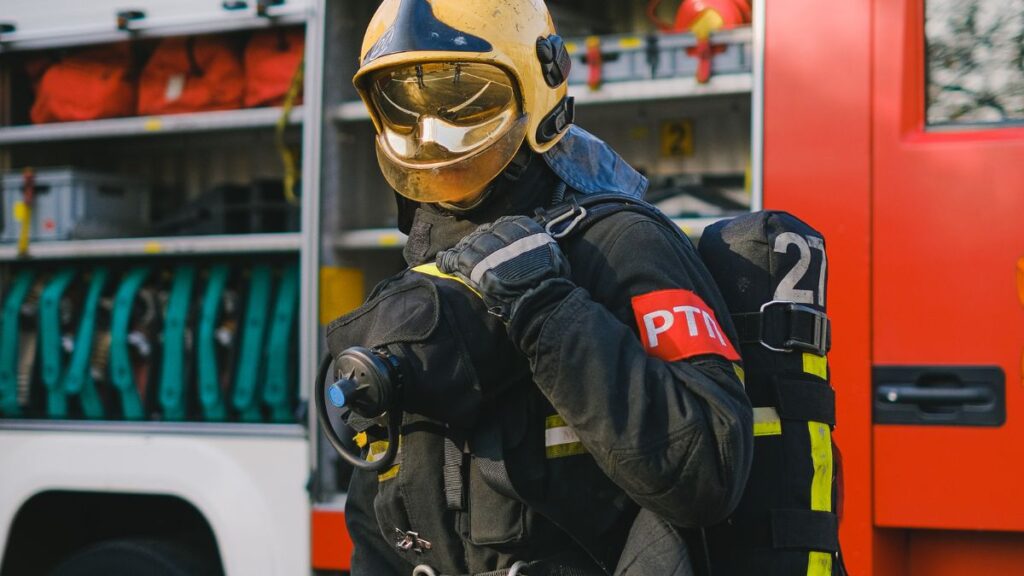
When I looked at the initial reports from NewsCenterMaine, one thing stood out immediately: by the time firefighters reached the property on Main Street, the house wasn’t just “on fire” — it was completely taken over.
Flames had already moved from the structure to a vehicle parked in the driveway, which tells you how fast this thing spread and how limited the crew’s options were the moment they showed up.
If you’ve ever watched a rural fire response, you know these few minutes change everything. You arrive, and instead of rescue mode, you’re forced into containment mode. That’s exactly what crews stepped into here.
It’s also important that this happened during heavy snow. Fires look dramatic, but snowstorms change the smaller details — hoses freeze, visibility drops, trucks move slower, and even reaching the closest hydrant becomes a fight. That’s the part most people don’t see.
This scene wasn’t survivable by the time responders reached it. That’s a hard sentence to write, but it’s the truth, and it sets the stage for why investigators treated this as a possible fatal incident from the start.
It reminded me of a Bedford County fire I covered recently, where crews faced the same problem — they arrived to a home already swallowed in flames before they could even set up lines.
Multi-Agency Response Under Harsh Weather
According to coverage from WABI, more than half a dozen departments showed up to help. In a small community like Meddybemps, that detail matters. It means this wasn’t a simple knockdown — it required a regional effort.
The snowstorm made things worse. WABI noted that crews were working in heavy snow, and if you’ve lived in a rural area, you know how quickly weather becomes the biggest obstacle. Plows may not reach certain roads in time. Fire trucks can’t move at normal speed. Even turning into a driveway can become a problem when you’re dealing with ice under fresh snow.
To me, this detail exposes something bigger: when a fire breaks out in a town this rural, mutual aid isn’t optional — it’s the only way the job gets done. Departments lean on each other because they have no choice.
And yet, even with all those units responding, the fire still had that much of a head start. That tells you how intense the blaze was before anyone could get water on it.
Investigators Discover an Adult Victim Inside
Once the fire was contained enough for entry, a four-person team from the State Fire Marshal’s Office went inside. Around 8:51 p.m., they found the remains of an adult.
This part is always the hardest to read, but it’s necessary to understand the timeline: if the body was recovered nearly three hours after the initial report, the interior conditions had to be extremely unstable for quite a while.
After recovery, the remains were taken to a funeral home, where the Office of the Chief Medical Examiner will work on both identification and determining the cause of death. And until that process is complete, officials won’t release a name. That’s standard, but it also means there’s likely family or neighbors waiting for answers right now.
The discovery of a victim shifts the investigation completely. Fire crews stop thinking about hotspots and start thinking about origin points, accelerants, and structural failures.
I’ve been sharing quick alerts and breakdowns of similar incidents on a WhatsApp update channel, especially for people who prefer short, real-time summaries during winter fire season. It’s been helpful for a lot of readers who want faster updates without scrolling the news.
Ongoing Investigation: What Officials Are Examining
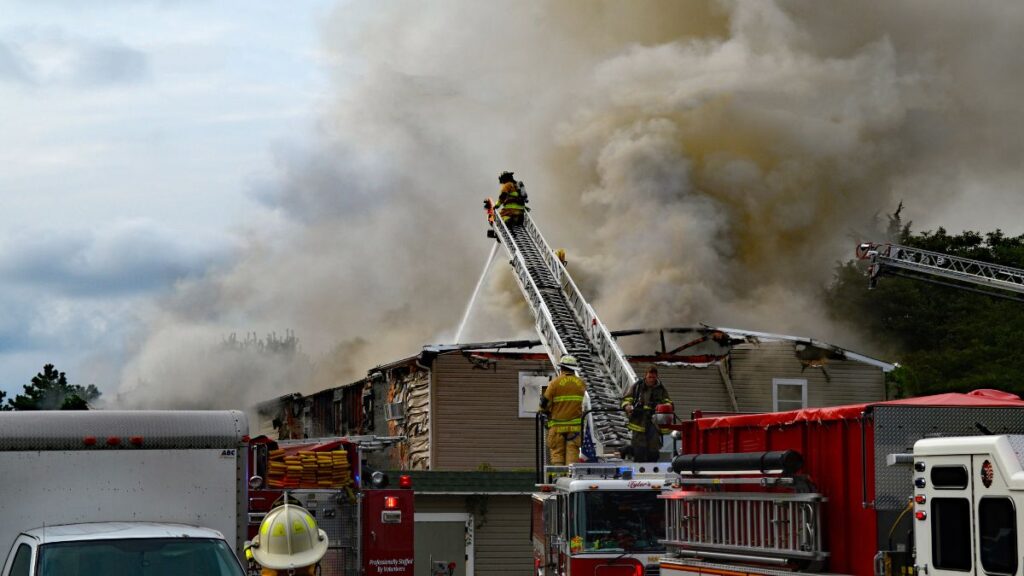
Investigators returned Monday morning to pick through what was left of the structure. This is the part that never makes headlines, but it’s where the real answers come from.
They’ll be looking for an origin point — a corner, a room, an appliance, a heating source. In winter, the usual suspects show up: space heaters too close to bedding, wood stoves with creosote buildup, overloaded outlets, flammable items stored near heat sources.
But until they sift through every layer of debris, all of that is just possibility, not fact.
What stood out to me in the official release is what wasn’t mentioned: there’s no early indication of foul play, no neighbor reports of an explosion, no mention of a known hazard inside the home. So at this point, the investigation leans toward accidental causes — but winter fires often do.
You’ll see updates released only when officials are confident about the chain of events. Fire investigations in rural Maine often take days, sometimes weeks, because structures burn differently in sub-freezing weather and debris behaves differently after snow and ice exposure.
Why Winter House Fires Are More Dangerous in Rural Maine?
If you’re not from Maine, it’s easy to overlook how much winter changes the stakes. A fire in July is one situation. A fire in a snowstorm is another world entirely.
First, response times stretch out. Even a five-mile drive can take twice as long when roads haven’t been fully cleared. I’ve seen trucks creep up rural hills because one bad skid can disable an entire engine. That delay alone can turn a containable fire into a fatal one.
Second, heating systems run harder in cold weather. Wood stoves stay hot all day. Space heaters stay plugged in longer. Chimneys see more use. That increases risk without people noticing it.
Third, isolation matters. Homes in Washington County aren’t packed together. That sounds safer, but it actually means a lot of fires burn longer before anyone even notices they started.
And finally, water behaves differently in snow. Pumps freeze. Nozzles ice over. Hydrants get buried. A fire that should take minutes to suppress can take hours.
This isn’t fear-mongering — it’s context. When a fatal fire happens in a place like Meddybemps, it’s rarely one factor. It’s a chain of small disadvantages that add up fast.
Nighttime winter fires are especially unforgiving — even in Illinois, an overnight blaze I wrote about showed how quickly conditions can turn when visibility and weather work against responders.
Community Impact & Local Safety Concerns
When a town is as small as Meddybemps, a fatal fire isn’t just a news update — it becomes the thing everyone talks about for weeks. You don’t need a press release to know that people in the area are shaken. In places like this, neighbors often know each other for decades, and a loss like this hits harder because it feels personal even if you didn’t know the homeowner directly.
What stands out to me is how quickly community conversations shift after a winter fire. People start asking themselves the same questions: Is my chimney clean? Did I replace the smoke detector? Would anyone even notice if a fire started at my place during a storm?
You don’t need officials to tell you that this incident is a reminder. These rural fires expose how fragile winter safety really is. And while the investigation will take time, the emotional impact on the community lands immediately.
If you live in Washington County or any similar area, this is the moment to check your own home — not out of fear, but because winter fires rarely give people a second chance.
I’ve seen a similar pattern in other rural cases too — like a tragic fire in Georgia where a local teacher was killed and the entire town felt the loss just as deeply.
Fire Safety Checklist for Washington County Residents
I want to say this as simply as possible: winter fires don’t give warnings. They don’t build slowly. They don’t wait for you to notice smoke. So if you live in a cold, rural area, here are the basics you and I should both be checking:
- Make sure every smoke and carbon monoxide detector actually works. Not “I think it works.” Test it.
- Keep a three-foot zone clear around heaters, stoves, and anything that gets hot.
- If you use a wood stove or fireplace, clean the chimney. Creosote buildup is one of the most common winter fire triggers.
- Clear snow away from driveways and house numbers. If a truck can’t find you fast, that delay matters.
- Don’t overload outlets with heaters or holiday lights. Most winter electrical fires happen because of small, preventable mistakes.
- Keep an eye on older wiring or frayed cords. Replace them now, not “when I get time.”
- Tell someone — a neighbor, a friend — if you live alone. Not for dramatic reasons, but because early alerts save lives in rural towns.
None of these steps take long, but they change the odds in a way you can feel. If this fire teaches anything, it’s that prevention isn’t about fear — it’s about awareness.
What Happens Next: Updates Expected From Authorities
Right now, we’re waiting on two major updates: the formal identification of the victim and the State Fire Marshal’s determination of how the fire started. Neither of these comes quickly, especially after a heavy snow event that complicates debris analysis.
Investigators usually release the identity only after confirming it through medical examiner procedures and notifying family. That can take days, and in some cases longer, depending on burn severity and available identifiers.
As for the cause, officials typically won’t say anything until they’re confident. Guessing helps no one, and in rural Maine, fire debris often sits under layers of ice, snow, or structural collapse — all of which slow the process.
You’ll likely see a statement from the Maine Department of Public Safety once they’ve completed their follow-up inspection and lab work. Until then, the most accurate information is the one we already have: one person didn’t make it out, and investigators are working carefully to understand why.
If you live in the area, I’d encourage you to check your own winter fire readiness today. And if you’ve ever faced a house fire or seen one in your community, what’s the one thing you wish more people understood?
If you want more real-world fire safety breakdowns like this, you can explore our full home incidents section for practical guides that actually help.
Disclaimer: This article is based on information released by officials and credible local news outlets at the time of writing. Details may change as the investigation continues. Readers are encouraged to follow local authorities for the latest updates.