Property Tax Payments: Why Credit Cards May Not Be Worth It
I get it—when you see a massive property tax bill staring back at you, the idea of using a credit card can feel tempting. I’ve been there myself: the thought of earning a few hundred dollars in rewards while covering a bill you have to pay anyway seems like a no-brainer.
But here’s the truth I’ve learned over the years: the math often looks better on paper than it does in real life.
Even a $10,000 tax bill that earns $160–$200 in points or cashback can quickly become more expensive than you expect once you factor in processing fees, interest, and the hit to your credit utilization.
Many articles gloss over these numbers or assume “everyone can handle it,” but the real risk is very situational—and it can catch you off guard.
In this article, I’ll walk you through when paying property taxes with a credit card might actually make sense, the situations where it can backfire, and how to make a smart, informed choice without losing sleep—or money.
Why Homeowners Consider Using a Credit Card for Property Taxes?
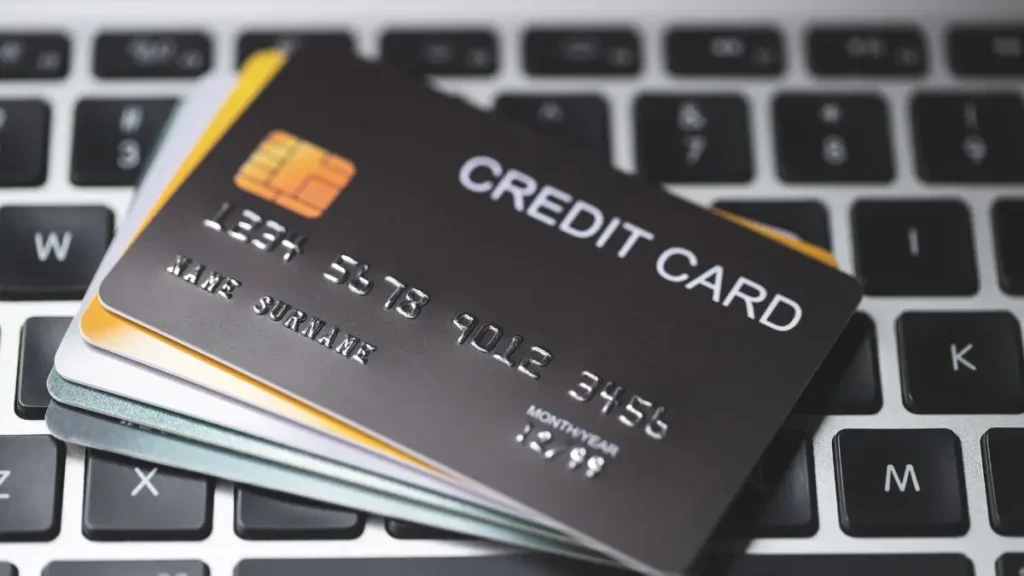
I’ve seen many homeowners reach for their credit cards when taxes come due. The reasons are obvious.
First, rewards and points are tempting. I mean, if you can get a few hundred dollars back on a $10,000 bill, who wouldn’t consider it? The math is straightforward, and it feels like free money.
Then there’s the credit card sign-up bonus angle. Sometimes, a big tax payment can meet that minimum spend requirement in one go. I’ve personally used this strategy before, and when done carefully, it can be a real win.
Finally, short-term cash flow relief plays a role. Maybe your paycheck or tax refund hasn’t arrived yet, and using a card bridges the gap. It’s not ideal long-term, but in a pinch, it can keep penalties and late fees at bay.
If you’re planning large financial moves, like buying a home before the year ends, understanding how to manage your cash flow—including big tax payments—can make a real difference, as we explain in our guide on home buying before year-end.
Tip: Always weigh the potential reward against the fees and interest—because the “free money” feeling can vanish faster than you expect.
Is It Even Allowed? Understanding Fees and Local Rules
Before you even think about swiping your card, you need to know if it’s permitted. Not every county or city accepts credit card payments for property taxes. And even where it is allowed, there’s usually a processing or convenience fee attached.
For example, some areas charge up to 3%, while others barely touch 1%. On a $10,000 bill, that’s $300 in extra charges—far more than most rewards can cover. Leslie H. Tayne, a finance and debt expert, emphasizes checking local offices before deciding.
Understanding local fees is just one part of your financial picture—you also need to keep an eye on broader market trends, like how mortgage rates are expected to stay above 6% for years, which can affect your overall budgeting for taxes and home expenses.
Pro tip: Look up your city or county’s tax payment portal. Knowing the exact fee ahead of time is critical. Missing this step is where many people go wrong.
The Hidden Costs That Often Outweigh Rewards
Even if rewards sound appealing, I’ve learned they’re often eaten alive by fees and interest. A report from Realtor points out that while a $10,000 property tax bill might net $160–$200 in points, processing fees can wipe out most of that.
Then comes interest. If you don’t pay off the card in full, the APR—averaging around 22%—adds up fast. I once saw someone end up paying nearly $200 in interest after just one billing cycle on a similar payment.
And don’t forget credit utilization. Charging a large tax bill can spike your ratio, which might lower your credit score temporarily. Even if the math seems okay, these hidden costs can turn a “smart move” into a financial trap.
When Using a Credit Card Might Make Sense?

I don’t want you to think it’s always a bad idea. There are situations where it can be reasonable.
For example, if your rewards points or sign-up bonus exceed the processing fee, and you can pay off the balance immediately, it might make sense.
Also, in urgent situations—like avoiding penalties, tax liens, or even foreclosure—using a credit card could be the lesser of two costly options. I’ve had clients in this exact scenario, especially with reverse mortgages, where missing a tax payment could trigger serious consequences.
Finally, short-term cash flow emergencies can justify a card payment—but only if you’re disciplined and have a repayment plan in place. It’s a temporary bridge, not a long-term strategy.
If you want quick updates and real-life tips straight to your phone, you can also get useful insights through our daily WhatsApp updates—simple, handy, and easy to follow.
Safer Alternatives to Credit Card Payments
Most of the time, I recommend simpler options.
- Direct bank transfers or eChecks: Usually free or very low-cost. Quick, safe, and avoids debt.
- Payment plans or installments: Many counties offer these, though they require careful management to avoid overlapping with the next year’s taxes.
- Using existing cash reserves: This avoids fees, interest, and credit utilization issues entirely.
The key is to balance convenience with cost. Shortcuts can feel easy, but they often hide long-term consequences.
Managing your money carefully—like choosing safer alternatives to high-interest payments—can also give you a competitive edge if you’re looking to buy a home in today’s tight market, as discussed in our tips on how to compete in a seller market.
Step-By-Step Checklist for Smart Decision-Making
Here’s what I do before considering a credit card for property taxes:
- Check if your county allows credit card payments and note the exact processing fee.
- Calculate rewards vs fees—does the math really work?
- Plan repayment before interest accrues.
- Estimate credit score impact if the charge increases utilization.
- Evaluate urgency—is this payment a short-term fix, or can you pay another way?
Following this checklist keeps you from making impulsive decisions and ensures you’re not trading a small perk for a big financial headache.
Key Takeaways — Making a Smart Choice
Here’s what I want you to remember from all this:
- Rewards rarely outweigh fees and interest unless you plan carefully.
- Urgent situations may justify credit card use, but it should never be your first strategy.
- Old-fashioned payment methods—bank transfers, eChecks, or installment plans—are often safer, simpler, and cheaper.
- Your credit score and long-term financial health are worth more than a few hundred points or dollars in rewards.
If you take one thing from this article, let it be this: never underestimate the hidden costs of convenience. Rewards feel good, but financial peace of mind is priceless.
For more tips on managing mortgages, taxes, and home buying strategies, visit our Real Estate & Homeownership section and stay ahead with expert advice.
Disclaimer: This article is for informational purposes only and does not constitute financial or legal advice. Always check with your local tax authority and consult a qualified professional before making payment decisions. The author is not responsible for any losses or consequences resulting from the use of this information.