Virginia Home Damaged by Fire, Cat Found Dead
I want to start with the facts, because when something like this happens, you and I both want clarity before anything else.
On Monday evening, a house fire damaged a home on Garth Way in the Deep Creek section of Chesapeake, Virginia. According to the Chesapeake Fire Department, the fire broke out around 7:19 p.m., prompting multiple emergency calls from neighbors who saw smoke and flames coming from the house.
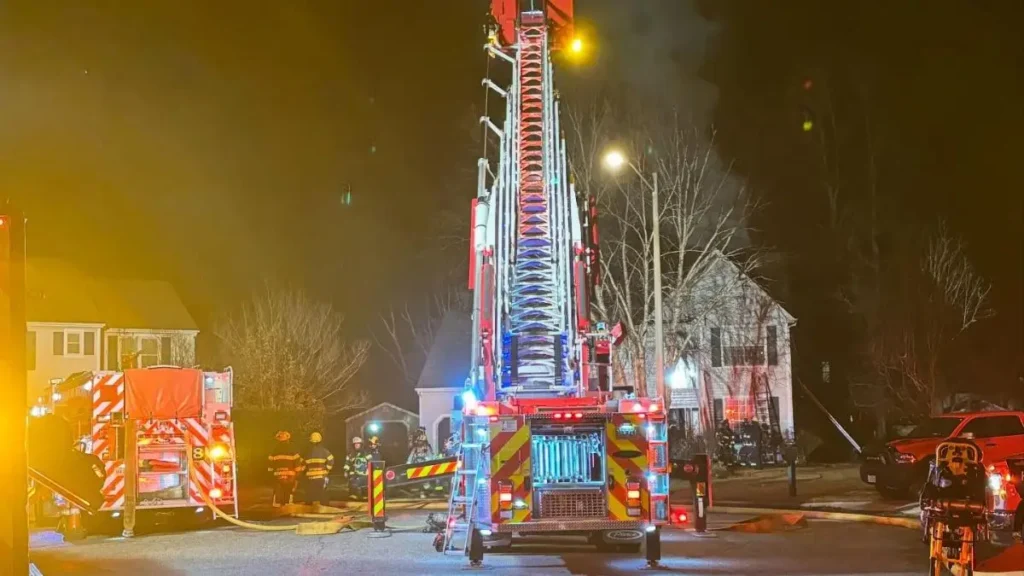
Fire crews arrived within minutes and found a two-story, single-family home already burning. While firefighters were able to get the fire under control just after 8 p.m., a pet cat inside the home did not survive. No people were hurt, and the resident was not home at the time of the fire.
If you live nearby or have pets of your own, this kind of incident hits differently. It’s a reminder of how fast things can change—and how vulnerable our homes and animals can be. Have you ever thought about what would happen if a fire broke out when no one was home?
Firefighters Rushed In After Multiple Emergency Calls
Here’s what stood out to me when I looked deeper into the official response. This wasn’t a delayed alert or a single call that got missed. Multiple people in the neighborhood picked up the phone when they saw the fire.
The Chesapeake Fire Department says crews were dispatched to the 2500 block of Garth Way around 7:19 p.m. after several callers reported a house fire. Within about five minutes, firefighters were on scene and immediately saw smoke and flames coming from the home.
That quick response mattered. According to the official update shared by the Chesapeake Fire Department on Facebook, crews worked fast and were able to bring the fire under control by 8:02 p.m. The post confirmed there were no injuries to people, which is always the first concern in situations like this.
If you’ve ever hesitated before calling 911 because you weren’t “sure enough,” this is a clear reminder: early calls make a real difference.
What Fire Crews Found When They Arrived
When firefighters pulled up to the scene, the situation was already serious.
Reports say smoke and flames were visible from a two-story, single-family home, signaling an active fire that had taken hold before crews arrived. According to WAVY, firefighters immediately went to work to contain the flames and prevent the fire from spreading to nearby homes in the Deep Creek neighborhood.
This detail matters because visible flames often mean the fire has moved beyond a small, contained stage. In many residential fires, those first few minutes decide how much damage is done—and whether anyone inside can be saved.
Cat Dies in Fire; Resident Was Not Home
This is the part that hits hardest.
Fire officials confirmed that the only occupant of the home was not there at the time of the fire. While no people were injured, a pet cat inside the house did not survive. For many readers—and maybe for you too—that loss feels personal. Pets don’t get the chance to escape or call for help.
There’s no indication yet of where in the home the cat was found, and officials have avoided speculation. But the reality is clear: fires don’t wait for us to be home, and pets are often the most vulnerable when no one is around.
Displacement after a fire is more common than many realize, as seen in a recent Minnesota house fire that caused major damage and forced residents to find temporary housing.
Resident Displaced, Temporary Housing Secured
After the flames were out, the focus shifted to what comes next.
The fire caused enough damage that the resident could not safely return home. Fire officials said the displaced resident has secured temporary living arrangements, which suggests help moved quickly behind the scenes. Still, displacement—even short-term—is disruptive and stressful, especially when it follows a sudden loss.
This is a reminder that a house fire doesn’t end when the fire trucks leave. For the people affected, the impact can last weeks or longer.
For people who track local fire incidents and emergency updates closely, many residents now rely on short alert-style updates shared through WhatsApp channels to stay informed during situations like this.
Cause of the Virginia Home Fire Still Unknown
Right now, there’s one big question that hasn’t been answered yet: what caused the fire?
Investigators are still working to determine how the fire started. Officials have not released any details about a possible source or whether the fire was accidental. Until that investigation is complete, fire officials are being careful not to speculate—and that’s the right approach.
If you’re reading this and wondering whether something similar could happen in your own home, that uncertainty alone is reason enough to double-check smoke alarms and safety plans today, not later.
What would you want investigators to look at first if this happened on your street?
Similar investigations are still ongoing in other states as well, including a recent case where a woman died in a Missouri house fire and the cause remains under investigation.
What the Fire Department Has Officially Confirmed?
When stories like this circulate, rumors spread fast. That’s why the official confirmation matters.
The Chesapeake Fire Department has clearly stated that there were no human injuries, the resident was not home at the time, and that one cat died in the fire. They also confirmed the response timeline, the extent of the damage, and that the resident has arranged temporary housing.
Importantly, officials have not assigned a cause yet. That restraint is intentional. Until investigators finish their work, anything beyond the confirmed facts would be speculation. From an EEAT standpoint, this kind of clarity and caution builds trust—and it’s what you should expect from credible emergency agencies.
If you’re following this case closely, the safest thing to do is rely on updates directly from the fire department, not second-hand claims or social media guesses.
Tragically, fires involving pets can turn deadly, as seen in a Murrieta mobile home fire where two people and multiple pets lost their lives.
Why Fires Like This Are a Wake-Up Call for Pet Owners?
I don’t think stories like this should just pass by as another local headline.
A fire that breaks out when no one is home is one of the most dangerous scenarios—especially for pets. They can’t unlock doors. They can’t escape on their own. And in many cases, firefighters arrive too late to save them.
If you have pets, ask yourself this honestly:
Do firefighters know there’s an animal inside your home?
Simple steps—like pet alert window stickers, working smoke alarms, and neighbors who know you have animals—can change outcomes. They don’t guarantee safety, but they give responders better information when every second counts.
This fire on Garth Way ended without human injuries, but it still left a family displaced and grieving the loss of a pet. That’s not a small thing.
Have you taken any steps to protect your pets in an emergency, or is this something you’ve been putting off?
If you want to stay updated on similar fire incidents, safety alerts, and verified local news, you can also follow the ongoing coverage on X and join community discussions on Facebook.
Disclaimer: Details in this report are based on information released by the Chesapeake Fire Department and local news sources at the time of publication. The cause of the fire remains under investigation and may be updated as officials release new findings. Any new information will be added as it becomes available.