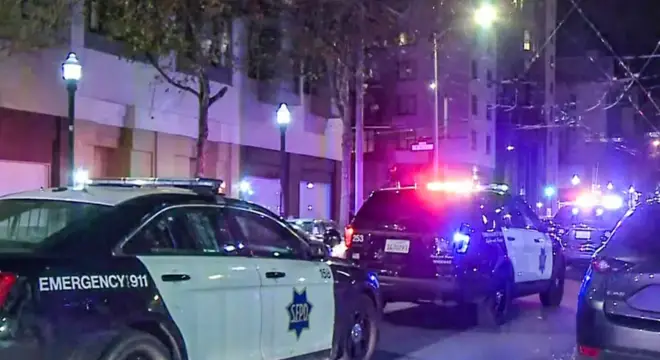
Deadly Philadelphia Rowhome Fire: One Victim Found Inside
I want to start by walking you through what unfolded on Tuesday near La Salle University, because it’s not just another fire—it’s a story of loss, chaos, and the fragility of life in our rowhome neighborhoods.
Late that morning, flames broke out in a rowhome on the 5700 block of North Lambert Street. The fire quickly spread, engulfing up to five homes. You can imagine how fast a fire moves when rowhomes are tightly packed, walls sharing space, and older buildings often lack modern safety updates. The house where the fire likely started took the brunt of the damage.
By evening, a body was discovered inside that home. Relatives suspect it belongs to a 70-year-old woman who had been unaccounted for since the blaze began. Her family had been calling her repeatedly, hoping she had stepped out, and her son, who was inside the house when the fire erupted, managed to escape after smelling smoke. But the uncertainty—whether she made it out or not—hangs heavy over the neighborhood.
A firefighter was also injured while battling the flames, reminding us that these incidents don’t just affect residents—they put first responders’ lives on the line too. Thankfully, the firefighter is now in stable condition.
The scene was dangerous enough that investigators couldn’t enter the home for most of the day. Only after the fire was fully contained and the building secured could crews step inside to assess the situation and start piecing together what happened.
Reading about fires like this, you realize how quickly life can change in minutes. And it makes you wonder: if you lived in one of these rowhomes, would you have been prepared? Smoke detectors, escape plans, knowing where your loved ones are—these small steps can make all the difference.
Victims & Family Accounts
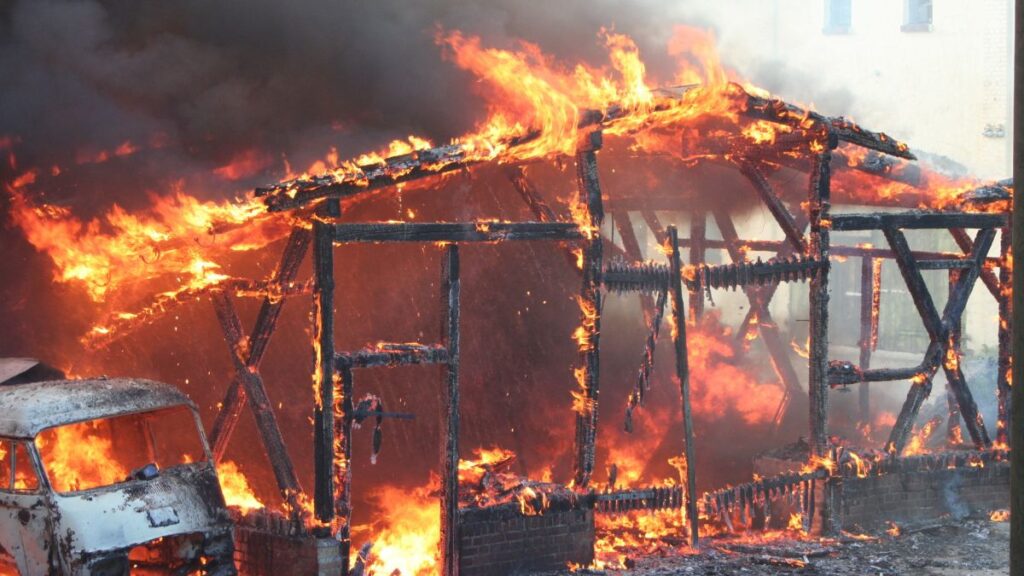
I can’t stop thinking about the people behind the headlines. On Tuesday, the fire claimed a life, and families are still grappling with uncertainty. Relatives told NBC10 that the missing person is likely a 70-year-old beloved mother, though officials have not yet confirmed her identity.
Her son was inside the rowhome when the fire started. He smelled smoke and got out, unaware that his mother might have been upstairs. Families frantically called her phone, hoping she had stepped out, but there was no answer. Reading this, it’s hard not to feel the fear, the tension, and the helplessness that comes in moments like these.
Up to five rowhomes were damaged, and the home where the fire started suffered the worst. You begin to realize how quickly a fire can consume homes that are tightly packed together, leaving little chance to escape if you’re unprepared. It’s a stark reminder of how vulnerable we can be in these old neighborhoods, especially for elderly family members.
Practical takeaway: If you live in a rowhome—or any older building—check smoke detectors, have an escape plan, and make sure your loved ones know it too. A few minutes can make all the difference.
Firefighter Injured While Battling Flames
While residents were running for their lives, firefighters rushed toward danger. One of them was injured while trying to control the blaze. Thankfully, officials reported that the firefighter is now in stable condition.
I want you to pause and think about that. Every fire is not just a building on fire—it’s someone risking their life so others can survive. The reality of rowhome fires is that they spread fast, and first responders are always on the front lines.
Practical takeaway: Support your local fire department. Knowing emergency numbers, having fire drills, and keeping exits clear isn’t just smart—it’s life-saving.
Investigation & Structural Challenges
Investigators couldn’t enter the home for most of the day because the structure was too dangerous. Only after crews secured the building could they step inside and begin figuring out what caused the fire.
From what we know, the fire began in one rowhome and spread to neighboring homes. This isn’t unusual for Philadelphia’s tightly packed rowhome blocks, especially older structures that might not have updated safety systems.
Unfortunately, incidents like this are not isolated—earlier, a fire in Colorado left two people injured and four puppies dead, showing how quickly emergencies can escalate.
Practical takeaway: If you live in a similar building, it’s crucial to understand the risks. A structural inspection, working smoke detectors, and knowing your neighbors can save lives in emergencies.
Community Impact & Pattern of Rowhome Fires
I’ve seen reports of fires like this before, and the pattern is worrying. Dense rowhome neighborhoods mean that one fire can quickly affect multiple families. Here, up to five homes were damaged, displacing residents and causing chaos in the area.
Older homes often lack modern fire safety measures—functional smoke detectors, sprinklers, or clear exits. This fire, like many before it, exposes how vulnerable our communities can be. It’s not just one tragedy; it’s part of a larger pattern that city officials, residents, and landlords need to address.
Many neighbors are sharing updates and safety tips through community groups and local messaging networks. Joining such channels can keep you informed in real-time during emergencies.
Practical takeaway: Check your building’s fire safety equipment and know your exit routes. Even small actions can prevent a tragedy from escalating.
Questions That Remain: What Investigators Must Clarify
As much as we know, there are still unanswered questions:
- Was the 70-year-old woman inside the home when the fire began?
- What caused the fire to start? Electrical fault? Accident? Other factors?
- How did the fire spread so quickly between homes?
- Were there any safety systems in place, like alarms or extinguishers?
These questions matter because they affect every rowhome resident. Understanding what went wrong helps prevent future tragedies.
Similar multi-unit home fires, like a recent mobile home fire in Monroe County that drew multiple fire departments, highlight the recurring risks in closely packed neighborhoods.
Practical takeaway: Stay informed about local fire reports, building inspections, and city safety regulations. Awareness and preparation are your best tools.
Public Safety Takeaways for Philadelphia Residents
I want to speak directly to you here—if you live in a rowhome, this fire is a wake-up call. Fires can spread in minutes, especially in older, tightly packed homes. Knowing what to do before an emergency can save lives.
Start with the basics: check your smoke detectors and replace batteries regularly. Make sure fire extinguishers are accessible, and discuss an escape plan with your family. Know where elderly or vulnerable members are during an emergency and plan how to help them evacuate.
Even small steps matter. A fire drill at home might feel unnecessary now, but it’s exactly what could save someone’s life when seconds count.
Tragedies such as the Wahpeton house fire, which left a family homeless along with the loss of two pets, underline how devastating residential fires can be for families everywhere.
Practical takeaway: Take a walk through your home and think: “If a fire started right now, could everyone get out safely?” If the answer is no, make a plan today.
A Neighborhood in Mourning & A City Awaiting Answers
The fire left a hole in the neighborhood that no one can ignore. Families are waiting for confirmation, firefighters are recovering, and investigators are piecing together what went wrong. The uncertainty is heavy—but it also reminds us how important preparation and vigilance are.
As a community, we can’t just move on. We can demand safer housing, insist on proper fire safety systems, and look out for one another. And personally, it’s a reminder to check in on our loved ones, especially those who are most vulnerable.
So here’s what I ask you: When was the last time you checked your smoke detectors? Do you have an escape plan in place? Sometimes thinking about these questions before disaster strikes is the only way to protect the people you care about most.
Take a moment today to walk through your home, talk to your family, and ensure everyone knows what to do if fire strikes. Share these steps with your neighbors—you might save a life.
For more stories on fire safety, home emergencies, and local incidents, explore our website for expert tips and real-life updates.
Disclaimer: The details in this article are based on information available from news reports at the time of publication. Some facts, including victim identity and investigation outcomes, are still unconfirmed. Readers should refer to official sources for the latest updates.