Plant These 3 Common Plants and Rats Won’t Come Near Your Property
I’ve worked around homes long enough to know this: most people don’t notice rats until the problem is already uncomfortable. A sound in the wall at night. A smell near the garage. Droppings you hope belong to something else. And the first instinct is always the same — I don’t want poison, traps, or chemicals inside my home.
That’s where plants come into the conversation. Not as a magic fix, but as a smart, preventive layer that many homes completely ignore.
If you’re here, you’re probably wondering whether certain plants actually keep rats away or if that’s just internet folklore. I had the same doubt. So instead of repeating the usual “rats hate strong smells” line, I dug into pest-control research, extension studies, and real homeowner experiences to see what actually holds up.
In this guide, I’ll walk you through three common plants that rats consistently avoid, explain why they work, and show you how to use them the right way — especially if you’re trying to protect your home before rats settle in.
Before we get into the plants, let me ask you this: are you trying to stop rats from entering your home — or are you already dealing with signs they’re inside?
Why Plants Can Repel Rats (But Only Under Certain Conditions)
Before I talk about specific plants, I want you to understand why this approach actually makes sense — and where it doesn’t. Most articles out there skip the fundamentals, which is exactly why so many people end up feeling disappointed.
Plants don’t repel rats by magic. They work because rats sense the world very differently than we do.
How a Rat’s Sense of Smell Works
Rats rely on smell more than sight or sound. It’s how they evaluate every potential hiding spot.
They use their nose to:
- Track food sources
- Detect threats
- Follow scent trails
- Decide if a space feels safe enough to enter
Their sense of smell is extremely sensitive. Certain plant compounds don’t just smell strong — they overwhelm rats’ scent receptors. That sensory overload makes the environment feel uncomfortable and unwelcoming.
This idea is backed by practical pest-control research on plants with high-impact aromas, like you’ll find in the discussion on plants that deter rats.
This is exactly why a weak scent won’t do much. A mildly scented plant sitting randomly won’t bother a rat. What matters far more is strength, placement, and consistency.
The Big Myth: Repel vs Eliminate
Let’s get this straight.
Plants do not:
- Kill rats
- Remove nests
- Eliminate infestations
What they can do is make your home less attractive to rats — especially before they settle in.
Think of plants like:
- A natural warning zone
- A deterrent layer
- A smell barrier
They work best when:
- Rats are exploring, not already nesting
- Entry points are mostly sealed
- Food sources are controlled
This is exactly why plants alone aren’t enough if basic habits are ignored — many homes unknowingly invite rats through simple cleaning mistakes, like the ones explained in these spring cleaning mistakes that secretly attract pests to your home.
They don’t work well if rats are already deep inside walls or under floors.
Plant #1 — Peppermint (The Strongest Smell Rats Can’t Stand)
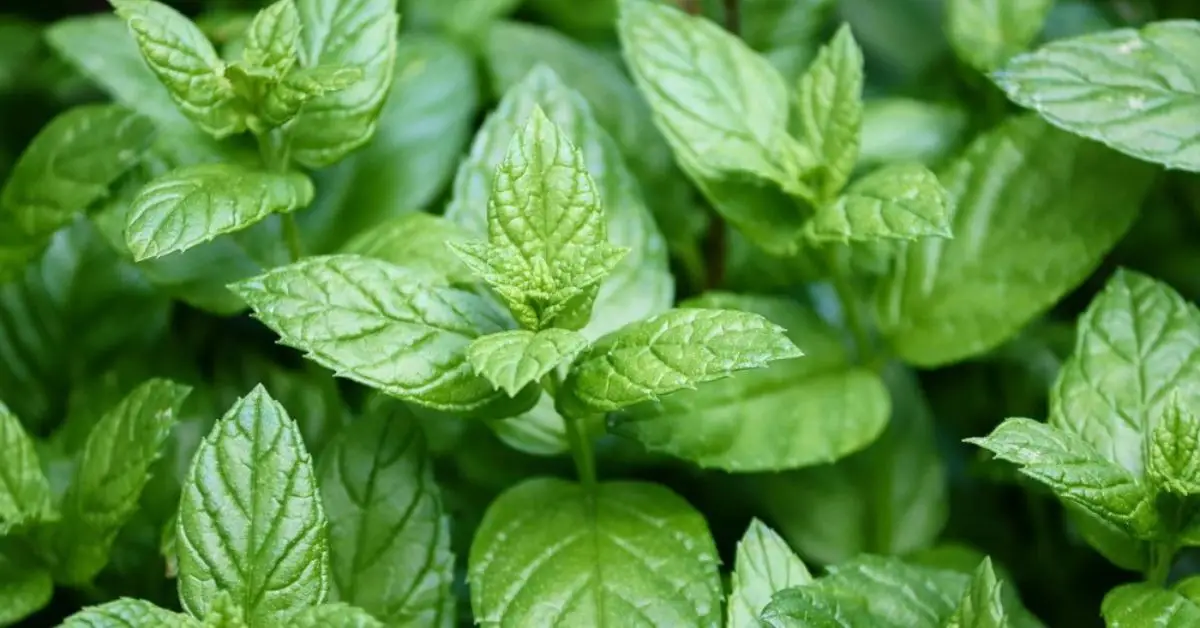
Peppermint shows up in almost every list, but usually without why it works. Let’s fix that.
Why Peppermint Works Better Than Most Plants
Peppermint releases menthol, a compound that directly irritates a rat’s nasal system. For rats, menthol doesn’t just smell strong — it creates a sensory distraction they avoid.
For rats, menthol:
- Masks food smells
- Interrupts scent trails
- Triggers avoidance behavior
This effect of peppermint and how it works on rodents is explained naturally in pest advice like the article on whether peppermint oil works to deter rats.
That’s why peppermint oil shows up in many natural rodent repellent products — it’s effective when used the right way.
How to Use Peppermint Correctly (Indoor + Outdoor)
Here’s where most people go wrong.
Putting a single mint plant on a shelf won’t do much unless the scent is strong where rats are actually thinking about coming in.
Here’s what works better:
Indoors
- Use peppermint oil on cotton balls
- Place them near:
- Entry points
- Under sinks
- Garage corners
- Refresh every 5–7 days
Outdoors
- Potted peppermint near:
- Doors
- Foundation gaps
- Trash areas
Avoid planting peppermint directly in ground soil, because it spreads aggressively.
Plant #2 — Lavender (Surprisingly Effective Indoors)
Lavender is pleasant for us, but rats don’t experience it that way.
Why Rats Hate Lavender but Humans Love It
Lavender contains linalool, a natural compound that can calm humans but irritates rodents and insects.
For rats:
- The scent creates sensory stress
- It interferes with comfort signaling
- It makes the space feel less inviting
That contrast — calming for you, irritating for rats — is exactly why lavender works so well inside homes.
Best Places to Keep Lavender Inside the House
Lavender is ideal indoors because it works without overwhelming your living space. An added benefit is that lavender isn’t just about pest control — it’s also one of the houseplants that naturally improve your home’s air and overall well-being, making it a practical indoor choice.
Best spots:
- Closets
- Bedrooms near windows
- Basements and storage areas
Forms that work
- Dried lavender sachets: subtle and low-maintenance
- Potted lavender: stronger scent, more care
Plant #3 — Rosemary (The Overlooked Rat Deterrent)
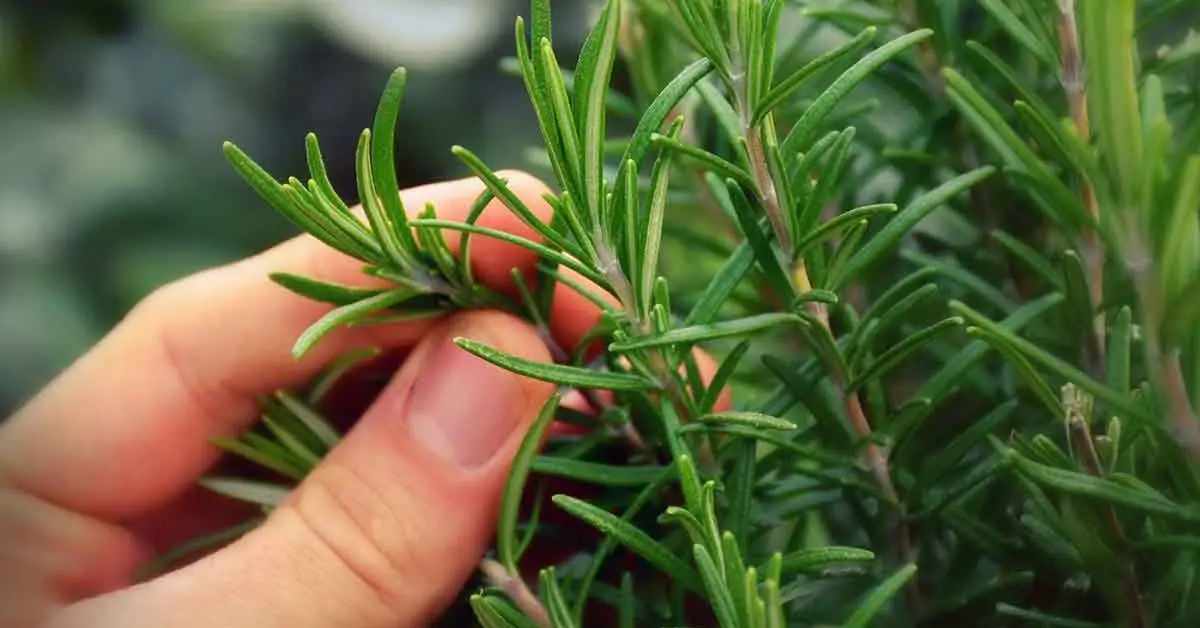
Rosemary doesn’t get a lot of attention, but it deserves it.
Why Rosemary Is Rarely Mentioned but Still Effective
Rosemary releases woody, camphor-like oils that rats tend to find unpleasant, especially near entry zones.
This works because:
- The scent is sharp and persistent
- It handles outdoor conditions well
- It’s easy to grow in pots
Rosemary works particularly well when placed near:
- Doorways
- Windows
- Balconies and patios
It’s simple and practical — often better than more delicate herbs that struggle outdoors.
If you had to protect just one part of your home using plants, which area would you tackle first — the entry points, the garage, or the inside living spaces? Let me know where you’re starting, and I can tailor a placement plan for you.
Combining Rosemary With Other Plants for a Stronger Effect
If you really want plants to work, don’t think in terms of one hero plant. Think in terms of layering scents — but doing it carefully.
I’ve seen people throw five different herbs together and then wonder why nothing changed. Too many competing smells actually dilute the effect.
Here’s how layering works the smart way:
- Use rosemary as a base scent near entry points
- Pair it with one stronger plant (like peppermint) nearby
- Keep scents consistent, not chaotic
Good combinations:
- Rosemary + peppermint near doors
- Rosemary + lavender near windows
What to avoid:
- Mixing 3–4 strong herbs in one small space
- Using floral and sharp scents together randomly
Why this matters: rats avoid uncomfortable scent zones, not confusing ones. This layered approach is an advanced tactic missing from most competitor content.
Where to Place These Plants for Maximum Rat Deterrence
Plants only work if you put them where rats actually travel. Random placement wastes effort.
Entry Points Rats Use Most Often
Rats don’t wander aimlessly. They follow structure.
Focus on:
- Foundation gaps
- Air vents
- Garage edges
- Trash and recycling areas
I always tell homeowners: protect the perimeter first, not the living room.
Why this matters: strategic placement turns plants into a barrier instead of decoration.
Indoor vs Outdoor Placement Strategy
You need different tactics depending on location.
Outdoor placement
- Pots near:
- Front and back doors
- Patio doors
- Foundation corners
Indoor placement
- Near windowsills
- Inside garages
- Utility rooms and basements
For apartments or townhomes:
- Balconies
- Patios
- Fire escapes
What Plants Do Not Work (Despite Internet Claims)

I don’t believe in overselling. Some plants are simply overhyped.
Plants That Are Overhyped but Ineffective
These show up everywhere, but results are weak or inconsistent:
- Bay leaves – mild scent, fades quickly
- Citronella – works better on insects than rodents
- Random kitchen herbs – basil, parsley, thyme
Why this matters: calling out myths builds trust. Not every “natural tip” deserves your time.
Safety Considerations for US Homes
This part is critical — and almost completely ignored by competitors.
Are These Plants Safe for Pets and Kids?
Here’s the honest breakdown:
- Peppermint oil
- Effective, but concentrated oil can irritate cats and dogs
- Keep oils out of reach
- Lavender
- Generally considered safe when used as dried sachets or plants
- Rosemary
- Safe in normal amounts
- Avoid ingestion in large quantities
For a reliable reference, the ASPCA toxic plant database is the best place to double-check plant safety for pets.
When Plants Are Not Enough (And What to Do Next)
I don’t want to give you false hope. Plants have limits.
Signs You Have an Active Infestation
Plants alone won’t fix things if you notice:
- Droppings
- Scratching or movement at night
- Gnaw marks on wires or wood
At this stage, deterrence needs backup.
Why this matters: recognizing limits early saves time, money, and stress.
Combining Plants With Other Natural Deterrents
Plants work best as part of a system. When you pair plants with a few smart home hacks to keep pests out all year, the overall deterrence becomes far more reliable than using any single method on its own.
Pair them with:
- Sealing visible gaps
- Proper trash storage
- Removing outdoor food sources
- Ultrasonic devices (neutral add-on, not a replacement)
Why this matters: this keeps the advice practical, not clickbait.
A Smarter Way to Use Plants So Rats Never Settle In
Here’s the mindset I want you to walk away with.
Plants are not a one-time fix. They’re a prevention system.
They work best when:
- Used early
- Placed consistently
- Combined with basic home maintenance
If your home is high-risk or you’ve seen early signs, plants can genuinely tip the balance — before rats decide to stay.
Now I’d love to hear from you.
- Which area of your home worries you the most right now?
- Have you tried any of these plants before — and did they work?
Drop your experience in the comments, and if you want more practical, no-nonsense home guides like this, explore more resources on Build Like New.
Disclaimer: Natural plants can help deter rats, but they are not a guaranteed solution and cannot eliminate an active infestation. Results may vary based on placement, scent strength, and existing conditions. For serious or ongoing rat problems, professional pest control may be necessary.