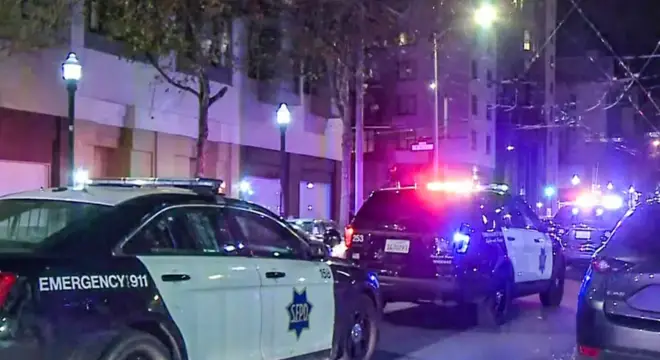
Three Roselle Homes Destroyed in Fire, Dozens of Residents Affected
I want to start with the moment everything changed in Roselle on Monday evening, because if you’re trying to understand this fire, you need the scene in your head first — not just numbers and headlines.
The fire started around 5 p.m. on East 9th Avenue, and by the time I looked through the reports and eyewitness videos, one thing was clear: this wasn’t a small, containable blaze. Flames jumped from one home to the next in minutes. Three houses were eventually burning at the same time, and more than two dozen people had to leave everything behind with no warning.
Firefighters from different departments showed up fast, but the wind worked against them. You can see it in the footage — the flames whip sideways, not upward, which tells you how aggressively the fire was moving. That’s why it spread across multiple homes before crews could even set up full control lines.
What stood out to me is that despite the chaos, not a single resident was hurt. Only one firefighter suffered smoke inhalation. And honestly, that’s rare in a fire that jumps homes like this. People had seconds to react, and the fact that everyone got out shows how fast neighbors and responders moved.
The American Red Cross is already helping the displaced families with temporary stay, meals, and essentials. When a fire burns this hot and this fast, people don’t get to grab much — so that support becomes the first lifeline.
Even though officials haven’t confirmed the cause yet, the pattern of the fire, the windy conditions, and the multi-family layout of the homes tell you why this incident became so overwhelming so quickly.
If you were nearby that night, what’s the first thing you noticed — the smell, the smoke, the sirens, or the sky lighting up?
“Everything Was on Fire”: What the First Moments Looked Like
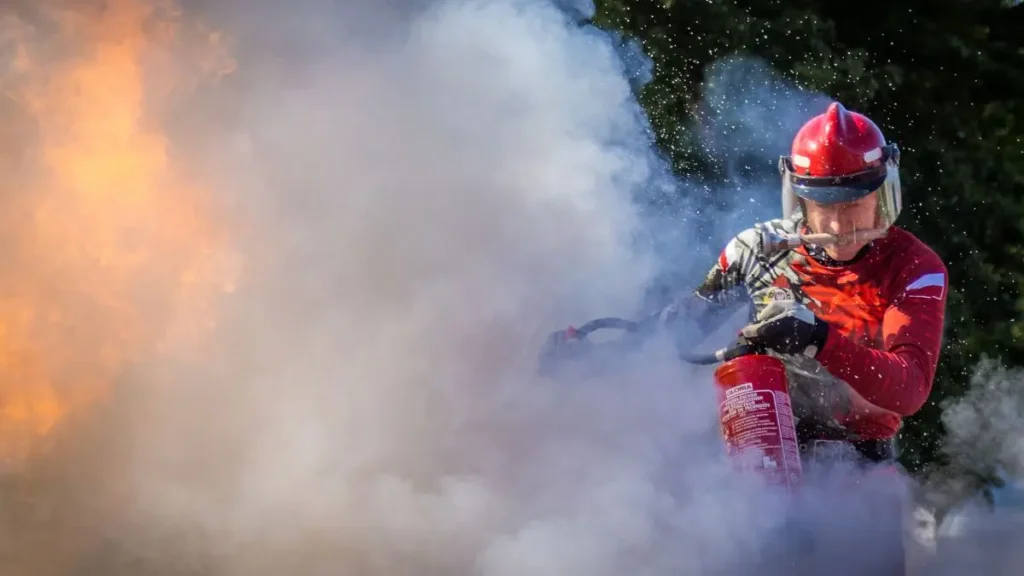
When I went through the CBS News report, the first thing that hit me was how sudden the whole thing felt for the people living on that block. CBS described the scene as a wall of flames across multiple homes. You don’t usually see three houses burning at once unless the fire has a serious push behind it — and that’s exactly what happened here.
Residents said the fire looked just as terrifying up close as it did from the helicopter footage. One woman said she came home from work and couldn’t even recognize her own place through the smoke. That’s the kind of moment that doesn’t leave you — the shock of seeing everything you’ve built swallowed by fire before you even reach the door.
And if you look closely at the videos from the street, the flames aren’t rising straight up. They’re slanting sideways. That tells me the wind had a real role in accelerating the fire. That kind of “side burn” is one of the reasons the flames were able to jump so quickly from home to home.
Multiple people on the block said the same thing: the fire didn’t creep — it rushed. And when a fire moves with that kind of force, you don’t get time to think. You just react.
The Human Side No One Sees: Fear, Pets, and a Small Act of Bravery
The ABC7NY coverage added something the other outlets didn’t — the people’s emotions. And honestly, that’s what helped me understand what this night really felt like.
One resident, Janylle Ramirez, said she came home and found her entire house blazing. She wasn’t worried about furniture or walls. Her voice broke when she talked about her five rescue cats in the basement. Pets may not matter to an insurance company, but for families like hers, they’re just as important as anyone else in the home.
ABC7NY also showed a firefighter climbing a ladder to rescue a cat trapped next door. A neighbor recorded the whole thing, and it struck me how quickly people focus when a life — any life — is at risk. It was one of those moments that cuts through the chaos. Even in the middle of a burning street, someone stopped, saw an animal in danger, and just acted.
And while all this was happening, neighbors stood outside praying, shouting to each other, trying to figure out who was safe. These aren’t just “residents.” These are people who know each other, look out for each other, and were suddenly thrown into the kind of night no one prepares for.
If you like staying updated on real-time fire incidents and quick safety takeaways, many people follow local alert channels on WhatsApp — it’s one of the fastest ways to get verified updates during emergencies.
“It Spread Fast”: Why the Fire Got Out of Control
The part that kept coming up in every interview was how fast the fire moved. One neighbor said she heard a loud boom right before the flames appeared. Another said the fire looked like it was being pushed by the wind, almost like something was feeding it.
When I looked at the layout of the homes on East 9th Avenue, the pattern made sense. These houses are close, with shared exposure points near attics and upper levels. Add wind to that, and the fire gets channels to travel through — not just surfaces to burn.
A mom on the block said she ran into her home to grab her kids even after police told her not to. And honestly, I can’t blame her. When you see flames on your street and smoke pouring toward your roof, instinct takes over. You grab your people and get out.
This is the part no one likes to talk about, but it’s real: fires in tight neighborhoods don’t give you time. They give you instinct and seconds — nothing more.
I was reminded of a similar case in Georgia where a sudden house fire spread through a family home before they could escape — the details were just as intense.
The Aftermath: Displacement, Fear, and First Steps Toward Recovery
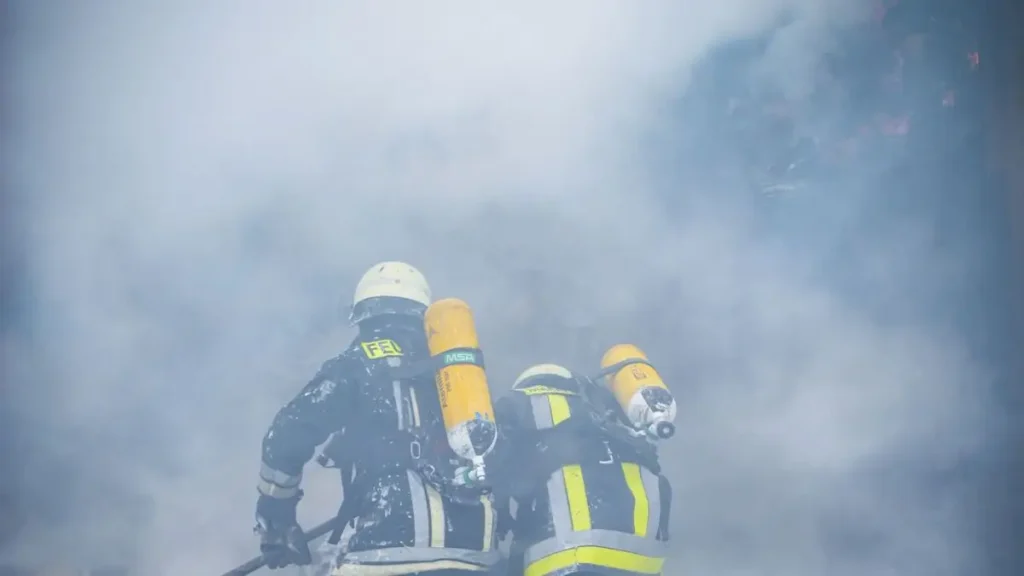
More than 24 people were displaced almost instantly. Think about that for a second — going from “I’m home” to “I have no home” in less than an hour. The American Red Cross stepped in quickly, offering temporary lodging, food, clothes, and basic support. That’s often the only thing that stands between a family and complete uncertainty on a night like this.
Some families from the burned homes were multi-generational. Upstairs units, basement units — all gone in the same blaze. When multi-family homes burn, the number of people affected multiplies fast.
And this is the part we don’t always see in news clips: the quiet moments after the flames are out —
people staring at a place they can’t go back into, kids asking what happens next, neighbors showing up with coffee, blankets, or just presence.
A fire doesn’t end when firefighters leave. It ends when every displaced person has somewhere to sleep, a plan for tomorrow, and a way forward.
It felt very similar to a Bedford County incident I wrote about earlier, where fire crews fought a fast-moving blaze and families were left sorting through what was left.
The Investigation and What Comes Next
Right now, officials haven’t said what caused the fire. And honestly, that’s normal this early. A multi-home fire with wind involved makes it harder to read burn patterns, especially in attics. Investigators will look at electrical points, appliance heat signatures, and any structural weaknesses that could’ve turned a spark into a chain reaction.
What you and I can take from this is simple: fires in close-setting neighborhoods need minutes, not hours, to turn serious. And nights like this leave long shadows — emotionally, financially, and physically.
Over the next few days, we’ll probably hear more about:
- the exact cause
- whether the boom neighbors heard was connected
- how long rebuilding will take
- what support displaced families will receive
- whether the town reviews any fire safety protocols for similar home layouts
For now, the focus is on the families trying to steady themselves after losing everything.
If you live in a similar neighborhood — close homes, shared structures, older wiring — what’s the one thing this incident makes you want to check or prepare at your own place?
What Investigators Are Looking For Now?
Right now, the cause of the fire is still open, and that’s not unusual. When three homes burn like this, you’re dealing with layers of damage, collapsed sections, and burn paths that overlap. Investigators need time to separate what started the fire from what the fire created afterward.
If I look at fires in similar New Jersey neighborhoods, investigators usually focus on a few things first:
- Was there an appliance or outlet that overheated?
- Did the fire start in an attic or basement where wiring is older?
- Did wind direction distort the burn pattern?
They’ll also talk to the people who heard that initial “boom.” Sometimes it’s nothing more than a window breaking from heat. Other times, it can point them toward the actual ignition point.
You and I always want quick answers, but fire investigations don’t work that way. They work backward, one clue at a time. And until officials talk, the only thing that’s certain is that this fire spread faster than most people could react.
What This Fire Teaches All of Us About Safety?
Every big fire becomes a lesson — not in a dramatic way, but in a practical, everyday sense. And as I went through everything from Roselle, a few things stood out that any homeowner or renter should think about.
If you live in tightly spaced houses, the biggest risk isn’t always inside your home. It’s what happens next door.
Wind-driven fires, like this one, don’t respect property lines. They look for the easiest path — exposed siding, shared attics, open windows, old vents. And that path can run straight into your home even if the fire didn’t start there.
A few things are worth checking, no matter where you live:
- Do you have smoke alarms that wake you, not just beep?
- Do you know a quick exit for every room?
- Do your kids know it too, without you telling them?
- Is there anything in the attic that shouldn’t be near wiring?
And if you have pets, especially the ones that hide during chaos, you need a plan that works even when you’re not home. Fires move too fast for guesswork.
You can’t control your neighbor’s house. But you can make your own home harder for a fire to claim.
Another case that came to mind was an Illinois home fire where, thankfully, no one was hurt — but the investigation revealed safety gaps that many of us overlook at home.
Looking Ahead: Rebuilding, Recovery, and the Road Back
The hardest part begins after the flames die down. Families from all three homes now have to rebuild from almost nothing — documents, clothes, toys, memories — all suddenly gone. The emotional weight of that doesn’t fade in a week.
Cleanup on the block will take time. Investigators still need access. Insurance adjusters need to walk through what’s left. And until those steps are done, many residents can’t even think about returning.
But if there’s one thing Roselle showed that night, it’s community. Neighbors called each other. People shouted warnings. Someone filmed a firefighter saving a cat because moments like that matter when everything else feels lost.
Over the next few weeks, we’ll likely see:
- updates from investigators
- rebuilding timelines
- support drives for the displaced families
- conversations about whether fire safety rules in the area need tightening
But for now, the priority is simple: helping people steady themselves after a night that turned their world upside down.
If you were living on that block and walked out the next morning, what’s the first thing you think you’d feel — anger, relief, shock, or just disbelief?
“If you want more practical breakdowns of real home fire cases and what they teach us, you can explore more stories on our website — it might help you spot risks before they turn serious.
Disclaimer: All details in this article are based on currently available reports and eyewitness accounts. Information may change as officials release updates and the investigation progresses.