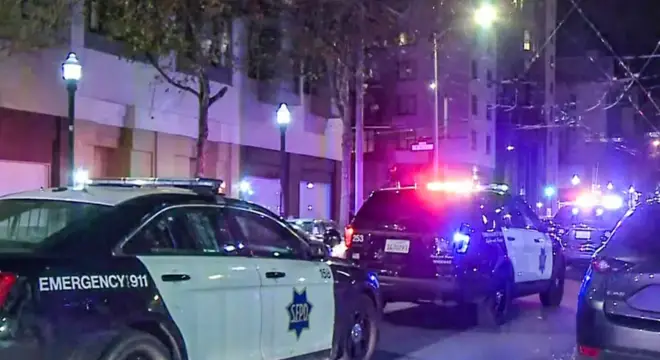
Firefighters Contain Early Morning Row House Fire in Washington
When I saw the first update come in just after 4 a.m., it was clear this wasn’t just another routine call. Firefighters were rushing to a Washington house fire in a quiet Northeast D.C. neighborhood—most people still asleep, homes dark, streets empty.
The alert came from the 300 block of Douglas Street NE, where a row house had caught fire. According to DC Fire and EMS, flames were already visible on the first floor when crews arrived. In row house neighborhoods like this, that detail matters—fire doesn’t stay contained for long when homes share walls.
If you live in D.C., you know how fast things can escalate before sunrise. Fewer eyes outside. Slower reactions from neighbors. That’s why early-morning fires often turn serious before anyone realizes what’s happening.
This time, firefighters moved quickly—and that likely made all the difference.
If this had happened on your block, would you have known right away—or been asleep until sirens woke you up?
What Firefighters Found Inside the Row House?
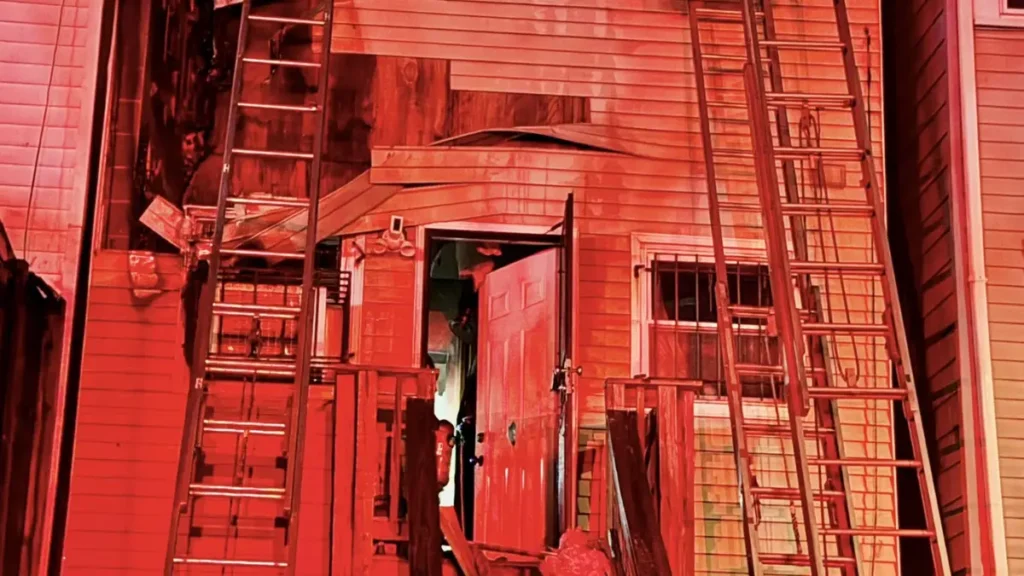
DC Fire and EMS Department
When crews reached the scene, the situation was already active. According to DC News Now, firefighters found a two-story row house with visible flames on the first floor as they arrived at the Douglas Street NE location.
That detail alone tells you a lot. First-floor fires in row houses are dangerous because heat and smoke rise fast, especially in tightly packed homes like these. Once fire gains ground on the lower level, it doesn’t take long before upper floors are threatened.
This wasn’t a minor smoke issue. It was a working fire that demanded immediate action.
Even when lives are spared, the impact can be long-lasting—similar to a Virginia home fire that displaced multiple residents and their pets after flames spread through connected living spaces.
How the Fire Started Spreading — And Why Speed Mattered?
As firefighters began their attack, the fire started pushing toward the second floor. That’s a critical moment in any house fire, especially in Washington row houses where shared walls can turn one burning home into multiple emergencies.
I’ve seen too many cases where a delay of just a few minutes changes the outcome completely. Here, crews moved fast enough to stop that spread before it got out of hand.
Because of that quick response, the fire was contained and extinguished before it could cause wider damage or force evacuations of neighboring homes.
Fires become far more dangerous when exits are blocked—something that proved fatal in a Virginia home fire where a man was trapped inside before rescuers could reach him.
Medical Check at the Scene — No Hospital Transport Needed
One person was evaluated by medics at the scene. That’s standard protocol after a house fire, especially when smoke is involved.
The good news: no one needed to be taken to the hospital, according to officials. No serious injuries were reported.
For anyone who’s ever dealt with a fire—even a small one—you know how easily smoke inhalation can become a silent threat. The fact that medical teams cleared the individual on-site suggests this incident stayed under control physically, not just structurally.
Early-morning fires often turn deadly before help arrives, as seen in cases like this Ohio village house fire that claimed three lives where residents had little time to react.
Official Update Shared on X by DC Fire & EMS
DC Fire and EMS shared details of the response in a post on X (formerly Twitter) shortly after 4 a.m. The update confirmed the location, fire conditions, and response status in real time.
Update Working Fire 300 block Douglas St NE. Fire 1st floor extended 2nd floor rear 2 story row dwelling. All fire extinguished and incident under control. 1 resident assisted by firefighters from 2nd floor evaluated by EMS not requiring further medical assistance. #DCsBravest pic.twitter.com/kIPmxmOqJq
— DC Fire and EMS Department (@dcfireems) January 19, 2026
This kind of direct communication matters. When information comes straight from @dcfireems, it cuts through rumors and gives residents reliable facts while the situation is still unfolding.
If you live in D.C., these official posts are often the fastest way to understand what’s happening near you—sometimes even before news outlets publish full reports.
Cause of the Fire Still Unknown
As of now, officials have not said what caused the fire. The origin remains under investigation, and no preliminary cause has been released.
That’s important to state clearly. Early assumptions—electrical issues, cooking, heating—are common, but jumping to conclusions creates misinformation. Fire investigations take time, especially when safety and accountability are involved.
If new details emerge, this will likely be one of the first things residents want to know.
Does knowing the cause change how safe you feel in your own home—or have you already checked your smoke alarms lately?
Why Row House Fires Are Especially Risky in Washington?
If you live in a row house, this part matters to you more than you might think. Row houses share walls, and that single design choice changes everything during a fire.
Once flames break through a wall or ceiling, the fire doesn’t just threaten one home—it threatens the entire row. Heat, smoke, and fire can move sideways just as fast as they move up.
That’s why firefighters treat row house fires as high-risk, even when the flames seem limited at first.
In dense D.C. neighborhoods, early control isn’t just helpful—it’s critical.
What This Fire Says About Early-Morning Home Safety?
Early-morning fires are some of the most dangerous. People are asleep. Reaction time is slower. Smoke alarms are often the only warning.
This Washington house fire is a reminder that fires don’t wait for daytime. If alarms fail or exits are blocked, even a small fire can turn deadly fast.
The difference between a close call and a tragedy often comes down to preparation—working alarms, clear exits, and knowing what to do when you wake up to smoke.
If you’re reading this in the morning, it’s worth asking yourself: would you hear your alarm right now?
Incidents like this are a reminder that early updates matter—especially before official briefings are widely available. Many residents now rely on quick neighborhood alerts and real-time fire updates to stay informed during overnight emergencies.
Fire Safety Lessons D.C. Residents Should Not Ignore
You don’t need to be a firefighter to take smart precautions. But you do need to be intentional.
Check that your smoke alarms work on every level of your home. Keep exits clear—especially at night. And if you live in a row house, remember that your safety is tied to your neighbor’s safety too.
One house fire can affect an entire block. That’s not fear-mongering—it’s how these homes are built.
A Swift Response That Likely Prevented Something Worse
This fire could have gone in a very different direction. First-floor flames, early-morning timing, and a row house layout are a dangerous mix.
What stopped it from becoming more serious was speed—fast reporting, quick arrival, and decisive action by firefighters. No major injuries. No large-scale spread. No hospitalizations.
Not every fire ends this way. This one did—and that’s worth recognizing.
Do you know your escape plan if a fire breaks out while you’re sleeping—or is it something you’ve been meaning to think about “someday”?
We regularly track house fires and safety incidents across D.C. and nearby states. If you want timely updates and verified reports as they happen, you can follow us on X and join the conversation in our Facebook group.
Disclaimer: This report is based on preliminary information shared by DC Fire and EMS and local news sources at the time of publication. Details, including the cause of the fire, may change as the investigation continues. Readers are advised to rely on official updates for the most accurate and current information.