Clean Smarter, Spend Less: 7 Baking Soda Toilet Hacks That Actually Work
I used to dread tackling the toilet because every cleaner I tried either smelled like a chemistry lab or cost a small fortune. Over time I learned one simple truth: you don’t need harsh chemicals to get a clean, fresh bowl — and baking soda is the low-cost, low-waste solution I keep coming back to.
If you’re searching for how to clean a toilet bowl with baking soda, this piece is for you. I’ll show seven practical tricks I actually use (and recommend), from quick weekly touch-ups to targeted fixes for stubborn rings and tank-care tips most guides skip.
No fluff, no scare tactics — just tested, easy steps that save money, cut down plastic and chemicals, and actually work. Ready? Here’s the quick idea of what you’ll get and why it matters.
Why Baking Soda Is a Smart, Eco-Friendly Toilet Cleaner
When I first started cutting down on chemical cleaners, baking soda was the one product I kept coming back to. It’s non-toxic, gentle on porcelain, and strong enough to handle everyday grime without damaging the surface. I like that it neutralizes odors on its own instead of covering them, which makes a real difference if your bathroom gets stuffy fast.
It’s also safe for septic systems and plumbing, so you don’t have to worry about long-term damage. And because the texture is mildly abrasive, it lifts stains without scratching — something most harsh powders can’t promise.
Here’s a quick snapshot of why it works so well:
- Non-toxic and gentle on sensitive surfaces
- Naturally neutralizes bathroom odors
- Safe for septic tanks and plumbing
- Mild abrasion removes grime without scratches
Most of what I rely on about baking soda’s cleaning power comes from Arm & Hammer’s baking soda cleaning guide, which has been a solid reference for years.
Trick 1: Basic Weekly Clean with Baking Soda
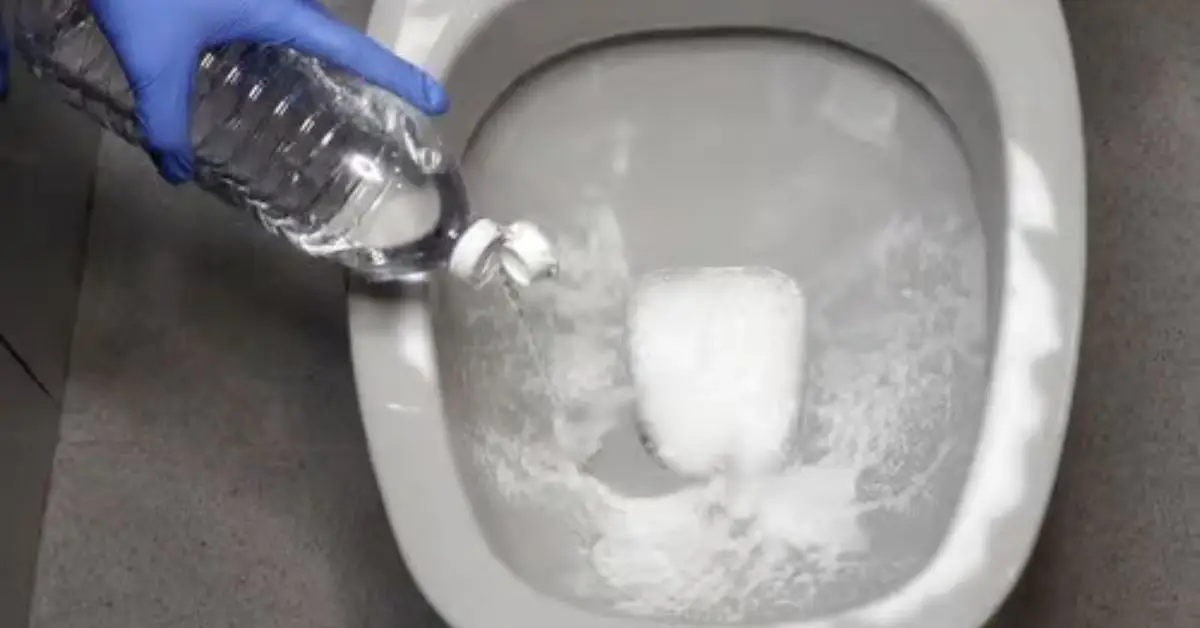
This is the routine I’ve followed for years because it’s simple and gives you a reliably clean bowl without chemicals. If you want the easiest method to maintain your toilet weekly, start with this one.
Here’s my exact process:
- Sprinkle about half a cup of baking soda under the rim and around the bowl
- Let it sit for 10–15 minutes (up to 45 minutes if there’s a ring you want gone)
- Scrub with a soft toilet brush
- Flush to rinse everything away
If you stick to this once a week, stains build up far more slowly and the bowl stays fresher with almost no effort.
Trick 2: Boost Cleaning Power with Vinegar
When the bowl needs more than just light maintenance, I boost the baking soda with vinegar. It’s still natural, still gentle, but strong enough to loosen tougher stains and mineral spots.
Here’s how I use it:
- Pour about one cup of white vinegar into the bowl
- Sprinkle baking soda on top to get that fizzing reaction
- Let it work for around 30 minutes
- Scrub lightly and flush
This is great for stubborn rings and gritty deposits. If you like using natural combinations for household cleaning, you may also appreciate these must-try vinegar and baking soda hacks for other areas of your home. Just one reminder: if your plumbing is older or sensitive, don’t overuse vinegar combos. Some plumbers point out that frequent acidic cleaners can be rough on certain pipes.
Use this when you need extra cleaning strength, not every day.
Trick 3: Use a Baking Soda Paste for Stubborn Stains
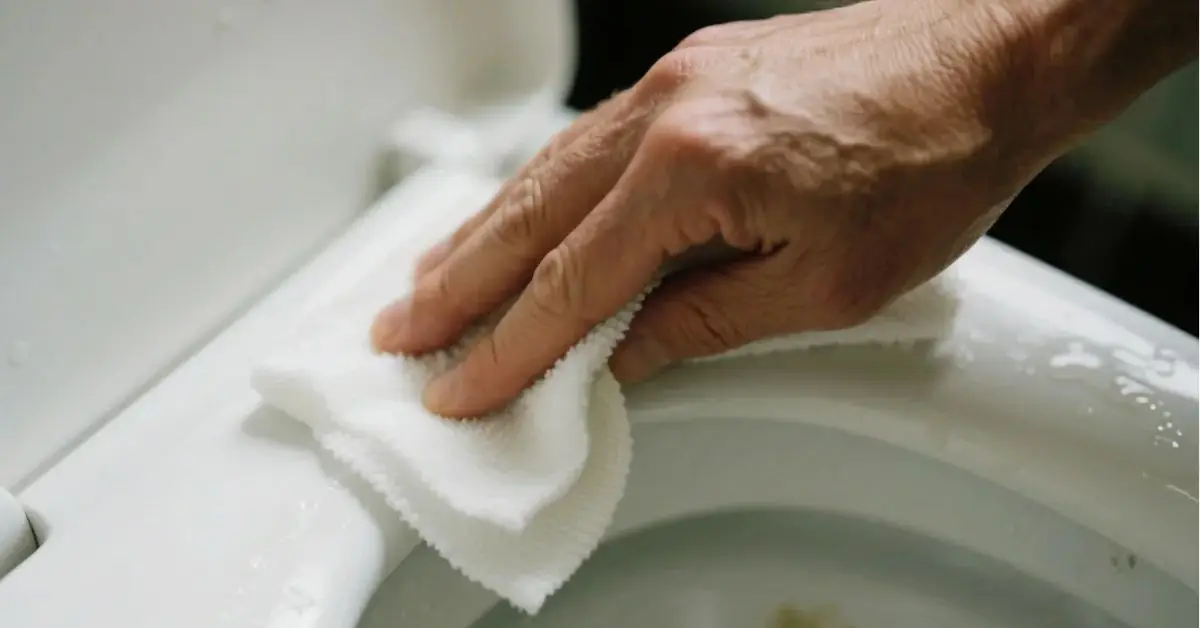
Some stains don’t budge with regular cleaning — especially rust marks, stubborn rings, or mineral spots that have been sitting there for months. When I’m dealing with those, I switch to a baking soda paste because it lets me target specific areas without scrubbing the whole bowl aggressively.
Here’s how I make it work:
- Mix baking soda with a little water (or vinegar, if the stain is really tough) to form a thick paste
- Spread that paste directly on the stained or discolored areas
- Let it sit for at least 30 minutes — overnight if the stain is deep or old
- Scrub gently with a toilet brush or a softer tool
- Flush to clear it away
You can also add a few drops of tea tree or lemon oil to the paste for a cleaner scent and a mild antimicrobial boost. It doesn’t change the cleaning power, but it makes the bathroom smell fresher while you work.
For reference, the paste method aligns well with the steps described in Chef’s Resource’s guide on baking soda cleaning.
Trick 4: Pour in Hot Water for Mineral Deposits
If you live in a hard-water area, you know how quickly those mineral rings come back. Heat helps loosen the buildup, and combining it with baking soda gives you a stronger, yet still gentle, approach.
Here’s the exact process I use:
- Sprinkle about one cup of baking soda into the bowl
- Heat a kettle of water, but stop before it reaches a full boil
- Pour the hot water carefully into the bowl
- Let it sit for 30 minutes, or overnight if the mineral ring is thick
- Scrub lightly and flush
If you’re dealing with buildup in other areas of your home, you might find these simple ways to remove wallpaper glue without harming your walls helpful.
One important note: don’t use boiling water. Porcelain doesn’t respond well to sudden temperature changes, and extreme heat can cause cracks. Hot water works — boiling water doesn’t.
Trick 5: Use Baking Soda in the Toilet Tank for Odor and Scale Control
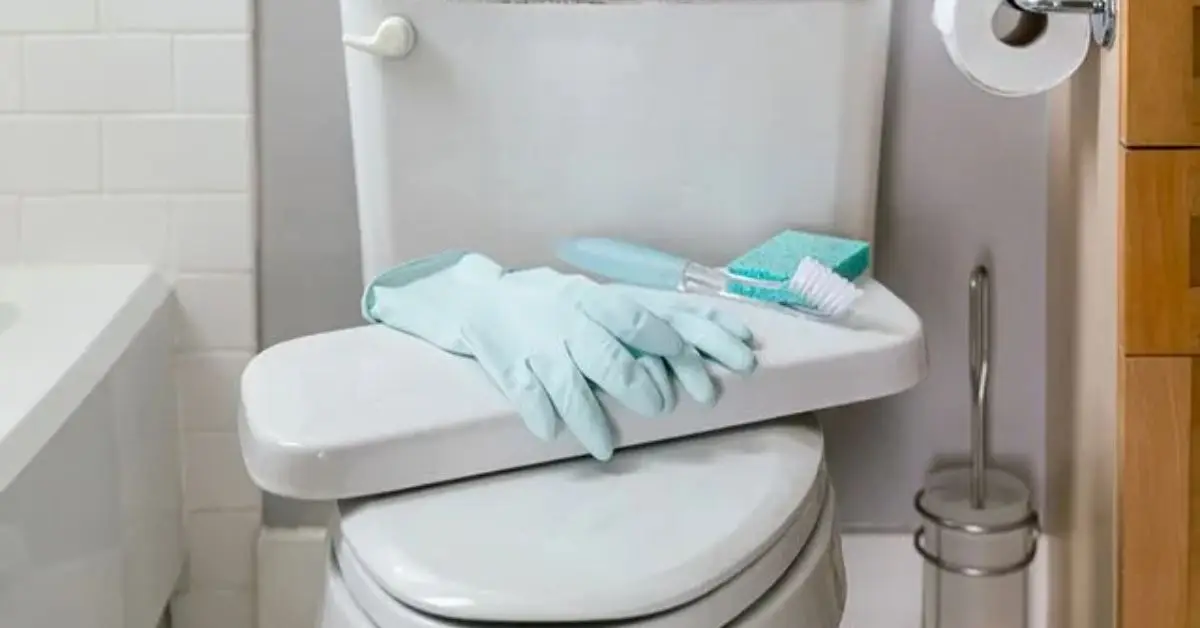
Most people only clean the bowl, but the tank is where a lot of hidden odor and mineral buildup actually starts. Cleaning it with baking soda keeps the toilet fresher for longer and reduces the strain on internal parts.
This is what I do:
- Add about one cup of baking soda directly into the tank
- For heavier scale, pour in one to two cups of vinegar and let the fizz settle
- Let it sit for 30–60 minutes — overnight if the buildup is thick
- Flush two or three times to rinse the tank and bowl together
Plumbers note that baking soda is safe for the rubber flapper, gaskets, and other internal parts, which makes this an easy maintenance step you can repeat every couple of months.
Trick 6: Make DIY Baking Soda Toilet Bombs
When I want something quick, fun, and low-waste, I make my own toilet-cleaning “bombs.” They fizz, smell clean, and make maintenance feel effortless. Plus, they cost almost nothing to make and skip the harsh chemicals you find in commercial tablets.
Here’s the simple mix I use:
- One cup baking soda
- One quarter cup citric acid
- A few drops of your favorite essential oil
- Just enough water to help the mixture hold its shape
Once the mix feels like damp sand, I press it into silicone molds and let it dry for at least 12 hours. After that, the bombs are ready to use.
Whenever the bowl needs freshening up, I drop one in, let it fizz, give the bowl a quick scrub, and flush. It keeps the toilet cleaner between deep scrubs, and the fizzing reaction helps loosen light buildup on its own.
These are budget-friendly, easy to store, and a lot gentler on your home than store-bought tablets.
Trick 7: Preventive Maintenance Routine (Monthly + Weekly)
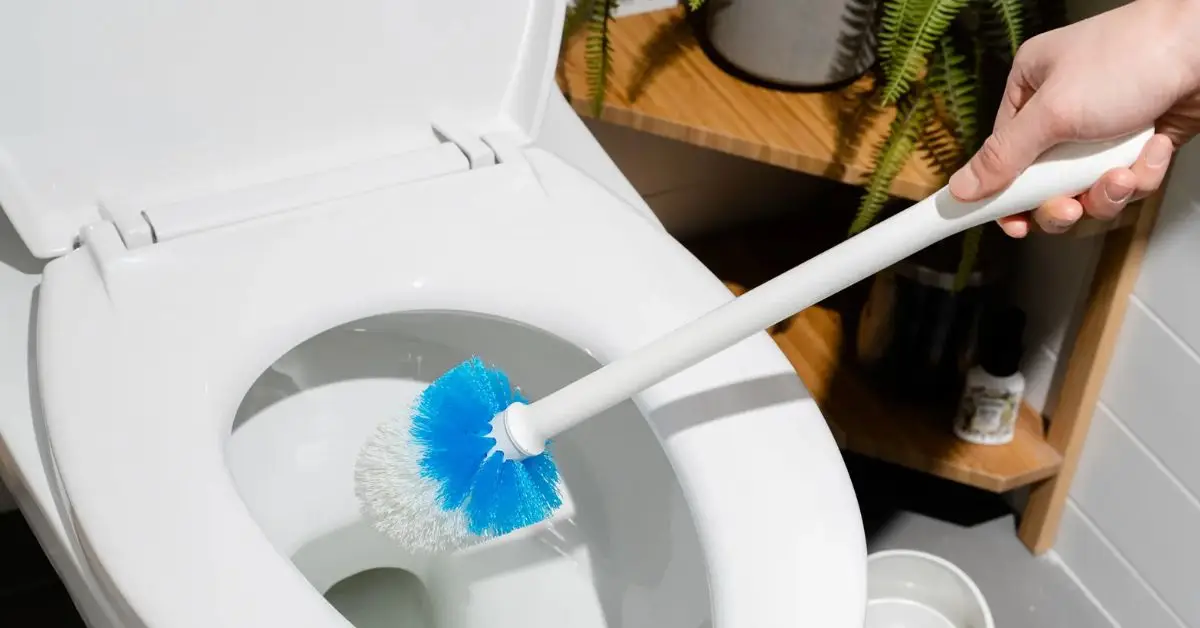
Cleaning only when the toilet looks dirty makes everything harder. A simple routine keeps buildup away and lets you avoid stronger cleaners later. I stick to two layers: weekly and monthly.
Weekly (fast routine):
- Sprinkle baking soda around the bowl
- Scrub lightly and flush
This keeps stains from forming and stops odors before they settle in.
Monthly (deep maintenance):
- Use the tank treatment from Trick 5
- Flush a couple of times to clear the system
- Add a quick vinegar rinse if you deal with mineral-heavy water
If you want a deeper explanation for why occasional vinegar helps keep minerals in check, the breakdown in HowStuffWorks’ cleaning guide is a good reference.
Most people forget this step, but it’s what keeps the toilet running smoothly without harsh products. I usually set a reminder on my calendar so it becomes part of the normal cleaning rhythm.
Cost and Environmental Impact: How Much You Save and Why It’s Greener
One of the reasons I rely on baking soda is simple: it saves money without cutting corners on cleanliness. A large box usually costs less than most single-use toilet cleaners, and you use only small amounts each week. When you compare that to commercial toilet tablets and chemical gels, the savings add up fast.
There’s also the environmental side. Baking soda is non-toxic, biodegradable, and free from the ammonia and strong acids you find in many bathroom products.
Because it’s safe for plumbing and septic systems, you also avoid the long-term issues that harsh cleaners can create inside pipes and tanks. And if you’re making your own toilet bombs instead of buying packaged tabs, you cut down on plastic waste, too. If you’re trying to avoid harsh or damaging household cleaners in general, this guide on cleaning products that can ruin wooden cutting boards is a useful read. It’s a small shift that has a real impact over a year.
Quick Checklist: When and How to Use These Tricks
If you want a simple way to choose the right method at the right time, here’s the checklist I use:
- Regular stains or mineral rings? → use the baking soda paste or the hot-water trick
- Need a low-effort weekly clean? → stick with the basic baking soda sprinkle
- Tank smells or hidden buildup? → do the tank treatment once a month
- Want an easy, eco-friendly boost between cleanings? → try the DIY fizz bombs
- Worried about chemicals or irritants? → all these methods stay non-toxic
- Living in a hard-water area? → add the vinegar combo every few weeks
- Need help staying consistent? → set calendar reminders for weekly and monthly routines
This quick plan keeps the toilet cleaner, longer, and helps you avoid the heavy scrubbing most people end up doing.
Final Thoughts: Make Cleaning a Greener Habit
Baking soda keeps things simple: you save money, avoid the harsh chemical smell, and cut down on waste. Once you work these seven tricks into a weekly and monthly rhythm, the toilet stays cleaner with a fraction of the effort.
If you want to start small, try just one method this week. See how it feels, and then build the routine at your own pace. And if you found these tips helpful, leave a comment — I’d love to hear which trick works best for you.
You can also share this guide with someone who wants a cleaner home without depending on chemical-heavy products. For more practical, low-waste home care ideas, visit Build Like New.
Disclaimer: This guide is based on general home-cleaning practices and personal experience. Always check your toilet manufacturer’s care instructions before trying any method, especially if you have older plumbing or specialty surfaces. Use natural cleaners responsibly and follow basic safety precautions.