10 Smart Tactics to Sell Your Home With Mold Without Cutting Your Asking Price
I still remember the first time I walked into a house that had been on the market for months. At first glance, it seemed fine—spacious rooms, nice lighting, the kind of place you could picture yourself living in. But then I caught that faint, musty smell. A closer look revealed dark patches behind the baseboards and under the sink. The previous owners had tried to hide it, but the mold was there, stubborn and persistent. I could see how it had already scared off potential buyers.
If you’re in my shoes—trying to sell a house with mold—you probably feel the same mix of frustration and urgency. You don’t want to slash your price, yet you know the “mold factor” can make buyers walk away fast. I’ve seen firsthand how small mistakes or poor planning can turn a manageable situation into a nightmare. That’s why I want to share strategies that actually work—so you can sell your home fast, safely, and without giving away your hard-earned value.
What “Selling With Mold” Really Means — Myths vs Reality
When I first started dealing with homes that had mold, I realized how many myths surround it. Most sellers panic the moment they hear the word, thinking their house is unsellable or that buyers will automatically demand huge discounts. But here’s the truth: selling a house with mold is legal in most states, as long as you handle disclosure properly. In fact, Redfin’s guide on selling a house with mold emphasizes that transparency can actually protect you from legal trouble and help buyers feel confident moving forward.
It’s also important to understand that not all mold is created equal. Here’s a quick breakdown:
- Surface mold: Usually small patches on walls or ceilings. Easy to clean or remediate and often doesn’t scare experienced buyers.
- Hidden mold: Behind baseboards, under sinks, or in HVAC systems. This is what most buyers worry about because it’s not visible at first glance.
- Black mold: The scary-sounding type, but it’s relatively rare. Even then, proper remediation can make a property safe and sellable.
Most of the fear around mold comes from perception rather than reality. Buyers are worried about health risks, damage, and future costs—but with the right inspection reports, disclosures, and remediation documentation, those fears can be managed.
So when you’re preparing your home for sale, remember: the mold itself isn’t always the dealbreaker. How you present it, document it, and communicate with buyers makes all the difference. Being honest and organized not only protects you legally but also reassures buyers, helping you sell faster and with less stress.
Understand the Buyer Mindset — What Buyers Really Fear (and What They Don’t)

Once I started seeing how buyers react to mold, I realized that most of their fear isn’t about the mold itself—it’s about uncertainty. You can’t control their emotions, but you can control how much confidence they have in your property. Understanding this mindset is key if you want to sell without slashing your price.
Here’s what I focus on when preparing a home for sale:
- Transparency builds trust: Buyers want honesty. Sharing inspection reports and remediation receipts upfront reassures them and reduces the likelihood of major discount demands.
- Common red flags buyers notice immediately:
- Musty or damp smells
- Visible water stains or mold patches
- Evidence of past leaks or water damage
Even small issues can trigger concern, so addressing them proactively is critical.
- Not all mold scares buyers: Experienced buyers know that small surface mold is often manageable. They focus more on overall structure, location, and value than on a tiny patch behind a baseboard.
When you understand what truly worries buyers—and what doesn’t—you can frame your property positively, handle objections before they arise, and maintain your asking price. Controlling the narrative this way makes the selling process smoother and far less stressful.
Strategy #1 — Get a Professional Inspection Before Listing
When I first started selling homes with mold, I realized the single most effective step to protect myself and my price was simple: get a professional inspection before listing. Waiting for a buyer’s inspection can give them leverage to negotiate your price down. By handling this upfront, you eliminate surprises, reduce stress, and give buyers confidence in your property.
Here’s what a professional inspector typically checks:
- Hidden water or moisture problems – behind walls, under sinks, or in basements
- HVAC and ventilation systems – ensuring no mold growth in ducts or filters
- Structural areas prone to leaks – roofs, plumbing, and crawlspaces
Having a detailed report from a certified inspector shows buyers that you know the condition of your home and that you’re being transparent. It also gives you documented credibility, so any minor issues are easier to explain and don’t turn into negotiation weapons.
I like to think of it this way: a pre-listing inspection is like a safety net. It allows you to identify problems, plan your next steps strategically, and present your home confidently to buyers without fear of last-minute surprises. If you want a practical guide on how inspections help when selling a home with mold, this resource from HomeLight breaks it down clearly.
Strategy #2 — Handle Mold Strategically (Fix vs Document)
Once I had a pre-listing inspection in hand, the next step was deciding how to handle the mold. Not every patch needs a full remediation, and not every buyer wants you to spend thousands fixing something they might accept as-is. The key is to control the narrative and protect your price without unnecessary cost.
When It’s Worth Remediating (vs Not)
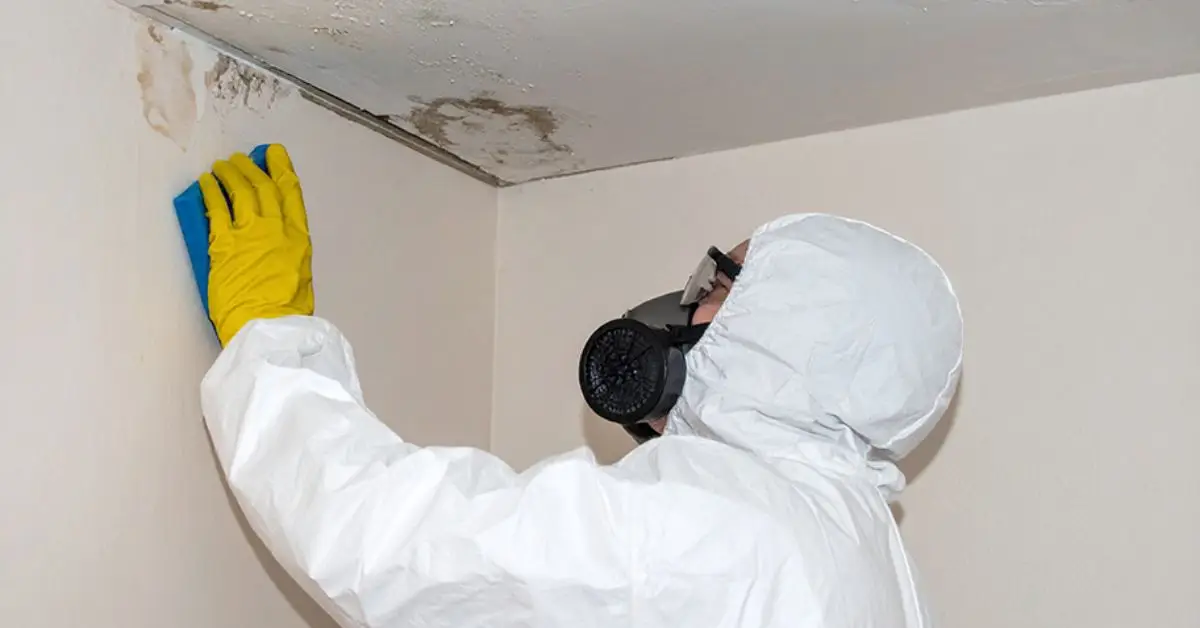
- Small surface mold: If it’s just a few patches on walls or ceilings, a DIY cleanup is usually fine. I’ve found this works well for buyers who understand minor fixes are normal in older homes. If you’re worried about lingering odors turning buyers away, these 5 proven ways to eliminate that mold smell in your home can help you make your home more appealing.
- Larger infestations: Anything over 10 square feet or mold that’s hidden behind walls or under floors usually requires a professional. It reduces objections and gives buyers peace of mind.
The rule I follow is simple: fix what could block a sale, document the rest. That way, I’m not spending money where it won’t actually protect my price.
How to Document Mold Work Like a Pro
- Take before and after photos of any remediation you do.
- Keep third-party reports or receipts from professionals.
- Note any moisture barriers or ventilation improvements you install.
This documentation is more than paperwork—it’s proof to buyers that your home has been cared for. It justifies your price, shows transparency, and reduces buyer anxiety.
By being strategic—remediating the serious issues and documenting everything else—I can confidently present a house with mold without having to drop my asking price. This approach also gives buyers clear evidence that they aren’t walking into a problem they can’t manage.
Strategy #3 — Price It Right Without Undercutting Value
One of the biggest mistakes I see sellers make when there’s mold in the house is panicking and slashing the price. I learned early on that pricing strategically is about reflecting reality, not fear. The goal is to attract buyers without signaling that your home has serious hidden problems.
Here’s how I approach it:
- Compare local comps with mold adjustments: I look at similar homes in the area and factor in a small discount if mold is present. This keeps my price realistic but prevents giving away value unnecessarily.
- Consider slight below-market pricing for the right buyers: Investors and cash buyers are often comfortable with mold situations. Pricing slightly lower than market can attract them and speed up the sale.
- Avoid steep, unjustified discounts: Dropping the price too much can actually scare retail buyers—they may assume the home has severe problems beyond what’s disclosed. If you want more ways to maximize your home’s value beyond handling mold, check out these 10 little-known tricks to get top dollar when selling your house.
The mindset I follow is simple: price fairly, but don’t sell yourself short. When buyers see transparency backed by documentation, they focus on the overall value rather than fixating on a patch of mold.
Strategy #4 — Sell “As-Is” With Confidence
Sometimes, the smartest move is to sell the home as-is, especially if remediation would be costly or time-consuming. I’ve learned that selling as-is can actually speed up the process and reduce stress—but only if you do it with confidence and proper structure.
Here’s my approach:
- Target cash buyers or investors: They’re used to taking homes with issues and can close faster. Selling as-is can reduce your timeline from months to just 7–21 days.
- Clarify what’s included in the sale: Even when selling as-is, I make sure all legal disclosures are complete. Buyers need to know what they’re getting, which protects me from disputes later.
- Highlight positive features alongside mold disclosure: A home doesn’t become undesirable just because of mold. I always emphasize structural integrity, location, and upgrades to keep buyers focused on the bigger picture.
Selling as-is isn’t about ignoring the mold—it’s about controlling how it’s presented. When buyers see that you’re upfront, professional, and confident, the as-is approach can work in your favor and help maintain your asking price.
Strategy #5 — Offer Credits, Not Price Cuts
I’ve found that instead of slashing the asking price, offering repair credits can be a game-changer. It gives buyers flexibility to handle remediation on their terms, while letting you keep your headline price intact.
Here’s how I handle it:
- Offer a remediation credit after inspection: Buyers get funds to fix minor or medium mold issues themselves. This reduces their stress without forcing you to drop your price upfront.
- Clearly outline what the credit covers: I specify the mold work or related repairs so there’s no confusion during negotiations.
- Why this works: Buyers feel empowered, your asking price stays strong, and you avoid undervaluing your home.
In my experience, offering credits creates a win-win: buyers feel taken care of, and I don’t have to compromise on value.
Strategy #6 — Target the Right Buyers

Not every buyer is going to be comfortable with mold, and that’s okay. I’ve learned that finding the right buyers saves time and avoids endless negotiations.
Here’s what I focus on:
- Investors and flippers: They understand mold is often a manageable cost.
- Cash buyers: They can close faster and usually don’t require traditional mortgage inspections.
- Highlight upside features: I always emphasize space, upgrades, location, or other benefits that outweigh the mold concern.
By targeting the right audience, I avoid wasting time on buyers who will walk away or use mold as leverage to drive the price down.
Strategy #7 — Be Transparent But Frame It Smartly
I’ve realized that how you talk about mold matters as much as whether you disclose it. Being honest while framing the situation positively can make all the difference.
Here’s how I do it:
- Share inspection reports and remediation records: Buyers see the home has been taken seriously.
- Explain preventive measures: I highlight fixes like ventilation improvements or dehumidifiers.
- Keep the tone professional, not defensive: I never over-apologize; I present facts and show solutions.
Framing mold proactively reassures buyers that they’re making a sound investment, even with minor issues present.
Strategy #8 — Preempt Buyer Inspection Challenges
One of the most stressful parts of selling a home with mold is the inspection. I’ve learned that preparing ahead can prevent surprises and protect your price.
Here’s my approach:
- Prepare the home for inspection: I declutter, move furniture, and ensure problem areas are accessible.
- Run proactive moisture tests: This confirms there are no hidden leaks and supports the inspection report.
- Document everything: Any findings, fixes, or preventive measures are photographed and logged.
By handling inspections before a buyer arrives, I control the narrative, reduce negotiation friction, and make buyers feel confident that the house is in good hands.
Strategy #9 — Educate Your Agent for Better Negotiations
I’ve learned that your real estate agent is your most important ally when selling a home with mold. They’re not just listing the property—they’re negotiating on your behalf. To give them the best chance of success, I make sure they have everything they need upfront.
Here’s what I do:
- Provide the inspection report early: This ensures the agent can answer buyer questions confidently.
- Share the remediation plan or documentation: Agents armed with proof of repairs or preventive steps can justify your asking price.
- Discuss pricing rationale and strategy: I make sure my agent understands the logic behind my price, credits, or as-is approach so negotiations stay strong.
When my agent is fully informed, they become a powerful advocate, handling buyer concerns and keeping the sale on track.
Strategy #10 — Use Local Legal / Realtor Guidelines to Stay Safe

Every state handles mold disclosure differently, so knowing local rules is critical. I’ve seen sellers get caught off guard by varying requirements, and it can be costly.
Here’s my approach:
- Check mandatory disclosures by state: Some states require detailed reports; others only need general disclosure of known issues. You can see a clear breakdown of state-by-state mold disclosure rules on Moldebook.
- Understand legal consequences: Failure to disclose mold can lead to lawsuits, renegotiations, or even deal cancellations.
- Stay proactive: Following local realtor guidelines keeps buyers informed and protects you from unexpected liability.
Being informed about the rules gives me confidence, and buyers appreciate the transparency.
Simple Preventive Steps Buyers Appreciate
Sometimes, small gestures go a long way. Buyers notice when a seller has taken proactive steps to prevent mold, and it adds credibility to your listing without a huge investment.
I usually do the following before listing:
- Install dehumidifiers in damp areas
- Improve ventilation in bathrooms, kitchens, and basements
- Fix leaks promptly in plumbing or roofing
For homes with wooden surfaces affected by mold, these 6 DIY cleaning tricks for mold on wood can save you time and money before listing.
These small improvements signal to buyers that the home has been maintained, reducing fear and helping me maintain my asking price.
Quick Checklist Before You Hit “List”
Before putting my home on the market, I follow this practical checklist to make sure everything is ready:
- Pre-inspection completed
- Documentation organized (inspection reports, remediation records)
- Pricing strategy finalized
- Disclosure packet prepared and ready for buyers
Having this checklist ensures I feel confident, buyers feel informed, and the entire selling process moves smoothly.
Wrapping It Up — Selling a Moldy Home Without Losing Value
Selling a house with mold doesn’t have to feel like walking a tightrope. From getting a professional inspection to handling remediation strategically, pricing smartly, and educating your agent, every step gives you more control and confidence. The goal isn’t just to sell fast—it’s to sell fairly and safely, keeping your hard-earned value intact.
Remember, buyers respond to transparency, preparation, and small proactive steps. Even homes with minor mold can sell quickly when you frame the situation correctly, provide documentation, and focus on the property’s strengths.
I’d love to hear from you: have you ever dealt with selling a home with mold? Share your experiences or questions in the comments below—I read every single one. And if you want more practical tips and strategies for home improvement and selling homes effectively, check out Build Like New for guides, checklists, and expert advice you can trust.
Selling a moldy home isn’t a nightmare—it’s an opportunity to showcase your professionalism and protect your investment. Take these strategies, apply them step by step, and you’ll see just how much smoother the process can be.
Disclaimer: This article is for informational purposes only and does not constitute legal, financial, or professional advice. Requirements for disclosure, mold remediation, and real estate transactions may vary by state and circumstance. Always consult qualified professionals before making decisions regarding your property.