This Ladybug Lookalike Is Invading Homes — Spot It Before It’s Too Late
I remember the first time I found a bunch of ladybug-looking beetles crawling along my windowsill in late October. At first, I thought, “Oh, how cute!” — you know, those tiny, harmless garden friends we all love. But then, I noticed the smell when I accidentally squashed one and saw dozens more clinging to the corners of my walls. That’s when it hit me: these weren’t the ladybugs I grew up admiring in the garden.
If you’re seeing them in your home, you’re probably wondering the same thing I did: Is this normal? Are these harmless, or is my house under siege? I’ve spent years looking into why these little insects invade homes, how to tell the harmless from the invasive, and what really works to keep them out. In this article, I’ll walk you through exactly that — so you can understand what’s happening, protect your space, and finally sleep without worrying about tiny bugs creeping around at night.
What Homeowners Mean by “Ladybug” When They Find Bugs Indoors
When you spot small, round, red or orange bugs crawling along your window sill or walls, it’s tempting to think, “Ah, ladybugs! Good luck in the garden.” I used to make the same mistake. But here’s the catch: the little visitors you’re seeing indoors aren’t always the friendly garden ladybugs we admire. Most often, they’re Asian lady beetles (Harmonia axyridis) — a close cousin that looks almost identical but behaves very differently.
Here’s how I learned to tell the difference:
- Size and color range: True ladybugs are usually smaller and more consistently colored, while Asian lady beetles can vary from bright orange to deep red.
- Distinct markings: Look behind the head — the invasive beetle often has a small “M” or “W” shaped mark. It’s subtle, but once you notice it, you’ll never confuse them again.
- Behavior indoors: True ladybugs rarely aggregate inside, while Asian lady beetles love to cluster in large groups, especially on sunny walls or attics.
Knowing the difference matters because the friendly ones are harmless and even helpful outdoors, while the invaders can create mess, odor, and mild allergic reactions inside your home. For a clear visual guide and tips on distinguishing the two, I found the explanation on Martha Stewart’s guide to ladybugs vs. Asian lady beetles really useful.
Why These Bugs End Up Inside Homes
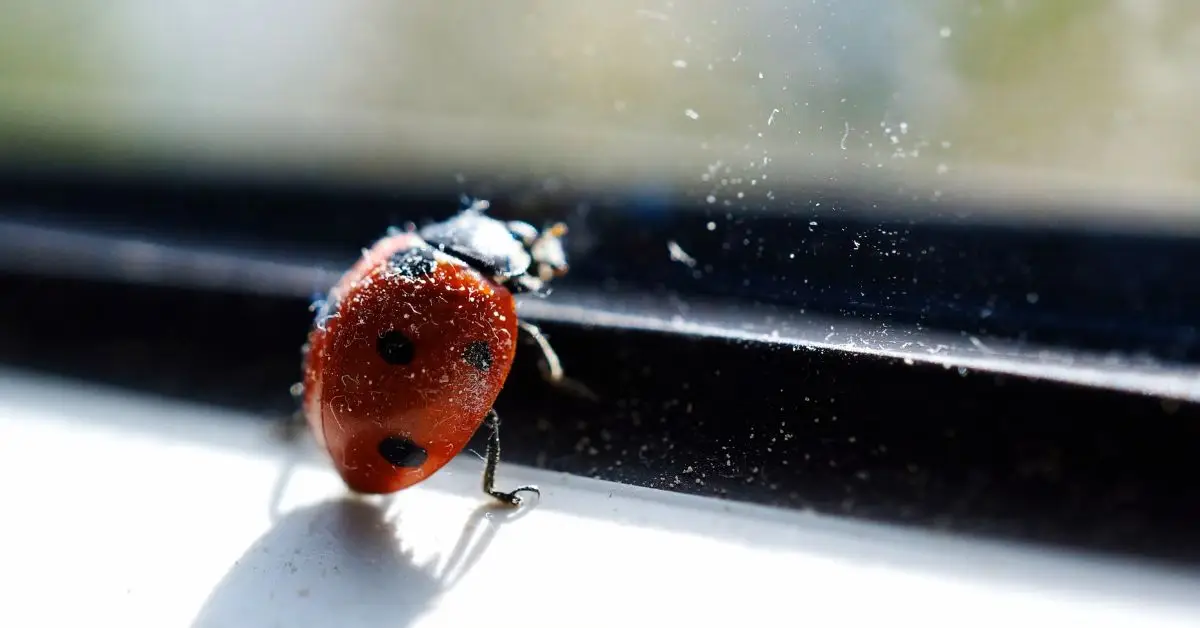
Once you know what you’re dealing with, the next question is natural: why are they inside in the first place? From my experience, understanding their motives changes how you deal with them. These beetles aren’t attacking your home — they’re just looking for shelter.
Here’s what I’ve learned about why they invade:
- Seasonal overwintering behavior: Asian lady beetles want to escape the cold. Come fall and early winter, they start searching for a warm, dry place to hibernate. That often means your cozy home.
- Attraction to sun, light, and warm surfaces: If you have walls facing south or southwest, or windows that catch the afternoon sun, you’ll likely notice more clusters. These spots are like bug magnets.
- Finding entry points: Even tiny cracks around doors, vents, or window frames are enough for them to sneak in. I once spent a weekend caulking gaps and was amazed at how many fewer beetles appeared afterward.
Structural vulnerabilities to watch for:
- Small gaps around attic vents or chimney bases
- Torn or missing weather stripping on doors and windows
- Loose window screens or cracks in siding
When you see these patterns, it’s easier to prevent them proactively. I realized that once I fixed these vulnerabilities, the beetle “invasion” dropped dramatically. For other common home entry pests, check out my guide on 10 easy ways to stop ants, flies, and mosquitoes from invading your home.
Are They Really “Invading” — Or Just Looking for Shelter?
When I first noticed a swarm of these beetles inside my home, I panicked. My mind immediately jumped to “infestation.” But here’s the truth I learned: Asian lady beetles aren’t trying to take over your house. They’re simply seeking a safe, warm spot to spend the winter.
Unlike ants, termites, or cockroaches, they don’t chew wood, reproduce indoors, or feed on your food. They simply cluster together and hibernate until the weather warms up. That means while they can be annoying, they’re not actually “invading” your home in the destructive sense.
Understanding this makes a huge difference. Once I realized they weren’t harmful in the same way as other pests, I could focus on smart prevention instead of panicking. For a detailed breakdown of their indoor behavior and why they cluster, I found this WebMD guide on Asian lady beetles really helpful.
Signs You’re Dealing with an Invasive Asian Lady Beetle “Pest”
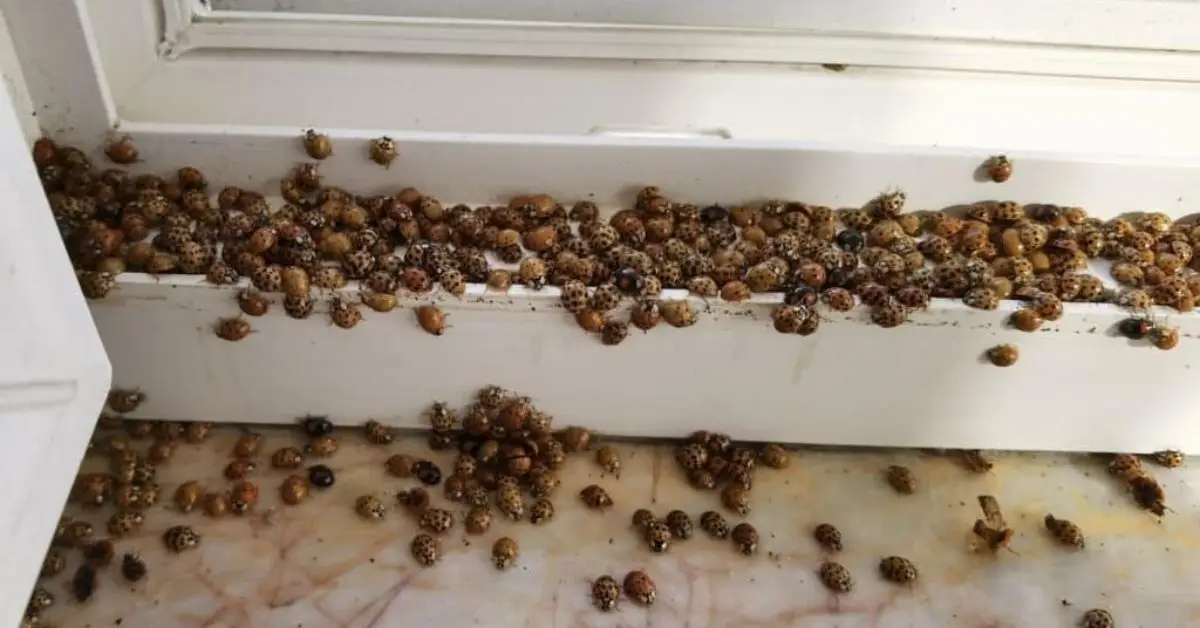
Now that you know they aren’t true invaders, how can you tell if you’re dealing with the invasive kind that becomes a real nuisance? From my experience, there are a few unmistakable signs:
- Large clusters on walls, ceilings, and around windows: Unlike single garden ladybugs, these beetles love to gather in huge numbers. I once found dozens on a single window frame in one afternoon.
- Yellowish stains and foul odor when disturbed or crushed: This is called reflex bleeding — and trust me, it’s not something you want decorating your walls.
- Occasional mildly painful pinching bites: They’re not dangerous, but if you trap one between your fingers, you might get a small pinch.
- Possible mild allergic reactions: Some people notice sneezing, watery eyes, or skin irritation after prolonged exposure.
These signs are what separate a harmless sighting from a real household nuisance. Once I could recognize these patterns, it became much easier to decide when to take action — and what action would actually work. If you want to read about other pests that invade homes and leave nasty stains, check out my post on 5 natural ways to stop stink bugs from entering your home.
Common Myths vs. Reality About Indoor Ladybugs
When I started dealing with these beetles indoors, I noticed that a lot of the advice floating around was… well, misleading. Let’s clear up the most common myths I hear from homeowners like you:
Myth: They Can Damage Your Home’s Structure
A lot of people panic, thinking these little bugs might chew through wood, wiring, or insulation. I had the same fear at first, but the reality is simple: they don’t damage your home at all. Unlike termites or carpenter ants, they’re only interested in finding a warm place to hibernate.
Myth: All Ladybugs Are Beneficial Indoors
Outside in your garden, ladybugs are fantastic—they eat aphids and keep plants healthy. But indoors? The invasive Asian lady beetles aren’t helpful. They don’t control pests inside your house, they just cluster and sometimes leave stains. Knowing this distinction helped me stop treating every tiny beetle as “friendly.”
Myth: You Should Squash Them
I’ve made this mistake myself. Crushing them releases an unpleasant odor and can leave yellowish stains. Instead, the best approach is to vacuum them gently or relocate them outside. This keeps your walls clean and prevents more beetles from being attracted to the smell.
Practical Steps to Keep Ladybug Look‑Alikes Out of Your Home
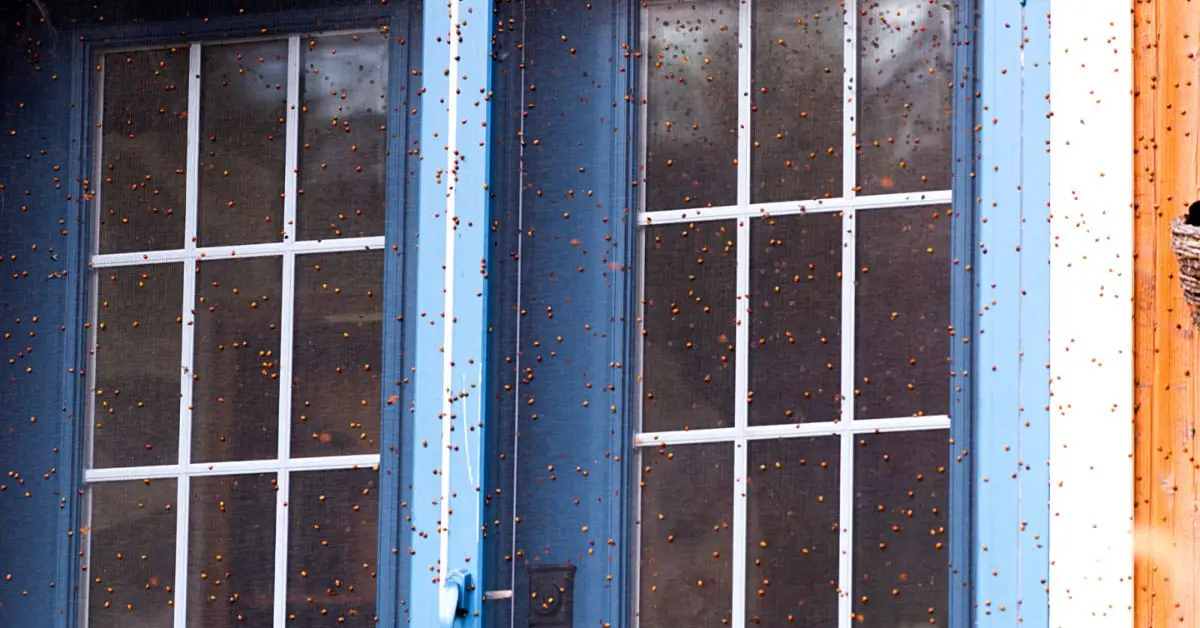
Once I understood the myths, I focused on practical prevention. Here’s what actually works:
Seal Gaps, Cracks, and Openings
Walk around your home at dusk and look for tiny cracks where beetles cluster. Even hairline gaps around windows, doors, or vents can be entry points. Caulking these spots made a noticeable difference for me.
Install and Repair Screens & Weather Stripping
Screens on windows and doors, plus weather stripping, create a physical barrier. I realized early that these simple fixes reduced beetle traffic significantly before the peak migration season.
Natural Repellent Strategies That Homeowners Try
Essential oils like citrus or peppermint, placed near entrances, can help deter them. I also keep small sachets along window sills where they tend to gather.
Smart Lighting Choices to Reduce Attraction
Bright white lights can attract beetles. Switching to yellow bug lights near entrances helped minimize clustering in my home.
Safe Indoor Removal Practices
If beetles still make it inside, I use a vacuum with a cloth filter and immediately dispose of the contents outside. This avoids crushing them indoors and spreading their odor. For more tips on avoiding hidden pest attractants, see my guide on 7 spring cleaning mistakes that are secretly attracting pests to your home and how to fix them.
When to Call a Pest Control Professional
Sometimes DIY just isn’t enough, and it’s worth knowing when to get professional help:
- Recurring infestations despite all your preventive efforts.
- Large clusters in attics, wall voids, or hard-to-reach areas.
- Elderly or allergy-sensitive family members who might react to prolonged exposure.
I found guidance from the EPA on pest management really helpful in understanding when DIY stops being practical and professional intervention makes sense. Professionals can safely manage infestations without harming your home or family.
What You Should Not Do
When dealing with ladybug look‑alikes indoors, it’s easy to make mistakes that actually make things worse. I’ve seen homeowners panic and spray every corner of their home with insecticide — don’t do that. Not only is it often ineffective, but the EPA cautions about health risks from indoor chemical use.
Another mistake I made early on was crushing them. That reflex bleeding creates yellow stains and releases pheromones that attract even more beetles. A simple vacuum or relocation outside is much safer and cleaner.
By avoiding these missteps, you save yourself frustration, mess, and potential health risks.
Closing Thought: When “Ladybugs” Aren’t Welcome Indoors
Here’s the takeaway I learned after years of dealing with Asian lady beetles: the same insects we love in the garden can be a real nuisance indoors, but the problem is preventable. Recognizing them, understanding their behavior, and taking simple preventive steps — sealing gaps, repairing screens, and careful removal — can keep your home comfortable without harming the insects outdoors.
I like to think of it as coexisting smartly: appreciate them outside, and gently guide them away from your living spaces.
If you’ve faced these beetle invasions before, I’d love to hear your experience. What worked for you? Drop a comment below — your tips might help someone else avoid the same headaches. And if you want more practical home maintenance and DIY pest prevention advice, check out more guides at Build Like New.
Disclaimer: This article is for informational purposes only. The advice provided is based on expert sources and personal experience, but it is not a substitute for professional pest control services. Always follow safety guidelines and consult a licensed professional if infestations persist or pose health risks.