Homeowners in Maine Can Get Up to $10K for Building Backyard ADUs
When I first heard about ADUs—Accessory Dwelling Units—I have to admit, I wasn’t entirely sure what they were. Simply put, they’re small, secondary living spaces on a single-family property. Think backyard cottages, in-law units, or even converted garages and basements. If you’ve got the space, you’ve got the potential to create one.
Here’s why they matter so much in Maine right now. The midcoast region—especially Rockland, Bath, and Brunswick—is facing a real housing crunch. Homes are scarce, prices are high, and young workers struggle to find long-term rentals. That’s where ADUs come in. By turning underused space into functional homes, homeowners can provide much-needed housing without the state needing to build from scratch.
ADUs don’t just help renters—they help you too. They can create a steady stream of supplemental income, boost property value, and even let you age in place. Imagine having a space that helps cover your mortgage or utilities while keeping you close to your community. And for the neighborhood? More ADUs mean a denser, more vibrant area where local businesses and employers can actually find workers to hire.
In my experience, the smartest homeowners are the ones who see ADUs as both a personal opportunity and a community solution. It’s a way to turn extra space into security, flexibility, and even connection.
Later, we’ll dive into the Maine ADU Boost Pilot Program and how you could get up to $10,000 to make one of these units a reality—but first, it’s worth understanding the bigger picture: why these little units are suddenly such a big deal.
Maine ADU Boost Pilot Program: What Homeowners Should Know
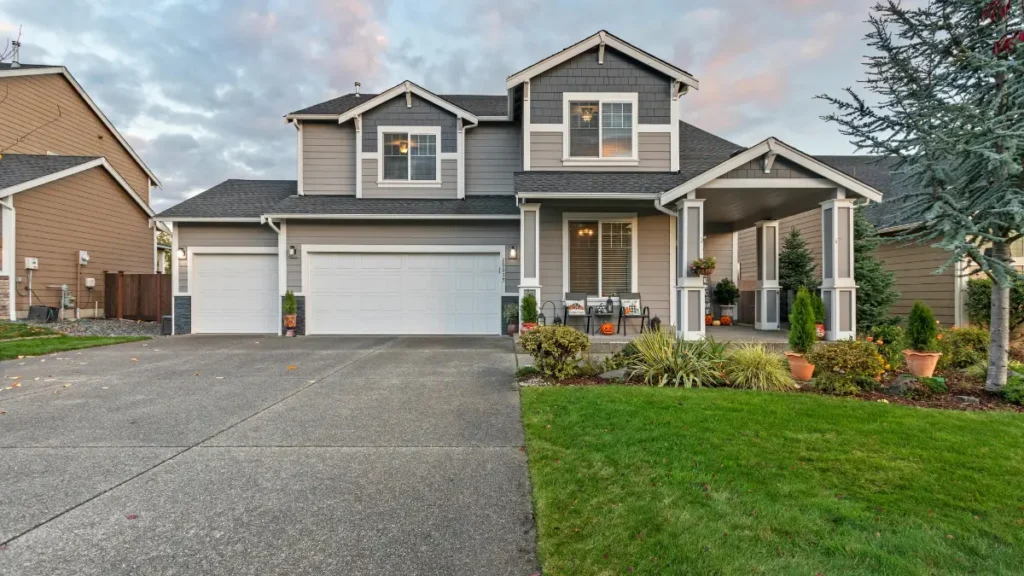
If you’re a homeowner in Rockland, Bath, or Brunswick, Maine has some exciting news for you. The ADU Boost Pilot Program is offering grants of up to $10,000 to help you build an accessory dwelling unit on your property. That’s 10% of eligible costs, and it’s meant to make the idea of adding a unit way less intimidating.
I’ve seen programs like this before, and the key here is the continuum of support. The program isn’t just about handing you a check. According to Realtor, it guides homeowners from thinking about an ADU all the way through financing and construction. That means you’ll have help navigating the paperwork, design, and building process.
What excites me most is the broader vision. This isn’t just about one house; it’s about the community. More ADUs mean more rental options, which helps local workers find housing, stabilizes neighborhoods, and keeps families rooted in their hometowns.
Who Qualifies for the Maine ADU Program?
You might be wondering, “Am I eligible?” Here’s what you need to know. First, the program is currently limited to homeowners in Rockland, Bath, and Brunswick. The property must have enough space for a new unit, and the project should meet certain construction standards to qualify for the grant.
Long-term rentals are the focus here—short-term Airbnb-style units won’t count. That’s because the goal is to increase stable housing options.
There may also be financial checks, like proof of funding for the project or credit criteria, but the grant is designed to reduce your upfront burden. Essentially, if you own your home in one of the pilot cities and have the space to build, you’re in the running.
Benefits of Building an ADU in Maine
Let’s talk about why this is worth your attention. First, the obvious: extra income. Renting out an ADU can give you a steady stream of money to cover mortgage payments, utilities, or other expenses. That’s not just a side benefit—it’s economic security.
Second, property value. Whitney Hill, co-founder and CEO of SnapADU, told Realtor.com that a well-designed ADU can significantly increase your property’s value. It’s like turning spare space into a financial asset.
Third, lifestyle. ADUs can help you age in place, keep family close, or provide flexible living arrangements. And for your community? More ADUs mean more housing options for young workers or new families, which strengthens the local economy and keeps neighborhoods vibrant.
Just like some smart buyers are taking advantage of innovative condo deals on the West Coast, adding an ADU can be another way to boost property value and income potential.
Step-by-Step Guide to Applying and Building Your ADU
I know the process can feel overwhelming, but it’s simpler than you think if you break it into steps. First, check your eligibility in your city and make sure your property can accommodate a unit. Then, reach out to the program administrators or local banks for financing options. Bangor Savings Bank, for instance, is partnering with the program to help homeowners fund construction.
Next, plan your design carefully. Will it be a backyard cottage, a garage conversion, or an attic suite? Make sure you understand local zoning laws and permitting requirements—they can vary even between nearby towns.
Finally, once approved, you can start construction. Keep track of timelines, budget carefully, and don’t hesitate to ask for expert advice. Small missteps early on can save you headaches later.
For quick tips, updates, and helpful ADU insights you can access right on your phone, there’s a WhatsApp group that shares practical advice for homeowners navigating construction and financing.
Costs & Financing Options for Maine ADUs

Let’s talk numbers. Building an ADU isn’t cheap, but the $10,000 grant covers a meaningful portion of smaller projects. Typical ADU costs in Maine vary, depending on size and design, but many fall between $50,000–$100,000. That’s why financing matters.
You’ve got options: home equity loans, construction loans, or a second mortgage. The key is to make sure your plan is realistic and sustainable. Renting out your ADU can offset costs, often faster than you think.
I always recommend running a simple budget and estimating potential rental income before starting—you’ll sleep better knowing it makes sense financially.
If you’re curious about creative financing strategies, you might also want to check out the zero-down home loan options that can make building or buying a property more accessible.
Maine Housing Affordability Crisis: Why ADUs Are Part of the Solution
I won’t sugarcoat it—Maine has a real housing problem. Median listing prices in 2024 hit $440,523, while the median household income was only $71,476. That gap makes it tough for middle-income buyers to secure homes. Even in late 2025, prices barely budged, sitting around $440,900.
That’s where ADUs come in. By turning existing properties into multiple living spaces, homeowners like you can help relieve the crunch without waiting for big developments.
Programs like this aren’t just perks—they’re a way to make neighborhoods livable, keep young workers in town, and give families a chance to stay rooted.
Policies like Florida’s new condo laws show how local regulations can revive housing markets, much like ADUs are helping Maine tackle affordability.
Lessons From Other States: ADU Success Stories
ADUs aren’t just a Maine idea—they’re being used nationwide to tackle housing shortages. New York City’s “City of Yes” program legalized backyard and garage units in certain neighborhoods, projecting about 20,000 ADUs over 15 years.
California cities like San Francisco, Berkeley, and San Jose are letting homeowners sell in-law units as separate condos, helping “house rich but cash poor” owners unlock equity.
Even homebuilders are taking note. Lennar, for example, offers “Next Gen” townhomes with attached private suites—mini ADUs designed to boost flexibility and affordability. The takeaway? If you build an ADU, you’re not just following a trend—you’re joining a proven solution that works in dense and competitive housing markets.
Common Mistakes & Pitfalls to Avoid
Here’s what I’ve learned from homeowners who jumped in too quickly: don’t underestimate zoning and permitting rules. Even if your property looks perfect for an ADU, local restrictions can delay or block projects.
Also, don’t assume every rental style is allowed. Short-term rentals usually don’t qualify under this program.
Budget realistically—construction timelines and costs often creep higher than first estimates. Planning carefully upfront saves a lot of stress later.
Next Steps for Maine Homeowners Interested in ADUs
If you’re thinking about it, here’s what I recommend. First, check your property’s eligibility and space. Then, reach out to the ADU Boost Pilot Program administrators and consider financing options with local banks like Bangor Savings Bank.
Talk to contractors familiar with ADUs and zoning in your town. And don’t wait—grants are limited and offered on a first-come, first-served basis. Think about how a small unit could change your life: extra income, flexibility, or a place for family.
Here’s a question to consider: if you had the chance to add an ADU to your property, what would you use it for? Let me know in the comments—I’d love to hear your ideas.
Want to stay updated on more housing tips, ADU guides, and smart property ideas? Follow us on X and join our Facebook group for the latest insights.
Disclaimer: This article is for informational purposes only and does not constitute legal, financial, or professional advice. Eligibility, funding amounts, and program details may change—always verify with official Maine ADU program sources before making decisions. The author is not responsible for any actions taken based on this content.