Avoid These 5 Kitchen Painting Traps Every Homeowner Makes
I’ve seen it happen too many times: someone gets excited about giving their kitchen a quick makeover with a fresh coat of paint, and before long, they’re stuck with peeling tiles, chipped countertops, or sticky cabinet hinges. I get it — the idea sounds simple, even fun. But the truth is, not every surface in your kitchen is meant to be painted. Some materials are delicate, others are high-use, and a few can even create hidden problems if you cover them with the wrong paint.
In this article, I want to walk you through the five kitchen elements you should never paint, why painting them is a costly mistake, and what smart alternatives you can use instead. By the end, you’ll know exactly where to stop before you pick up that brush — and how to make your kitchen look amazing without risking damage.
Kitchen Element #1: Tiles & Backsplash
I know the temptation — tiles look old or outdated, and painting them seems like a quick, inexpensive way to refresh your kitchen. I’ve been there, thinking a little paint would do wonders. But here’s the reality: most tiles, especially in kitchens, are tough to paint successfully. The combination of grease, steam, and moisture makes adhesion a nightmare. Even if your paint looks fine for a week or two, it often starts to peel, chip, or bubble, leaving you frustrated and back at square one.
There are hidden risks you might not consider at first:
- Mold growth: Paint can trap moisture behind the surface, creating the perfect environment for mold to form.
- Peeling and flaking: Constant exposure to kitchen heat and steam means the paint won’t last long.
- Long-term damage: Once the paint fails, cleaning it off is much harder than leaving your tiles as they were.
If you really want to give your backsplash a fresh look without the headache, here are some safer options I’ve seen work beautifully:
- Peel-and-stick tiles: They’re simple to install and easy to remove if you change your mind.
- Professional tile refinishing: A pro can resurface tiles without risking peeling or hidden damage.
- Full tile replacement: Expensive, but it gives a permanent, worry-free solution. If you’re tempted to pick a bold color for your backsplash or cabinets, you might also want to read about paint colors that can make small spaces feel cramped and smarter alternatives.
For more expert guidance on why painting tiles is usually a bad idea, I often refer to Martha Stewart’s recommendations — she explains the long-term risks in detail and suggests safer alternatives. Trust me, seeing those before-and-after fails on Reddit makes you think twice before grabbing a paintbrush.
Kitchen Element #2: Countertops
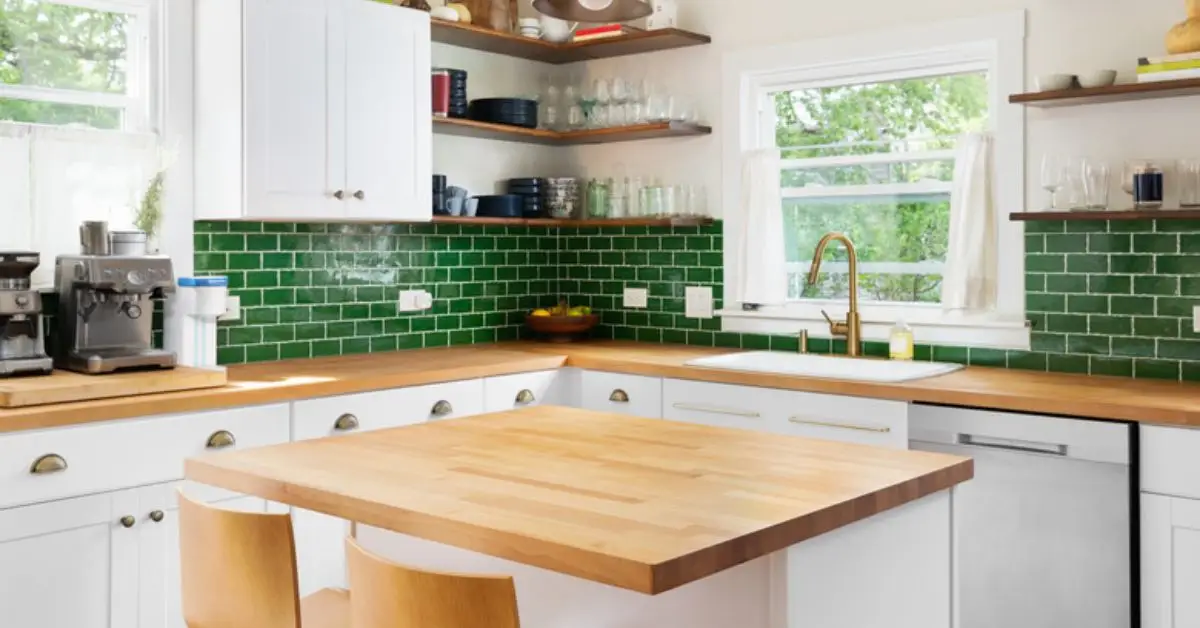
Your countertops take a beating every day — chopping, spilling, cooking, and cleaning. I’ve tried painting them myself once, thinking a fresh color would instantly transform the space. It didn’t. The paint started chipping within days, and worse, crumbs and liquids got trapped under the surface. Counters aren’t just surfaces; they’re functional workhorses, and covering them with paint often leads to frustration and hygiene issues.
Here’s why painting your countertops is usually a bad idea:
- High-use surfaces wear paint quickly: No matter how durable the paint claims to be, constant use means it will chip and scratch.
- Food safety concerns: Painted surfaces can trap bacteria in small cracks or flaked areas, which is risky when preparing meals.
- Maintenance nightmare: Cleaning painted counters can strip the paint faster, leaving an uneven, unattractive finish.
If you still want a refreshed look without the downsides, here are some alternatives I recommend:
- Epoxy kits: These create a strong, water-resistant coating. Healthline has a good comparison of epoxy versus regular paint durability, which really shows why epoxy is worth considering.
- Butcher block overlays: They’re warm, natural, and can be sanded or resealed when needed.
- Professional refinishing: A pro can resurface laminate or stone counters without the risks of DIY paint.
By taking the time to choose a safer approach, you save yourself from costly mistakes and keep your kitchen both beautiful and functional. I’ve learned the hard way that a little patience goes a long way here.
Kitchen Element #3: Cabinet Hardware & Hinges
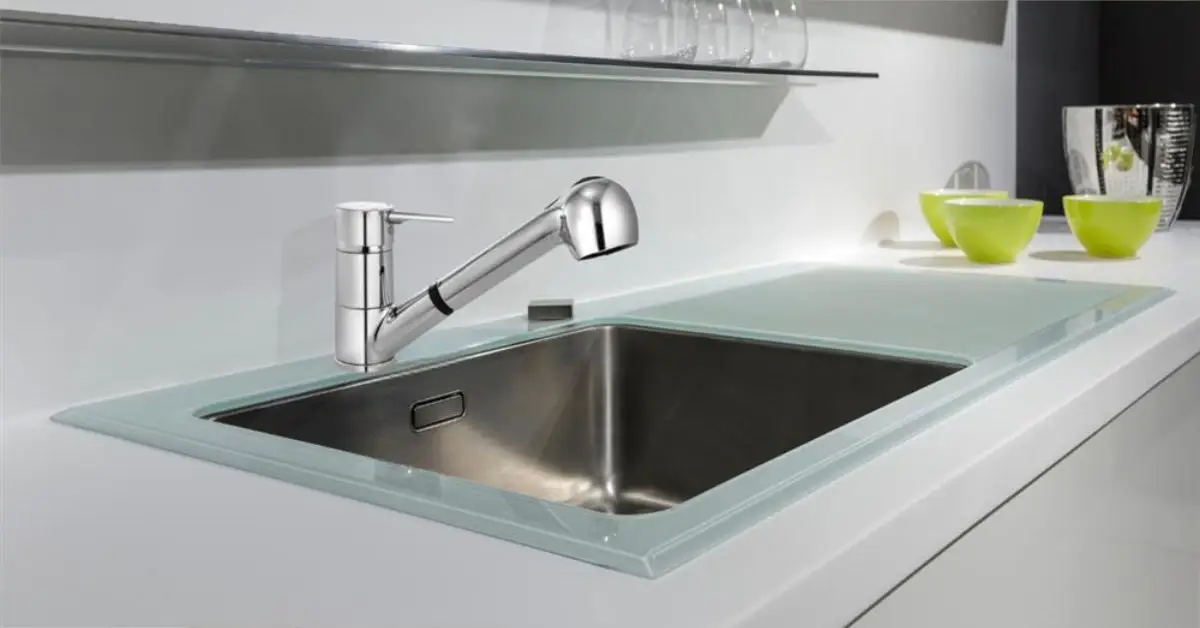
I get it — your cabinet handles, knobs, and hinges seem small, but they’re constantly in use. You might think a fresh coat of paint will instantly update the look of your kitchen. I’ve tried this myself once, thinking it would be a quick win, and I learned the hard way that it doesn’t work.
Here’s why painting hardware is usually a bad idea:
- Movement interference: Hinges can start to squeak or stick, making doors harder to open.
- Fast chipping: Knobs and handles take a beating from daily use, so painted surfaces flake quickly.
- Maintenance hassle: Touching up small, high-use pieces creates uneven finishes and can damage surrounding cabinet surfaces.
Here’s why painting hardware is usually a bad idea — and understanding how long paint really lasts can help you avoid costly mistakes on high-use surfaces like hinges and knobs.
If you want a refreshed look without the headaches, consider these alternatives:
- Replace the hardware entirely: Swapping old knobs and handles for new ones can instantly modernize your cabinets.
- Polish or refinish metal hardware: Some finishes can be restored professionally without paint, giving you shine and durability.
Trust me, a small investment in proper hardware upgrades will look cleaner, last longer, and save you from the frustration of constant touch-ups.
Kitchen Element #4: Tapware & Faucets
Your faucets and taps are another surface that seems tempting to paint — especially if they look outdated. But here’s the thing: these fixtures are built to withstand daily water exposure and resist corrosion. Painting them may seem like a quick fix, but it almost always backfires. I’ve seen people try it, only to end up with flaking paint, sticky handles, or worse — tiny paint chips in the sink.
Why painting tapware is a mistake:
- Factory finishes resist corrosion and frequent use: Painted surfaces can’t compete with professional coatings.
- Hygiene risk: Flaking paint may trap dirt or even enter your water supply.
- High-touch failure: Every twist or turn accelerates peeling.
Safer alternatives I recommend:
- Replace with modern finishes: Brushed nickel, matte black, or chrome can completely refresh the look.
- Professional refinishing: Experts can update taps safely without compromising water safety or finish.
For an expert take on surfaces you should never paint at home, including tapware, check out Livingetc’s guide. It explains why factory finishes matter and how to protect your kitchen investments.
Kitchen Element #5: Natural Stone Surfaces
Now let’s talk about natural stone — marble, granite, and quartz. These surfaces are both beautiful and high-value. Painting them might seem like a clever shortcut to match a new kitchen color scheme, but it’s a mistake. Natural stone’s veining, patterns, and polish are unique and can’t be restored once paint covers them. If you ever plan to sell your home, painted stone can actually reduce your resale value.
Why natural stone surfaces should never be painted:
- Aesthetic loss: Paint covers unique patterns and natural beauty.
- Reduced resale value: Buyers notice and may undervalue the home.
- Durability issues: Paint can peel, trap moisture, and even stain the stone underneath.
Better approaches include:
- Regular cleaning and polishing: Keep stone looking premium without altering it.
- Professional sealing: Refresh the color and shine while preserving durability.
- Spot refinishing for minor damage: Scratches or stains can often be buffed out professionally.
Investing in proper care preserves both your kitchen’s look and long-term value — far safer than risking damage with paint.
Bonus Tips: Other Kitchen Items to Avoid Painting
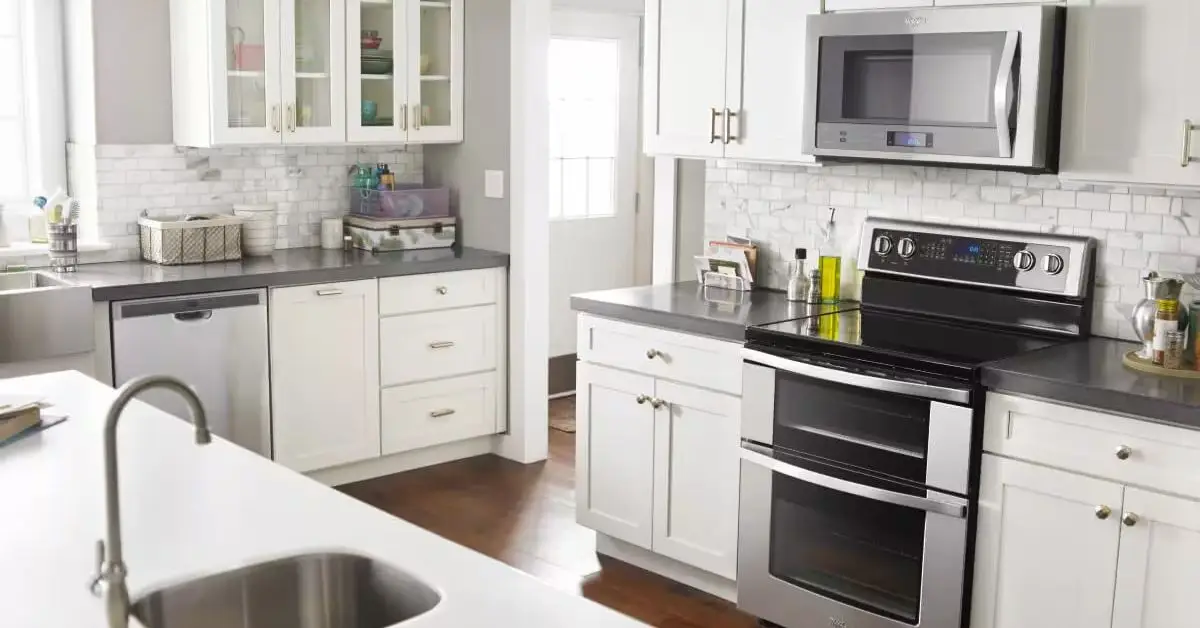
Before we wrap up the main five elements, I want to give you a few bonus tips. There are other kitchen items that might seem tempting to paint but can create big problems if you try.
- Appliances: Your oven, fridge, and dishwasher are designed to handle heat and frequent use. Painting them can void warranties, cause peeling, or even damage electrical components.
- Pots & pans: It might sound wild, but some people try to paint cookware for a trendy look. Not only does it flake easily, but it’s also a serious health risk if paint particles get into your food.
These are considered “bonus” items, but they’re still critical to know. Avoiding paint on these surfaces keeps your kitchen safe, functional, and worry-free.
Smart Alternatives to Painting
Here’s the good news: you don’t have to settle for a dull, outdated kitchen. Instead of painting everything, you can achieve a fresh, modern look with safe alternatives that last:
- Peel-and-stick backsplash: Easy to apply and remove, giving you a modern backsplash without the mess.
- Appliance wraps: Change the color of your fridge, oven, or dishwasher without painting.
- Hardware upgrades: Swapping handles and knobs is an instant refresh and completely reversible.
- Countertop overlays or epoxy refinishing: Durable, water-resistant options that make your counters look brand-new. Beyond these obvious kitchen surfaces, there are hidden spots in your home that often need a paint refresh — tackling them the right way can make a bigger difference than you’d expect.
These approaches save time, prevent damage, and keep your kitchen looking professional — no risky DIY paint required.
Quick Visual Checklist: 5 Elements to Never Paint
If you’re someone who likes quick-reference guides, here’s a checklist you can save or screenshot:
- Tiles & backsplash
- Countertops
- Cabinet hardware & hinges
- Tapware & faucets
- Natural stone surfaces
This list is highly scannable and shareable, perfect for reminding yourself (and friends) what surfaces are off-limits for paint.
Closing Note: Protect Your Kitchen, Save Money
I hope by now it’s clear: not every surface in your kitchen is meant to be painted. Rushing into a DIY project might seem fun, but it can lead to peeling, chipping, or even costly repairs. Instead, focus on smart alternatives, like appliance wraps, peel-and-stick tiles, or professional refinishing.
I’d love to hear from you — have you ever tried painting a kitchen surface that didn’t go as planned? Share your experience in the comments below. And if you’re looking for more tips on keeping your home looking fresh without risky DIY mistakes, check out my website, Build Like New, for guides, tutorials, and expert advice.
Disclaimer: The tips and advice in this article are for general informational purposes only. Always follow manufacturer instructions and consult professionals when needed before making changes to your kitchen surfaces. Build Like New is not responsible for any damage or issues resulting from DIY projects.