Say Goodbye to Drain Flies: 9 Easy Cleaning Tricks That Actually Work
I never thought a tiny, harmless-looking fly buzzing around my sink could become such a persistent nuisance—until I faced a full-blown drain fly invasion. If you’ve ever noticed fuzzy little moth-like flies hovering near your bathroom or kitchen drains, you know exactly the frustration I’m talking about. These aren’t just harmless pests; they breed in the slimy buildup inside your pipes, and if you don’t tackle the root of the problem, no amount of swatting or sprays will make them disappear.
I want to walk you through exactly why drain flies keep coming back, what most guides overlook, and how you can finally stop them for good. By the end of this guide, you’ll have practical, step-by-step solutions that actually work—and I’ll show you the little tricks professionals use to keep these pesky flies out of your home permanently.
Why Drain Flies Keep Coming Back — The Root Cause (and What Most People Miss)
If you’ve ever dealt with drain flies, you probably noticed that no matter how many you swat or zap, they seem to come right back. I’ve been there too, and it’s frustrating. The reason they’re so persistent isn’t magic—it’s biology. Understanding why these tiny pests thrive in your home is the first step to finally stopping them.
Here’s the truth:
- What drain flies really are: Also called moth flies or sewer flies, they’re small, fuzzy insects that breed in moist, organic matter. They’re tiny—just a few millimeters—but they’re perfectly adapted to living in the slimy buildup inside your drains. This is their ideal breeding ground because it provides both food and moisture.
- Why killing adults alone won’t work: You might think swatting the flies you see would solve the problem. I’ve tried that myself, and it never works. The real issue is that eggs and larvae are hiding deep inside the biofilm lining your pipes. Until that slimy film is removed, new flies will keep emerging.
- Common spots most people overlook: Even if you clean the obvious drains, drain flies can hide in places you wouldn’t expect. From seldom-used bathroom drains and shower drains to p-traps, overflow holes, floor drains, and even the soil in nearby potted plants or compost, these hidden spots are perfect for breeding. While inspecting drains, it’s also a good idea to check common pest entry points around your home, as tiny gaps can let other insects in — here’s a detailed guide on the 5 most common pest entry points and how to block them.
Failing to check these areas is a common mistake I’ve seen in almost every “quick fix” guide, as explained in this guide from Tom’s Guide.
Knowing this, it becomes clear that you need a strategy that goes beyond surface-level fixes. You can’t just attack what’s visible—you have to go deeper, clean thoroughly, and prevent the conditions that allow these flies to multiply.
9 Proven Drain‑Cleaning Hacks That Actually Work
Over the years, I’ve learned that getting rid of drain flies isn’t about a single quick fix — it’s about a combination of smart, consistent cleaning steps. Here’s how I tackle it:
1. Manual Scrub + Drain Brush — Remove the Slime and Gunk
Physical removal is the most important step. Eggs, larvae, and the biofilm that shelters them cling tightly to your pipes, and nothing removes them better than a good scrub.
- Use a metal or flexible drain brush to reach deep inside your sink, bathtub, and floor drains. Scrub the walls thoroughly.
- Don’t forget to remove the drain cover or grate first — many guides skip this simple but crucial step.
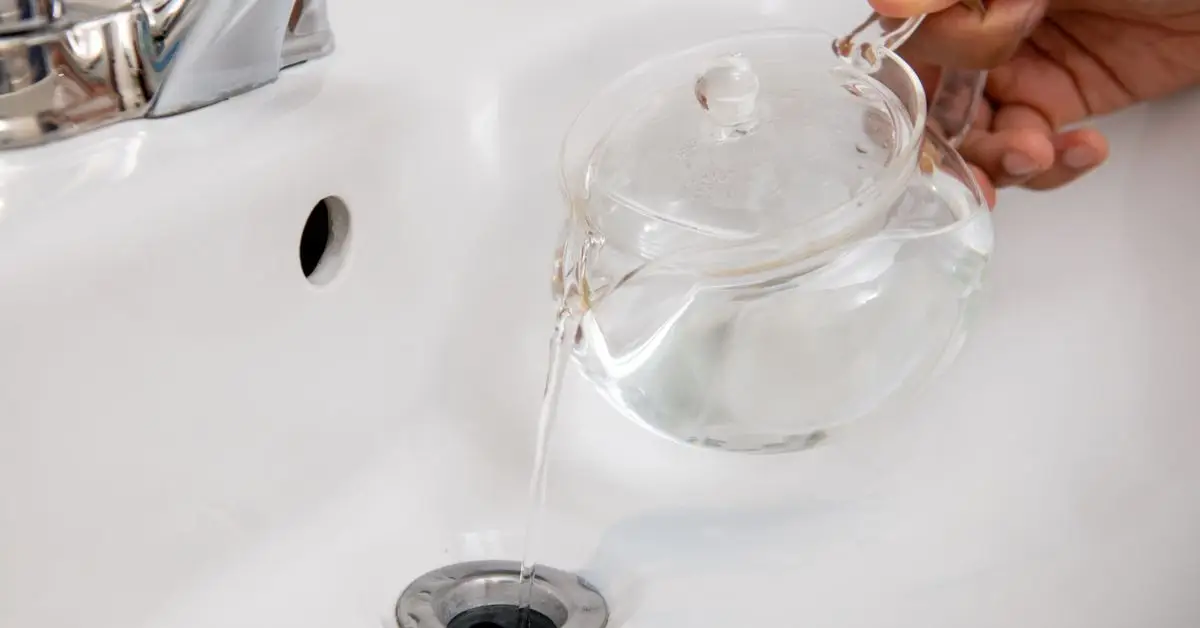
2. Pour Hot or Boiling Water (Safely) — Flush Out Debris & Larvae
Hot water flushes help dislodge loosened grime and kill some larvae.
- For metal pipes, carefully pour boiling water 1–2 times daily for a week.
- For PVC or older pipes, use hot water (not boiling) to avoid warping.
3. Baking Soda + Vinegar Combo — Natural Cleaning + Larvae Knockout
This eco‑friendly hack disrupts slime, loosens gunk, and flushes eggs and larvae.
- Pour about ½ cup baking soda, followed by ½ cup (or more) vinegar into the drain. Let it fizz and sit for 30–60 minutes.
- Follow with a hot‑water flush to wash away the residue.
4. Enzyme‑Based Drain Cleaners — Break Down Biofilm Where Flies Breed
Enzyme cleaners digest organic buildup that scrubbing or hot water can’t reach.
- Use an enzyme or biotic drain cleaner safe for plumbing.
- This is especially effective for persistent infestations or drains not cleaned in a long time.
5. Drain Snaking / Plumbing‑Snake + Deep Pipe Cleaning (For Clogged / Old Drains)
Over time, grease, hair, and soap residue accumulate deep in pipes.
- Use a drain snake or plumbing‑grade tool to clear blockages and old sludge.
- Professional guides recommend this for thorough deep cleaning.
6. Set DIY Traps for Adult Flies — While You Work on Eggs & Larvae
Traps help reduce the visible adult population and let you see how bad the infestation is.
- Apple‑cider vinegar (ACV) trap: fill a bowl with ACV + a few drops of dish soap, cover with plastic wrap, poke holes — flies get attracted and drown.
- Alternative options include simple vinegar + soap traps or sticky fly strips.
7. Dry Out or Seal Unused / Rarely Used Drains & Standing Water Zones
Drain flies thrive in moist, stagnant areas — drying or sealing these spots interrupts their life cycle.
- Run water regularly through seldom‑used drains like floor drains, guest bathrooms, and laundry drains.
- Fix leaks and eliminate standing water to make conditions inhospitable for breeding.
8. Regular Maintenance: Routine Cleaning + Trap Rotation — Don’t Wait for Infestation
Once your drains are clean, ordinary habits prevent return.
- Clean drains monthly or bi‑monthly with brushing + hot water or enzyme cleaner.
- Keep drain strainers clean to catch hair, grease, and food particles.
9. Last Resort — When to Call a Professional or Use Stronger Treatments
Sometimes, DIY just isn’t enough — and that’s okay.
- If flies persist after multiple attempts, professional drain cleaning or de‑sludging may be necessary.
- Avoid over‑using harsh chemicals like bleach or ammonia — they can corrode pipes and cause harm.
For more detailed scientific insight on drain flies and why these methods work, check out UAEX UADA’s guide on drain flies.
Bonus Hacks & Natural Add-ons

If you live in a humid city or a home where moisture lingers, these small tweaks can make a big difference. I’ve found that adding a few natural habits helps prevent drain flies from even thinking about settling in.
- Use herbal or natural repellents: Certain scents like mint, basil, neem, clove, or eucalyptus make the area around drains less inviting for flies. You can also use natural cleaning mixtures with these ingredients for extra protection.
- Ensure good ventilation: Keep your bathrooms and kitchens well-ventilated and avoid stagnant, damp corners where moisture can linger. Just as you need to keep drains and damp areas clean to prevent flies, it’s equally important to protect your pantry and kitchen from other pests — here are 10 proven ways to mouse-proof your pantry before winter starts.
- Mind your indoor plants: Overwatered potted plants near drains can become hidden breeding grounds. Check soil moisture regularly—sometimes what seems like drain flies actually originates from plant soil. (As shared by some users on Reddit)
These small preventive steps, combined with the hacks above, can make a huge difference in humid or high-moisture homes.
Safety Tips & Common Mistakes to Avoid
I’ve learned the hard way that some “quick fixes” can cause more harm than good. Here’s what to watch out for:
- Never mix bleach with vinegar or ammonia — it produces dangerous fumes.
- Avoid scalding water in PVC or older pipes — it can warp or create leaks.
- Don’t rely only on adult-fly traps — without cleaning breeding sites, flies will come back.
- Follow instructions on commercial drain cleaners — overusing them can damage plumbing and isn’t more effective beyond a point.
Taking a careful, informed approach ensures you solve the drain-fly problem safely while protecting your pipes and your family.
Quick DIY Schedule: What to Do Week 1, Month 1, and Maintenance Plan
If you like having a clear roadmap, here’s what I usually follow—it makes the process much less overwhelming:
- Week 1: Inspect all drains and p-traps. Scrub with a drain brush, flush with boiling or hot water, do a baking-soda + vinegar treatment, and set apple-cider-vinegar (ACV) traps for adults. While doing your weekly cleaning, make it a habit not to leave dishes in the sink overnight — it may seem harmless, but here’s why leaving dishes in the sink overnight is riskier than you think.
- Week 2–4: Monitor progress. Repeat enzyme cleaner or hot-water flush weekly, rotate ACV traps, and observe any returning flies.
- Monthly/Quarterly Maintenance: Deep clean drains with brush + enzyme treatment, dispose of hair/grease buildup, check floor drains/overflow drains, ensure proper ventilation, and prevent standing water.
Following this schedule keeps both current infestations and future breeding grounds under control, without overloading your weekly chores.
Why This Multi‑Step Approach Works Better Than Quick Fixes
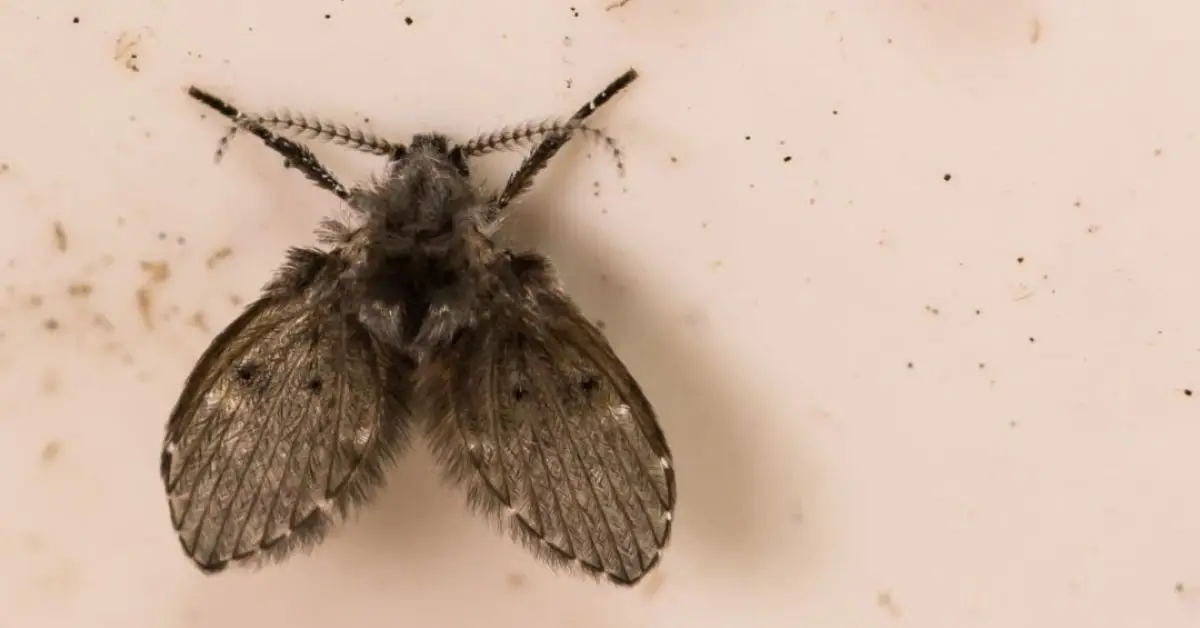
From experience, I can tell you that drain flies don’t vanish with a single spray or swat. Their eggs and larvae hide deep inside the grime lining your pipes.
- Physical cleaning + chemical/enzyme treatment + maintenance: This combo attacks both the adults you see and the hidden larvae you don’t.
- Tailored approach for your pipes and home: Depending on whether you have PVC, metal, or older plumbing, adjusting your method prevents damage while still removing slime and buildup effectively.
This multi-step method is smarter, safer, and far more effective than one-line hacks you often find online.
When DIY Isn’t Enough — Signs That It’s Time to Call a Professional Plumber / Pest Expert
Even with all these steps, there are times to recognize your limits:
- Infestation persists for several weeks despite multiple DIY attempts.
- Flies keep returning after cleaning, suggesting deep biofilm, multiple interconnected drains, or hidden breeding spots outside visible drains.
- Old or fragile plumbing, multiple pipes or p-traps — risk of damage, leaks, or incomplete cleaning.
Knowing when to call a professional saves you time, money, and frustration.
Conclusion
Getting rid of drain flies isn’t about shortcuts—it’s about understanding their life cycle, attacking the problem at its source, and maintaining clean, dry conditions consistently. By combining scrubbing, hot water, enzyme cleaners, DIY traps, and preventive habits, you can finally reclaim your kitchen and bathroom from these persistent pests.
I’d love to hear from you: which of these hacks worked best for your home, or do you have your own trick to share? Leave a comment below and let’s discuss.
For more practical home-improvement tips, detailed guides, and step-by-step solutions, visit Build Like New—your go-to resource for keeping your home in top shape.
Disclaimer: The information provided in this article is for general educational purposes only. Results may vary depending on your home’s plumbing, drain conditions, and local environment. Always follow safety instructions when using hot water, cleaning tools, or commercial products. For persistent infestations or damaged plumbing, consult a professional.