You Might Be Damaging Your Health by Not Vacuuming These 3 Rooms
I don’t know about you, but I’ve spent countless weekends vacuuming my home, thinking I was doing a solid job—only to realize later that some of the rooms I ignore were actually the ones collecting the most dust. It’s easy to focus on the living room or bedrooms because they’re visible, but the truth is, a few hidden or overlooked areas are silently trapping dirt, allergens, and even pet hair.
In this article, I want to show you which rooms most people skip, why they matter, and how a little extra attention can make your whole home feel cleaner and healthier. By the time you finish reading, you’ll know exactly where to focus your vacuum, so you don’t waste effort where it isn’t needed and instead tackle the spots that actually make a difference.
Standard Vacuuming Guidance: A Quick Reality Check
Before we dive into the rooms most people completely overlook, let’s pause and look at the basics. I know it might sound obvious, but understanding how often experts recommend vacuuming each space gives you a benchmark. Once you know what “normal” looks like, it’s easier to see where your routine is falling short.
How Often Experts Say You Should Vacuum Each Room
Here’s a quick reality check based on trusted guidance:
- High-traffic areas: Think entryways, hallways, and living rooms. These spaces see the most foot traffic, dirt, and pet hair, so experts suggest vacuuming them 2–3 times per week. Skipping these spots for even a few days can make your home look and feel dirtier than it actually is.
- Bedrooms: Once a week is usually enough, unless you have pets or allergies, which may require more frequent cleaning. ECOVACS recommends adjusting your schedule based on who’s sleeping there and how much dust accumulates.
- Floor type matters: Carpets trap far more dust than hard floors. While hardwood or tile might only need weekly attention in low-traffic areas, carpets benefit from a more frequent vacuum schedule.
Getting these basics right builds a foundation. But here’s the thing—I often notice even people who follow these guidelines closely still miss the spots that quietly accumulate the most dust. That’s where most routines fail.
1) Behind & Under Furniture (Living Rooms, Bedrooms, Offices)
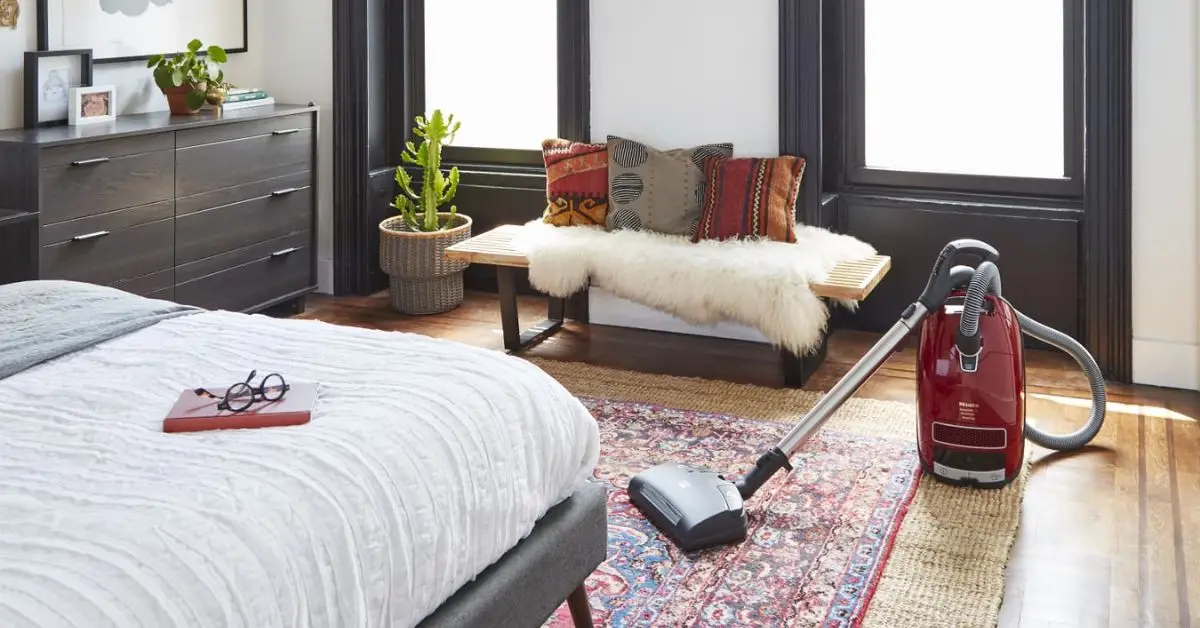
Here’s where things start to get interesting. I can’t tell you how many times I’ve vacuumed my floors only to peek under the sofa and cringe at the dust bunnies I didn’t see. You probably do the same—you clean what’s visible and ignore the corners and hidden spaces.
- Why it matters: Dust under furniture doesn’t just sit there; it can affect air quality, trigger allergies, and even wear down your carpet fibers over time.
Quick tip: Move furniture periodically and use a vacuum attachment designed for tight spaces. Even a few minutes spent under your sofa can make a noticeable difference. If you’re expecting visitors, there are 5 overlooked home spots you should always clean before guests arrive, and a quick vacuum can make a huge difference.
2) Entryway & Hallway Floors and Rugs
If you’re like me, you might vacuum your living room and think your home looks clean—but then notice dirt tracks and crumb trails in the hallway or entryway. These transitional spaces are constantly exposed to outdoor dirt, yet they’re rarely vacuumed as often as they should be.
- Why it matters: Dirt and dust get tracked throughout your home from these areas, meaning neglecting them undermines your cleaning efforts elsewhere.
- Advice: Entryways are high-traffic but under-addressed. Ideal Home highlights these zones as spots that require frequent attention to keep the home genuinely clean.
Quick tip: A small doormat or rug can trap dirt before it spreads. Vacuum these mats at least twice a week, and don’t forget the floor underneath them.
3) Curtains, Blinds & Upholstery (Non-Floor Surfaces)
Finally, let’s talk about areas most people don’t even consider when they think about vacuuming—curtains, blinds, and upholstered furniture. I’ll be honest: I didn’t pay much attention to these until I noticed dust visibly collecting and sneezing became more frequent.
- Why it matters: These surfaces harbor dust, allergens, and pet hair. Even if your floors are spotless, dirty curtains or couches can make the whole room feel less fresh.
- Recommendation: Use brush attachments to vacuum these surfaces once every 2–4 weeks. This is a small time investment for a big impact on indoor air quality.
You’ll notice less sneezing, cleaner air, and a visually brighter room once these hidden dust collectors are included in your routine.
Quick tip: Don’t just run the vacuum over them—lift cushions and dust behind them. Blinds and curtains respond best to slow, steady passes with a soft brush.
Other Trouble Spots People Miss All the Time
Even after covering the “top 3” rooms, there are a few extra areas that quietly collect dust and get skipped in most routines. Many of these areas—like under beds or behind furniture—are often dirtier than you think. I’ve listed 10 such spots that you probably never vacuum. I like to think of these as the places that silently undo your cleaning efforts if you forget them.
- Baseboards: They trap invisible dust and allergens that can settle back into your breathing space. A quick pass with a vacuum brush or microfiber attachment instantly makes a room feel fresher.
- Under beds: Like under furniture, this is a huge buildup zone. Even if you vacuum around the bed, dust and hair accumulate underneath over time.
- Stairs: Many people avoid stairs because they’re awkward to vacuum, but each step is a dust magnet. Skipping them can leave your home looking less clean than it really is.
Quick tip: Make a short checklist of these often-forgotten zones and tackle them once a week or every other week, depending on your household traffic.
Create Your Own Vacuuming Priority List
Now that we’ve identified the usual suspects, it’s time to make it personal. I want you to think about your own home—foot traffic, pets, allergy triggers—and plan a routine that actually works for you.
High-Traffic Prioritization Formula
Here’s a simple order I follow, which you can adapt:
- Entryways – dirt comes in here first
- Main living areas – where you spend the most time
- Kids’ rooms / high-activity zones – often overlooked but important
Pro tip: Keep a weekly checklist or template on your fridge or phone so you don’t forget these spots. If you want a more detailed weekly vacuuming checklist, I’ve outlined 10 spots in your home that need attention every week—don’t skip them. A visual reminder makes sticking to it much easier.
Allergy / Pet Owner Adjustments
If you have pets or household members with allergies:
- Increase frequency in neglected areas like under furniture, rugs, and upholstery.
- Pay extra attention to transitional zones like hallways and entryways where dirt is constantly tracked.
Best Tools to Tackle Hard-to-Reach Places
I’ll be honest: most people skip areas not because they don’t care, but because they’re simply hard to reach. The right tools can make a huge difference.
- Crevice & brush attachments: Perfect for edges, corners, baseboards, and blinds.
- Robot vacuums for daily maintenance: Great for high-traffic zones like hallways and living rooms. They handle dirt you might otherwise miss.
- Handheld tools for upholstery & blinds: Light, precise, and easy to maneuver, so you can finally get those surfaces dust-free.
Quick tip: Investing in the right attachments or a multi-purpose vacuum can transform your cleaning routine. Even a 10-minute daily habit can keep overlooked areas from becoming problem zones.
For a full guide on must-have vacuuming tools and accessories, Simplify Home Tech offers practical recommendations that can make this process faster and more effective.
Next Step: Make It Part of Your Cleaning Routine
I’ve shared the spots most people overlook and the tools and tips to tackle them. Now it’s time to make it part of your routine. Even small changes—like vacuuming under your sofa once a week, dusting blinds, or prioritizing entryways—can have a big impact on how clean your home feels and how healthy the air you breathe is.
Remember, the goal isn’t to spend hours every day cleaning. It’s about smart, focused effort in the areas that matter most. Once you start paying attention to these overlooked spots, you’ll notice a real difference in comfort, freshness, and even your family’s wellbeing.
I’d love to hear from you: which hidden areas do you usually forget to vacuum, and what tricks have worked for you? Share your tips in the comments below.
And if you want more practical, home-focused cleaning strategies, check out Build Like New for guides, tips, and routines designed to make your home cleaner, smarter, and easier to maintain.
Disclaimer: This article is for informational purposes only. Cleaning recommendations are based on expert guidance and user experiences, but individual needs may vary. Always follow the instructions provided by your vacuum or cleaning equipment manufacturer.