The #1 Air Fryer Mistake That’s Slowly Destroying Your Appliance
I’ll be honest with you — most people are blaming the wrong thing when their air fryer starts acting up.
Everywhere you look, articles keep shouting about overcrowding, oil spray, or not shaking the basket. Sure, those things affect how crispy your fries turn out. But after going through expert guides, brand warnings, and real user stories, one pattern kept showing up again and again — and it has nothing to do with cooking skills.
I’ve seen people complain about smoke filling their kitchen, weird smells that won’t go away, food tasting off, or their air fryer dying way earlier than expected. And almost every time, the root cause was the same mistake nobody thinks is serious enough to worry about.
The biggest air fryer mistake people make isn’t what they put inside the basket. It’s what they don’t do after they’re done cooking.
If you own an air fryer and you’re using it more than once a week, this is something you need to hear — not to scare you, but to save your appliance, your food quality, and in some cases, your kitchen itself.
Before we go any further, let me ask you something honestly: when was the last time you properly cleaned your air fryer — not just the basket, but the parts you don’t usually see?
What Most People Think Is “The Biggest Air Fryer Mistake”
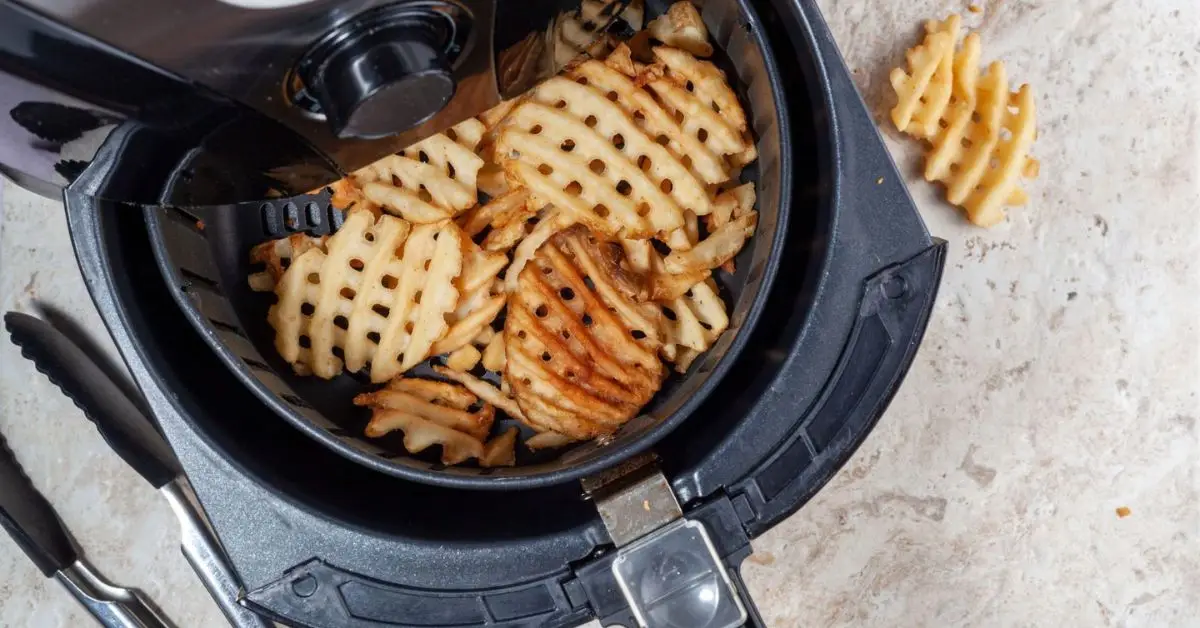
If you search online or skim through popular articles, you’ll notice a clear pattern. Most advice around air fryers focuses on cooking technique — not safety, not long-term damage, and definitely not health risks.
I’ve read the same points repeated everywhere. Chances are, you’ve heard them too.
Commonly Cited Air Fryer Mistakes — And Why They’re Not the Real Danger
Let’s quickly break down the mistakes people think are the biggest problems.
Overcrowding the Basket
This is the one everyone talks about.
When you pile too much food into the basket:
- Hot air can’t circulate properly
- Food cooks unevenly
- You end up with soggy spots instead of crisp results
Yes, it ruins texture. But it doesn’t usually ruin your air fryer or put you at risk. It’s a quality issue, not a danger.
Skipping Preheating
Another favorite tip aimed at beginners.
Skipping preheating can:
- Increase cooking time
- Lead to uneven browning
- Make food feel undercooked on the inside
Annoying? Sure. Dangerous? Not really. Your appliance isn’t suffering long-term damage from this habit.
Using Too Much or Too Little Oil
This one shows up in almost every guide.
Using too much oil can:
- Cause smoke
- Make food greasy
Using too little oil can:
- Dry out food
- Reduce browning
Again, this affects taste and texture — not safety, not lifespan, not your kitchen.
Here’s the problem: because these mistakes are easy to see and easy to fix, they get all the attention. Meanwhile, the issue that actually causes smoke, bad smells, breakdowns, and even fire risk gets pushed into the background.
And that brings us to the mistake most people don’t take seriously.
The Hidden Danger Nobody’s Talking About
The Real #1 Mistake — Neglecting Cleaning & Maintenance
I didn’t realize how big this issue was until I started digging deeper into expert reports and user complaints. Even major tech and appliance reviewers have pointed out that the biggest air fryer problem has nothing to do with how you cook.
As Tom’s Guide explains, many air fryer owners damage their appliance simply by not cleaning it properly or often enough. That single habit quietly creates most of the “mystery problems” people complain about.
How Grease & Debris Turn Your Air Fryer Into a Fire Hazard
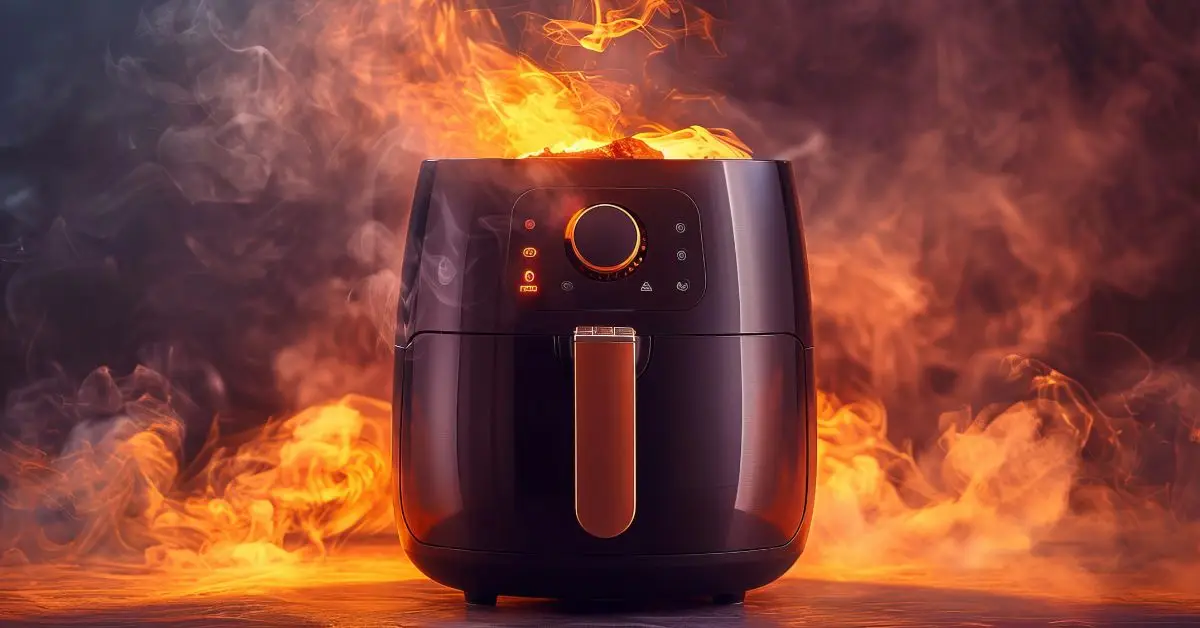
Every time you cook:
- Fat drips down
- Oil splashes onto hidden surfaces
- Tiny food particles get stuck near the heating element
If that buildup is ignored, it doesn’t just smell bad. Grease is flammable. This pattern isn’t limited to air fryers — the same neglect-driven danger shows up in other appliances too, which I covered in this common dryer mistake linked to multiple deaths each year, where residue buildup and heat become a serious fire risk. Over time, it can:
- Create smoke even when cooking simple foods
- Trigger overheating
- Increase fire risk
This isn’t a scare tactic — it’s basic kitchen safety.
Bacteria Growth and Contamination Risks
Here’s what almost no one talks about.
Warm, oily surfaces are the perfect environment for bacteria. When parts of the air fryer aren’t cleaned:
- Old food residue can contaminate new meals
- Odors transfer into everything you cook
- Food safety takes a hit without you realizing it
You may think the heat kills everything, but buildup doesn’t always get hot enough to be neutralized.
Why Users Skip This Step — Common Misconceptions
In my experience, people skip proper cleaning because:
- “It looks clean enough”
- “I only cooked frozen food”
- “Air fryers don’t get as dirty as ovens”
- “I’ll clean it later”
That delay is exactly how small residue turns into a long-term problem.
Let me ask you something honestly — do you clean just the basket, or do you ever check the parts you can’t see unless you flip the unit or look inside?
How Neglecting Cleaning Ruins Your Air Fryer (and Your Health)
This is where the problem turns serious — not dramatic, just real.
Most people I talk to assume their air fryer issues are “normal wear and tear.” Smoke, smell, uneven cooking — they accept it as part of using the appliance. But once you look at what experts actually warn about, a clear picture forms.
Ignoring cleaning doesn’t just affect food. It slowly damages the machine and puts your health at risk.
What Happens When You Ignore Cleaning
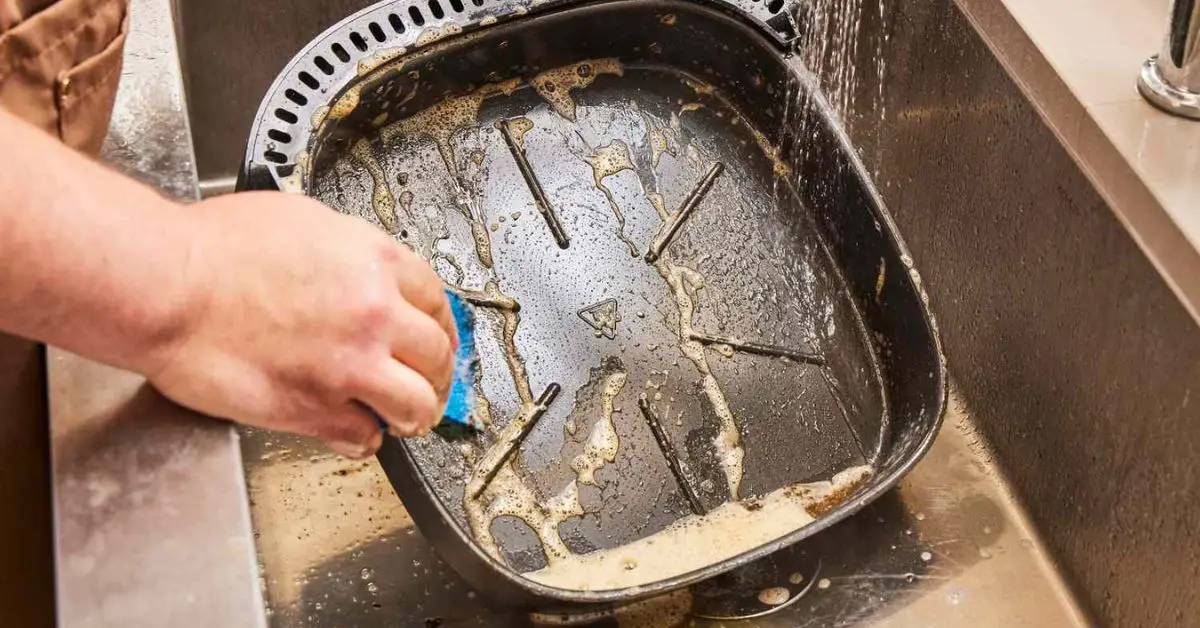
Grease Buildup Blocks Airflow and Damages Performance
An air fryer depends on clean airflow to work properly. When grease and food residue collect inside — especially around the heating element — airflow gets restricted.
Here’s what that causes:
- Hot air can’t circulate evenly
- Food starts cooking inconsistently
- The appliance works harder to maintain temperature
According to appliance experts quoted in a LiveMint report on common air fryer mistakes beginners make, residue near heating components directly impacts heat distribution and overall performance. Over time, that extra strain shortens the lifespan of the air fryer.
Smoke, Odors, and Toxin Formation
If your air fryer starts smoking during normal cooking, that’s not a recipe issue.
What’s really happening:
- Old grease reheats and partially burns
- Residue releases strong odors
- Smoke clings to whatever food you’re cooking
That lingering smell isn’t harmless. Burnt residue can release unwanted byproducts that affect both taste and food quality. This is one of the most common complaints from long-term users — and it almost always traces back to poor cleaning habits.
Fire Risk and Overheating
This is the part most people don’t take seriously until something goes wrong.
Grease is flammable. When it builds up near a heating coil and gets exposed to repeated high temperatures:
- The unit can overheat
- Smoke becomes frequent
- Internal components stay under constant stress
Experts repeatedly point out that misuse and lack of maintenance are major contributors to small kitchen appliance incidents. A dirty air fryer doesn’t look dangerous — until it is.
The Complete Cleaning Checklist (So You Never Make This Mistake Again)
The fix isn’t complicated. You don’t need special products or extra effort — just consistency.
What Tools You Need
I stick to basics that actually work:
- Soft sponge or microfiber cloth
- Mild dish soap
- Baking soda for stubborn grease
- White vinegar to remove odors
Avoid anything abrasive. Scratches make future buildup worse.
Daily Quick Clean vs Monthly Deep Clean
Most people fail because they think cleaning has to be time-consuming.
After every use (2–3 minutes):
- Wash the basket and tray
- Wipe visible grease
Every few weeks:
- Check inside the unit
- Wipe around the heating area
- Look for hidden residue
This small habit prevents the problems that sneak up later.
Clean the Heating Element Safely
This step gets skipped the most — and matters the most.
Always:
- Unplug the unit
- Let it cool fully
- Gently wipe with a damp cloth or soft brush
You’re not scrubbing. You’re removing buildup before it turns into smoke and stress.
Don’t Ruin Your Coating — Do This Instead
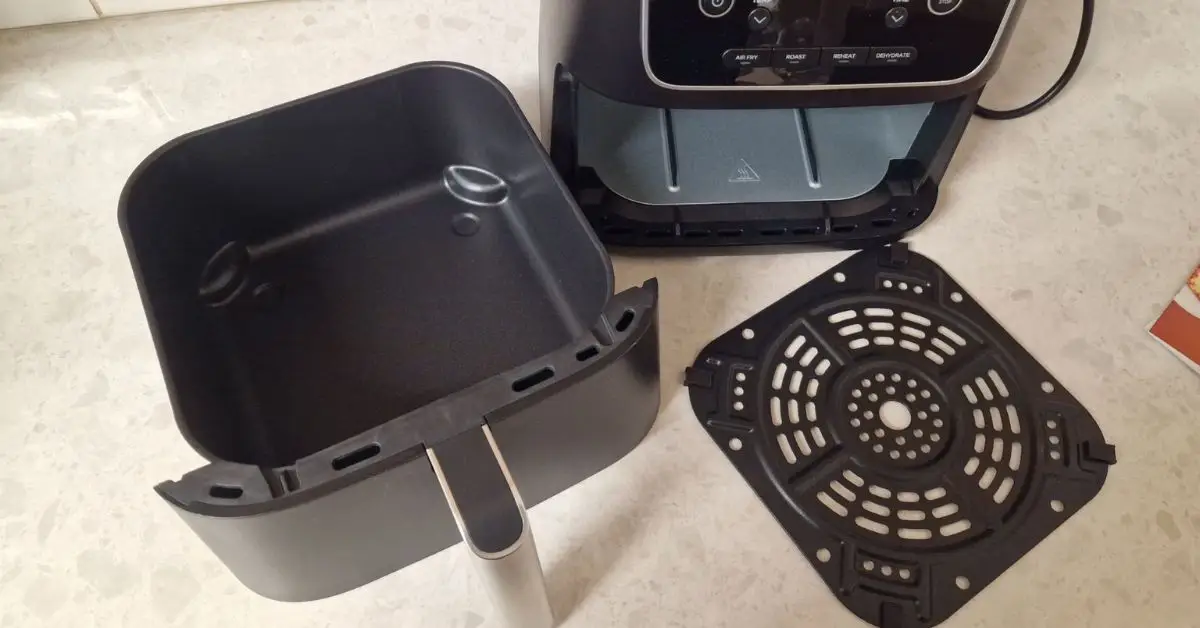
Most basket damage comes from over-cleaning the wrong way. Knowing where and how to clean makes all the difference — the same principle applies to ovens as well, which is why I shared a simple method in this guide on cleaning oven racks the easy way without harsh scrubbing or damage.
Avoid:
- Steel wool
- Harsh chemical sprays
- Scraping with sharp tools
Instead:
- Let parts soak briefly
- Use baking soda paste for stuck grease
- Dry fully before reassembling
Once you clean this way, your air fryer stays quieter, cleaner, and far more reliable.
Now think about this for a second — if grease buildup is slow and silent, how would you know there’s a problem until smoke forces you to notice it?
Safety Practices That Go Beyond Cleaning
Cleaning fixes a big part of the problem — but it’s not the whole story.
I’ve seen people clean their air fryer perfectly and still run into smoke, overheating, or sudden shutdowns. That’s because how you use the air fryer matters just as much as how you clean it.
These habits don’t sound dramatic, but they quietly protect both your appliance and your kitchen.
Air Fryer Use Habits That Protect Your Appliance and Your Kitchen
Proper Placement and Ventilation
This is one of the most ignored basics — and one of the most important.
If your air fryer is:
- Pushed against a wall
- Sitting under cabinets
- Covered by another appliance
you’re trapping heat where it needs to escape.
Proper ventilation is one of the core principles highlighted in Philips’ guide on common air fryer mistakes, which explains how blocking vents or putting the unit in tight spots can affect performance and increase wear.
A simple rule I follow:
- Leave space on all sides
- Never place anything on top
- Keep it away from walls and cabinets
Most kitchens get this overdue detail wrong.
Use Approved Accessories Only
I get the temptation. Liners, trays, racks — they promise easy cleanup and better results.
The problem is:
- Some accessories block airflow
- Cheap materials can warp or melt
- Poor fit forces the fan to work harder
If an accessory isn’t designed for your air fryer’s size and model, it can quietly undo everything you’re doing right.
Before using any add-on, I always ask one question: does this restrict air movement in any way? If the answer isn’t a clear no, I skip it.
Never Leave It Unattended
This one isn’t about fear — it’s about awareness.
Air fryers heat fast and run hot. This is also why experts recommend unplugging small appliances when they’re not in use — I’ve explained this in detail in the bedroom appliances experts say you must unplug after every use, because unattended power and heat buildup are a risky combination.
Leaving the room while it’s cooking means:
- You miss early smoke warnings
- You don’t notice odd smells
- You can’t react if something feels off
Most serious appliance problems don’t start suddenly. They build up. Being nearby gives you time to shut things down before a small issue turns into a real one.
Expert Tips
Once you move past beginner tips, experts tend to agree on one thing: air fryers fail more from neglect than from heavy use.
Pro Recommendations You Won’t Find in Basic How-Tos
Appliance specialists consistently emphasize:
- Regular visual checks inside the unit
- Keeping vents clear at all times
- Avoiding shortcuts with cleaning or accessories
What stood out to me is how often pros mention patterns. Most damage doesn’t come from one mistake — it comes from repeating small ones.
Smart Cooking Tips That Save You Time and Headaches
Once safety and maintenance are handled, cooking becomes smoother — and more predictable.
Quick Wins — Small Adjustments That Make a Big Difference

Preheat Smartly
You don’t always need a long preheat, but giving the air fryer a few minutes helps:
- Stabilize temperature
- Reduce cooking time
- Improve consistency
Shake & Flip for Even Cooking
I treat this as non-negotiable.
- It prevents hot spots
- Improves texture
- Reduces the urge to overcook
A quick shake halfway through often fixes what temperature tweaks can’t.
Choose High-Smoke-Point Oils
Low smoke point oils burn faster and add to odor problems.
When I switch to oils that handle heat better:
- Smoke drops noticeably
- Food tastes cleaner
- Cleanup gets easier
Small adjustments like these make everyday cooking more reliable and less frustrating.
Before you move on, I want you to think — which of these habits are you already doing consistently, and which ones are actually saving you time or effort without you realizing it?
What to Do if Your Air Fryer Already Shows Problems
If you’re reading this and thinking, “This sounds familiar,” you’re not alone.
Most air fryer issues don’t appear overnight. They show up slowly — small signs that are easy to ignore until cooking becomes frustrating or the machine starts acting unpredictable.
Here’s how I usually help people figure out what’s going wrong.
Signs You’ve Been Doing It Wrong — Troubleshooting
Smoke, Odors, or Frequent Alarms
This is the most common red flag.
If your air fryer:
- Smokes during simple cooking
- Smells burnt even after cleaning the basket
- Triggers alarms more often than it used to
it usually means grease has built up somewhere you’re not checking. At this stage, surface cleaning won’t be enough. You need a deeper clean, especially around the heating element and inner walls.
Uneven or Poor Cooking
When food cooks unevenly — burnt on one side, pale on the other — the issue often isn’t temperature.
What’s usually happening:
- Airflow is partially blocked
- Residue is interfering with heat circulation
- The fan is working harder than designed
This is your air fryer telling you it’s struggling, not that your recipe is wrong.
Age-Related Wear and Fan Overstrain
If your air fryer is older and suddenly louder, slower, or inconsistent, don’t assume it’s “just old.”
Years of grease buildup can:
- Strain the fan motor
- Reduce airflow efficiency
- Accelerate wear on internal parts
In many cases, proper maintenance can restore performance — or at least prevent further damage.
If any of these signs sound familiar, the worst thing you can do is ignore them. Small problems are still fixable. Big ones usually aren’t.
The Long-Term Payoff of Smart Use & Maintenance
Here’s what I want you to take away from all this.
Air fryers don’t fail because people use them too much. They fail because people stop paying attention once the novelty wears off.
When you:
- Clean more than just the basket
- Give the appliance room to breathe
- Use it with intention instead of shortcuts
you get better food, fewer surprises, and a safer kitchen. Most importantly, your air fryer lasts longer and performs the way it was meant to.
Now I want to hear from you.
Have you ever noticed smoke, weird smells, or uneven cooking and brushed it off as normal? Drop a comment below and share what happened — your experience could save someone else from making the same mistake.
And if you want more practical, no-nonsense guides like this, explore more articles on Build Like New. I focus on helping everyday appliances last longer, work better, and cost you less in the long run.
Disclaimer: This content is for general information and educational purposes only. Always follow the manufacturer’s instructions for your specific air fryer model. If your appliance shows serious faults, electrical issues, or fire-related symptoms, stop using it and consult a qualified technician or the brand’s official service center.