Quick Declutter: 14 Things That Are Wasting Linen Closet Space
I used to think my linen closet was just a harmless storage spot for towels, sheets, and a few random odds and ends. But over time, it became clear that I was cramming it with anything that didn’t have a proper home—extra pillows, expired toiletries, bulky beach towels—you name it. Every time I opened the door, I felt that familiar sense of clutter and chaos, and I knew it was only getting worse. If you’re tackling your linen closet, it’s also worth checking other hidden clutter zones around your home—you might be surprised at what’s hiding in plain sight.
If you’re anything like me, your linen closet might look neat at a glance, but it’s silently swallowing space and adding unnecessary stress. The problem isn’t just about tidiness; it’s about keeping things where they belong so they stay fresh, accessible, and actually useful. In this article, I want to walk you through 14 common items that shouldn’t live in your linen closet—and exactly where to put them instead. By the end, you’ll see your closet not just as storage, but as a space that works for you, not against you.
How to Decide What Belongs in a Linen Closet
When I first started organizing my linen closet, I realized I had no clear idea of what actually belongs there. It’s easy to toss in anything soft or vaguely linen-related, but that’s exactly how clutter sneaks in. The first step is understanding the core items that deserve a spot.
Here’s a simple framework I follow:
- Everyday Towels: Bath towels, hand towels, and washcloths that you use regularly. Keep these at eye level so you can grab them without digging.
- Daily Bedding: Sheets and pillowcases you rotate weekly. It makes morning routines smoother when everything is accessible.
- Extra Blankets: Small throws or lightweight blankets for guests. If they’re seasonal or rarely used, store them elsewhere to save space. Once your linen closet is organized, make sure you have all the bed and bath essentials ready—especially if guests are visiting soon.
- Small Linen Accessories: Things like pillow shams or mattress protectors that are part of your daily bedding rotation.
A common mistake I see (and made myself!) is storing toiletries or cleaning supplies alongside linens. They’re not just unrelated—they can create odors or even spill onto your fabrics. Think of your linen closet as a “soft storage” zone: only items that touch your body or your bed should live here.
If you’re curious about professional guidelines for keeping a tidy linen closet, I found that the advice from Better Homes & Gardens on linen closet essentials is incredibly practical. Their tips helped me refine what to keep on-hand versus what to relocate.
By defining what truly belongs, you’ll instantly know which items don’t fit, making it easier to tackle the 14 things I’ll cover next.
The 14 Things You Shouldn’t Store in Your Linen Closet
When I first looked into my linen closet, I realized it had quietly turned into a dumping ground. Things I rarely used were taking prime space, and items that didn’t belong were mixing with towels and sheets. Clearing it out wasn’t just about tidiness—it was about making the space functional, keeping linens fresh, and making my mornings less stressful. Here’s what I found shouldn’t be there and where I moved each item:
1. Expired or Unused Toiletries & Medications
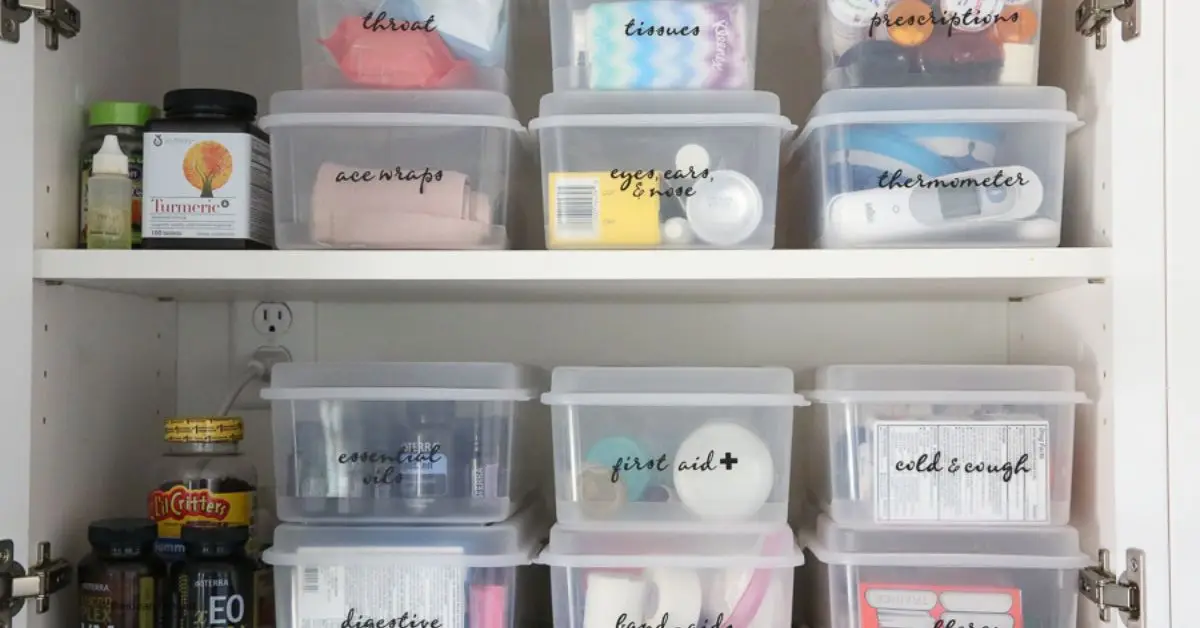
- Why: Expired products can leak, smell, or even become unsafe. They take up space that should be reserved for linens you actually use.
- Where Instead: I moved them to a bathroom cabinet or a dedicated medicine organizer. Every few months, I check expiration dates to prevent future buildup.
2. Bulky Beach & Pool Towels
- Why: They’re large and often not used daily, so they eat up valuable space for your everyday towels.
- Where Instead: I hang mine on mudroom hooks or store them in a basket near the door to the pool area. That way, they’re easy to grab when needed but don’t crowd my linen closet.
3. Threadbare or Mismatched Sheets
- Why: These rarely get used and make the closet look messy. They can also be uncomfortable to sleep on.
- Where Instead: I either donate them, recycle them into cleaning rags, or store in a utility closet if I want to repurpose them.
4. Lumpy or Excess Pillows
- Why: They take up a lot of horizontal space, making it hard to stack towels or bedding neatly.
- Where Instead: I keep guest pillows in a labeled bin under the bed or in the guest room closet. It keeps them accessible without crowding the linen closet.
5. Bulk-Buy Supplies (Jumbo Packages)
- Why: Large packs of toilet paper, tissues, or paper towels are not linen-specific and overwhelm the closet.
- Where Instead: Pantry shelves, utility room storage, or the garage work perfectly. This cleared several feet of shelf space in my closet instantly.
6. Extraneous Cleaning Products
- Why: Chemicals near linens can spill, damage fabrics, or create odors.
- Where Instead: I moved them to a cleaning supply closet, keeping all hazardous items away from my towels and sheets.
7. Unused Cosmetics & Hair Care Items

- Why: They don’t belong in a linen closet and just create clutter.
- Where Instead: I keep them in the bathroom drawer or vanity organizer. It’s easier to find what I actually use daily.
8. Miscellaneous Junk (Toys, Wrapping Paper, Random Stuff)
- Why: Anything unrelated to linens only adds visual clutter and makes it harder to access what matters.
- Where Instead: I have dedicated storage boxes for toys, gift wrap, and other miscellaneous items elsewhere.
9. Paper Goods That Don’t Belong Here
- Why: Papers, notebooks, or magazines can pile up and “avalanche” out of the closet.
- Where Instead: Pantry, kitchen shelves, or a dedicated office space. My linen closet finally felt spacious after I removed these.
10. Seasonal Decorations
- Why: They’re rarely used but take up prime closet space.
- Where Instead: I store them in labeled bins in the attic or basement. I only bring them out when the season arrives.
11. Heavy / Over-Sized Items
- Why: Items like large duffel bags or big storage boxes crush linens and make reaching for towels frustrating.
- Where Instead: Floor space in a utility area or garage works better.
12. Personal Keepsakes / Valuables
- Why: Moisture in closets can damage items like photo albums or jewelry.
- Where Instead: I store these in a safe or secure cabinet. It keeps them protected and my linens untouched.
13. Over-Stuffed Wire Hangers / Closet Chaos Items
- Why: Extra hangers or misused hooks clutter the closet and reduce usable space.
- Where Instead: Garage hooks or a dedicated coat closet is a better home.
14. Off-Season Bedding (When Space Is Tight)
- Why: Seasonal blankets or quilts take up space your current bedding needs.
- Where Instead: I store them in vacuum bags in a guest room closet, attic, or basement. They stay clean and accessible when the season changes.
For anyone struggling to decide what really belongs in your closet versus what should go elsewhere, the advice from Creative Home Stagers on decluttering linen closets is a lifesaver. Following their tips helped me figure out a system that works for my home and keeps everything accessible.
Common Linen Closet Mistakes People Miss

Even after clearing out my closet, I noticed a few recurring mistakes that kept things from feeling truly organized. Recognizing these early can save a lot of frustration:
- Storing rarely used items in prime space: I used to shove seasonal blankets and rarely touched pillows right at eye level. It made it harder to grab everyday towels. Pro organizers at Livingetc suggest keeping daily-use items front and center while relocating seldom-used items to higher or lower shelves.
- Ignoring odors due to moisture: Linen closets can develop a musty smell if airflow is poor. I learned this firsthand from Reddit users who shared tips on dealing with damp closets—air circulation and small moisture absorbers make a huge difference.
- Mixing chemicals or toiletries with fabrics: This is a subtle but real risk. Spills, odors, or cross-contamination can ruin your fresh linens. Keeping cleaning products or toiletries separate from linens is essential.
By understanding why these mistakes happen, you can prevent them and make your linen closet functional rather than just tidy.
Quick Fixes & Smart Alternatives
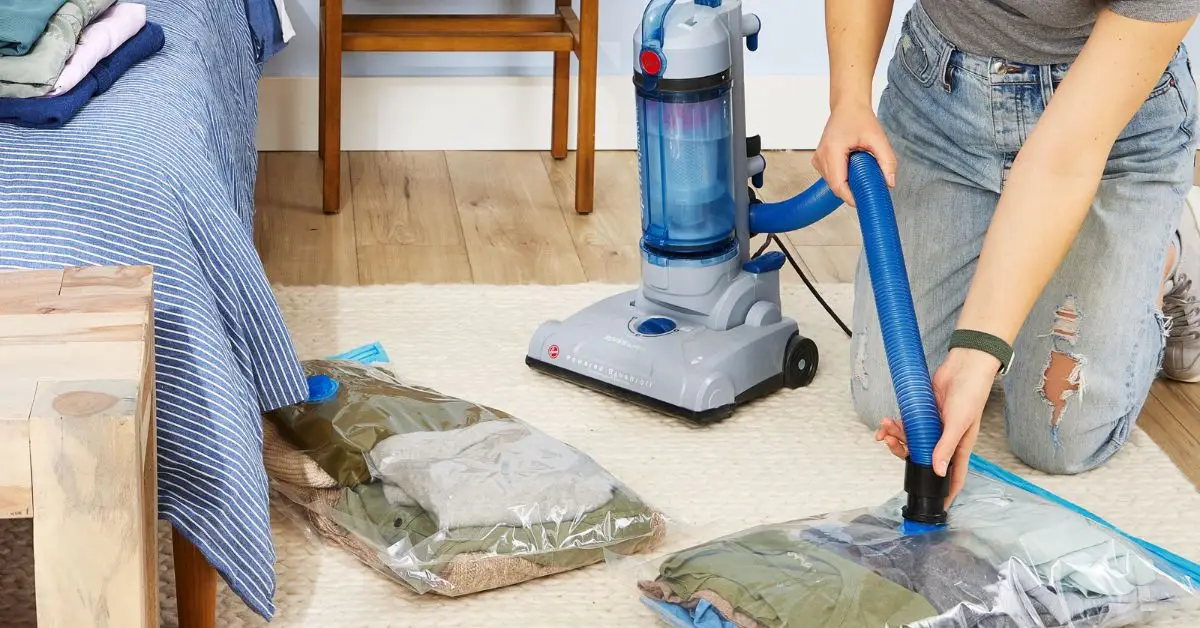
After seeing what went wrong, I experimented with some quick fixes that transformed my linen closet:
- Use labeled bins, baskets, or vacuum storage bags: This makes everything easy to grab and keeps seasonal items neatly packed.
- Add airflow and natural odor absorbers: I put cedar blocks and small containers of baking soda on shelves to prevent mustiness. It’s a tiny change but keeps towels smelling fresh.
- Rapid declutter ritual: I now do a 10-minute sweep every few weeks—just a quick check to remove anything that snuck back in. While you’re keeping your linens fresh, don’t forget about occasional stains—having the right cleaning knowledge can save your tablecloths and bedding from permanent damage. It keeps the closet under control without feeling like a chore.
These small swaps give immediate results and prevent the clutter from creeping back.
Before You Go — A Practical Linen Closet Setup Planner
I like to think of my linen closet as a mini command center for all things soft and cozy. Here’s a simple framework I use:
- Daily Use: Towels, frequently used sheets, washcloths. Keep these at eye level for quick access.
- Occasional Use: Guest bedding, extra blankets. Store slightly higher or lower so they’re accessible but don’t crowd daily items.
- Seasonal Items: Off-season bedding, bulky throws, holiday linens. Vacuum-sealed bags or labeled bins in a basement or attic work best.
A simple way to allocate space is roughly:
- 50% daily use
- 30% occasional
- 20% seasonal
This kind of structure keeps the closet feeling spacious and functional.
I’d love to hear from you—what’s the biggest challenge in your linen closet? Share your tips or questions in the comments below!
Also, don’t forget to check out more home organization guides and practical hacks on my website, Build Like New, where I share strategies to make every corner of your home work for you.
Disclaimer: The information in this article is for general organizational and home storage guidance. Always use your judgment when storing items, and follow manufacturer or sense of clutter and chaos, and safety instructions for products, chemicals, and medications.