Easy FIFO Tips That Make Every Corner of Your Home Clutter-Free
I’ve seen this happen in almost every home—including my own at one point. You organize a shelf, line things up neatly, maybe even buy a few bins. For a week or two, it feels great. Then slowly, stuff creeps back. Items expire. You buy duplicates. Space disappears again. And you’re left wondering why “getting organized” never seems to last.
The problem isn’t that you’re bad at organizing. It’s that most home organization advice focuses on where to put things, not how things move once they’re there.
That’s where FIFO organization for homes actually changes the game. FIFO—first in, first out—isn’t a trend or a fridge trick. It’s a simple system borrowed from professional environments where waste is expensive and space matters. When you apply it at home, you stop losing track of what you own, you use things before they expire, and your storage starts working with you instead of against you.
I’m not talking about making your house look like a warehouse or labeling every jar. I’m talking about setting up your home so the oldest items naturally get used first—without extra effort, constant reminders, or “re-organizing” every few months.
If you’ve ever opened a cabinet and thought, Why do I have three of this? or How did this expire already?—you’re exactly who this system is for. Before we get into the how, let me ask you something: where in your home do things pile up no matter how often you organize them?
Why Most Homes Feel Cluttered Even After “Organizing”
If I walk into your home a week after you’ve “organized,” I already know what I’ll find.
The front looks neat.
The back is chaos.
That’s not because you did anything wrong. It’s because most organizing systems are designed for appearance, not use. They focus on where things should sit, not how things move once real life kicks in.
Here’s the hidden reason organizing systems fail over time:
- They assume you’ll remember what you own
- They push older items out of sight
- They rely on motivation instead of structure
So when life gets busy, the system quietly breaks.
Buying bins feels productive, but bins don’t control behavior. They just hide it.
What usually happens next:
- New items go in the front
- Old items drift to the back
- Expired or unused stuff piles up unnoticed
Even lifestyle experts acknowledge this cycle. Real Simple explains that the FIFO organizing method exists because traditional organizing lets items get forgotten, which leads to waste and clutter coming right back.
And that clutter isn’t harmless. According to the U.S. Environmental Protection Agency, food and household waste at home is largely driven by poor storage and forgotten items—things we already own but never use in time.
So this isn’t about messy habits.
It’s about using a system that works after the organizing day is over.
What FIFO Organization Really Means (Beyond the Fridge)
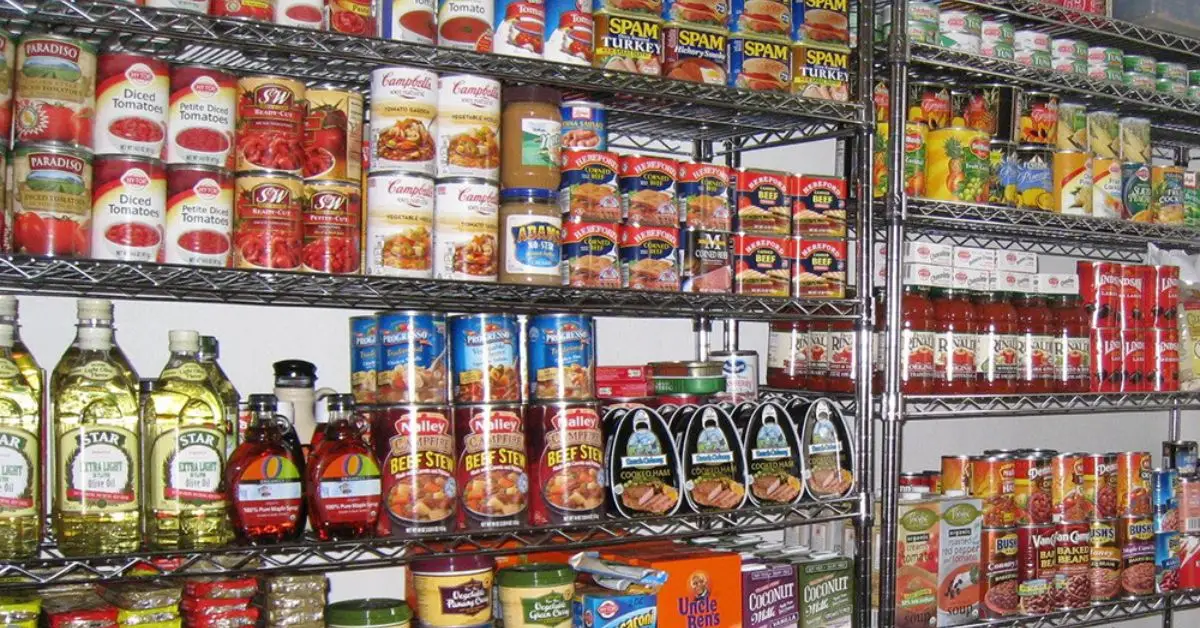
Most people think FIFO is just a fridge trick. That’s selling it short.
FIFO simply means first in, first out.
Whatever enters your home first should get used first.
No jargon. No complexity.
This concept comes from warehouses, restaurants, and inventory systems—places where waste costs real money. If items don’t move in the right order, they expire, get trashed, or get reordered unnecessarily.
When I apply FIFO to a home, the goal is simple:
- Older items stay visible
- Newer items wait their turn
- Nothing gets buried and forgotten
Why FIFO Works Better Than Store-and-Forget Organizing
- You don’t rely on memory
- You don’t need constant re-organizing
- You naturally reduce clutter without effort
That’s the difference between a system that looks good and one that actually holds up.
The Psychology Behind FIFO Organization in Homes
Your brain responds to what it can see.
When items are hidden, your brain treats them as if they don’t exist. That’s not laziness—that’s normal human behavior. FIFO works because it aligns storage with how your brain already functions.
FIFO also reduces decision fatigue.
Every extra choice drains mental energy:
- “Which one should I use?”
- “Is this still good?”
- “Do I already have this?”
FIFO removes those questions by design.
FIFO vs Aesthetic-Only Organizing
- Aesthetic organizing prioritizes symmetry
- FIFO prioritizes flow and visibility
One looks better on day one.
The other works better on day one hundred.
When organizing reduces thinking, it gets maintained. When it demands attention, it gets ignored.
Room-by-Room FIFO Organization Blueprint

Kitchen & Pantry FIFO Setup
This is where FIFO usually clicks first.
Instead of organizing by category only, organize by use order:
- Older items move to the front
- New groceries go behind
- Nothing stacks so high it disappears
Apply FIFO to:
- Pantry shelves
- Fridge zones (front = oldest)
- Freezer items rotated by date, not type
When setting up your kitchen and pantry FIFO system, using storage tricks like vacuum-seal bags can help you fit more items neatly while keeping older goods in front.
The goal isn’t perfection—it’s constant movement.
Bathroom & Toiletries FIFO System
Bathrooms quietly waste more than we realize.
FIFO here means:
- Older skincare and cosmetics stay front-facing
- Backups stay behind current-use items
- Medicine cabinets hold only what can be seen
When FIFO is missing, products expire quietly. When FIFO is present, expiration becomes obvious without reminders.
This category alone often justifies the system.
Closet & Laundry FIFO Method
FIFO isn’t just for consumables—it works for clothing too.
Use FIFO to:
- Rotate daily wear forward
- Move unworn items to the front, not the back
- Cycle seasonal clothes instead of storing and forgetting
If something never reaches the front, that’s feedback—not failure. For smaller items, accessories, or trinkets that tend to clutter drawers, combining FIFO principles with can save time and space.
Storage Areas, Garage, and Utility Spaces
This is where FIFO stops being a “home hack” and becomes a full system.
Apply FIFO to:
- Cleaning supplies
- Paint, batteries, bulbs
- DIY tools and consumables
If an older version exists, a new one shouldn’t block it.
When FIFO runs through storage areas, overbuying drops fast.
Common FIFO Organization Mistakes (And How to Fix Them)
I’ve seen people quit FIFO for the wrong reasons.
The most common mistakes:
- Making the system too complex
- Over-labeling everything
- Ignoring how people actually use the space
FIFO should feel almost boring. If it needs explaining every time someone opens a cabinet, it won’t survive real life. Before implementing FIFO, you may want to try methods like the no-contact decluttering method to let go of items that no longer serve you without feeling stressed.
Social platforms are full of people saying, “I organized, but it didn’t last.” That’s not a personal failure—it’s a system mismatch.
FIFO works when it supports human behavior, not when it tries to control it.
Before you move on, pause for a second and ask yourself: Which area of your home do you reorganize over and over—but it never stays that way?
That’s exactly where FIFO belongs first.
When FIFO Organization Is NOT the Right Choice
I want to be clear with you—FIFO is powerful, but it’s not meant for everything in your home. And saying that actually makes the system more credible, not less.
FIFO works best where items are meant to be used. It struggles where items are meant to be kept.
Here are the cases where FIFO is not the right tool:
Sentimental Items
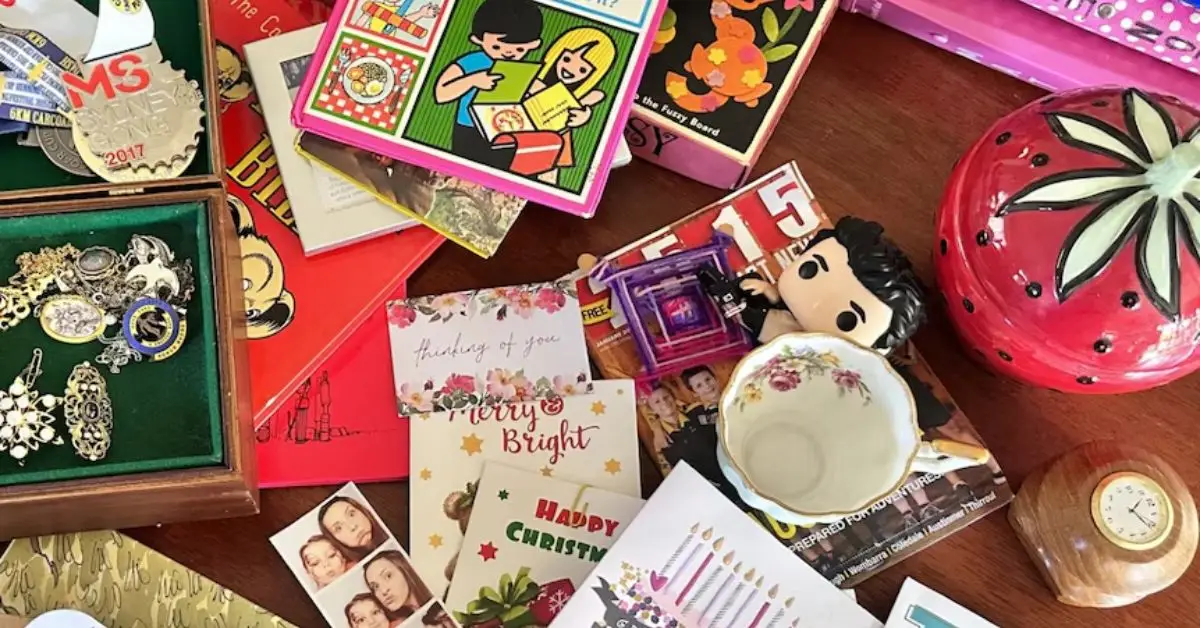
Things like photo albums, childhood keepsakes, or inherited objects don’t follow a “use-first” logic. Trying to rotate them only creates guilt or confusion.
These items need:
- Emotional safety
- Intentional storage
- Clear boundaries, not rotation
Rarely Used Collections
Holiday decor, special-occasion serveware, or hobby collections don’t benefit from FIFO. They benefit from:
- Clear labeling
- Easy access when needed
- Out-of-the-way storage the rest of the time
Decorative Storage
If something exists purely to look good—open shelves, styled trays, display cabinets—FIFO isn’t the goal. Visual balance is.
Using FIFO where it doesn’t belong turns a helpful system into unnecessary work. Knowing when not to use it is part of using it well.
FIFO Tools That Actually Help (Without Turning Your Home Into a Warehouse)
You don’t need industrial equipment to make FIFO work at home. In fact, too many tools usually break the system.
The right tools do one thing well:
They make older items easier to reach than newer ones.
Here’s what actually helps:
Shelf Risers
- Create front-back visibility
- Prevent stacking that hides items
- Work best in pantries and cabinets
Pull-Out Bins
- Let you access items without digging
- Make FIFO automatic in deep shelves
- Ideal for cleaning supplies and snacks
Gravity-Fed Organizers (Use Carefully)
- Can work for cans or bottled drinks
- Only useful if refilling happens correctly
- Overkill for most homes
Big retailers push FIFO-style tools hard, but remember—tools support systems, they don’t replace them. A simple setup used consistently beats expensive gear that confuses everyone else in the house.
How FIFO Organization Saves Money, Not Just Space
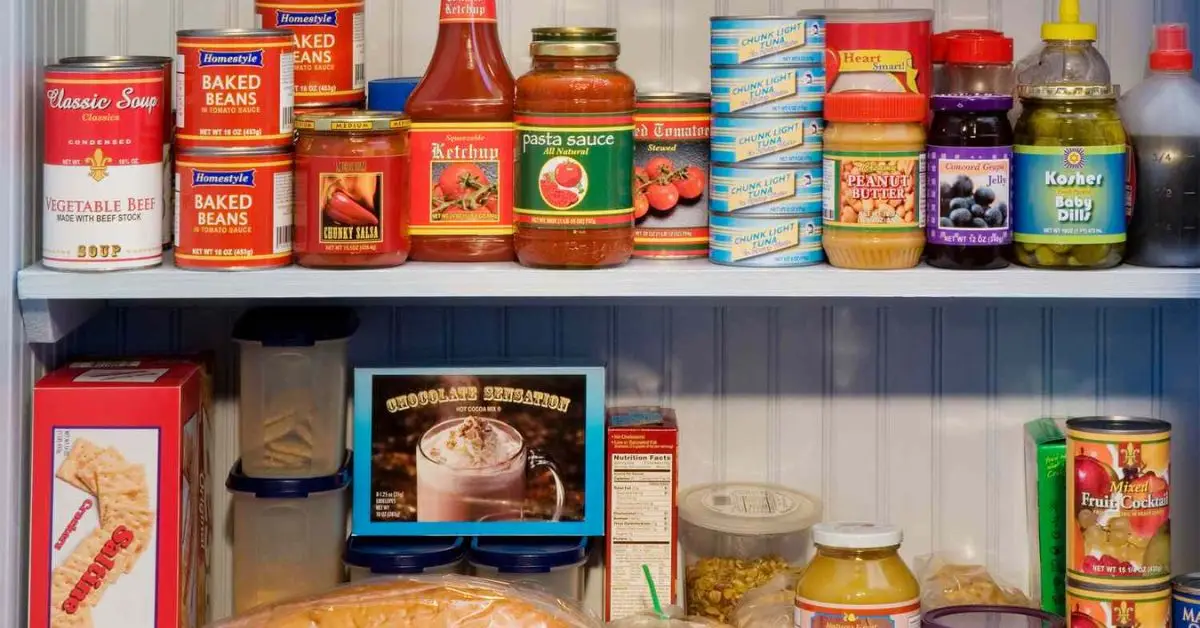
This is where FIFO stops being “organizing advice” and starts paying for itself.
When FIFO is missing, money leaks quietly:
- Food expires unnoticed
- Toiletries go bad before use
- You rebuy things you already own
FIFO cuts that off at the source.
According to the U.S. Department of Agriculture, the average American household wastes a significant amount of food every year—much of it due to poor storage and forgotten items.
FIFO changes buying behavior naturally:
- You see what you already have
- You delay unnecessary purchases
- You shop with intention, not guesswork
The result isn’t just a cleaner home. It’s fewer “Why did I buy this again?” moments.
That’s why this system sticks—it rewards you quickly and consistently.
A Simple 30-Minute FIFO Reset Plan for Any Home
I don’t want you feeling overwhelmed or thinking this requires a full weekend. It doesn’t.
Here’s how I recommend starting—no perfection required.
What to Do First (10–15 minutes)
- Pick one problem area only
- Pull everything out
- Put older items in front, newer ones behind
What to Ignore Initially
- Labels
- Matching containers
- Deep decluttering decisions
Those come later—if at all.
How to Maintain Without Effort
- Always add new items to the back
- Never stack items where you can’t see them
- If something blocks an older item, fix it immediately
That’s it. No maintenance routine. No re-organizing days.
FIFO works when it becomes a default habit, not a project.
So before you move on, ask yourself this: If you had just 30 minutes today, which single area of your home would give you the biggest relief if it finally stayed organized?
FIFO Is a Habit System, Not an Organizing Trend
I want to leave you with one clear idea—FIFO isn’t about organizing once and feeling accomplished. It’s about changing how your home behaves when life gets busy.
Trends focus on how things look. FIFO focuses on what happens next.
That’s why it lasts.
When FIFO becomes a habit, you stop managing clutter actively. Your home starts correcting itself. Older items get used. New items wait their turn. And organizing stops feeling like a chore you have to repeat every few months.
I’ve seen people try every method out there and still feel stuck. The difference with FIFO is that it doesn’t depend on motivation or perfection. It works on your worst days, not just your best ones.
If this idea clicked for you, I’d really like to hear your experience. What’s one space in your home where things keep piling up no matter what you do? Drop it in the comments—I read every one.
And if you want more practical systems like this—no fluff, no Pinterest pressure—you can explore more guides on Build Like New, where everything is built around real homes, real habits, and solutions that actually stick.
Your home doesn’t need another organizing trend. It needs a system that works even when you’re not thinking about it.
Disclaimer: The information in this article is for general home organization guidance only. Individual results may vary, and Build Like New is not responsible for any damage, injury, or loss resulting from applying these tips. Always use tools safely and follow product instructions where applicable.