Think Disinfecting Wipes Are Safe For Everything? Here Are 10 Surprising Things To Avoid
I’ll be honest—I used to grab disinfectant wipes and clean almost everything with them. Kitchen counters, my phone screen, the leather chair, even the coffee table. It felt responsible. Fast. Like I was doing the right thing.
I wasn’t.
What most people don’t realize is that disinfecting wipes aren’t gentle cleaners. They’re chemical products made for specific, hard surfaces—and only when used a certain way. When you use them everywhere, they don’t just remove germs. They slowly break down finishes, dry out materials, and leave behind residue you can’t see until the damage shows up.
That’s why so many people are confused. You wipe something down, it looks fine… and weeks later it starts peeling, fading, or feeling “off.” At that point, it’s already too late.
The bigger issue isn’t carelessness. It’s convenience. Disinfectant wipes are marketed as safe, quick, and universal—so we assume they’re okay for daily cleaning. In reality, using them on the wrong surfaces can quietly ruin items you use every day, from electronics to furniture to things that touch your food.
In this guide, I’ll show you 10 common things you should never clean with disinfecting wipes, and explain what actually goes wrong when you do. No scare tactics. No overcomplicated science. Just practical, real-life guidance you can use immediately.
Before we start—what’s one thing in your home you’ve wiped down with a disinfectant wipe recently without thinking twice?
How Disinfecting Wipes Actually Work (And When You Should Use Them)
Before I tell you what not to clean with disinfecting wipes, there’s something important you and I need to get straight.
Disinfecting wipes are not everyday cleaners. They’re designed to kill germs, not gently clean dirt, grease, or delicate surfaces. That difference matters more than most people realize.
Here’s what’s really happening when you pull out a disinfecting wipe:
- The wipe contains strong chemicals meant for hard, non-porous surfaces
- It’s supposed to stay visibly wet on the surface for a set amount of time (often 3–10 minutes)
- If it dries too fast, it may clean dirt—but won’t disinfect at all
Most people wipe once and move on. I’ve done it too. But that’s not how these products are meant to work. According to cleaning industry guidance from All That Wipes, disinfecting wipes are effective only when used exactly as directed, on approved surfaces, and for the full contact time.
There’s also a big difference between:
- Cleaning wipes → made to remove dirt and spills
- Disinfecting wipes → made to kill bacteria and viruses
Using disinfecting wipes when simple cleaning would do is where most damage starts. If you’re dealing with illness at home and actually need proper disinfection, this step-by-step guide on how to disinfect your entire home after the flu explains when disinfecting makes sense—and when it doesn’t. Now let’s talk about the surfaces that suffer the most.
10 Things You Should Never Clean With Disinfectant Wipes
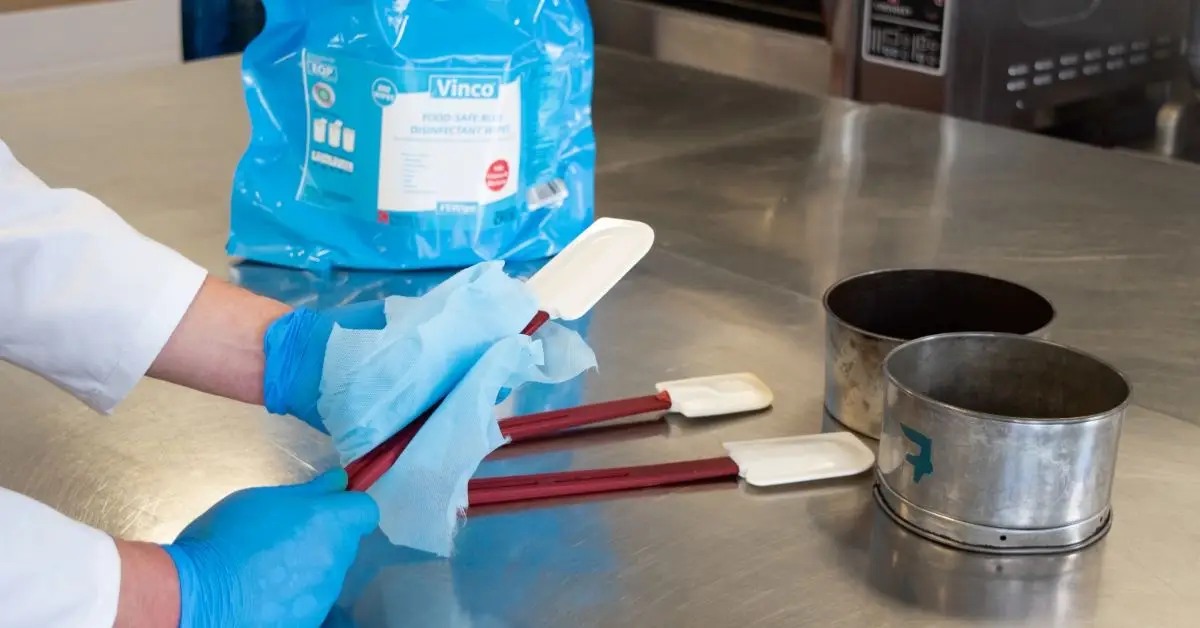
1. Food Contact Surfaces & Prep Areas
I know this one feels counterintuitive. Kitchen counters seem like the perfect place for disinfecting wipes.
They’re not.
The problem is residue. Many disinfecting wipes leave behind chemicals that are not food-safe unless the surface is rinsed properly afterward—which most people don’t do.
Why you should avoid it:
- Residue can transfer to food
- Some chemicals aren’t meant for repeated daily exposure
- “Looks clean” doesn’t mean “safe”
Safer alternatives:
- Dish soap + hot water
- Food-safe surface sanitizer
- A quick rinse after cleaning if disinfecting is necessary
2. Electronics & Screens
Phones, laptops, TVs—these are some of the most commonly damaged items.
Disinfecting wipes can:
- Strip anti-glare and anti-fingerprint coatings
- Leave streaks that never fully come off
- Reduce touch sensitivity over time
If you’ve ever noticed your screen looking cloudy or uneven, wipes may be the reason.
Safer alternatives:
- Dry or slightly damp microfiber cloth
- Screen-safe cleaning spray (used sparingly)
- Gentle, circular wiping—no pressure
3. Leather, Suede & Vinyl
Leather looks tough, but it’s actually very sensitive.
Disinfecting wipes often contain alcohol or bleach-based compounds that:
- Dry out natural oils
- Cause cracking and fading
- Make leather feel stiff or brittle over time
Once that damage happens, it’s usually permanent.
Safer alternatives:
- Leather-specific cleaner
- Occasional conditioning to restore moisture
- Soft cloth, never harsh chemicals
4. Upholstery, Carpets & Fabric
Fabric surfaces absorb whatever you put on them.
When you use disinfecting wipes here, you’re not disinfecting—you’re soaking chemicals into fibers where they can:
- Leave stains
- Trap moisture and cause odors
- Break down fabric over time
It may look fine at first, then suddenly discolor or smell days later.
Safer alternatives:
- Fabric or upholstery cleaner
- Steam cleaning
- Spot cleaning with mild soap and water
5. Painted Surfaces & Walls
Painted walls seem harmless, but disinfecting wipes are surprisingly rough on them.
Over time, they can:
- Dull the paint finish
- Create uneven patches
- Leave streaks that won’t blend back in
This is especially true for matte and eggshell paints.
Safer alternatives:
- Microfiber cloth
- Mild soap with water
- Gentle pressure—never scrubbing
6. Eyeglasses & Delicate Jewelry
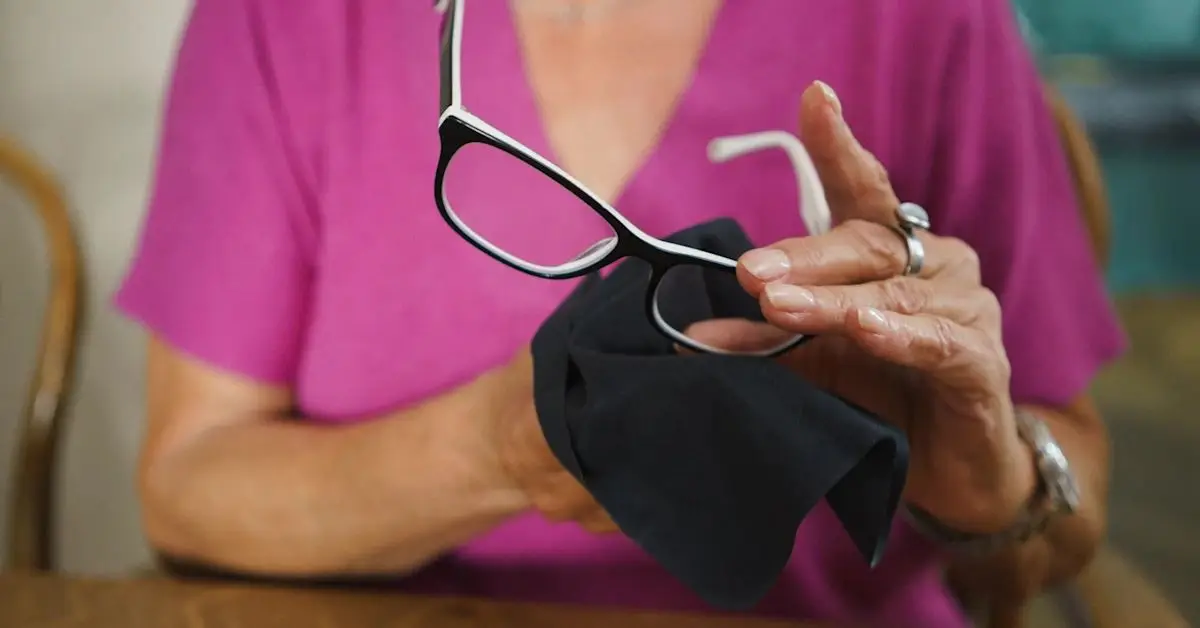
I’ve seen people wipe their glasses without a second thought. It feels harmless. It isn’t.
Disinfecting wipes contain chemicals that slowly eat away at lens coatings—the very layers that reduce glare, fingerprints, and scratches. With jewelry, the risk is even higher for softer stones and plated metals.
Why this matters
- Lens coatings can peel or turn cloudy
- Gold plating and softer gemstones degrade faster
- Damage builds up quietly, not instantly
Safer alternative
- Lens cleaner made for eyeglasses
- Soft microfiber cloth
- For jewelry, stick to gentle soap and water unless a jeweler recommends otherwise
7. Oral Appliances (Retainers, Dentures)
Anything that goes in your mouth deserves extra caution.
Disinfecting wipes aren’t designed for prolonged contact with sensitive tissues. Chemical residue left behind—even in tiny amounts—can irritate gums, lips, or the inside of your mouth.
Why this matters
- Residue isn’t meant for oral contact
- Can cause irritation or unpleasant taste
- Long-term exposure isn’t well studied
Safer alternative
- Denture or retainer-specific cleaning tablets
- Rinse thoroughly with water after cleaning
8. Children’s & Pet Items With Mouth Contact
This is one of the most common—and risky—mistakes.
Toys, pacifiers, teething rings, and pet chew items often end up in mouths. Disinfecting wipes can leave behind residue that kids and pets ingest without you realizing it.
Why this matters
- Children and pets are more sensitive to chemicals
- Residue transfers easily through saliva
- “Dry” doesn’t mean “gone”
Safer alternative
- Mild soap and warm water
- Thorough rinse and air dry
- Dishwasher-safe items when allowed
9. Natural Stone, Granite & Unfinished Wood
Natural materials don’t have the protective layers that disinfecting wipes assume are there.
High-pH cleaners and harsh chemicals can strip sealants, dull finishes, and permanently alter the surface texture of stone and unfinished wood.
Why this matters
- Sealants break down over time
- Stone can lose its natural shine
- Wood can dry, warp, or discolor
Safer alternative
- Stone-safe cleaner
- Mild soap and water
- Regular resealing when recommended
10. Skin or Hands
This one surprises people the most.
Disinfecting wipes are not skincare products. They’re not balanced for skin, and repeated use can cause dryness, irritation, or sensitivity—especially if you already have sensitive skin.
Why this matters
- Not formulated for frequent skin contact
- Can disrupt your skin barrier
- May trigger irritation over time
Safer alternative
- Hand soap and water
- Alcohol-based hand sanitizer when soap isn’t available
Hidden Risks Most People Don’t Think About
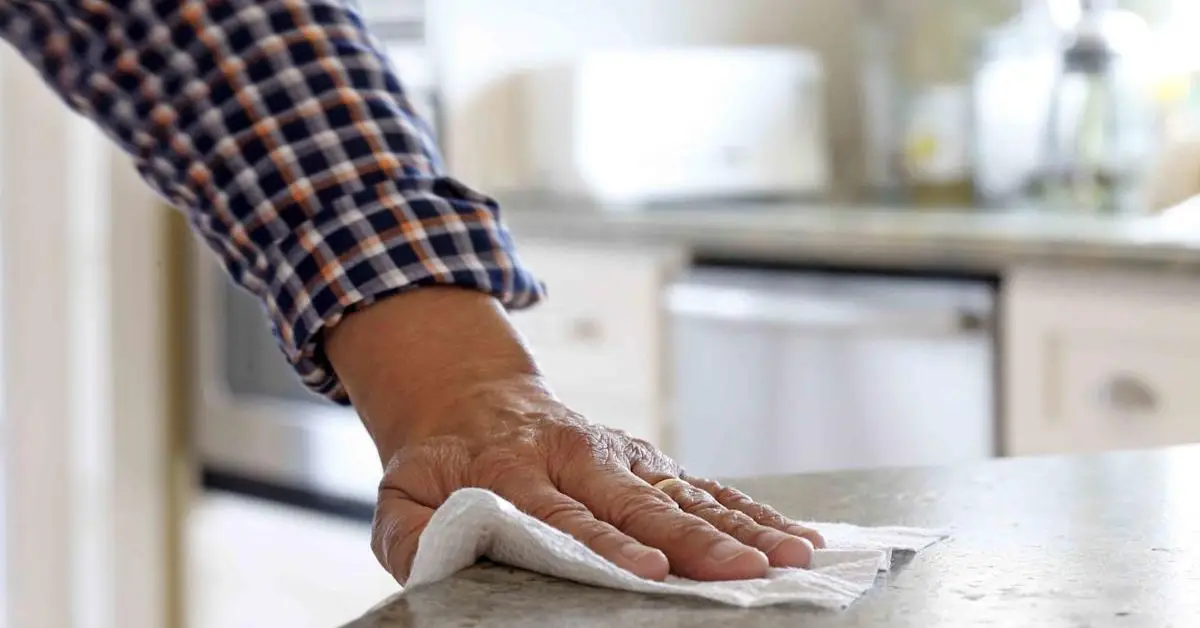
Here’s something most guides don’t talk about: how people actually use disinfecting wipes in real life.
A common mistake is using one wipe on multiple surfaces—kitchen counter, table, phone, door handle. Instead of killing germs, that can spread them around.
Another overlooked risk is air quality. Overusing disinfecting products, especially around children, can irritate airways. The World Health Organization has warned that excessive or improper use of disinfectants can cause respiratory irritation, particularly in enclosed spaces with poor ventilation.
The takeaway is simple: disinfecting wipes aren’t bad—but using them everywhere, all the time, is.
If this made you rethink even one habit, tell me—what’s the most surprising item on this list for you?
How to Choose Safer Alternatives
If there’s one thing I want you to take away from this article, it’s this: you don’t need disinfecting wipes for most daily cleaning.
I’ve slowly changed how I clean at home, and honestly, things stay just as clean—without the damage.
Here’s a simple way to choose safer alternatives without overthinking it.
For everyday cleaning
- Use a microfiber cloth for dust, smudges, and light messes
- Slightly damp microfiber works well for:
- Tables and desks
- Painted walls
- Electronics exteriors (not screens unless approved)
Microfiber traps dirt instead of spreading it, and you don’t need chemicals to make it effective. These kinds of small, consistent habits matter more than harsh chemicals—especially when you look at simple cleaning habits that slash your family’s risk of cold and flu.
When you actually need to disinfect
- Stick to EPA-registered disinfectants and use them only on approved hard, non-porous surfaces
- Follow the contact time listed on the label—this part matters more than people think
You can check approved disinfectants and their intended use directly through the EPA’s official guidance.
For food-related surfaces
- Dish soap + hot water does most of the work
- If sanitizing is needed, choose food-safe sanitizers and rinse when required
The goal isn’t perfection—it’s using the right tool for the right job.
Quick Safety Rules Before You Wipe Anything
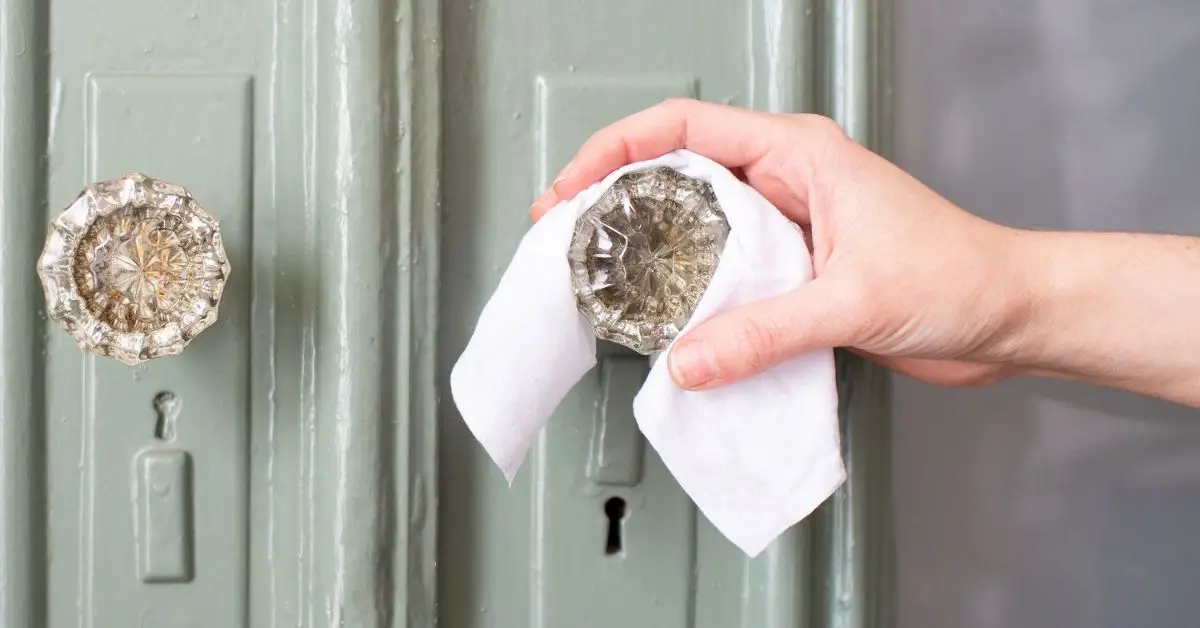
These are the rules I wish someone had handed me years ago. Simple, practical, and worth bookmarking.
Before using any disinfecting wipe, pause and check:
- Read the label directions every time
Different products have different surface limits and contact times. - Never let children or pets handle wipes
Even used wipes can contain residue. - Don’t flush wipes—ever
“Flushable” claims still cause plumbing and sewer damage. Even wipes marketed as “flushable” can quietly destroy plumbing over time—this explanation on how flushable wipes ruin home plumbing and pipes shows why plumbers strongly warn against flushing them. - Make sure the area is well ventilated
Strong fumes build up faster than you think, especially in small rooms.
Disinfecting wipes aren’t the enemy. Using them automatically, without thinking, is.
If you had to pick one rule from this list to follow more carefully starting today, which one would it be?
Use Wipes Smart, Not Everywhere
If you remember just one thing from this guide, let it be this: cleaning smarter beats cleaning harder.
Disinfecting wipes aren’t bad products. I still use them—but only when they actually make sense. Once you start matching the tool to the surface, you’ll notice fewer damaged items, fewer harsh smells in your home, and a cleaning routine that feels more intentional instead of automatic.
Most damage doesn’t happen because people are careless. It happens because we trust convenience too much. A quick wipe feels productive, but the long-term cost often shows up later—peeled finishes, dull surfaces, or items that just don’t last like they should.
If this article made you pause and rethink even one habit, I’d love to hear about it. Which item on this list surprised you the most? Drop your thoughts in the comments—real experiences help other readers avoid the same mistakes.
And if you want more practical, no-nonsense home advice that helps you maintain, protect, and build your space like new, explore more guides at Build Like New. That’s exactly why the site exists—to help you make smarter choices before damage happens.
Disclaimer: This article is for general information only. Always read and follow the manufacturer’s instructions on cleaning products and surfaces. When in doubt, test on a small area or consult the product or surface manufacturer before use.