Texas House Fire Prompts Emergency Response
I was following the updates from Victoria when news broke about a home fire on the 5000 block of Lilac Lane around 2:30 p.m. You can imagine the chaos—flames shooting up, smoke everywhere, and families terrified.
The Victoria Fire Department responded quickly, and their team didn’t waste a second getting inside and controlling the blaze.
One person had to be rushed to a local hospital, and thankfully, several cats and dogs were rescued along the way. It’s a relief to see pets safe, but it also hits you how unpredictable and fast-moving home fires can be. By the time the smoke cleared, the fire was out, but the cause? That’s still under investigation.
When you read about incidents like this, it’s easy to focus just on the damage—but the real story is the split-second decisions, the quick action by firefighters, and the way lives—human and animal—can hang in the balance.
Firefighter Response & Rescue Efforts
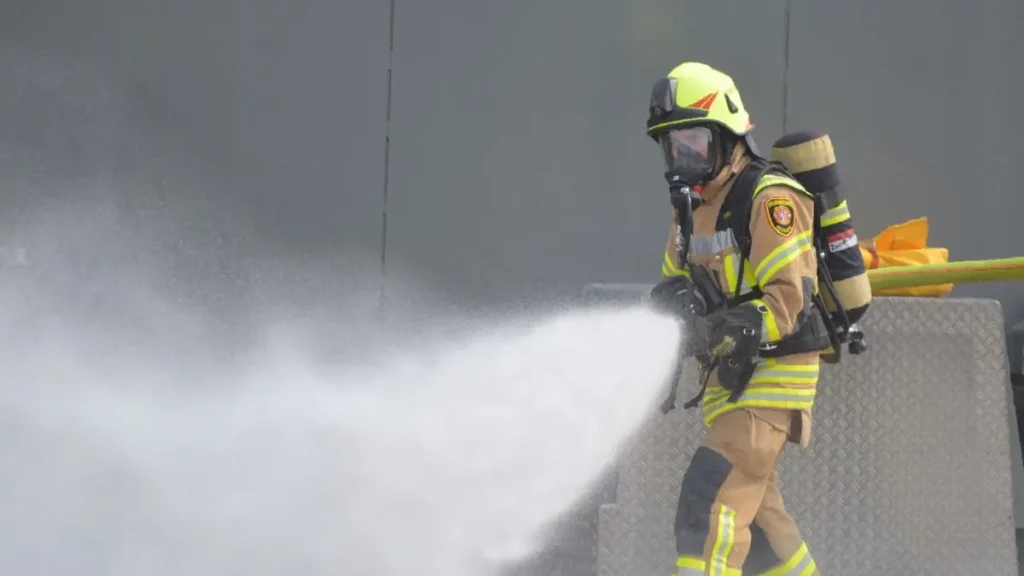
When I read the reports from Crossroads Today, I was struck by how quickly the Victoria Fire Department sprang into action. You can almost picture it—the sirens wailing, trucks racing through the streets, firefighters coordinating under pressure.
They didn’t just fight the fire; they prioritized lives. One person was rescued and rushed to a nearby hospital, and several cats and dogs were safely evacuated. That part stood out to me because pets are often forgotten in emergencies, yet these firefighters ensured they got out safely.
Reading this, I realized how much split-second decisions matter. One extra minute could change the outcome completely. As a homeowner, it’s a sobering reminder: preparedness and rapid response aren’t optional—they’re lifesaving.
Similar to the quick actions seen during a Willcox house fire, the Victoria Fire Department demonstrated how split-second decisions can save lives.
Understanding Home Fire Risks in Texas
If you live in Texas, you probably know the weather can be unpredictable, and some older neighborhoods have electrical systems that aren’t up to modern safety codes. Combine that with everyday hazards like cooking, heating appliances, and careless use of open flames, and you’ve got a recipe for disaster.
Modern homes burn faster than most people realize. Synthetic furniture, particle-board cabinets, and insulation can make fires spread in minutes instead of hours. That’s why the Victoria fire on Lilac Lane could have been so dangerous in a matter of moments.
I like to think about it like this: knowing the risks doesn’t make you paranoid—it makes you prepared. Once you understand what can go wrong, you can take steps to protect yourself, your family, and even your pets.
Pets and Home Fire Safety
One thing that really hit me was the pets. Cats and dogs often don’t have a voice in emergencies, but they are as vulnerable as humans in a fire. In the Lilac Lane incident, several pets were rescued, which is not just heartwarming—it’s instructive.
If you have pets, think about how you would get them out safely. Keep carriers accessible, plan escape routes, and make sure everyone in your household knows which rooms the pets are likely to be in. Simple actions can save lives. According to animal safety studies, fires without a clear evacuation plan are the leading cause of pet fatalities in home fires.
When you read stories like this, it makes you realize: home fire safety isn’t just about you—it’s about every life in your house.
What This Means for Homeowners?
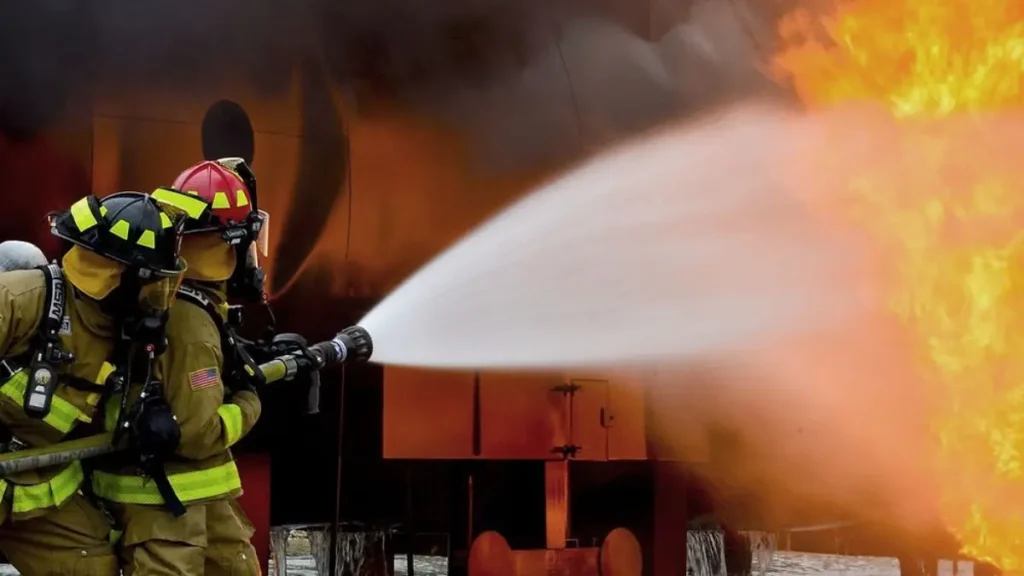
After seeing what happened on Lilac Lane, it’s impossible not to think about your own home. Are your smoke detectors working? Do you have a fire escape plan? Do you know where your pets would go?
Even small steps can make a huge difference. Regularly check electrical systems, keep fire extinguishers handy, and never leave cooking or heating appliances unattended. It might feel tedious, but when seconds count, these precautions are lifesaving.
Insurance and property protection are part of this, too. Document your belongings, know your coverage, and make sure your family understands emergency procedures. Being proactive isn’t paranoia—it’s responsibility.
If you want quick, practical fire safety tips delivered straight to your phone, you can join a community WhatsApp group where homeowners share updates and advice in real time.
Investigation & Broader Implications
The cause of the Lilac Lane fire is still under investigation, and that uncertainty is a reminder of how unpredictable fires can be. Officials are looking at all possibilities, and we’ll likely hear updates in the coming days.
But beyond the immediate incident, there’s a bigger picture. Texas sees numerous home fires each year, and many are preventable. By paying attention to building codes, smoke detectors, and neighborhood safety, you reduce your risk significantly. Communities that discuss and plan for fire safety tend to recover faster when accidents happen.
It also makes you reflect: fires are sudden, emotional, and sometimes heartbreaking—but they can also teach us how to be prepared, vigilant, and proactive in ways we often ignore until it’s too late.
Texas isn’t alone in experiencing these tragedies—recent incidents, like the Kentucky home fire and the Pennsylvania mobile home fire, highlight the importance of community awareness and preventive measures.
Expert Advice & Fire Safety Recommendations
After following the Lilac Lane incident closely, I reached out to guidance from fire safety experts and local departments to see what they recommend. If there’s one thing I’ve learned, it’s that preparation isn’t optional—it’s lifesaving.
Firefighters consistently emphasize three things: smoke detectors, escape plans, and early evacuation. Make sure smoke detectors are installed on every floor, test them monthly, and replace batteries regularly. It sounds basic, but in real-life emergencies, this simple step buys precious minutes.
Next, plan your escape routes. Walk through your home with your family—or even your pets—and identify at least two ways out of every room. Practicing the plan is just as important as making it. Experts note that most home fire injuries happen when people hesitate or get disoriented, not when the flames are actually near.
Finally, take preventive measures seriously. Avoid leaving cooking or heating appliances unattended, inspect electrical systems regularly, and keep flammable items away from heat sources. Some homeowners even invest in small indoor sprinklers or fire blankets for kitchens—things that seem small until you need them.
One tip I always keep in mind: ask yourself, “If a fire broke out right now, could I and everyone in my home—including pets—get out safely in under five minutes?” If the answer isn’t a confident yes, it’s time to make adjustments.
Final Thoughts
Reading about the Lilac Lane fire makes you pause, doesn’t it? Fires can strike without warning, and they don’t just threaten property—they threaten lives, including the smallest members of our families: our pets. But here’s the thing: being prepared can make all the difference.
I want you to take a moment today and walk through your home. Check your smoke detectors. Review your escape routes. Think about how you would get your pets to safety. These aren’t overcautious steps—they’re real ways to protect yourself and your loved ones.
And here’s something I’d love to hear from you: what’s one safety step you’ve already taken at home to prevent fires, or one you plan to implement after reading this? Share your thoughts, because every tip could help someone else avoid a disaster.
Remember, the difference between a close call and a tragedy is often just a few simple, intentional actions. Don’t wait for the smoke alarm to ring to start thinking about fire safety—start today.
For more stories about home safety and fire incidents, check out our Home Incidents section and stay informed.
Disclaimer: This article is for informational purposes only and is based on publicly available reports. It is not a substitute for professional advice or official instructions from fire authorities. Always follow local safety guidelines and emergency protocols.