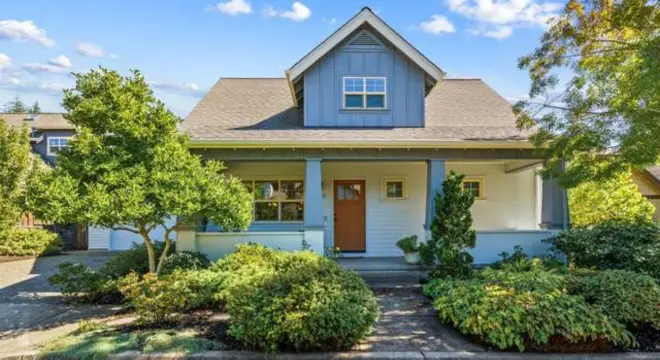
0% Down Mortgages: The Smart Way to Buy Your First Home
Buying your first home can feel overwhelming, especially when prices are hovering around $415,000 and mortgage rates sit in the low 6% range. I know the stress of thinking about down payments, monthly bills, and whether you’ll ever actually afford a place of your own. But here’s something many people overlook: USDA loans.
These government-backed mortgages let eligible buyers put 0% down, which means you could step into homeownership without emptying your savings. They also come with competitive interest rates and lower fees than many other programs. I’ve guided dozens of clients through this process, and the truth is, USDA loans aren’t just for remote farms—they can work for suburban homes too.
In this article, I’ll break down exactly how USDA loans work, who qualifies, and how you can use one to buy your home with zero down. By the end, you’ll know whether this option could be your ticket to owning a home without the usual financial hurdles.
Why Zero Down Matters for Homebuyers
I get it—you’re probably thinking, “Zero down? That sounds too good to be true.” But the truth is, putting nothing down can completely change your home-buying experience. I’ve seen many first-time buyers hesitate because of upfront costs, only to discover that a zero down option like a USDA loan can make the dream of owning a home much more achievable.
The Financial Advantage of 0% Down
When you don’t have to make a down payment, your savings stay intact. That’s huge, because buying a home isn’t just about the purchase price—it’s also about renovations, moving costs, and having a safety net for unexpected expenses. And remember, even small shifts in interest rates can affect your monthly payments—this guide on how a 1% interest rate change impacts home buying power explains exactly what that means for your budget. Here’s why zero down can be a game-changer:
- Preserve cash flow: You keep your emergency fund intact instead of dipping into it for a 3–20% down payment.
- Faster move-in: Without a down payment to save for, you can enter homeownership sooner.
- More flexibility: Extra cash means you can invest in home improvements, new furniture, or even pay down other debts.
I’ve personally seen buyers move from renting to owning in months, simply because they could avoid the traditional upfront hurdle.
Common Misconceptions About Zero Down Mortgages
It’s easy to fall for myths around zero down loans. You might have heard that:
- “Zero down means no costs at all.”
- “Only extremely rural areas qualify.”
- “Your credit score doesn’t matter at all.”
Here’s the reality: while you won’t pay a down payment, there are still closing costs and fees—but these can often be rolled into your loan. Even with a 0% down loan, buyers are often surprised by other expenses at closing—these unexpected home buying costs that can break your budget are worth understanding before you move forward. And yes, USDA loans do focus on rural areas, but many suburban homes also qualify. You can check eligibility using the USDA’s official property eligibility map.
USDA Loans Explained
Now that we understand why zero down is valuable, let’s dive into USDA loans—the primary way most buyers can actually achieve it. I like to think of these as a hidden gem in home financing; they’re not as widely advertised as FHA or conventional loans, but they offer real opportunities if you know where to look.
What is a USDA Loan?
A USDA loan is a mortgage either issued or guaranteed by the U.S. Department of Agriculture. These loans are designed for people with low-to-moderate incomes who want to live in eligible areas. What makes them special is that you can get a home with 0% down, competitive interest rates, and lower insurance costs compared to FHA loans.
There are three types of USDA loans:
- Direct Loans: Issued by USDA directly for very low-income applicants.
- Guaranteed Loans: Offered by USDA-approved private lenders with a government guarantee.
- Repair/Improvement Grants: For homeowners who need to repair or upgrade their existing home.
For more details on eligibility and program specifics, the USDA Guaranteed Loan Program page is an excellent resource.
USDA Direct vs. Guaranteed Loans vs. Repair/Improvement Grants
It’s easy to confuse the types of USDA loans. Here’s a quick breakdown:
- Direct Loans: Best for very low-income applicants. You can qualify even if traditional lenders say no.
- Guaranteed Loans: Most popular; offered by private lenders but backed by the USDA. Risk for the lender is reduced, which often means better rates for you.
- Repair/Improvement Loans and Grants: Helps current homeowners fix health, safety, or structural issues. Often overlooked in guides, but very useful if you already own a home in an eligible area.
Who Qualifies for a USDA Loan?
You might be wondering if you can actually qualify. Generally, USDA loans have these key requirements:
- Household income must meet area-specific limits.
- The property must be in an eligible area.
- You must occupy the home as your primary residence.
- Citizenship or eligible non-citizen status is required.
This makes USDA loans a great option if you meet the income and location requirements but don’t have thousands of dollars saved for a down payment.
Geographic Eligibility: Not Just Remote Areas
One of the biggest misconceptions I encounter is that USDA loans are only for remote farms. That’s not true. Many suburban neighborhoods fall within USDA’s eligibility boundaries, meaning you could live in a convenient location without paying a down payment.
Use the USDA property eligibility map to see if the home you want qualifies. I always tell buyers to check this early in the process—it can save weeks of frustration later.
Alternatives to USDA Loans if You Don’t Qualify
I know what you’re thinking: “What if my dream home isn’t USDA-eligible?” Don’t worry—you still have options. Just because you don’t meet USDA criteria doesn’t mean zero down is completely off the table. Here are some alternatives I often recommend:
- VA Loans for Veterans: If you’ve served in the military, you might qualify for a VA loan with no down payment and competitive rates.
- FHA or Conventional Low Down Payment Options: Some programs let you buy with as little as 3–3.5% down, which is much lower than traditional loans.
- State/Local Down Payment Assistance Programs: Many states and counties offer grants or second loans to cover down payments. You can find your local options on the National Council of State Housing Agencies website.
- Co-Buying or Gifted Funds Strategies: Some buyers partner with family or friends, or use gifted funds, to cover down payments without using personal savings.
These options may not be USDA loans, but they can still help you achieve homeownership faster and with less financial strain.
Step-by-Step Guide: Buying a Home with 0 Down
Let’s make this practical. If you’re serious about buying a home with zero down, here’s a roadmap I’ve seen work for first-time buyers:
- Check Property Eligibility: Use the USDA property eligibility tools or other maps to confirm the home qualifies.
- Pre-Qualification & Income Documentation: Gather your pay stubs, tax returns, and bank statements to see what you can afford. Before you even talk to a lender, it helps to know exactly what paperwork you’ll need—and which documents you should be cautious about—this guide on home buying documents you should and should never sign can save you from costly mistakes early on.
- Select Lender & USDA Loan Type: Choose a lender experienced with USDA loans; decide between Direct, Guaranteed, or Repair/Improvement loans.
- Closing Process & Cost Expectations: Understand what fees you may need to roll into the loan and prepare for inspections, appraisals, and signing.
Following these steps can save you time and prevent surprises along the way. I always tell clients: being organized early makes the entire process smoother.
Glossary: Key USDA Terms for Zero Down Mortgages
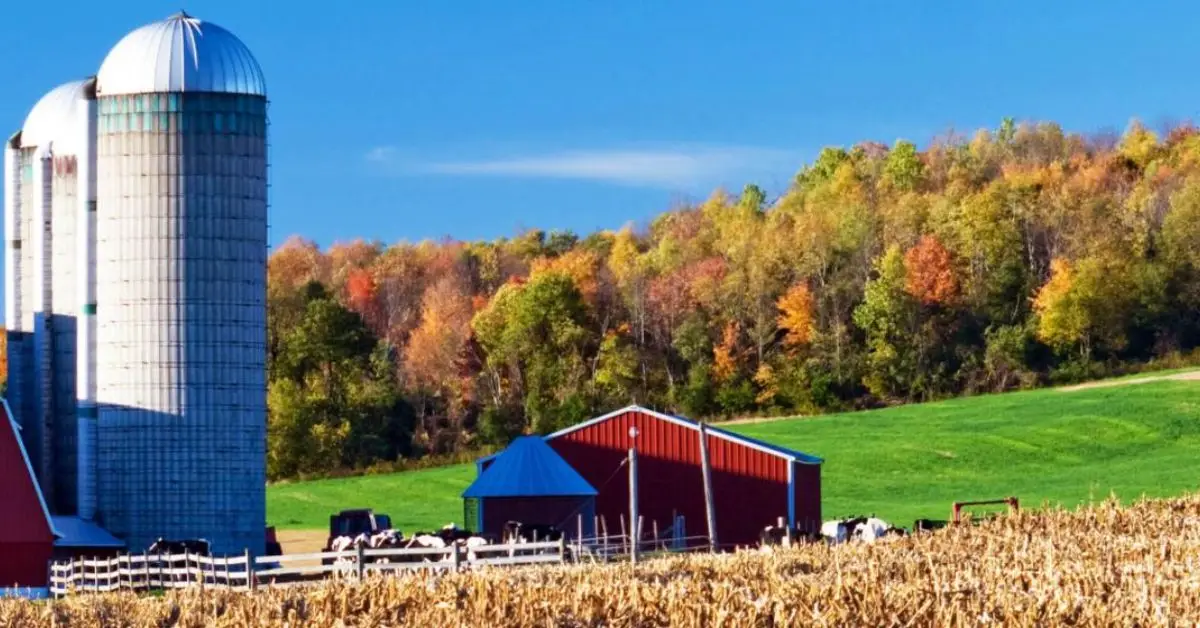
To make life easier, here’s a cheat sheet of common terms you’ll see when dealing with USDA loans:
- RD (Rural Development): The USDA agency that administers these loans.
- AMI (Area Median Income): Income limit used to determine loan eligibility.
- FPL (Federal Poverty Level): Helps define low-income eligibility for USDA programs.
- Direct Loan: Loan issued by USDA directly to very low-income applicants.
- Guaranteed Loan: USDA-backed loan offered by approved lenders.
Understanding these terms will make discussions with lenders far less intimidating and help you make informed decisions.
Next Steps: How to Start Your USDA Application Today
If you’re ready to take the next step, here’s what I recommend:
- Visit your local USDA Rural Development office to speak with a housing specialist.
- Use a USDA-approved lender finder to compare options and rates.
- Double-check property eligibility using USDA maps and confirm your income aligns with local limits.
I know it can feel like a lot, but taking the first step is easier than you think. I’d love to hear from you—comment below with your questions or experiences with zero down home loans. And if you want more step-by-step guidance and resources, check out my website, Build Like New, where I share practical tips for homebuyers like you.
Disclaimer: This article is for general informational purposes only and does not constitute financial, legal, or mortgage advice. Loan terms, eligibility requirements, and interest rates can change and may vary by location and lender. Always consult a qualified mortgage lender or financial professional before making any home-buying or financing decisions.