5 Kitchen Items You Should Never Keep Near the Stove (and Where to Store Them Safely)
I’ve spent enough time in kitchens to know how easy it is to assume that anything can sit near the stovetop. After all, it’s convenient, right? But over the years, I’ve seen plenty of small mistakes turn into burnt dinners, ruined ingredients, or worse—a kitchen fire. The truth is, some everyday items you probably reach for without thinking can become serious hazards when they’re too close to heat.
In this article, I want to walk you through the five most dangerous things to store near your stove, explain why they’re risky, and show you safer spots for them. I’ll also share some practical tips I’ve picked up from chefs, fire safety experts, and even real home cooks. By the time you’re done reading, you’ll know exactly what to move, where to move it, and why it matters—not just for keeping your food fresh, but for keeping your kitchen safe.
Before we start, think about your own stovetop. What’s sitting there right now that probably shouldn’t be? That little moment of awareness is the first step toward a safer kitchen.
How Stovetop Heat Affects Nearby Items
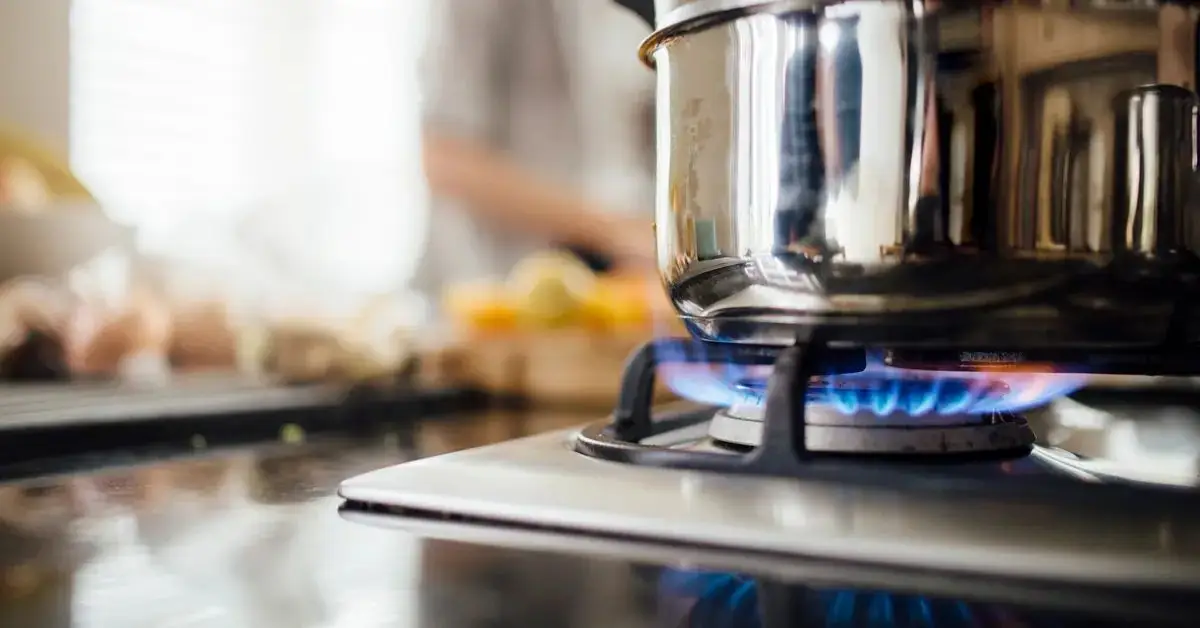
I used to think my kitchen was pretty safe, but one day I noticed the edge of a plastic container softening near my gas burner. That’s when it hit me—stovetop heat isn’t just about what’s in the pan. Heat, steam, and even cooking splatters can silently damage or transform anything nearby.
Here’s what can happen:
- Melting and warping: Plastics, silicone spatulas, or even laminated cookbooks can start to deform when exposed to steady heat.
- Rancidity and spoilage: Oils, nuts, and spices lose their flavor faster when heat breaks down their natural oils.
- Fire hazards: Paper towels, cookbooks, or flammable liquids can ignite if they’re too close.
- Flavor loss or chemical changes: Herbs, dried foods, and certain packaged ingredients can lose potency or even release odors that affect your cooking.
I came across a tweet from the Boston Fire Department recently—they reminded everyone to keep a safe “stovetop perimeter” to prevent accidental fires. It made me realize: understanding the science behind these reactions isn’t optional; it’s essential if you care about safety and quality in your kitchen.
The Boston Fire Department wishing you a Safe & Happy Thanksgiving. Safety tips. Never leave your stove unattended when cooking. Keep flammable items away from the stove top. Never fry a turkey inside . Turn off the heat, cover the pan , don’t use water for grease fires. pic.twitter.com/TxpYJHUN52
— Boston Fire Dept. (@BostonFire) November 27, 2025
The 5 Most Dangerous Items to Keep Near Your Stovetop
Let me walk you through the items I’ve found to be most hazardous near a stove. For each, I’ll explain why it’s risky and show where you should put it instead.
1. Cooking Oil & Other Flammable Liquids
Why it’s risky:
- Oils can reach flashpoint quickly, especially if the bottle is near a burner.
- Heat accelerates rancidity, making your food taste off even before the fire risk shows up.
Safer alternative / placement:
- Store oils in a cool, dark pantry instead of the counter.
- Keep small bottles away from direct heat; you can pour what you need right before cooking.
Tip: I found House Outlook has a good visual guide showing proper storage for flammable kitchen liquids—side-by-side with risky placement. It’s worth checking if you’re rearranging your pantry.
2. Paper Products (Towels, Cookbooks, Napkins)
Why it’s risky:
- These items are highly flammable. One forgotten towel too close to a burner can start a fire in seconds.
- Cookbooks placed near splatter zones absorb grease and can catch fire unexpectedly.
Safer alternative / placement:
- Keep them in a drawer or shelf that’s away from the stove.
- For convenience, I keep a small foldable towel at arm’s length—but well outside the hot zone.
3. Plastic Utensils & Silicone Tools
Why it’s risky:
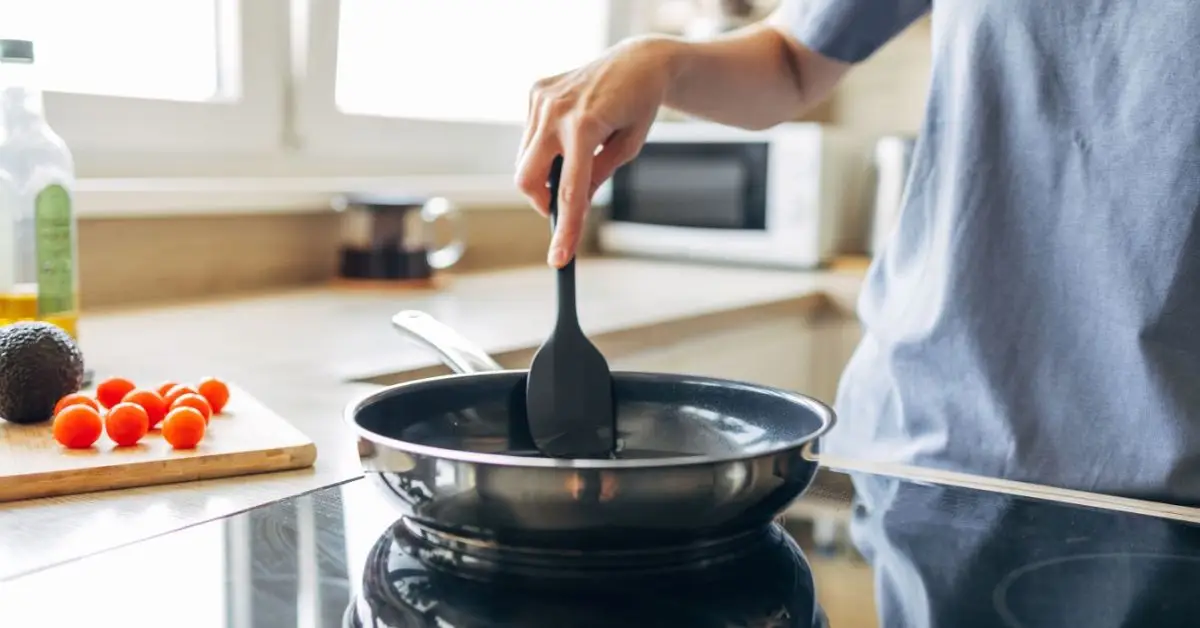
- Ordinary plastic melts or warps under heat.
- Even silicone tools can degrade if placed right next to a hot burner.
Safer alternative / placement:
- Use heat-resistant silicone tools stored in a nearby drawer or utensil holder away from direct flame or steam.
- Always double-check your cooking utensils before placing them back near the stovetop.
4. Spices & Dried Herbs
Why it’s risky:
- Heat and light can destroy essential oils, reducing flavor.
- Some volatile oils in spices could even ignite near a gas flame if left too close.
Safer alternative / placement:
- Store them in a closed spice rack or cabinet away from light and heat.
- I’ve seen Reddit communities suggest keeping small frequently used spices in tiny jars for quick access—just far enough from the burner.
5. Electronics & Small Appliances (Phones, Blenders, Toasters)
Why it’s risky:
- Heat can melt cords or damage electronics.
- Even a small appliance left on the edge of the stove can create a fire hazard.
Safer alternative / placement:
- Place them on a countertop opposite the stovetop or in a cabinet.
- I once read a forum story about someone who accidentally melted a blender plug by leaving it too close to the burner—it’s a simple mistake that could have been dangerous.
Common Misconceptions and Items People Overlook
Even after you clear the obvious hazards, there are items that seem safe but can quietly cause problems if left near your stove. I’ve learned this the hard way—some of these are things I used to leave out all the time.
- Fresh fruits and vegetables – Heat can accelerate spoilage, making produce rot faster or lose nutrients. A tomato or avocado on the counter may feel harmless, but next to a burner it doesn’t last long.
- Wine or alcohol bottles – Not just flammable, but heat can subtly alter flavor and pressure in the bottle. A cheap “convenient” placement can turn your wine into a safety hazard.
- Cleaning products – Fumes can off-gas under heat, which can affect air quality or even react with grease in extreme cases.
- Wooden cutting boards and utensils – Heat and steam can warp, crack, or dry out wood, leading to hygiene issues and shortened lifespan.
Many articles skip these less-obvious hazards, but paying attention to them can prevent small annoyances from turning into real kitchen problems. Even small habits near your stove can make a big difference—these are some of the common kitchen mistakes that food experts would never risk. For extra guidance on heat-sensitive items and stovetop safety, NFPA’s Cooking Safety Guide is an excellent resource.
Safe Storage Strategies
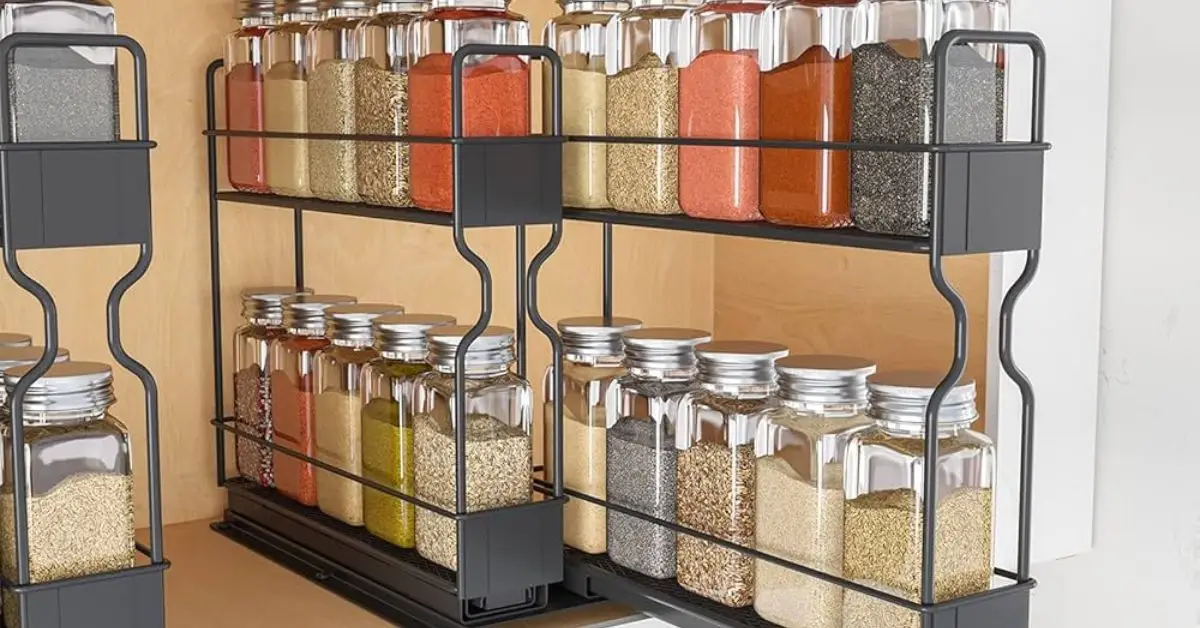
Now that you know what not to leave near your stove, the next step is making your kitchen safer without losing convenience. I like to think of it as creating a “stovetop safety zone”—a visual and practical boundary around your cooking area.
Here’s what I do:
- Pull-out racks for oils and sauces – Keeps bottles handy but away from heat.
- Wall-mounted spice racks – Easy reach, out of the danger zone.
- Drawer organization for utensils and towels – Avoids clutter around burners. Keeping your utensils and stovetop areas clean is critical—not just for safety but also hygiene—these are mistakes microbiologists beg you to stop right now.
- Strategic appliance placement – Phones, toasters, and blenders go on the opposite counter.
Even a simple diagram of a stovetop with a 12-inch “safe perimeter” makes it obvious where to store things. While we’re talking about keeping your stovetop and pantry organized, did you know there’s one kitchen staple that can also keep your fridge spotless and odor-free? Once you visualize the space, rearranging becomes intuitive and sustainable.
Quick Checklist
For those of us who skim or want a reference while cleaning, I keep a copy-paste-ready checklist near my stove. Here’s how I organize it:
Items never to store near stovetop:
- Cooking oils and other flammable liquids
- Paper towels, cookbooks, napkins
- Plastic utensils and regular silicone tools
- Spices and dried herbs
- Electronics and small appliances
- Fresh fruits and vegetables
- Wine or alcohol bottles
- Cleaning products
- Wooden cutting boards and utensils
Having this checklist handy keeps your kitchen safe and ensures you’re not forgetting the subtle hazards. It’s one of the simplest ways to prevent accidents and keep your cooking space functional.
Final Safety Reminders
I’ve shared a lot already, but if there’s one thing I want you to take away, it’s this: keeping a clear zone around your stovetop isn’t just about avoiding a mess—it can literally prevent fires and keep your food tasting its best. The small effort of moving a few bottles, towels, or utensils to safer spots goes a long way toward protecting your kitchen and your family.
Take a moment today to look around your own stovetop. Ask yourself: what’s sitting dangerously close right now? Even one overlooked item can create a hidden risk.
I’d love to hear from you—what unexpected items did you find near your stove when you checked? Share your experience in the comments below; it might help someone else rethink their kitchen setup.
And if you want more practical, safety-first tips for keeping your home running like new, visit Build Like New—we share real, actionable advice that actually works, not just theory.
Remember, a safer kitchen is a happier kitchen. Take action today, even if it’s just moving one bottle or rearranging a shelf—it all adds up.
Disclaimer: This article is for informational purposes only and is not a substitute for professional fire safety advice. Always follow manufacturer instructions and local fire safety guidelines when storing items in your kitchen.