The Secret to Perfectly Clear Glass Without Any Smudges
I’ve spent years cleaning windows and mirrors, and if there’s one thing I’ve learned, it’s that streak-free glass isn’t about fancy sprays or expensive tools—it’s about using the right method. You’ve probably tried wiping with paper towels, sprays, or even store-bought cleaners, only to end up with streaks or smudges. I’ve been there too, and it’s frustrating.
In this guide, I’ll show you the simple, effective way to clean windows and mirrors using just dish soap, water, and a few smart techniques. No gimmicks, no harsh chemicals, just a method that actually works every time. By the end, you’ll know why streaks happen, how to avoid them, and the little tricks that make cleaning quick and satisfying.
Think of this as your go-to routine for crystal-clear glass—something you can rely on week after week. I’ll also share tips most guides miss, like which cloths really work, how sunlight affects results, and what pros do differently.
So, let’s get started and finally enjoy windows that sparkle without the hassle.
How Dish Soap Works on Glass (But Only When Done Right)
When I first started cleaning windows, I thought more soap meant better results. I quickly learned the opposite. Dish soap is surprisingly powerful at cutting through grease and fingerprints, but it only works when used in the right amount. Here’s what I’ve found:
- Mild, yet effective: A tiny drop of dish soap in water is enough to break down oils, grime, and fingerprints without harsh chemicals. You don’t need gallons of it.
- Less is more: Too much soap leaves a film on the glass. That film is what creates streaks, smudges, and that frustrating cloudy look.
- Know when to switch: Dish soap is perfect for everyday cleaning, but for hard water stains or mineral deposits, sometimes adding a splash of vinegar or using a specialized glass cleaner works better.
Over the years, I’ve tested different techniques, and the key is balance. You want your solution strong enough to cut grime but gentle enough to rinse clean. If you want a detailed explanation of why dish soap works so well on glass, check out The Spruce’s guide on cleaning glass surfaces with dish soap.
Step by Step: Best Way to Clean Windows With Dish Soap
Cleaning windows without streaks isn’t complicated, but there’s a method to it. Over time, I’ve developed a routine that keeps glass sparkling, and I’ll walk you through it step by step.
Mix Your Cleaning Solution
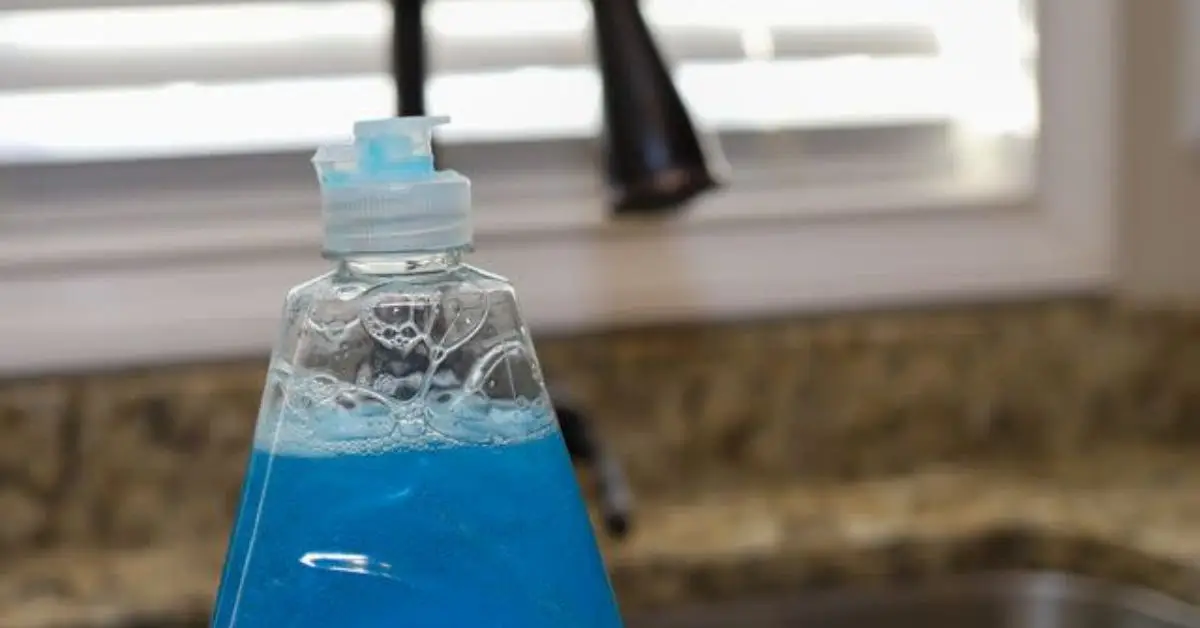
Before you touch a window, you need the right solution. I usually go with:
- Water + a few drops of dish soap: This ratio keeps it strong enough to cut grime but gentle enough to rinse without streaks.
- Optional white vinegar: If your water is hard or the windows have mineral deposits, adding a splash of vinegar helps break them down without harming the glass.
Homes & Gardens has a detailed guide on using a dish soap solution for streak-free windows, which is where I first learned the exact proportions that work best.
Tools You Need (and Which Ones to Skip)
Choosing the right tools makes a huge difference. Here’s what I use:
- Microfiber cloths: Absorbent, lint-free, and perfect for buffing. I avoid paper towels—they leave fibers behind and often cause streaks.
- Squeegee: Essential for large panes. It speeds up cleaning and gives a smooth, streak-free finish.
- Bucket vs. spray bottle: I prefer a bucket for larger areas and a spray bottle for quick touch-ups—it helps control how much solution touches the glass.
Cleaning Technique That Prevents Streaks
Even with the right solution and tools, technique matters more than anything:
- Start with a dust-free surface: I always dust or wipe the window frame first so dirt doesn’t smear.
- Apply solution lightly: Too much liquid can pool and leave streaks, so I dip my cloth or squeegee lightly.
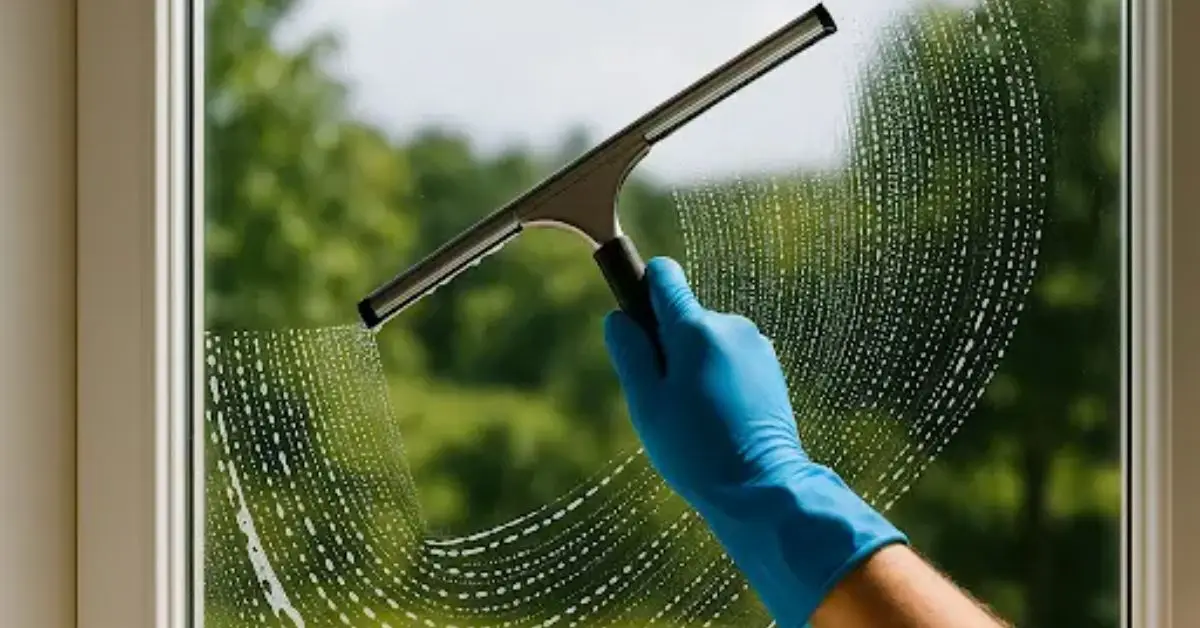
- Squeegee top to bottom: Always wipe the blade after each pass to avoid dragging soap residue across clean glass.
- Final dry buff: I finish with a clean, dry microfiber cloth to catch any leftover streaks and make the glass shine.
Following this routine every time has saved me from frustration, and it’s surprisingly fast once you get the hang of it.
Smart Tips Pros Use
Sometimes it’s the small tweaks that make all the difference. After lots of trial and error, I’ve picked up a few pro tricks that most basic guides never mention — and they genuinely help keep glass streak‑free:
- Clean on cool, overcast days: If you clean windows in direct sun, the solution dries before you can wipe it properly, which is a major reason streaks happen. Professionals always avoid bright, hot conditions.
- Use distilled water: Tap water contains minerals that can leave tiny deposits on glass. I switched to distilled water and noticed fewer spots and streaks right away — it’s one of those behind‑the‑scenes wins. You can read more tips about using distilled water and minimizing suds over at HowStuffWorks’ guide to cleaning glass without streaks.
- Two‑cloth method: One damp microfiber cloth to lift dirt, another dry one to buff. This combo is a game‑changer for speed and clarity.
- Exterior vs interior differences: Outside windows tend to need a bit more solution to cut through grime, so I use a slightly wetter cloth and squeegee carefully; inside, I go lighter to avoid drips on furniture.
These are the kind of tips that separate okay results from wow, that’s clear results.
Common Mistakes That Cause Streaks (and How to Fix Them)
Even when you think you’re doing everything right, these slip‑ups can sneak in and ruin results. I see the same issues over and over — here’s how I handle them:
- Too much soap or residue buildup: Remember, soap cuts grease but leaves residue if overused. If you see cloudy streaks, rinse the glass quickly with clean water and buff again with a dry cloth.
- Dirty cloths and squeegee blades: You might be washing the window with yesterday’s dust stuck to your tools. I always check and rinse my cloths and blades before each window.
- Spraying solution unevenly: Too much in one area causes pools that dry into streaks. Spritz moderately and wipe systematically from top to bottom.
- Wiping in circular motions: I used to do this too — it feels intuitive but just spreads residue around. Long vertical or horizontal strokes make it easier to see what’s clean and what isn’t.
Once you catch these habits, your glass cleaning looks more like a pro’s work and less like a half‑done chore.
Quick Variations and When to Use Them
Not every window or mirror is the same, so I tweak my routine depending on the situation:
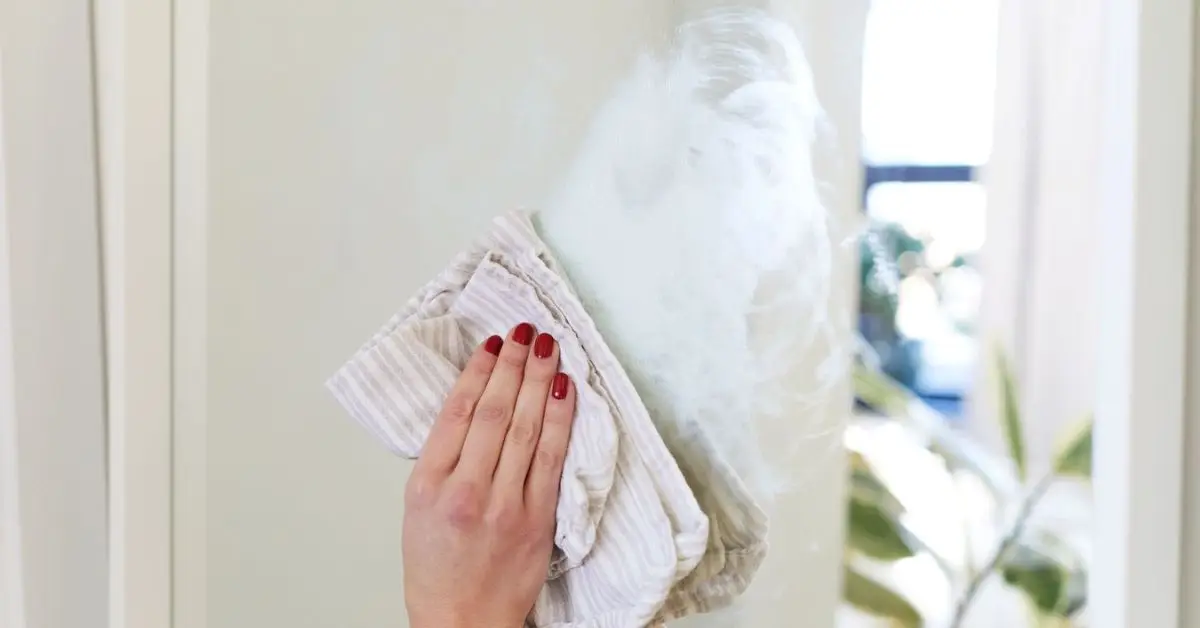
- Mirror cleaning version: Mirrors show every streak, so I use less liquid, focus on buffing with a dry microfiber, and often go over the surface twice.
- Heavy grime: When windows are really dirty, I sometimes add a splash of vinegar or a little rubbing alcohol. These help break down tougher spots before the final wipe. Just like windows, mirrors and showers benefit from vinegar for tough grime; if you want a deeper dive into using vinegar effectively, check out my shower cleaning guide.
- Quick touch‑up method: For lightly dusty glass, I skip soap and just use distilled water with a microfiber cloth — works fast and keeps streaks away.
These variations let you adapt without overthinking it, so you always get great results whether you’re doing a quick spritz or a full clean.
Tools and Products Worth Considering (Brief Recommendations)
Over the years, I’ve learned that the right tools can make window cleaning easier and much more effective. Here’s what I personally rely on:
- Microfiber cloths: Look for soft, lint-free cloths that don’t leave streaks behind. I usually keep a few different sizes handy — smaller ones for corners and larger ones for big panes.
- Squeegee picks for beginners: A medium-sized squeegee with a replaceable rubber blade works best for me. It’s easy to handle and reduces the chances of streaks, especially on tall windows.
- Commercial glass cleaners: Honestly, they’re not always better. I only use them if the glass has stubborn deposits or I need a quick polish, but for everyday cleaning, a simple dish soap solution is more than enough.
I only use them if the glass has stubborn deposits or I need a quick polish, but for everyday cleaning, a simple dish soap solution is more than enough. If you’re upgrading your home’s glass, whether it’s windows or mirrors, it’s worth exploring bullet-resistant glass for high-security areas—here’s a detailed guide on what to consider.
Using the right combination of tools with the techniques we’ve discussed makes the process faster and keeps windows consistently clean without frustration.
A Cleaner View Every Time
Here’s the bottom line: streak-free windows and mirrors don’t have to be complicated. With the right solution, tools, and a few pro tips, you can make it a routine that’s fast, reliable, and satisfying.
I encourage you to experiment a bit with your dish soap ratios, cloth types, and cleaning technique to see what works best for your glass. Every home is different, and small adjustments make a big difference. Every home is different, and small adjustments make a big difference. While keeping your windows sparkling is essential, don’t forget that secure sliding doors also contribute to a safer, well-maintained home; I’ve shared some easy ways to make sliding glass doors burglar-proof here.
If you found these tips helpful, I’d love to hear your results — share your experience in the comments below. And for more practical, easy-to-follow home improvement and cleaning tips, check out my website Build Like New for guides that actually make your life easier.
Disclaimer: The tips and techniques shared in this article are for general informational purposes only. Results may vary depending on window type, water quality, and cleaning conditions. Always test cleaning solutions on a small area first, and follow all safety guidelines when using tools or chemicals.