An Easy At-Home Method to Clean Carpets Using Baking Soda and Peroxide
I’ve cleaned carpets for years, and I’ll be honest—most people overcomplicate it.
If you’ve searched for cleaning carpet with baking soda and hydrogen peroxide, you’re probably dealing with a real mess. A pet accident. A coffee spill you thought you handled. Or that weird smell that won’t go away no matter how much you vacuum.
Here’s the problem with most articles ranking right now: they either make this method sound like a miracle cure or scare you into thinking you’ll ruin your carpet instantly. Both are misleading.
The truth sits in the middle.
Baking soda and hydrogen peroxide do work, but only when you use them the right way, on the right kind of carpet, for the right kind of stain. I’ve seen this combo lift tough odors and stains that store-bought cleaners barely touched. I’ve also seen people bleach their carpet because no one warned them what not to do.
In this guide, I’m going to walk you through the simplest and safest way to use baking soda and hydrogen peroxide on carpets—based on how these ingredients actually behave, not just what sounds good online.
I’ll tell you when this method makes sense, when it doesn’t, and how to avoid the mistakes most DIY guides skip.
Before we get into the steps, let me ask you this: what kind of stain or smell are you trying to fix right now?
Why Baking Soda and Hydrogen Peroxide Work Together
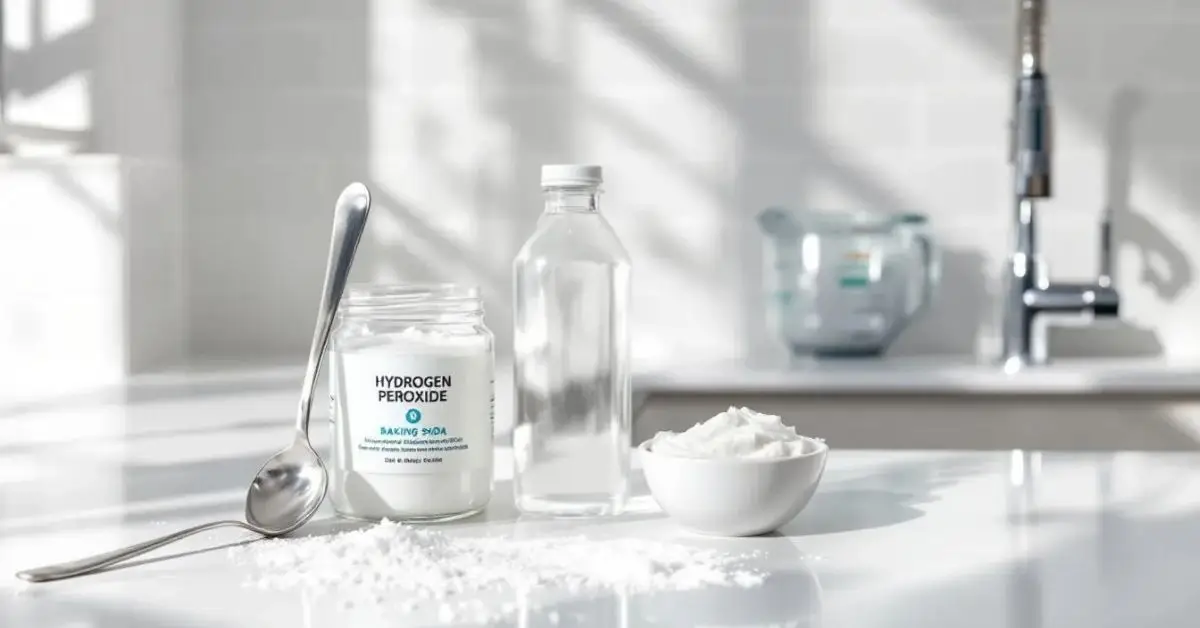
I like this method because it’s simple chemistry doing honest work—nothing fancy, nothing hyped.
When you combine baking soda and hydrogen peroxide, you’re not just covering up a stain or smell. You’re breaking it down and lifting it out of the carpet fibers.
Here’s what’s actually happening, in plain terms:
- Hydrogen peroxide targets the stain itself. It releases oxygen when it touches organic stains like food, pet messes, or spills. That oxygen breaks the stain molecules apart, which makes them easier to lift from the carpet instead of just spreading them around. Cleaning professionals often explain this oxidation process as the reason peroxide works so well on stubborn, set-in messes, as noted in guidance shared by AOL Lifestyle.
- Baking soda handles the smell and residue. Baking soda doesn’t just mask odors—it absorbs them. It also acts as a very mild abrasive, which helps loosen dirt and residue trapped deep in the carpet pile without damaging it.
- Together, they do two jobs at once. One breaks the stain down. The other lifts, absorbs, and neutralizes what’s left behind. That’s why this combo often works better than using either ingredient alone.
If you’ve ever cleaned a stain and noticed the smell coming back days later, this is why. You removed the surface mess but didn’t neutralize what was underneath. This pairing fixes that gap.
When This Method Is Best (and When to Skip It)
This is where most guides fail—you’re rarely told when not to use this method. I’m going to be straight with you, because using it in the wrong situation can do more harm than good.
This method works best when:
- You’re dealing with small, localized stains. Think food spills, pet accidents, or tracked-in dirt—not wall-to-wall deep cleaning.
- Your carpet is made of synthetic fibers like nylon or polyester. These fibers handle peroxide much better and are far less likely to bleach.
- The issue is odor plus a visible stain. Baking soda handles the smell, peroxide handles the stain—perfect match.
You should skip this method if:
- Your carpet is made of wool, silk, jute, or other natural fibers. These materials are sensitive. Hydrogen peroxide can weaken them or permanently change their color.
- The stain covers a large area or the entire room. That’s when professional cleaning or steam methods make more sense. If you’re constantly dealing with stains or moisture in the same area, it may not be a cleaning issue at all—there are certain spaces where carpet simply doesn’t hold up long-term, which is why I break down rooms where carpet is always a bad idea.
- You’re tempted to use peroxide frequently. I recommend baking soda for light deodorizing once a month at most. Hydrogen peroxide should be used only when there’s a real stain to treat—not as routine maintenance.
If you take one thing from this section, let it be this: just because something is effective doesn’t mean it should be overused.
Before we move on, tell me this—are you dealing with a fresh stain, an old one, or mainly a lingering smell?
What You’ll Need Before You Start
Before you touch the stain, I want you to pause for a minute and gather the right supplies. This step matters more than people think. When everything is ready, you clean faster, safer, and with fewer mistakes.
Here’s exactly what I use—and why each item matters:
- 3% hydrogen peroxide (not stronger): This concentration is strong enough to break down stains but mild enough for most synthetic carpets. Anything stronger increases the risk of bleaching and fiber damage. Stick to 3 percent only.
- Baking soda: For a single spot, a few tablespoons are enough. You don’t need to flood the carpet. Baking soda works best when it lightly covers the stained area, not when it’s piled on thick.
- Soft brush or spoon: This helps spread the mixture gently. Hard brushes can rough up carpet fibers and make the area look worn.
- Spray bottle: Gives you control. You want the carpet damp, not soaked.
- White cloths or paper towels: Always white. Colored cloths can bleed dye into your carpet when peroxide is involved.
- Vacuum: You’ll use this twice—once before cleaning and once after everything is fully dry.
Optional but useful:
- A drop of mild dish soap: I only add this when I’m dealing with greasy or food-based stains. This tip comes straight from real-world cleaning discussions on Reddit, where homeowners share what actually works—not theory.
Once you have these ready, the process itself becomes much smoother.
Step-by-Step Cleaning Method
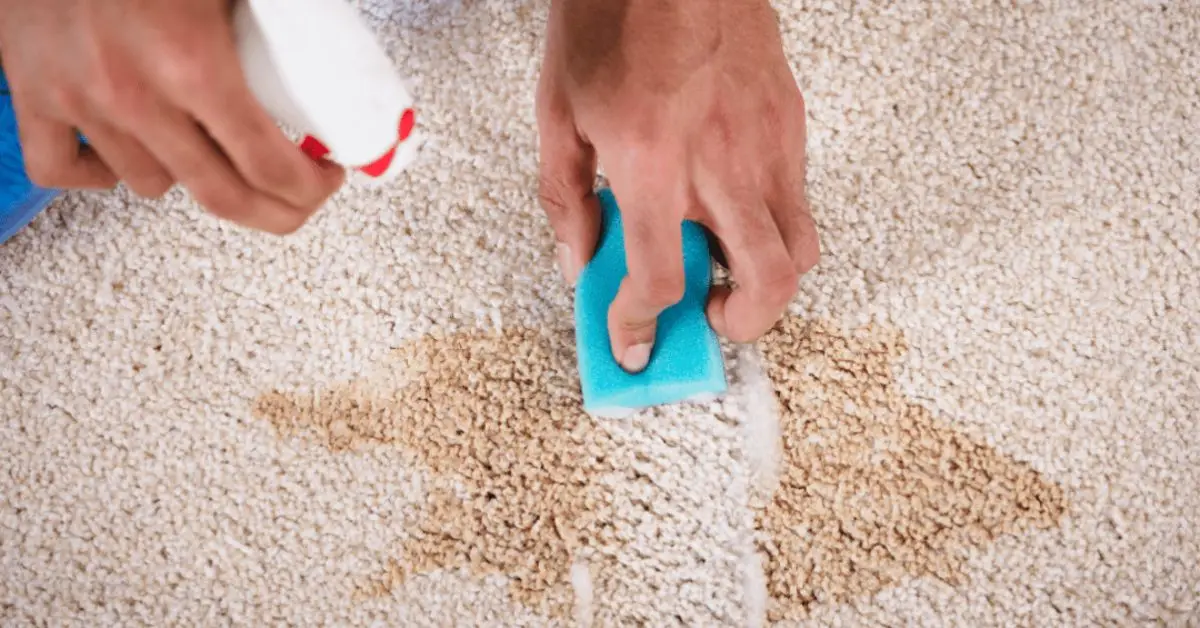
This is the core of the process. Follow these steps in order, and don’t rush. Most carpet damage happens when people skip steps or try to speed things up.
1. Test for Colorfastness First
I never skip this—and neither should you.
Pick a hidden spot, like inside a corner or under furniture. Apply a small drop of peroxide, wait 10 minutes, then blot.
If you see color transfer, lightening, or fiber change, stop. This warning is backed by carpet care experts at Carpet Reviewed, who clearly explain how peroxide can affect different carpet fibers.
This one step can save you from permanent damage.
2. Prep Your Carpet (Vacuum First)
Vacuum the area thoroughly before adding anything wet.
This removes loose dirt and debris so you’re not pushing grime deeper into the carpet. A lot of DIY guides skip this, but in my experience, it makes a noticeable difference in how clean the final result looks.
3. Mix and Apply the Cleaning Solution
Here’s a simple ratio that works well for most spots:
- Lightly sprinkle baking soda over the stain
- Spray enough hydrogen peroxide to dampen it—not soak it
If you’re adding dish soap, mix one tiny drop into the peroxide first. More soap does not mean better cleaning.
Slow, controlled application is key here.
4. Let It Sit, Then Blot Gently
Give the mixture about 10 to 15 minutes to work.
You may see light bubbling—that’s normal. It means the peroxide is breaking down the stain.
When blotting:
- Press gently
- Use clean sections of your cloth
- Never rub
Rubbing spreads stains and can damage carpet fibers. Blotting lifts the mess out.
5. Rinse and Dry (Vacuum Last)
Once the stain is gone:
- Lightly mist the area with plain water
- Blot again to remove residue
- Let the carpet dry completely
After it’s fully dry, vacuum the area. This fluffs the fibers back up and removes any remaining baking soda.
Take your time here. Proper drying helps prevent odors and mildew later.
Before you move on—are you cleaning a fresh spill or something that’s been sitting in the carpet for a while?
Common Stains and Targeted Tips
This is where things get practical. Not all stains behave the same, and treating them like they do is why people get mixed results.
Here’s how I approach the most common real-life messes you’re likely dealing with.
Coffee, wine, and food stains
- I apply hydrogen peroxide first, directly on the stain
- Then I sprinkle baking soda on top to absorb moisture and odor
- This order matters because these stains are usually dark and organic, and peroxide needs direct contact to break them down
- Always blot slowly and patiently—these stains often lift in stages, not all at once
Pet accidents
- The visible stain is only half the problem; odor lives deeper
- I let peroxide work a bit longer here to break down organic residue
- Baking soda is essential in this case because it neutralizes lingering smells, not just surface odor
- If you rush this step, the smell usually comes back in a few days
Blood stains
- This is where peroxide shines
- Blood reacts immediately with hydrogen peroxide, which is why you’ll see bubbling
- Use cold water only—heat can set blood stains permanently
- Blot gently and repeat if needed rather than over-applying
The key thing I want you to remember: adjust the method slightly based on what caused the stain, not just how it looks.
Mistakes That Can Ruin Your Carpet (and How to Avoid Them)
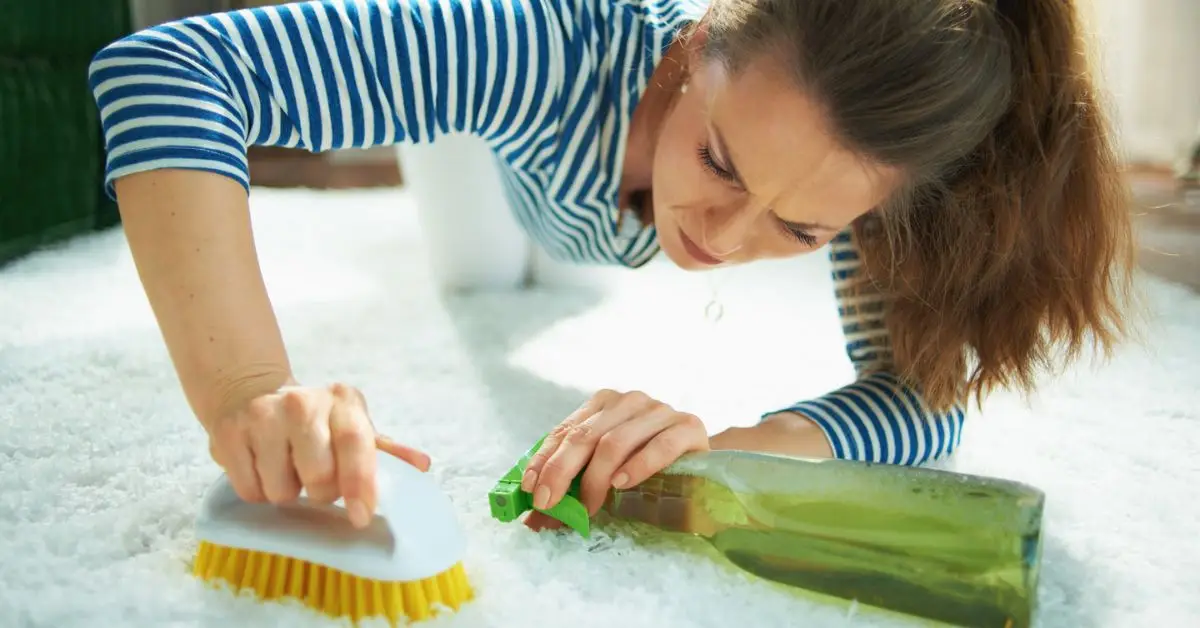
Most carpet damage doesn’t come from the ingredients—it comes from how people use them.
I’ve seen perfectly good carpets ruined by small but avoidable mistakes.
Here are the big ones you should watch out for:
- Using stronger peroxide than needed: Anything above 3 percent increases bleaching risk and weakens carpet fibers over time. More strength doesn’t mean better cleaning.
- Overwetting the carpet: Soaking the area pushes moisture into the padding below. That’s how you end up with musty smells, mildew, or slow-drying spots. Home care experts at Better Homes & Gardens consistently warn that overwetting is one of the most common carpet cleaning mistakes:.
- Skipping patch tests or ignoring fiber type: Synthetic carpets and natural fibers behave very differently. What’s safe for one can permanently damage the other.
- Panicking over light spots: Sometimes what looks like bleaching is just a genuinely clean area surrounded by older dirt. Once the carpet fully dries and gets vacuumed, the contrast often blends out.
If you avoid these mistakes, you eliminate most of the real risks people complain about online.
Alternatives and When to Choose Them
I don’t believe in pushing one method for every situation. Sometimes baking soda and hydrogen peroxide are right—and sometimes they’re not.
Here’s when I choose something else:
- Dry baking soda only: Best for whole-room deodorizing when there’s no visible stain. Sprinkle lightly, let it sit, then vacuum.
- Vinegar and baking soda: I use this only for light odors or surface refreshes. It’s not strong enough for set-in or greasy stains, and mixing it incorrectly can cancel out its effectiveness.
- Professional steam cleaning: If the stain is old, widespread, or keeps returning, DIY methods usually won’t fix the root issue. If baking soda and hydrogen peroxide don’t fully solve the problem, there are other smart DIY approaches worth trying—some of these simple carpet rescue tricks can handle stubborn stains better than you’d expect, without jumping straight to professional cleaning. Steam cleaning reaches deep into the carpet and padding where home methods can’t.
Knowing when to stop DIY cleaning is just as important as knowing how to start.
Let me ask you—are you dealing with a specific stain type right now, or are you trying to fix an overall odor problem?
How to Maintain Clean Carpets Long-Term
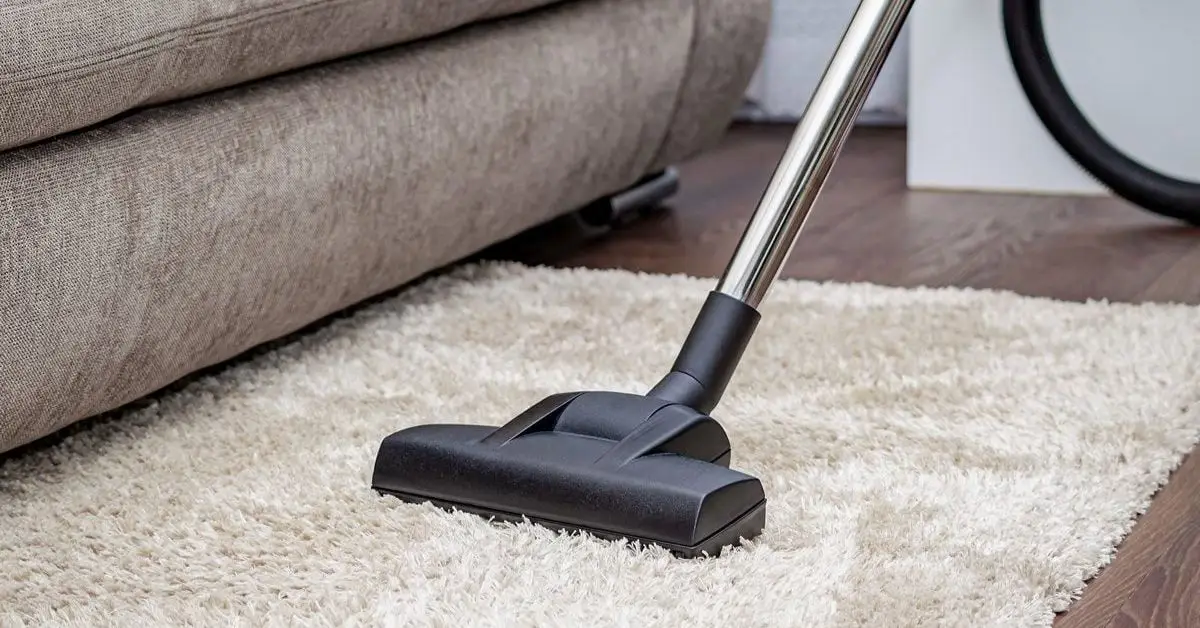
Once you’ve put in the effort to clean your carpet properly, the goal is simple: don’t let it get bad again.
From my experience, long-term carpet care isn’t about expensive products. It’s about a few habits done consistently.
Here’s what actually makes a difference:
- Stick to a regular vacuum routine: I recommend vacuuming high-traffic areas at least twice a week. Dirt acts like sandpaper on carpet fibers. The longer it sits, the faster your carpet wears down.
- Use area rugs where life happens most: Entryways, hallways, near sofas, and under dining tables take the most abuse. A simple area rug absorbs that damage so your carpet doesn’t have to.
- Handle spills immediately, not later: Even five minutes matters. Ignoring spills and moisture for too long doesn’t just cause stains—it can also attract pests over time, which is why understanding how to deal with issues like carpet beetles without calling pest control is part of smart, long-term carpet care. Blot first, don’t rub, and avoid pouring water all over the spot. The faster you act, the less likely you’ll need strong cleaners later.
If you do these three things well, you’ll notice you need deep spot cleaning far less often.
Summary and Smart Safety Tips
Let’s bring this together in a way that actually sticks.
Baking soda and hydrogen peroxide can be a powerful carpet-cleaning combo when used with intention, not guesswork. The method works best for small stains and odors on synthetic carpets, and it works even better when you respect its limits.
Before you use it again, remember this:
- Always patch test first
- Never use stronger peroxide than needed
- Keep the carpet damp, not soaked
- Blot patiently and let the carpet dry fully
- Don’t force DIY methods on delicate or natural fibers
Cleaning should make your home feel better, not stressful.
If you found this guide helpful, I’d love to hear from you.
What kind of carpet issue are you dealing with right now? Drop your experience or questions in the comments—I read them all.
And if you want more practical, no-nonsense home improvement and cleaning guides, visit Build Like New on my website. That’s where I share what actually works, based on real experience—not hype.
Disclaimer: This guide is for general home cleaning purposes only. Always test any cleaning method on a hidden area first, follow manufacturer care instructions, and stop if you notice discoloration or damage. For delicate carpets or severe stains, professional cleaning may be a safer option.