Last-Minute Thanksgiving Hosting: 5 Items to Clear Immediately
When the holidays get close, I always notice the same pattern in my home: the menu is planned, the grocery list is done, but the clutter? It somehow multiplies overnight. And if you’re hosting Thanksgiving, that quiet pile of “I’ll deal with it later” can turn into real stress the moment the doorbell rings. I’ve seen it in my own home, and in dozens of homes I’ve helped prepare — the mess isn’t the problem, it’s the mental load it creates.
You and I both know Thanksgiving isn’t just a meal. It’s people moving through your entryway, crowding the kitchen, dropping coats, using the bathroom, sitting in the living room, and noticing the little things you stopped seeing weeks ago. That’s why clearing a few high-impact clutter traps makes such a difference. Not a full-house overhaul. Not a weekend-long project. Just the spots that actually affect how hosting feels — for you and your guests.
I’ll walk you through the five areas that matter most, why they cause stress during hosting, and what to clear so you can breathe a little easier when guests arrive. Before we jump in, I’m curious: what’s the one spot in your home that always gets messy right before the holidays?
Trap #1 — The Entryway and First-Impression Zone
Why the Entryway Sets the Tone for Your Guests
Whenever I’m hosting, the entryway is the first area I reset — not because it’s beautiful, but because it shapes the very first moment your guests experience. If the space is crowded with coats, shoes, and mail, it quietly tells people the rest of the house might feel just as overwhelming. You want a warm, calm welcome, not a chaotic one.
What to Tackle: Shoes, Jackets, Mail, Catch-All Clutter
Start with the things that pile up without you noticing.
- Pull out seasonal pieces you’re not using
- Sort through mail, papers, and drop-zone clutter
- Set up a simple spot for guests’ coats and bags
- Add a temporary shoe rack or basket to keep the doorway open
These tiny changes keep the space from turning into traffic jam territory.
Quick Audit and Action Steps
Before guests arrive, I always give this area a quick reset.
- Do one fast sweep and remove anything that doesn’t belong
- Sort everything into keep, store, donate, or toss
- Wipe surfaces and sweep or vacuum
- Add one small seasonal touch only after the clutter is gone
A clean entryway shifts the mood of the entire home. You’ll feel it, and so will every person who walks in.
Trap #2 — Kitchen and Pantry Chaos
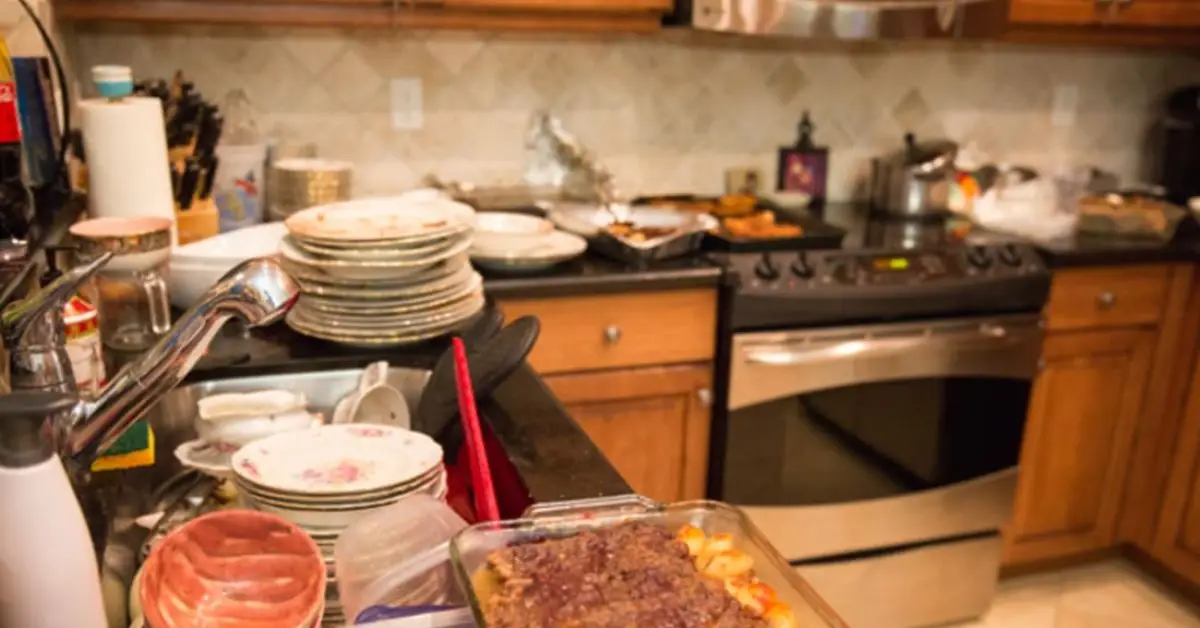
Why Kitchen Clutter Hurts More During Thanksgiving
On Thanksgiving, the kitchen becomes the command center. When counters are crowded or the pantry is overflowing, every task feels harder. You and I both know how fast stress builds when you’re hunting for ingredients or trying to prep dishes with no space to work. Clearing this area is one of the smartest moves you can make.
Key Sub-Areas to Declutter
Focus on the spots that slow you down the most.
- Pantry and fridge: toss expired or forgotten items so you have room for new groceries (this reminder from Homes & Gardens always helps)
- Countertops: remove anything you don’t need for cooking or serving
- Cookware and serveware: check for chipped pieces or duplicates
- Sink and dishwasher: clear them out so you’re ready for nonstop cooking
Think of this as clearing the runway before takeoff.
Actionable Checklist for the Kitchen and Pantry
Here’s the routine that keeps my kitchen running smoothly.
- Empty the pantry and fridge shelf by shelf
- Group similar items so you can find them quickly
- Pull out what you’ll need for Thanksgiving and store the rest
- Clear every counter you can and wipe it down
- Start the day with an empty sink and dishwasher
A clean kitchen buys you time, energy, and sanity — and it makes the whole holiday feel easier. To avoid last-minute stress and understand what guests tend to notice first in the kitchen, you can also read 6 Things Guests Notice Instantly in Your Kitchen.
Trap #3 — Living and Dining Spaces: Surface and Décor Clutter
Why Clearing Common Spaces Matters for Hosting Comfort
When people settle into your living or dining room, they notice more than you think. If surfaces are packed with décor, toys, mail, or random things that never found a home, the room instantly feels smaller and busier. I’ve seen clutter make a beautiful space feel tense, and that’s the opposite of what you want when everyone is gathering to relax and enjoy the meal.
What to Declutter: Tables, Sideboards, Décor, Outdated Holiday Items
Start with the surfaces that catch clutter fast.
- Clear coffee tables and side tables of magazines, toys, and stray mail
- Sort through décor and keep only pieces that match the mood you want
- Fold and store extra throws or pillows so the room doesn’t look crowded
- Make sure the dining table and chairs are free from anything that doesn’t belong
A simple reminder I like from The Simplicity Habit is to choose Minimalist Habits to Reduce Mental Noise and Distractions
Bonus — Design a Guest-Friendly Setup
Think about how people will move and settle in.
- Create a spot for extra bags or coats if guests are staying overnight
- Use a single centerpiece instead of layering lots of small décor
- Keep a small basket handy for the random items that always appear during gatherings
Tiny tweaks like these keep the room flowing and stress-free for everyone.
Trap #4 — Guest-Bathroom and Guest Supplies Clutter
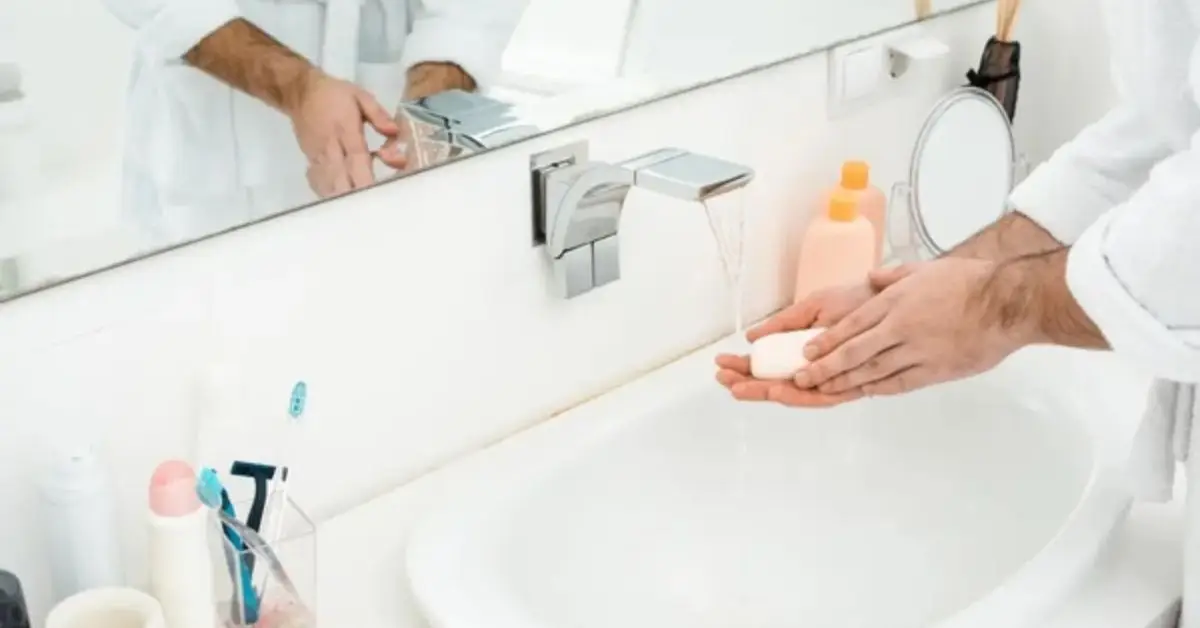
Why This Is Often Underestimated — but Critical for Hospitality
If you’ve ever walked into someone’s bathroom and seen cluttered counters, old toiletries, or worn-out towels, you know how awkward it feels. Guests want to feel comfortable, not like they’ve stepped into your storage zone. A clean, simple bathroom signals that you’re prepared and thoughtful.
What to Check and Clear: Toiletries, Linens, Surfaces, Expired Items
A little cleanup here goes a long way.
- Clear old or half-used toiletries from counters and drawers
- Swap worn towels or bath mats for clean, fresh ones
- Empty the medicine cabinet of personal items and make space for basics guests may need
- Clean out the trash bin and make sure it’s fresh and ready
When this space feels open and tidy, your guests feel cared for without you having to say a word. For more tips on preparing this space, you may find 5 Things You Should Remove From Your Bathroom Before Guests Arrive helpful.
Guest-Ready Kit Idea and Quick Prep Roadmap
Creating a simple guest kit saves you from last-minute scrambling. I keep everything in one basket so it’s easy to pull out when someone is staying over.
- Fresh towels folded and ready
- A wrapped bar of soap or travel-size toiletries
- Extra tissue or toilet paper
- A small air freshener
- A spare toothbrush or toothpaste
Do this two or three days before hosting so you’re not running around minutes before guests arrive. A calm setup leads to a calm mind, and that’s something both you and your guests will appreciate.
Trap #5 — Hidden and Overlooked Clutter in Catch-All Zones
Why These Zones Matter — and Why We Often Ignore Them
Closets, drawers, spare corners, and storage boxes tend to become the final resting place for the things we plan to deal with “someday.” Papers, old décor, clothes that don’t fit, random cords — they pile up quietly until hosting day is close and suddenly you need space. Even if guests don’t immediately see these spots, you will end up rummaging through them under pressure, and that’s when stress spikes.
What to Audit: Closets, Coat Storage, Paper Piles, Unused Décor
Focus on the places that silently collect the most forgotten stuff.
- Sort through coat or storage closets and remove anything outdated or unused
- Tackle paper clutter — mail, receipts, bills — shred or file instead of letting piles grow
- Re-evaluate holiday/seasonal décor storage; keep only what fits your current style or you actually enjoy
- Make “Donate,” “Toss,” and “Store” piles for items that haven’t been touched in a year
A useful nudge from Verywell Mind – The Connection Between Cleanliness and Mental Health shows that clutter doesn’t only affect appearance — a messy, over-stuffed environment can increase stress and hamper focus. Once I started treating hidden zones seriously, I realized clearing them did much more than free up space; it cleared mental weight too.
Simple Declutter System and Timeline for Catch-All Zones
Here’s what works for me when tackling those filled-to-the-brim zones:
- Use the classic three-pile method: Keep, Donate (or Sell), Toss
- Set a timer for each closet or storage space — 20–30 minutes max — so you don’t get overwhelmed
- Start at least two weeks before Thanksgiving so you have time to decide what stays, what goes, and even drop off donations
- Label storage boxes carefully if you’re keeping items — avoid “junk boxes” that become future clutter
Clearing hidden clutter zones doesn’t just give you extra space. It lowers the stress, improves mental clarity, and ensures that when guests arrive — you won’t have to scramble to find space or hide mess. If you want to go even deeper on overlooked clutter spots, check out The 7 Most Forgotten Places to Clean Out Before Guests Arrive.
Pre-Hosting Declutter Plan and Timeline
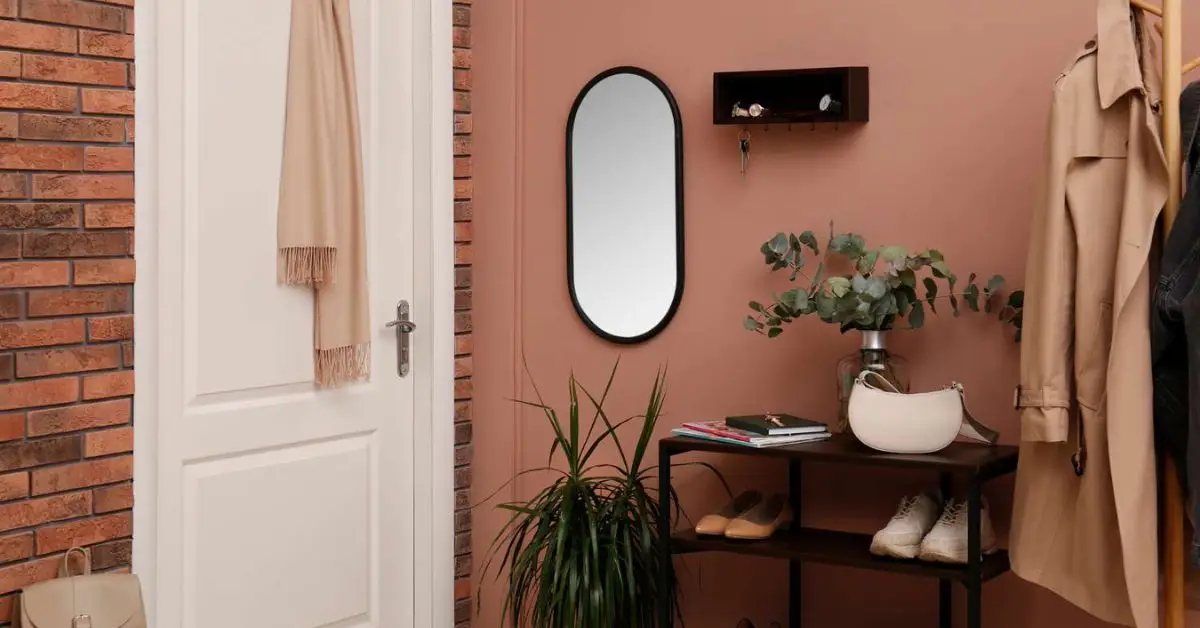
I like to treat pre-Thanksgiving prep as a slow, steady build rather than a last-minute race. When you spread the work over a few weeks, everything feels lighter and you actually finish on time.
Week 4 — Hidden Closets and Catch-All Zones
Start where clutter hides the most.
- One closet or storage space per day
- Sort using the Keep / Donate / Toss method
- Box donation items and put them near the door so they actually leave your house
Micro-tasks (15–30 minutes):
- Clear one drawer
- Empty one storage bin
- Shred one stack of papers
Week 3 — Kitchen and Pantry
This is when I make room for the heavy grocery runs.
- Check dates and toss expired items
- Clear counters of anything you won’t use for holiday cooking
- Wash a few serving dishes now so you’re not doing it on the big day
Micro-tasks:
- Wipe down one shelf in the pantry
- Sort one spice rack
- Clean the fridge door bins
Week 2 — Living and Dining Spaces
Think of this as setting the stage.
- Clear tables, consoles, and stacks of décor
- Store extra throws or pillows
- Rework the dining table so it’s clutter-free and ready for setup
Micro-tasks:
- Declutter one coffee table
- Refresh the centerpiece
- Fold and store extra blankets
Week 1 — Entryway and Guest Bathroom
These are the first and most-used guest zones.
- Clear shoes, jackets, and mail
- Refresh bathroom towels and guest supplies
- Tidy the medicine cabinet and clear countertops
Micro-tasks:
- Wipe down the entry table
- Restock bathroom essentials
- Prep your guest kit
Two–Three Days Before Hosting — Final Sweep
This is just a light reset so everything looks and feels fresh.
- Quick floor sweep
- Empty trash bins
- Wipe key surfaces
- Put out guest-ready toiletries and clean towels
Why this plan works: it breaks the workload into manageable bites. No burnout, no panic, no all-night cleaning sessions. Just steady progress that builds into a home you’re proud to welcome people into.
Final Host Readiness Checklist
Here’s the checklist I use right before guests arrive:
- Entryway — clear, clean, welcoming
- Kitchen and pantry — open surfaces, room for groceries, dishes ready
- Living and dining spaces — clutter-free and comfortable
- Guest bathroom and supplies — stocked, tidy, fresh
- Hidden storage zones — cleared enough to access what you need
- Guest-ready extras — clean towels, toiletries, extra dishware, empty trash bins, a spot for coats and bags
- Final mental note: breathe. You’ve done the work. Enjoy hosting. Your home is ready.
If this guide helped you get clearer about your Thanksgiving prep, tell me what part you’re tackling first. I’d love to hear how you’re setting up your home this season. And if you want more step-by-step home improvement plans, you can find all my deeper guides over at Build Like New.
Disclaimer: This guide is for general home-organization and hosting preparation purposes only. Every home and family setup is different, so adjust the steps to fit your space, time, and comfort level. Always use your own judgment when donating, discarding, or storing items, and follow local guidelines for recycling or disposal.