Cleaning Oven Racks Is Easier When You Use This Overlooked Spot at Home
I’ve cleaned oven racks more times than I can count, and for years I made the same mistake most people do — I tried to force them into my kitchen sink. Water everywhere. Grease stuck to the basin. And racks that still didn’t look clean enough to justify the effort.
At some point, I realized the problem wasn’t how hard I was scrubbing. It was where I was doing it.
If you’ve ever stared at greasy oven racks wondering why this chore feels way harder than it should, you’re not alone. Most guides jump straight to chemicals or scrubbing tools, but they skip the one decision that actually makes the biggest difference. Once you get that part right, the rest becomes almost stupidly easy.
That’s when I started cleaning oven racks in the bathtub — not as a gimmick, not as a “viral hack,” but because it genuinely solves the biggest pain points people complain about: space, mess, and effort.
In this guide, I’ll show you exactly why the bathtub works so well, how to do it without ruining your bathroom, and which soaking methods are actually worth your time. No guessing, no overcomplicated steps — just a smarter way to handle a task most of us hate.
Before we get into the method, let me ask you this: what’s the one thing that frustrates you most when you try to clean oven racks right now — the mess, the time, or the scrubbing?
Why Your Kitchen Sink Isn’t the Best Spot for Oven Racks
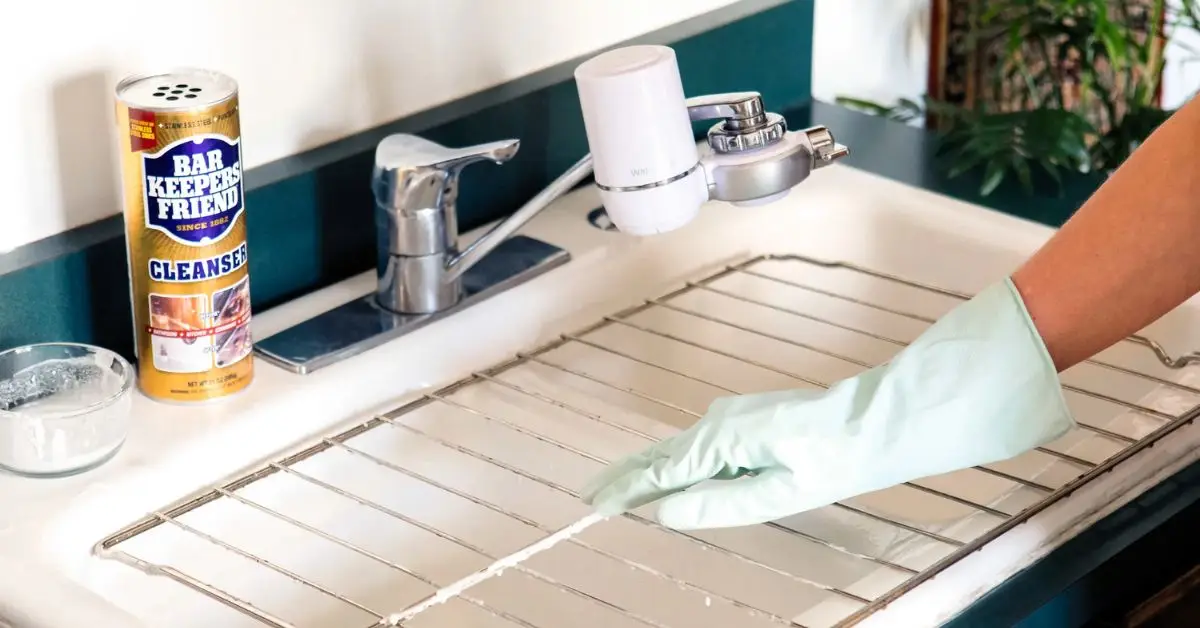
I used to think the kitchen sink was the obvious place to clean oven racks. You probably do too. It’s right there, it has hot water, and it feels like the “proper” spot for a dirty job.
But every time I tried, the experience went wrong in the same predictable ways.
The Limitations of Cleaning Oven Racks in the Sink
Most kitchen sinks simply aren’t built for this task. Oven racks are wide, heavy, and awkward, and you end up fighting the space instead of actually cleaning.
Here’s what usually happens when you use the sink:
- The rack doesn’t fully fit, so half of it never gets properly soaked
- Hot water cools too quickly, which weakens grease-cutting power
- Grease splashes onto countertops, cabinets, and nearby surfaces. When grease splashes out of the sink, it doesn’t just make oven rack cleaning harder — it often leaves sticky residue on nearby cabinets too, which is why these natural ways to degrease greasy kitchen cabinets without harsh chemicals can be surprisingly useful after a cleanup gone wrong.
- The sink itself starts holding onto grime and odors
This isn’t just personal experience. You’ll find the same complaints repeated by real homeowners in discussions on Reddit’s CleaningTips community.
The Real Pain Points: Mess, Time, and Effort
What really makes sink-cleaning frustrating isn’t only the scrubbing. It’s everything that comes after.
When you clean oven racks in the sink, you’re usually dealing with:
- Long, tiring scrubbing sessions with uneven results
- A greasy sink that now needs its own deep clean. One reason sink-cleaning feels so exhausting is that grease doesn’t stay contained — it spreads to counters, sinks, and nearby surfaces, which is why knowing a few effective ways to remove grease stains from kitchen surfaces can save you from doing double the work.
- The sense that you spent more time than the outcome deserved
If you’ve ever finished this task and wondered why it felt harder than it should, the problem isn’t your effort. It’s the setup. Once you recognize that, switching to the bathtub starts to feel less like a “hack” and more like common sense.
The Bathtub Method: The Ultimate Oven Rack Cleaning Hack

Once I stopped forcing oven racks into the sink, everything changed. The bathtub isn’t a clever trick or a social media shortcut — it’s simply the only place in most homes that’s actually built to handle this kind of job.
If you want results without fighting the process, this setup makes all the difference.
Why the Bathtub Works Better Than a Sink
The biggest advantage of the bathtub is space. You’re no longer bending, twisting, or trying to balance a greasy rack at odd angles.
Here’s why the bathtub works so well:
- Full submersion is possible, which lets hot water and cleaners do the heavy lifting
- You can scrub from a natural standing position instead of hunching over a counter
- Grease stays contained in one place, not splattered around your kitchen
This is the moment most people have an “aha” reaction. You’re not cleaning harder — you’re cleaning smarter.
Step-by-Step Guide to Clean Oven Racks in the Bathtub
I’ll walk you through this exactly how I do it, without unnecessary steps or overcomplication.
Preparation Before You Begin
Before the racks go anywhere near the tub, protect the surface.
- Lay an old towel or rubber mat across the bottom
- Gather your cleaner of choice and a soft scrub brush
- Make sure the tub itself is already clean. Skipping this prep step is one of those small cleaning mistakes people don’t think about — the same kind experts warn against when they talk about kitchen cleaning mistakes microbiologists beg you to stop, because leftover residue can spread grime instead of removing it.
This step matters more than people think. It prevents scratches and keeps grease from sticking to the tub, something even home-care experts at The Spruce point out when recommending bathtub soaking for oven racks.
Fill the Bathtub With Hot Water
Place the racks flat in the tub and fill it with the hottest water you can safely handle.
You want the racks fully submerged. Heat softens baked-on grease far better than warm water, which means less scrubbing later.
Add Your Cleaning Mix
This is where you can choose what fits your comfort level:
- Dish soap for light to moderate grease
- Dishwasher pods for tougher buildup
- Dryer sheets for overnight loosening
- Vinegar and baking soda for a gentler, natural option
The key isn’t the product — it’s giving it enough space and time to work.
Soak Time (What Actually Works)
For lightly dirty racks, three hours is usually enough. For heavy, sticky buildup, I let them soak overnight.
Setting realistic soak times saves you from checking every 30 minutes and wondering if you’re doing something wrong.
Scrubbing and Rinsing Tips
After soaking, most of the grime should come off easily.
- Use a soft brush or non-abrasive sponge
- Scrub while the racks are still under water when possible
- Rinse thoroughly with warm water before lifting them out
When the setup is right, this part takes minutes instead of frustration. That’s the real value of the bathtub method — it turns a dreaded chore into something manageable.
Which Bathtub Solution Works Best? Options Compared
Once you commit to using the bathtub, the next question is obvious. What should you actually add to the water?
I’ve tested these methods myself, and I’ve also paid close attention to what keeps coming up again and again across trusted sites and real cleaning communities. The truth is, there’s no single “perfect” mix — the best option depends on how dirty your oven racks are and how much effort you want to put in.
Here’s how the most popular bathtub solutions really compare.
Solution A: Dish Soap + Hot Water (Budget + Gentle)
This is the simplest place to start, and honestly, it works better than most people expect.
- Best for moderate grease and regular maintenance
- No harsh chemicals
- Cheap and already in your kitchen
If your racks aren’t coated in years of buildup, hot water and a generous amount of dish soap can loosen grime enough that scrubbing feels manageable instead of exhausting. This option shows up across multiple SERP results for a reason — it’s reliable and low-risk.
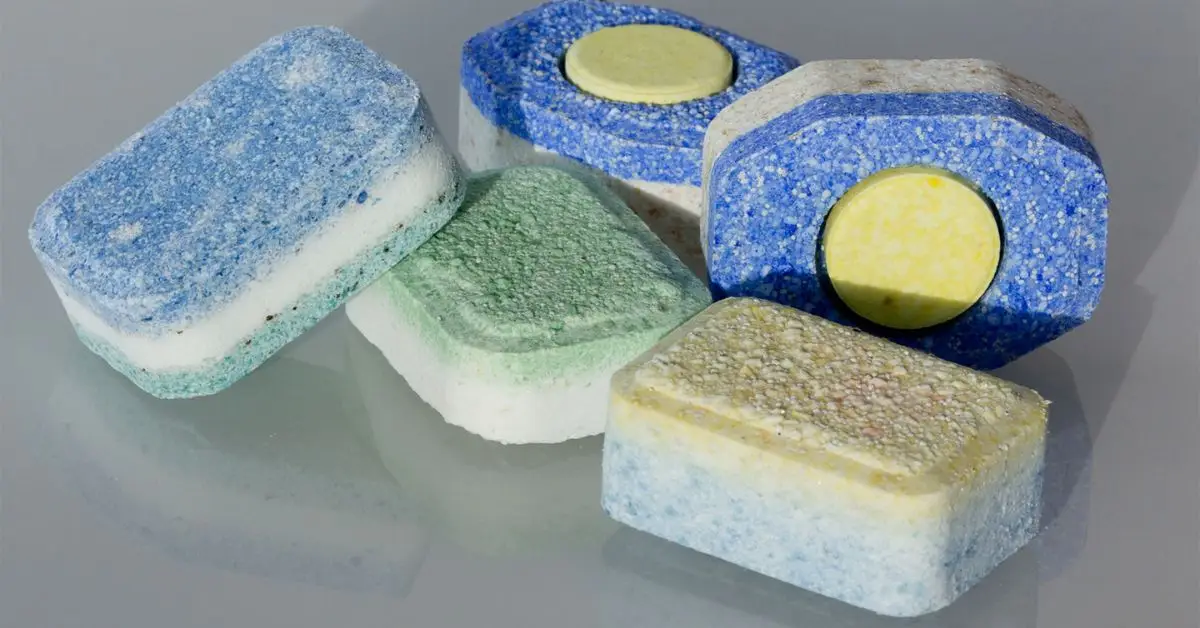
Solution B: Dishwasher Pods or Tablets
When grease is baked on and stubborn, this is where many people see the biggest jump in results.
- Stronger grease breakdown
- Less scrubbing after soaking
- Works well for neglected racks
Dishwasher tablets contain enzymes and cleaning agents designed to cut through dried food residue. That’s why they’ve become such a popular cleaning shortcut, and even tech and home reviewers at Tom’s Guide have explained why these tablets are surprisingly effective beyond dishwashers.
Solution C: Dryer Sheets + Dish Soap
This method sounds strange until you try it.
- Best for overnight soaking
- Minimal scrubbing the next day
- Popular in real-world cleaning groups
The fabric softeners in dryer sheets help loosen grease, especially when combined with hot water and a bit of dish soap. By morning, much of the grime wipes away instead of fighting back.
Solution D: Vinegar + Baking Soda (Eco-Friendly)
If you prefer to avoid stronger cleaners, this is the most natural option.
- No harsh chemicals
- Safe for sensitive skin
- Best for light to medium buildup
The fizzing reaction helps lift grease, though it usually takes longer and may need a bit more scrubbing. It’s not the fastest method, but it’s a comfortable choice for eco-conscious homes.
Pro Tip: Quick Comparison at a Glance
- Dish Soap + Hot Water: low effort, moderate results, shorter soak
- Dishwasher Tablets: moderate effort, high results, medium soak
- Dryer Sheets: low effort, good results, overnight soak
- Vinegar + Baking Soda: moderate effort, gentle results, longer soak
If you’re standing in your bathroom wondering which one to try first, ask yourself this: do you want the fastest visible results, or the least amount of scrubbing? That answer usually points you to the right solution.
Disclaimer: The cleaning methods shared here are based on personal experience, widely accepted home-care practices, and publicly available guidance. Always check your oven manufacturer’s instructions and test any cleaner on a small area first. Results may vary depending on materials, usage, and condition. Use proper ventilation and basic safety precautions when cleaning.