Are You Making This Shower Mistake? It Can Trigger Bathroom Mold
I’ve cleaned more bathrooms than I can count, and I’ll tell you this straight: most people who deal with bathroom mold after a shower aren’t dirty or careless. They’re just doing one small thing that feels harmless—and it’s quietly creating the perfect mold problem.
Here’s the part that surprises almost everyone. The mold usually doesn’t start because you skipped scrubbing the tiles. It starts in the 20–30 minutes right after you turn the water off. That warm steam has to go somewhere. If it stays trapped, mold gets exactly what it needs to grow.
I’ve seen this pattern again and again while reviewing expert advice, homeowner stories, and cleaning data. The same habit keeps coming up across trusted home publications and real people dealing with recurring bathroom mold. Once you notice it, you can’t unsee it—and fixing it is easier than most people think.
Before you buy another cleaner or blame your grout, let me walk you through what’s really happening in your bathroom after every shower. You might realize you’ve been making the same mistake without knowing it.
Do you usually leave your bathroom exactly the way it is right after you shower?
How Showers Create the Perfect Environment for Mold
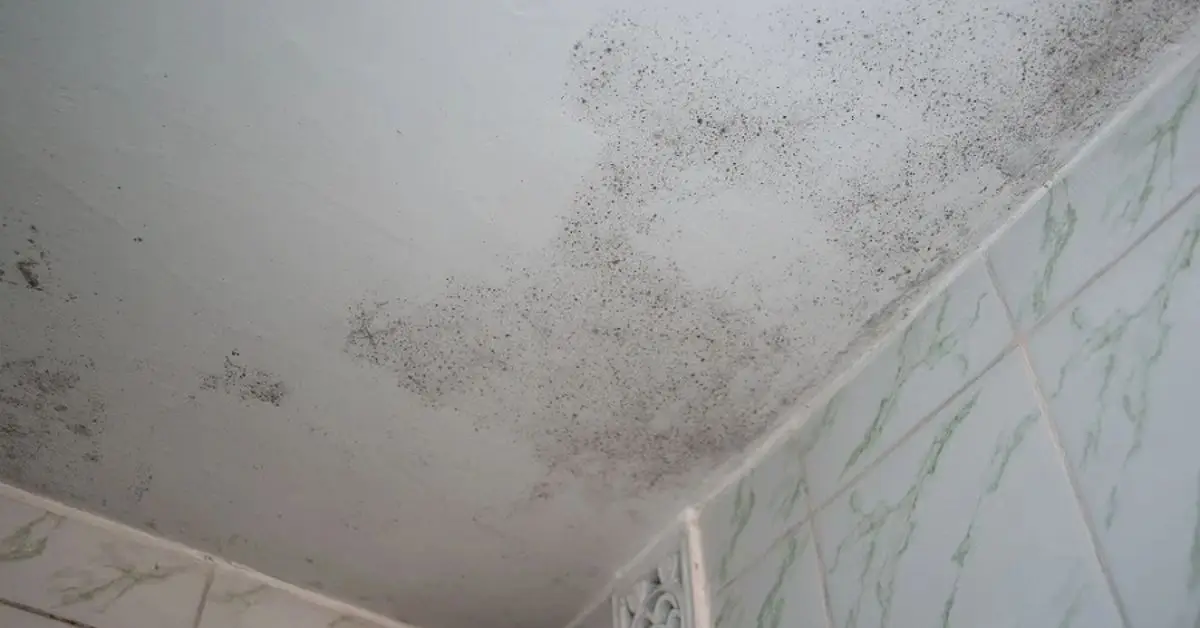
Humidity, Steam & Moisture — The Science of Mold Growth
Let me explain this in a simple, real-life way.
The moment you finish a hot shower, your bathroom air is loaded with steam. That steam quickly pushes humidity levels high—often above the safe zone where mold stays inactive. Once humidity crosses that line, mold doesn’t need dirt or neglect. It just needs time.
Here’s what’s really going on behind the scenes:
- Warm steam fills the room and sticks to walls, ceilings, grout, and fixtures
- Moisture settles into tiny cracks you can’t even see
- Mold spores (which already exist in most homes) wake up and start feeding
In plain terms: spores + moisture + organic material = mold.
Soap residue, dust, and even skin cells are enough for it to grow.
This matters because most people think mold means a dirty bathroom. In reality, a clean bathroom with trapped moisture is often worse.
The Typical Timeline — From Shower to Mold in 24–48 Hours
Here’s the part people underestimate.
Mold doesn’t take weeks. Under the right conditions, certain types can start growing within one to two days. I’ve seen bathrooms that look fine on Monday and show dark spots by Wednesday—all because moisture never had a chance to escape.
What speeds this up:
- Daily hot showers
- Poor airflow
- Moist surfaces staying wet overnight
If your bathroom stays damp after every shower, you’re basically resetting the mold clock again and again.
The #1 Shower Mistake People Make (More Than Cleaning Less Often)
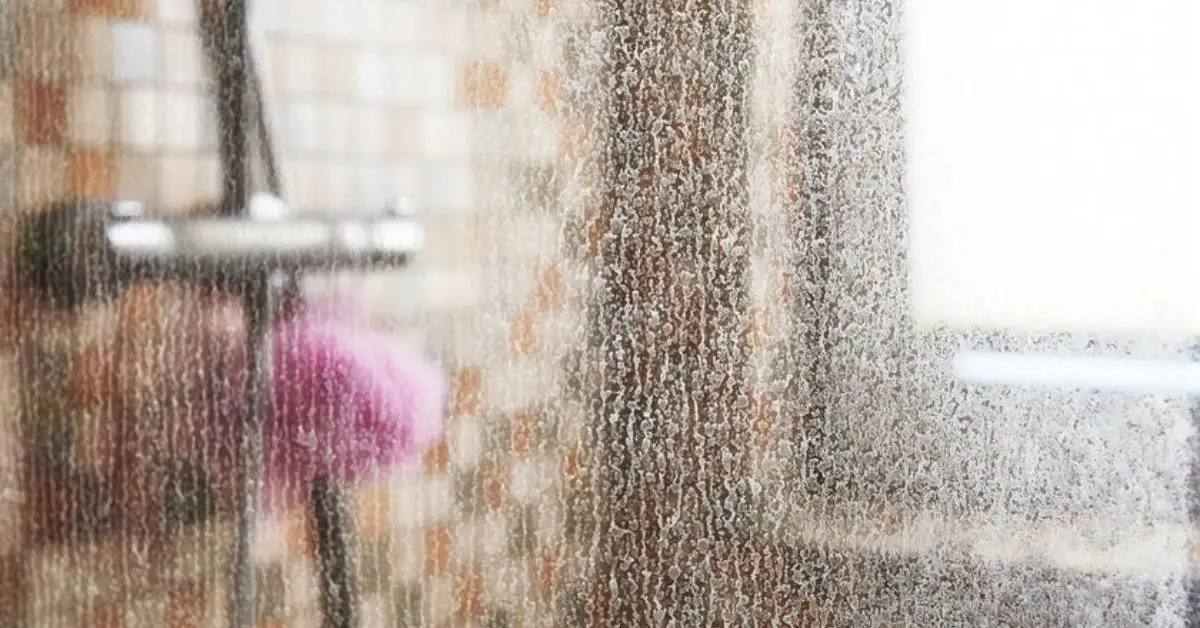
Closing the Door After a Shower — The Habit That Helps Mold Thrive
Most people do this without thinking. I’ve done it myself in the past.
You finish showering, step out, and close the bathroom door—maybe for privacy, maybe out of habit. But according to Good Housekeeping, this is one of the biggest reasons bathrooms develop mold problems because it traps humid air instead of letting it escape.
When you close the door, here’s what happens:
- Steam stays locked inside the smallest room in your home
- Humidity has nowhere to go
- Surfaces stay damp far longer than they should
From a mold perspective, that’s a perfect setup.
Common Misbeliefs — What People Get Wrong
When I look at real homeowner experiences, the same belief keeps showing up:
“If I clean more, mold will stop.”
But people dealing with recurring mold say something else matters more:
- Airflow beats scrubbing
- Ventilation matters more than products
- Moisture control fixes what cleaners can’t
Mold isn’t impressed by how often you clean. It reacts to how long moisture hangs around.
Now I’m curious—after your last shower, did you leave the bathroom sealed up or let it breathe?
Other Common Shower-Related Mold Triggers
Beyond the Door — Other Habits That Fuel Bathroom Mold After a Shower
Closing the door isn’t the only issue. When I look at bathrooms where mold keeps coming back, I usually find a few quiet habits stacking up together. You might be doing one—or all—of these without realizing the damage they cause.
Not Running or Maintaining Your Exhaust Fan Properly
A lot of people have an exhaust fan but don’t really use it right.
Here’s what I see most often:
- The fan gets turned on late—or not at all
- It’s switched off the moment the shower ends
- The fan is old, dusty, or too weak to move humid air
If your exhaust fan feels weak or noisy, it might not be broken—just dirty. I’ve shared a simple, practical guide on how to clean your bathroom exhaust fan properly so it actually pulls moisture out instead of just making noise.
Best practice is simple: run the fan during your shower and for at least 20–30 minutes after. That window right after you shower is when moisture does the most damage. If the air doesn’t move out, it settles everywhere.
This matters because ventilation is your first line of defense. Without it, everything else you do barely helps.
Leaving Wet Towels, Mats, or Curtains in the Bathroom
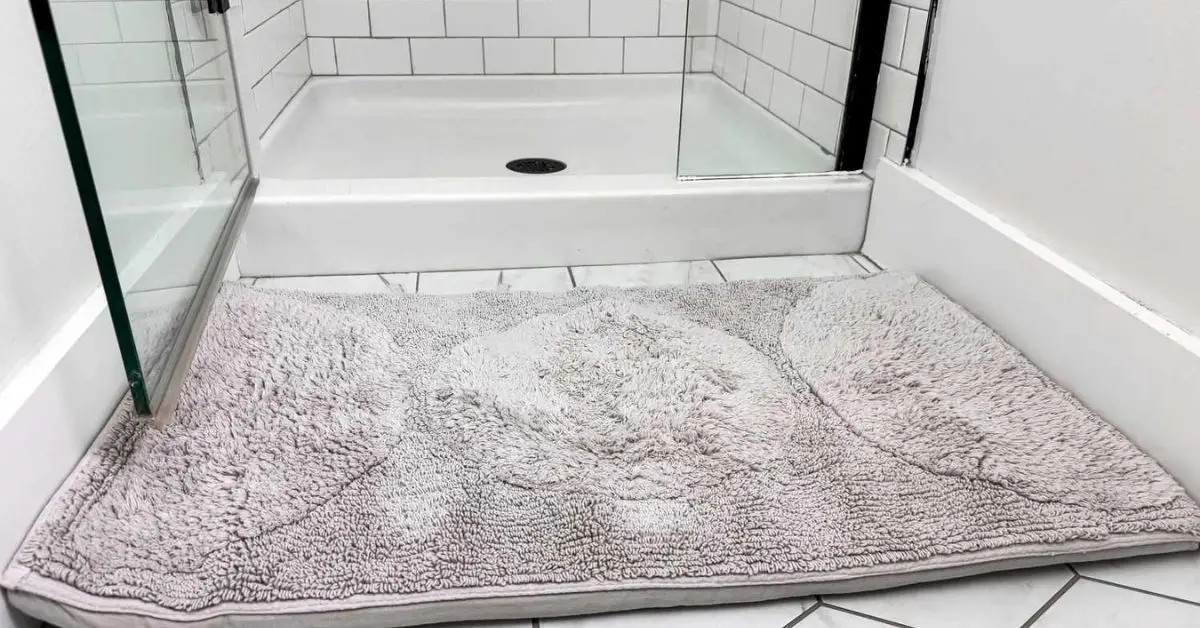
This one feels harmless, but it’s a big contributor.
Wet fabric holds moisture far longer than tile or glass.
That’s also why there are a few everyday bathroom items people keep around that quietly make moisture, odor, and mold problems worse—especially when guests aren’t around. I’ve listed things you should remove from your bathroom to keep the space drier and healthier.
When towels, bath mats, or shower curtains stay in the bathroom, they keep humidity levels high for hours.
Common mistakes I see:
- Towels left hanging in the same room
- Damp bath mats never fully drying
- Shower curtains bunched up instead of spread out
According to Forbes, damp bathroom items are one of the most overlooked sources of lingering moisture that feeds mold growth.
If your bathroom smells musty even when it looks clean, this is often why.
Poor Grout, Caulk, and Materials That Hide Moisture
This is the part most people miss because you can’t always see it.
Cracked grout or failing caulk acts like a sponge. Water seeps in, stays trapped, and feeds mold deep below the surface. You can scrub the visible area all you want—the real problem is underneath.
Red flags to watch for:
- Crumbling or darkened grout lines
- Caulk pulling away from seams
- Mold returning in the same exact spots
This matters because surface cleaning won’t solve a structural moisture issue. If water keeps getting in, mold keeps coming back.
The Prevention Playbook — After Every Shower
Quick, Daily Actions That Stop Mold Before It Starts
If you want to stop bathroom mold after a shower, consistency beats effort. I always tell people: small habits done daily work better than deep cleaning once a month.
Ventilate Like a Pro
This is your non-negotiable routine:
- Turn the exhaust fan on before the shower
- Leave the door slightly open when possible
- Let air move for at least 20–30 minutes after
One quick note though—ventilation matters, but not every bathroom device is safe to leave running without thought. I’ve explained which bathroom devices can be dangerous if left on and how to use them safely without creating new problems.
Airflow is what breaks the mold cycle. Without it, moisture wins.
Dry and Clean — Efficient Surface Habits
You don’t need to wipe everything down perfectly. Just hit the spots that stay wet longest:
- Squeegee shower walls or glass
- Shake out the shower curtain so it dries evenly
- Hang towels outside the bathroom if possible
You’re not cleaning for looks—you’re removing moisture before mold can use it.
Upgrade Your Bathroom Setup (If You Can)
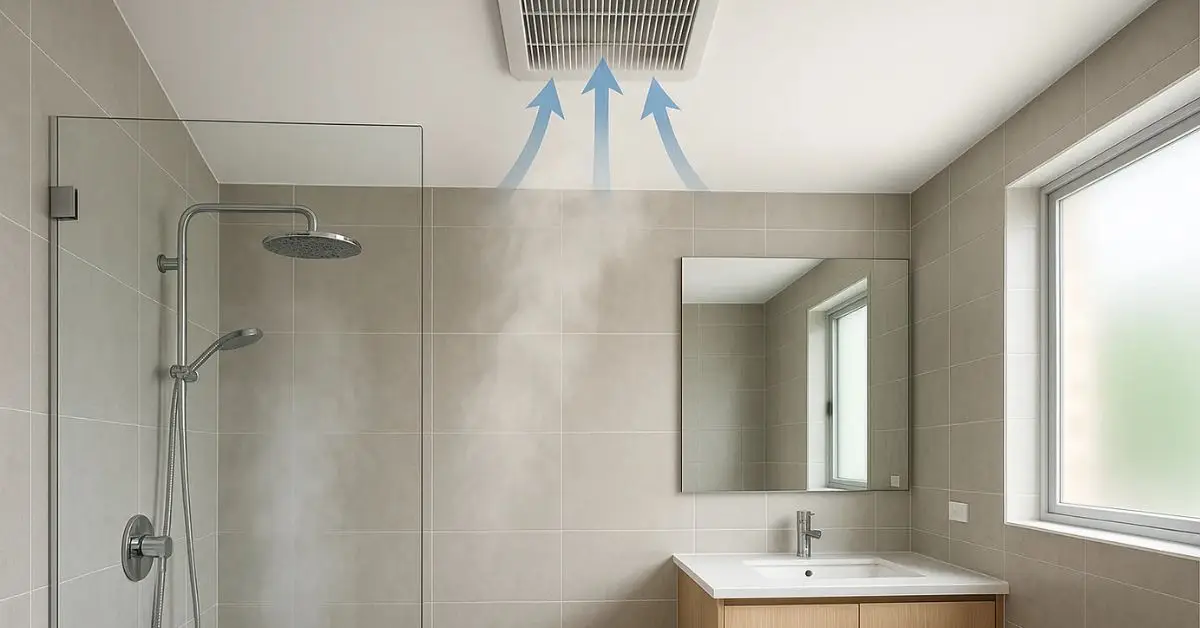
If mold has been a long-term issue, small upgrades can make a big difference:
- A stronger, high-CFM exhaust fan
- A compact dehumidifier for humid climates
- Mold-resistant grout and caulk during remodels
These aren’t must-haves for everyone, but for some homes, they’re the fix that finally works.
Now think about your own routine—after your last shower, which one of these habits do you think might be giving mold the upper hand?
When Mold Already Appears — What to Do First
Safe First Steps for Mold You Already See
Let’s be honest. If you’re reading this, there’s a good chance you’ve already spotted mold somewhere—on grout lines, caulk edges, or the ceiling above the shower. That doesn’t mean you failed. It just means moisture had time to sit.
The key is knowing when you can handle it yourself and when you shouldn’t.
Here’s a simple rule I follow and recommend:
- Small, surface-level patches (like a few spots on tile or caulk) can usually be cleaned safely
- Large areas, recurring growth, or mold spreading beyond one spot often need professional help
If mold keeps coming back after cleaning, that’s not a cleaning problem—it’s a moisture problem hiding underneath. Ignoring that only makes things worse.
Products and Tools That Work (and Why Some Don’t)
A lot of people jump straight to home hacks. I get why—they’re cheap and easy. But not all of them work the way the internet claims.
For example, vinegar is often mentioned as a cure-all. The truth is more complicated. According to Homes & Gardens, vinegar may clean surface mold but often fails to remove mold embedded in sealant or porous materials.
What usually works better:
- Targeted mold cleaners for bathrooms
- Hydrogen peroxide for non-porous surfaces
- Removing and replacing moldy caulk instead of scrubbing it
What doesn’t work long term:
- Masking mold with bleach alone
- Repeated scrubbing without fixing moisture
- Ignoring cracks and sealant damage
The goal isn’t just to make mold disappear—it’s to stop it from coming back.
Bathroom Checklist (Post-Shower Routine)
7-Point Bathroom Mold Prevention Checklist
If you only remember one thing from this article, make it this checklist. I’ve seen these small steps prevent years of mold issues when done consistently.
After every shower, aim to:
- Turn on the exhaust fan and let it run 20–30 minutes
- Leave the bathroom door slightly open if possible
- Squeegee or wipe wet shower walls and glass
- Shake out the shower curtain so it dries evenly
- Remove wet towels and bath mats from the room
- Check grout and caulk regularly for cracks or dark spots
- Keep humidity in check with airflow or a small dehumidifier
This works because mold doesn’t need much—just moisture and time. You’re cutting off both.
If this checklist helped you, I’d love to know—which step do you think you’ve been skipping without realizing it? Drop it in the comments.
And if you want more practical, no-nonsense home guides like this, visit Build Like New—that’s where I share real fixes that actually work in everyday homes.
Disclaimer: This information is for general home-care guidance only and is not a substitute for professional mold inspection or remediation. If you’re dealing with extensive mold growth, ongoing moisture issues, or health concerns, always consult a qualified professional.